

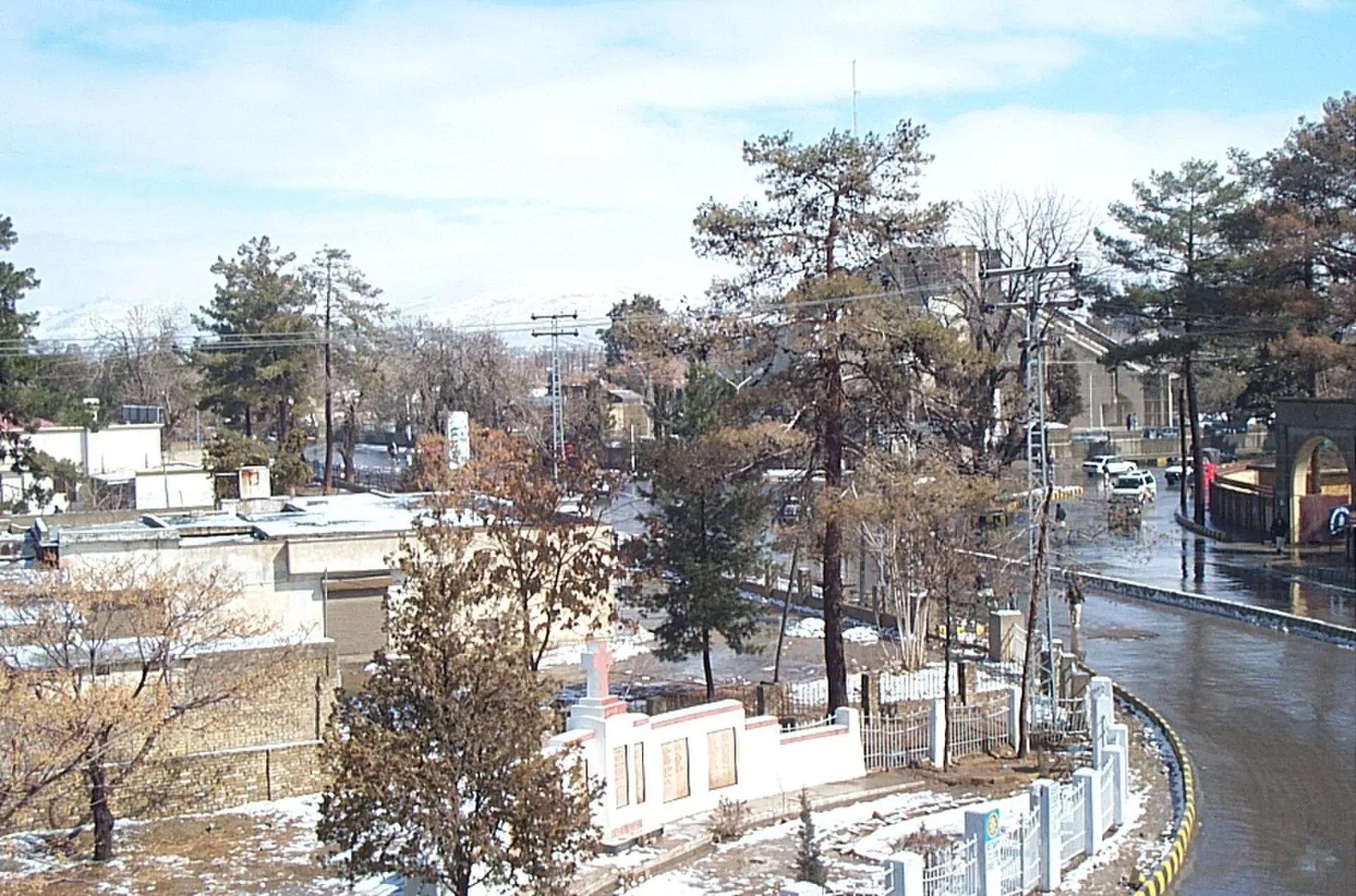
Photo: Ajmalahmedkhan, with thanks · CC BY-SA 3.0 · via Wikimedia Commons · temporary stand-in photo

Quetta Sajji and Landi Trail
Quetta's food trail follows sajji, landi and khaddi kebab, with breakfast on Prince Road and karahi and barbecue on Circular Road. Dishes, seasons and etiquette, with the current UK travel advice for Balochistan.
Overview
Quetta is the capital of Balochistan and has its own cooking, shaped by Baloch, Pashtun and Afghan neighbours. It is known for sajji, roasted lamb or chicken cooked beside open coals with little more than salt; landi, preserved mutton traditionally stored in fat; and khaddi kebab, a whole goat stuffed with rice and dried fruit and cooked in a covered pit.
Before you plan
Ask the district administration or local police about current conditions before you go. For foreign visitors: the UK FCDO advises against all travel to Balochistan, including Quetta (page updated 27 October 2026, checked 17 November 2026). Read the live advice and your insurer's terms. This page describes the city's food culture and is not a recommendation to travel.
Where the food is
A 2017 Dawn food feature names these roads:
- Jinnah Road, which runs beside Circular Road. Guide sites list restaurants along it.
- Prince Road, one of Quetta's busiest markets, known for halwa puri at breakfast, and later biryani and nihari.
- Circular Road, known for mutton and chicken karahi and barbecue, including namkeen tikka.
Guides name specific restaurants, but they change, and this page does not. Choose busy places with quick turnover.
A sample day
Take an early breakfast of halwa puri on Prince Road, walk the bazaars in the late morning for tea, and keep sajji for a slow lunch, since it takes time to roast. Khaddi kebab is slow-cooked in a pit, so ask about ordering ahead. Evenings are cold in the cooler months, so a hot karahi on Circular Road is a good way to finish.
Dishes to try
- Sajji: whole lamb, or chicken, roasted over coals, often with rice, and eaten by hand. Expect a wait.
- Landi: a Baloch dish of preserved mutton. Ask your host how it is served, as the style varies.
- Khaddi kebab: a whole goat stuffed with rice and dried fruit and slow-cooked in a pit. It is a dish for sharing.
- Karahi and halwa puri, as in the rest of the country.
When to go
Quetta is high in the mountains and cold in winter, when sajji and warm meat dishes are most popular. Autumn and spring are mild. Summer is pleasant compared with the plains. During Ramazan, restaurants mostly serve after sunset.
Hygiene and water
- Prefer food that is hot, fresh and cooked in front of you.
- Use sealed bottled water. Avoid ice and unpeeled raw salad.
- Rich fatty meals can upset a stomach not used to them. Eat small portions.
Etiquette
- Quetta is conservative. Dress modestly, and women should have a head covering.
- Eat with your right hand, share dishes, and accept tea politely.
- Do not photograph people, police or military sites without permission.
Good to know
Opening times, prices and names change, so verify locally. This is a food culture guide; follow official advice on travel.
Sources and last checked
Last checked Confidence low4 sources3 still to check
- Last checked
- Method
- Desk research from published sources
- Confidence
- low
- Checked by
- trek.pk research team
Researched from published sources; not yet checked on the ground by our team. Spot something out of date? Report a mistake.
Sources
- Cuisine: Meat up in Quetta · Dawn · checked
- Sajji, other Balochi delights getting popular · The Express Tribune · checked
- Food in Quetta · TravelSetu · checked
- Pakistan travel advice (warnings and insurance) · UK FCDO (GOV.UK) · checked
Still to be checked on the ground (3)
- Streets and bazaars: only Prince Road and Circular Road are named in Dawn (April 2017); other places removed. A dated source for current restaurants is still missing
- Where to eat landi in Quetta (Express Tribune 2018 only names a restaurant in Islamabad)
- Location coordinates not given