


The honest picture
Most visitors find Pakistan unusually welcoming, and many are invited for tea within hours of arriving. Serious crime against tourists is not typical. But as anywhere, there are small scams and annoyances, mainly in large cities and at transport hubs. This page is practical, not alarming.
Transport
- Inflated fares. Taxi and rickshaw drivers may quote a high price to foreigners. Use ride-hailing apps such as Careem or inDrive, where the fare is set before you get in. If you take a rickshaw, agree the price first and confirm it again before you leave.
- "The hotel is closed." A driver tells you your chosen hotel is closed or full and offers another. Check by phone or message the hotel yourself.
- Detours and extra stops. Some drivers take you to shops for commission. Say clearly where you want to go.
- Bus ticket touts. At bus stations, agents may pull you towards a ticket counter. Walk to the official counter of the company you want.
- Breakdown and change. Keep small notes handy; drivers may say they have no change.
Money
- Currency exchange. Use licensed exchange offices or banks and count the money before leaving. Be cautious with street changers.
- Card fraud. The UK government's advice says credit card fraud is common and to beware of scams. Use ATMs inside banks and cover the keypad.
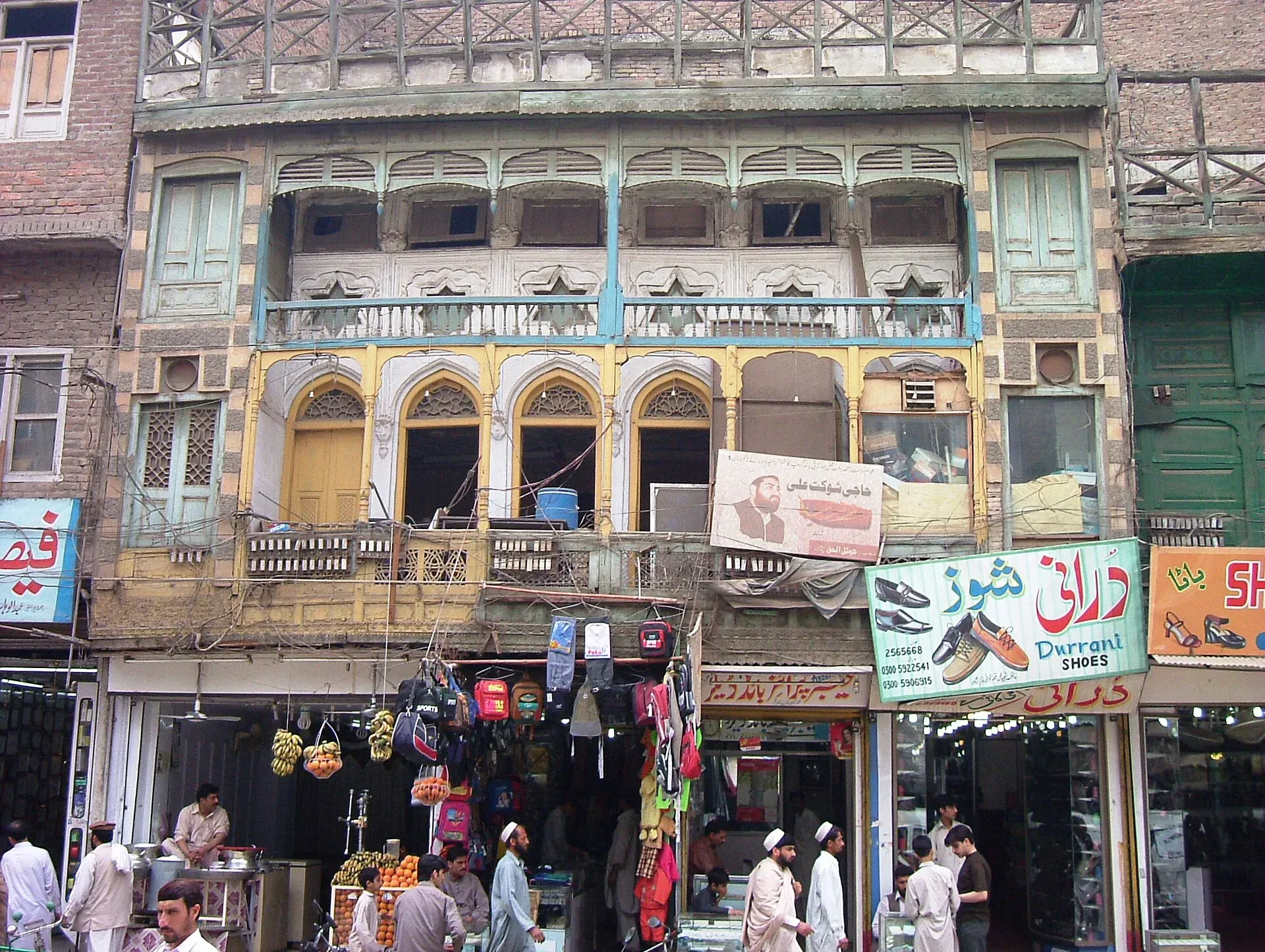
- "Special price" markets. Bazaars expect bargaining. Ask a local for a fair starting price and be willing to walk away politely.
Tours and guides
- Unlicensed guides and operators. Check that a guide or company is registered with the relevant tourism department. See the trek.pk directory for checked operators.
- Surprise extras. Agree in writing what is included: transport, meals, permits, fees, porters, tips.
- Pressure to buy. Be wary of any guide who steers you to a particular shop or hotel.
Shopping
- Gemstones. Tourists in gem markets in places like Gilgit or Peshawar are sometimes sold glass or poor stones as valuable ones. Do not buy gems you cannot verify.
- "Antiques". Items sold as antique may be new. Export of genuine antiquities is controlled.
- Carpets. Quality and price vary hugely. Compare before buying, and ask for a receipt.
Social situations
- Staring. Foreigners, and women especially, may be stared at. It is usually curiosity. A calm response and modest dress help.
- Photos. People may ask to take selfies. You can say no politely.
- Street requests. Beggars and children selling small items are common; many travellers prefer to give through local charities.
- Offers of help. Most are genuine and generous. Use judgement if help is followed by a demand for payment.
- Overfriendly strangers. If someone is overly insistent about taking you somewhere, say you are meeting someone and walk on.
Online and phone
- Only use official booking websites. Scam sites copy real hotel and airline names.
- Be careful with SIM and mobile wallet fraud calls. Never share OTP codes or PINs.
What to do
- Stay calm and polite; raising your voice rarely helps.
- Walk away if you feel pressured.
- Note the vehicle number or shop name and report serious problems to the police (15) or the tourist police where available.
- Keep copies of your documents separate from the originals.
Perspective
Treat these as small risks, much like pickpockets in any big city. Most problems are solved by agreeing prices, using apps, and asking a trusted local or hotel for advice.