


The big picture
Pakistan stretches from sea level to the second-highest mountain on Earth, so there is no single best month. Think in three zones:
- The north (Gilgit-Baltistan, Chitral, Swat, Kaghan, Neelum): open and green from late spring to early autumn. Snow closes high passes in winter.
- The plains (Punjab, Sindh, Islamabad): pleasant from October to March, very hot from May to August.
- The south and the coast (Karachi, Makran, Balochistan highlands): best from November to February.
Month by month
| Month | North and mountains | Plains and heritage cities | South and coast |
|---|---|---|---|
| January | Deep winter. Ski areas, snow in Naltar and Malam Jabba. Many high roads closed. | Cool and often foggy. Good for Lahore and Taxila. | Mild and sunny. Good for beaches. |
| February | Still winter. Some roads open earlier than others. | Pleasant. Basant and cultural events in some cities. | Warm and dry. |
| March | Valleys wake up. Lower Hunza and Skardu thaw. | Spring flowers, comfortable days. | Warm. |
| April | Apricot and cherry blossom in Hunza and Skardu in many years. | Warm. Wheat harvest begins. | Hot, humid by the coast. |
| May | Roads and passes begin to open. Good for lower valleys. | Heat builds. | Hot. |
| June | Main trekking season begins. Passes open as snow melts. | Very hot. | Hot and humid. |
| July | High season in the mountains. Deosai in bloom. | Hot and then monsoon rain. Landslide and flood risk in the hills. | Monsoon showers. |
| August | Peak trekking, but heavy rain can trigger floods and landslides. | Monsoon. | Monsoon and rough sea. |
| September | Clear skies. Excellent for treks. | Cooling. | Warm. |
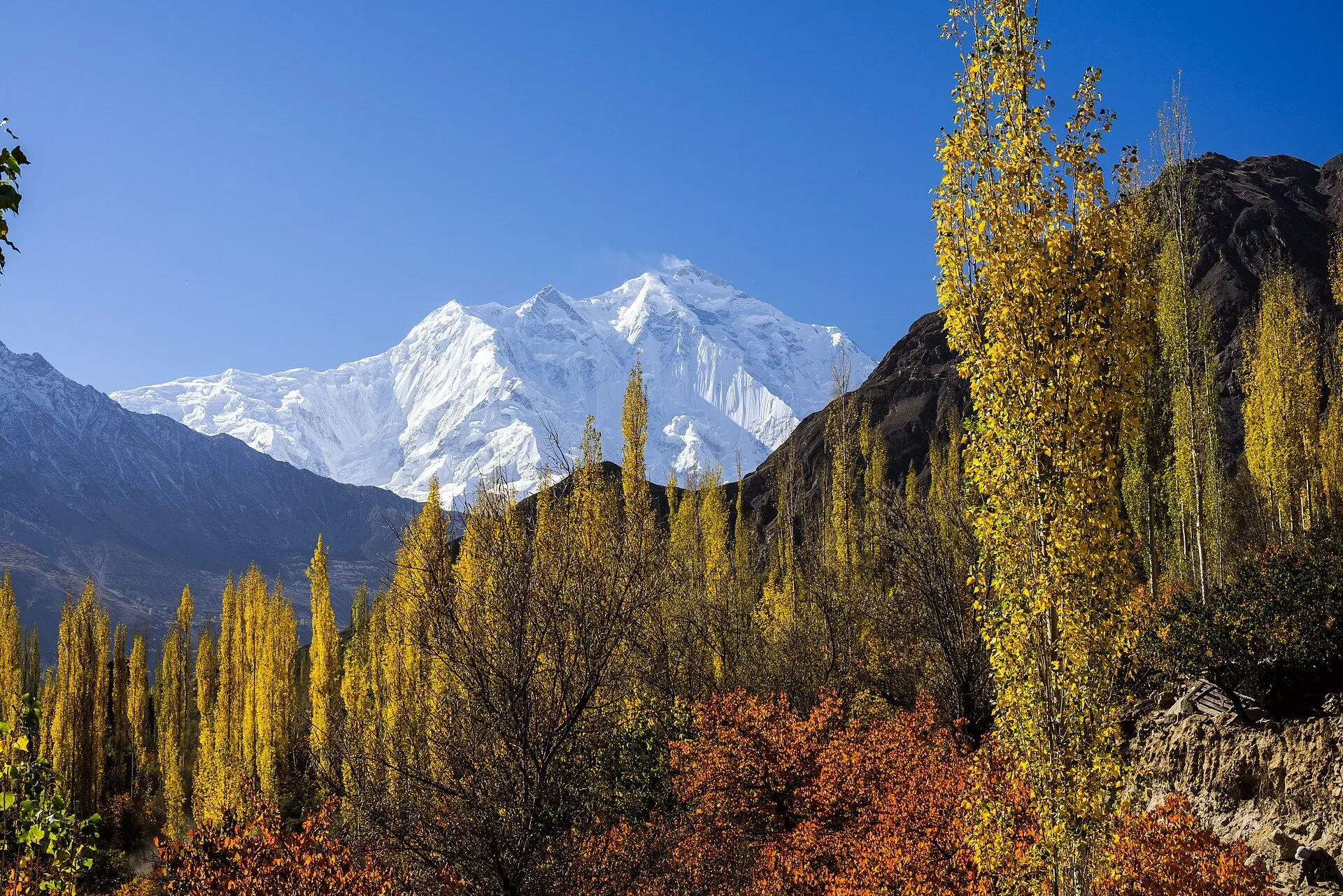
| October | Autumn colour in Hunza, Skardu and Chitral. Higher passes close late in the month. | Best weather arrives. | Pleasant. |
| November | Cold. Last colour in the north. Roads start to close. | Comfortable. Good for sightseeing. | Best season. |
| December | Cold, snow in the higher valleys. | Cool, foggy mornings. | Cool and pleasant. |
These are typical patterns, not guarantees. Weather has become less predictable, and snow, rain and landslides can change a plan at short notice.
Seasons in short
- Spring (March to May): blossom in the north, comfortable plains. Roads open gradually.
- Summer (June to August): the main season for treks and high roads. It is also the monsoon. Watch the forecasts from the National Disaster Management Authority (NDMA) and the Pakistan Meteorological Department (PMD).
- Autumn (September to November): many travellers prefer it: clear air, fewer clouds and colour in the valleys.
- Winter (December to February): Lahore, Karachi and the south are at their best. The north is cold and often snow-bound, with skiing in a few areas.
Monsoon
The monsoon usually arrives in the plains in late June or July and runs into September. Floods and landslides have closed roads in several recent years, including the Karakoram Highway and Kaghan. Keep spare days, follow Road and weather status, and avoid river-side camping in heavy rain.
Ramadan and Eid
The dates follow the Islamic lunar calendar, so they move about eleven days earlier each year. Confirm each year's dates with the Ruet-e-Hilal committee announcements. Calendar calculations put Ramadan in 2027 at about 8 February to 8 March, with Eid ul-Fitr around 9 March, but Pakistan's sighting can differ by a day or more.
- Ramadan: Muslims fast from dawn until sunset. Many restaurants close or serve behind screens in the day, but hotels serve guests. Evenings, with iftar meals and bustling bazaars, are a highlight. Do not eat, drink or smoke in public in the day out of respect.
- Eid ul-Fitr and Eid ul-Adha: public holidays that last several days. Transport and northern hotels are very full, prices rise and many businesses close. Book early or avoid the days around Eid for northern trips.
Where to go this month
- January and February: Lahore, Multan, Karachi, the Salt Range, birdwatching on wetlands.
- March and April: Islamabad, Swat, the blossom valleys and lower Hunza.
- May and June: Hunza, Skardu, Fairy Meadows, Naran when roads open.
- July and August: Deosai, Shandur, Chitral and treks. Check weather and floods first.
- September and October: Treks, Hunza, Skardu and the autumn colour.
- November and December: Lahore, Taxila, Karachi and Makran coast, and southern heritage sites.
See the blog for fuller month-by-month guides and the seasonal pages for blossom, autumn and winter.