

Karachi on a plate
Karachi is Pakistan's largest city and main port, and its food comes from the people who settled there: Urdu-speaking families who arrived after 1947, and Memon, Bohri, Sindhi, Baloch and Pashtun communities. That mix is why a single day can include a Delhi-style breakfast stew, a tangy biryani, a Sindhi vegetable dish and a seafront dinner. This guide follows a day of eating, with a few tips on timing, hygiene and etiquette.
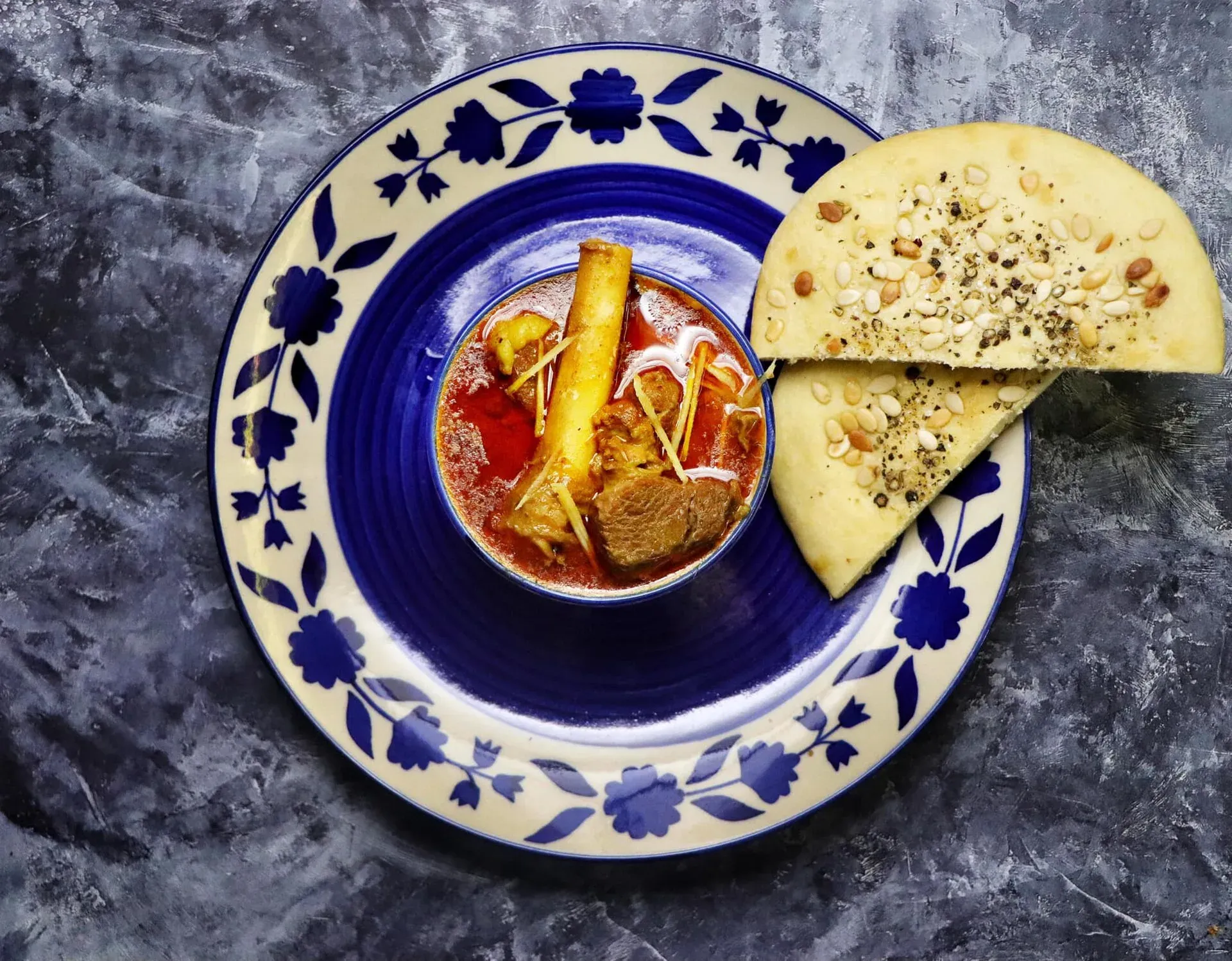
Photo: Nilanjan Sasmal, with thanks · CC BY-SA 4.0 · via Wikimedia Commons · temporary stand-in photo
The UK government's Pakistan page (updated 27 October 2026, checked 17 November 2026) does not name Karachi in its advice against travel. Sindh north of and including Nawabshah is on the "all but essential travel" list, and Karachi lies south of that line. Conditions change, so read the live page before you go. Use ride-hailing apps or taxis, keep your phone out of sight on the street and avoid unfamiliar side streets after dark.
Breakfast: nihari
Nihari is a slow-cooked beef or mutton stew with a thick, glossy gravy, served very hot with naan. The name is generally traced to the Arabic word for "morning", because it was traditionally a breakfast dish eaten after the dawn prayer. The meat simmers for many hours, often overnight, with ginger, garlic and a spice blend, and it is garnished at the table with ginger strips, coriander, green chilli and lemon. Food writers link it to the cooking of Mughal Delhi and Lucknow, and families who moved to Karachi after 1947 brought it with them, though accounts of its origin differ. Go early: the best pots sell out. Cool weather suits it best.
Mid-morning: Burns Road
Burns Road in old Karachi is one of the city's best-known food streets, with many restaurants that date back to the 1940s. Its official name is Muhammad Bin Qasim Road, but almost everyone still uses the old name, which comes from James Burnes, a Scottish doctor in colonial India. Fresco Sweets, Delhi Rabri House and Waheed Kebab House are among the names on the road.
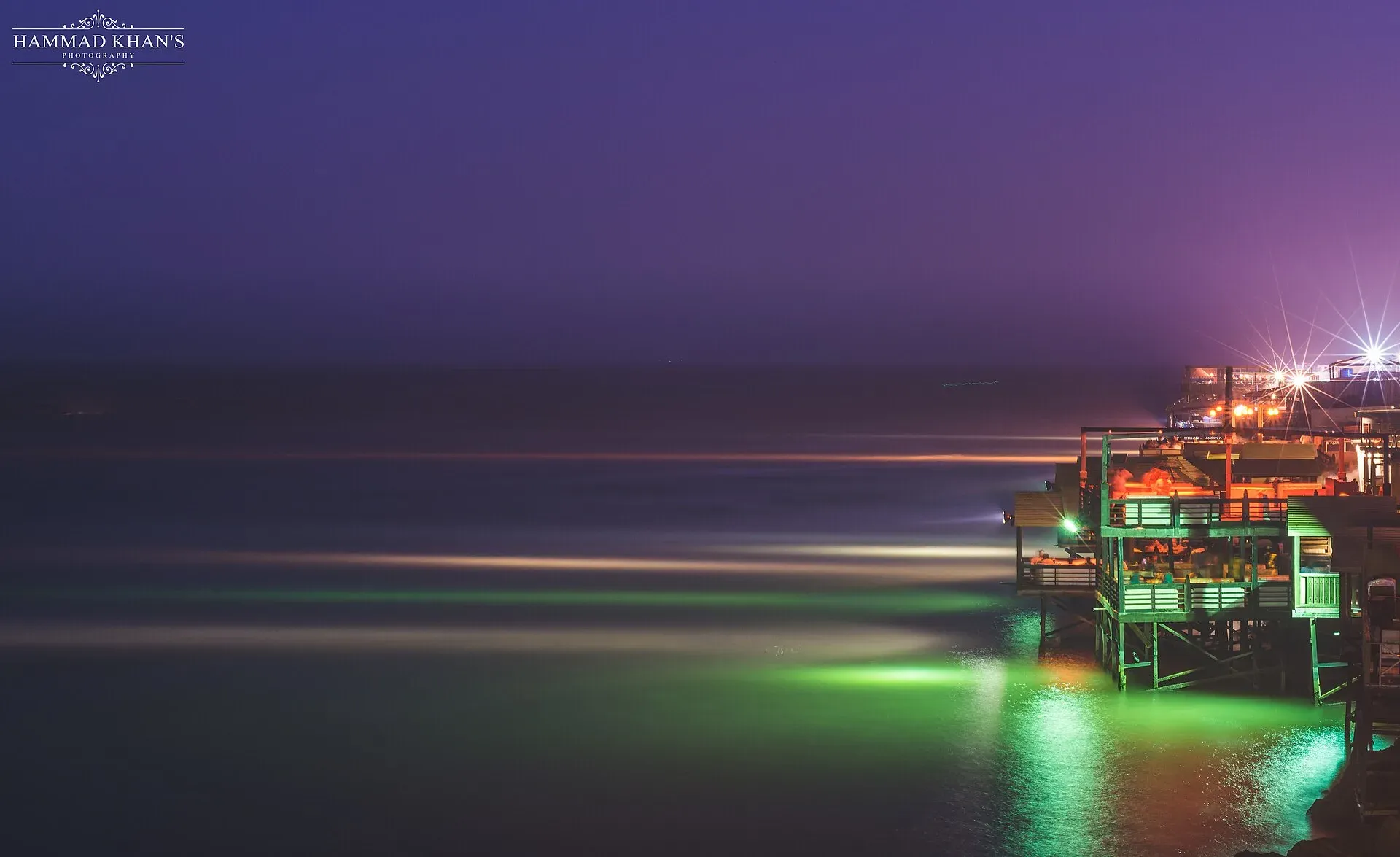
Photo: Hammad Khan, with thanks · CC BY 2.0 · via Wikimedia Commons · temporary stand-in photo
Go in the early evening, eat at standing counters and takeaway windows, and share a few plates. Look for barbecue and skewered kebabs, dahi baray (soft lentil dumplings in yogurt), rabri (thickened sweet milk) and, in winter, gajar ka halwa. During Ramazan it is one of the busiest iftar streets. Seating is limited and not always suited to families, so ask about a family section or take food away. Traffic and parking arrangements change, so ask locally.
Lunch: biryani
Karachi biryani is known for being tangy and quite spicy. Basmati rice is layered with meat that has been marinated in yogurt, tomato, fried onion and spices, then sealed and cooked on a gentle flame ("dum"). Potatoes are typical, and some cooks add dried plums for sourness. It is served with raita and salad. Chicken and beef are common, mutton appears at weddings and a fish or prawn version exists on the coast.
Sindhi biryani is a separate style. It often includes potatoes, dried plums and mint, and is generally spicier and tangier than many other biryanis. It is a lunch dish and a celebration food, and it is served as charity food at shrine festivals. If you are offered food at a shrine, accept it politely with your right hand.
A vegetarian option: sai bhaji
Sai bhaji is a thick, mild, green dish from Sindh, made from spinach and other leafy greens cooked with chana dal and spices. It is eaten with rice or flatbread and is one of the best-known vegetarian dishes in Sindhi cooking. If you do not eat meat, ask for it in restaurants that serve Sindhi food, and check what has been used for the tempering.
Afternoon: Empress Market and Bohri Bazaar
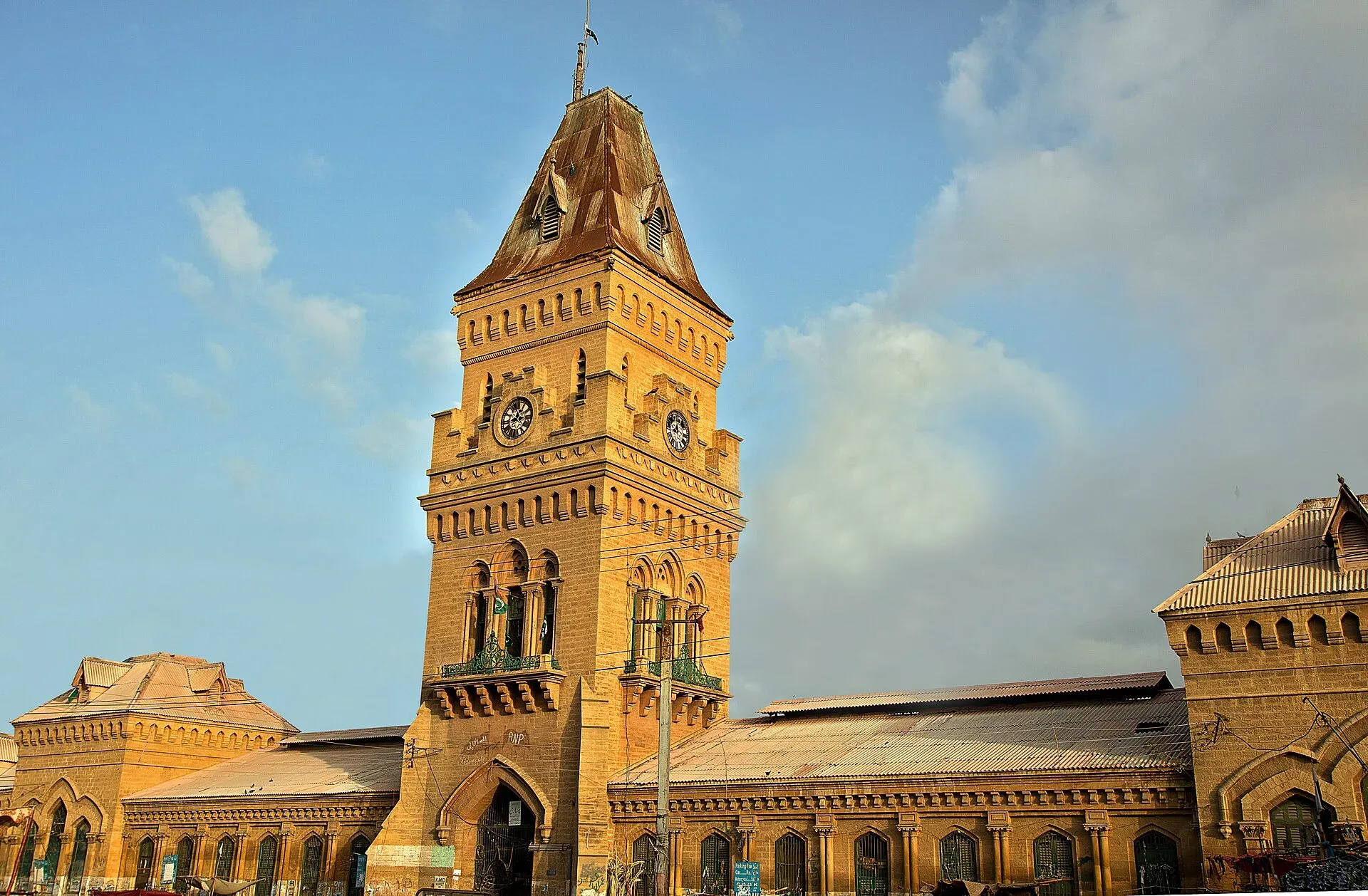
Empress Market in Saddar is a working market in a large Indo-Gothic building, built between 1884 and 1889 and named after Queen Victoria. Fruit, vegetables, meat and spices are sold in the galleries, and its clock tower is about 42.6 m high. In November 2018, after a Supreme Court order, about 1,000 informal shops around it were removed. Bohri Bazaar nearby dates to 1939 and is a dense shopping district. Go in the morning on a weekday and keep bags in front of you, because pickpockets work crowded bazaars.
Evening: sea air and falooda
Clifton Beach, better known as Sea View, is a city beach rather than a swimming beach. Swimming is risky because of strong currents and is often banned, so treat it as a place to walk and watch the sunset. In DHA Phase 8, Do Darya has restaurants built on stilts over the water, popular for seafood. Finish with falooda, a cold dessert drink of sweet milk, rose syrup, thin noodles and basil seeds, often topped with ice cream or kulfi.
Haleem and seasonal food
Haleem is a thick porridge of wheat, lentils and slow-cooked meat, beaten smooth and topped with fried onion, ginger and lemon. Karachi-style haleem is usually smooth and spicy. It is eaten all year and especially during Ramazan and Muharram.
Staying well
- Choose busy stalls where food is cooked in front of you and served hot.
- Drink sealed bottled water and check the cap seal. Take care with ice and fresh juice.
- Wash your hands before eating, or carry hand gel.
- Start small if you are not used to rich food and chilli. Carry oral rehydration salts.
- Eat with your right hand and tear naan to scoop up gravy.
- In Ramazan, do not eat, drink or smoke in public in daylight.
- Ask before photographing cooks and stallholders.
A one-day eating plan
- Early: nihari and naan.
- Late morning: walk Empress Market and Bohri Bazaar.
- Lunch: biryani, plus sai bhaji if you prefer vegetables.
- Late afternoon: tea and a short rest.
- Early evening: Burns Road kebabs, dahi baray and sweets.
- Sunset: Sea View, then dinner at Do Darya.
- Late: falooda.
Prices vary and are not given here. Ask before ordering anything sold by weight.


