

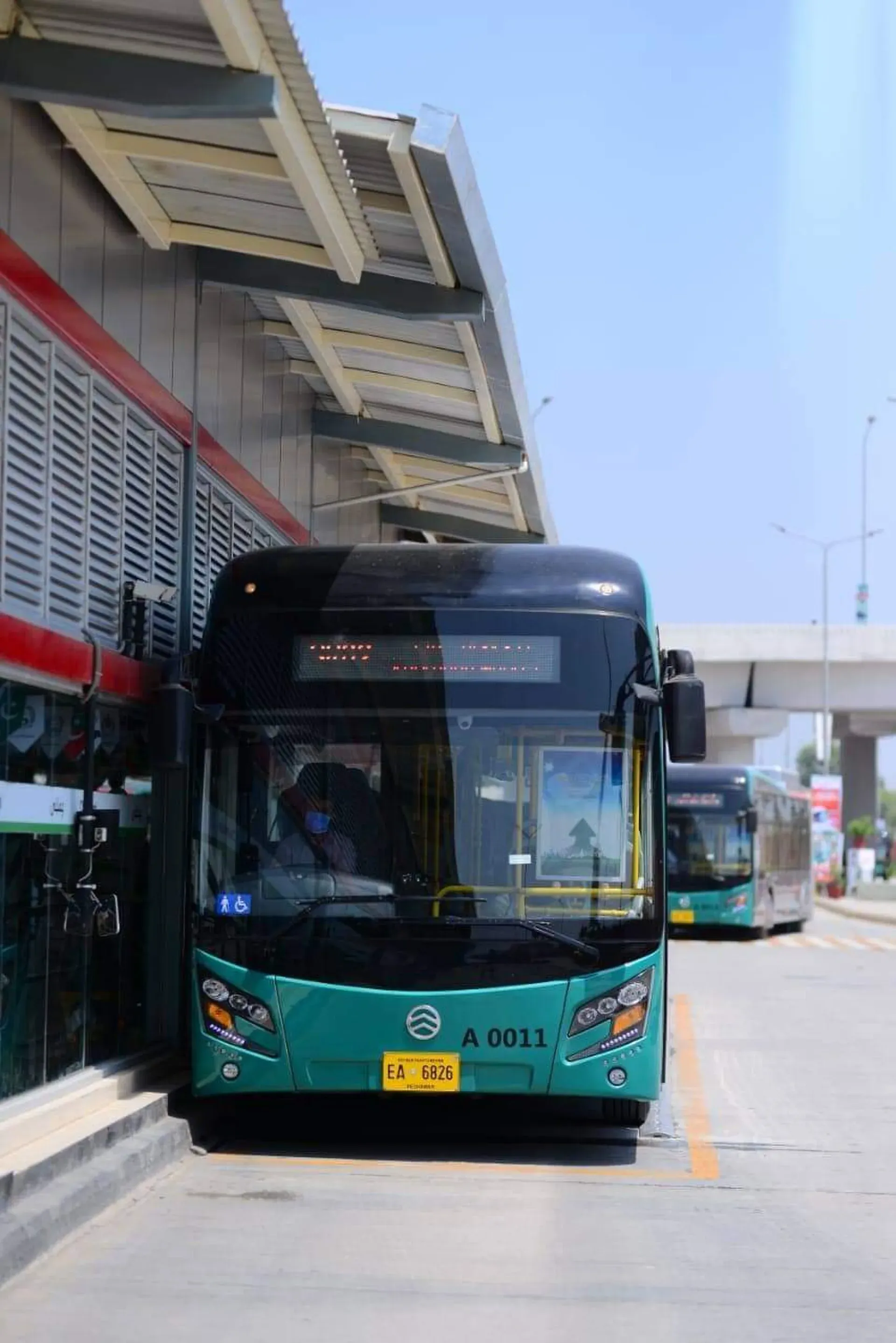

Intercity buses
Buses are the backbone of Pakistani travel. Most routes are run by private companies, and they range from air-conditioned coaches with reserved seats to crowded local vans.
- Daewoo Express and Faisal Movers: the best-known operators for comfort. Many routes run between Lahore, Islamabad, Rawalpindi, Peshawar, Karachi, Multan and Faisalabad. Seats are reserved and you can book online or at a terminal.
- NATCO (Northern Areas Transport Corporation): a government-linked operator running services toward Gilgit, Hunza and Skardu from Rawalpindi.
- Local coasters, vans and Hiace: shared minibuses that leave when full. Very cheap, often crowded, and common on mountain routes such as Besham to Chilas or Gilgit to Karimabad.
Operators, terminals and routes change, and some terminals have been moved. Check the operator's own website and call before you travel.
Booking
- For Daewoo and Faisal Movers, book online, through their apps or at the terminal. Daewoo's booking form asks for a CNIC or passport number; neither operator's site says what extra ID foreigners need, so carry your passport and call the operator if unsure.
- For NATCO and local coaches, buy at the terminal on the day. Gilgit-bound buses often leave from Rawalpindi in the evening or early morning.
- Travelling in high season (June to August) or around Eid means sell-outs. Book several days ahead.
What to expect
Express coaches usually have a hostess, a snack, and a stop at a motorway service area. Overnight coaches to Gilgit are common but long, and the Karakoram Highway can be slow in the rain. A journey time on a map app may not match real travel time on mountain roads.
Women and families
Many operators have separate rows or sections for women and families. Sit close to the front or beside another woman if you can. Daewoo and Faisal Movers are generally seen as the more comfortable option for solo women. See the travel styles page for more.
City transport
- Metro and BRT: Lahore (Metrobus, opened 2013), Rawalpindi-Islamabad (Metrobus; the Red Line opened in June 2015 and is 22.5 km, with more lines added in 2022), Multan (Metrobus, opened January 2017, reportedly at reduced service) and Peshawar (TransPeshawar BRT, opened 13 August 2020) have bus rapid transit systems. Lahore also has the Orange Line metro train (opened 25 October 2020). Karachi has a partly running Green Line; Dawn reported in May 2026 that the Red and Yellow lines were still under construction and that a short stretch of the Green Line was disputed between the federal and Sindh governments. Fares are low and payment is by token or card; check the operator's website for the current fare.
- Ride-hailing: Careem and inDrive work in the big cities, with fares shown on the app. They are usually safer and easier for visitors than street taxis. InDrive lets you offer a fare.
- Rickshaws: three-wheeled auto-rickshaws and small cars are everywhere. Agree on the fare before you get in, or use an app.
- Taxis: yellow-and-black taxis exist in some cities; use apps where possible.
- Local vans (wagons) and minibuses: cheap but crowded; best with a local guide.
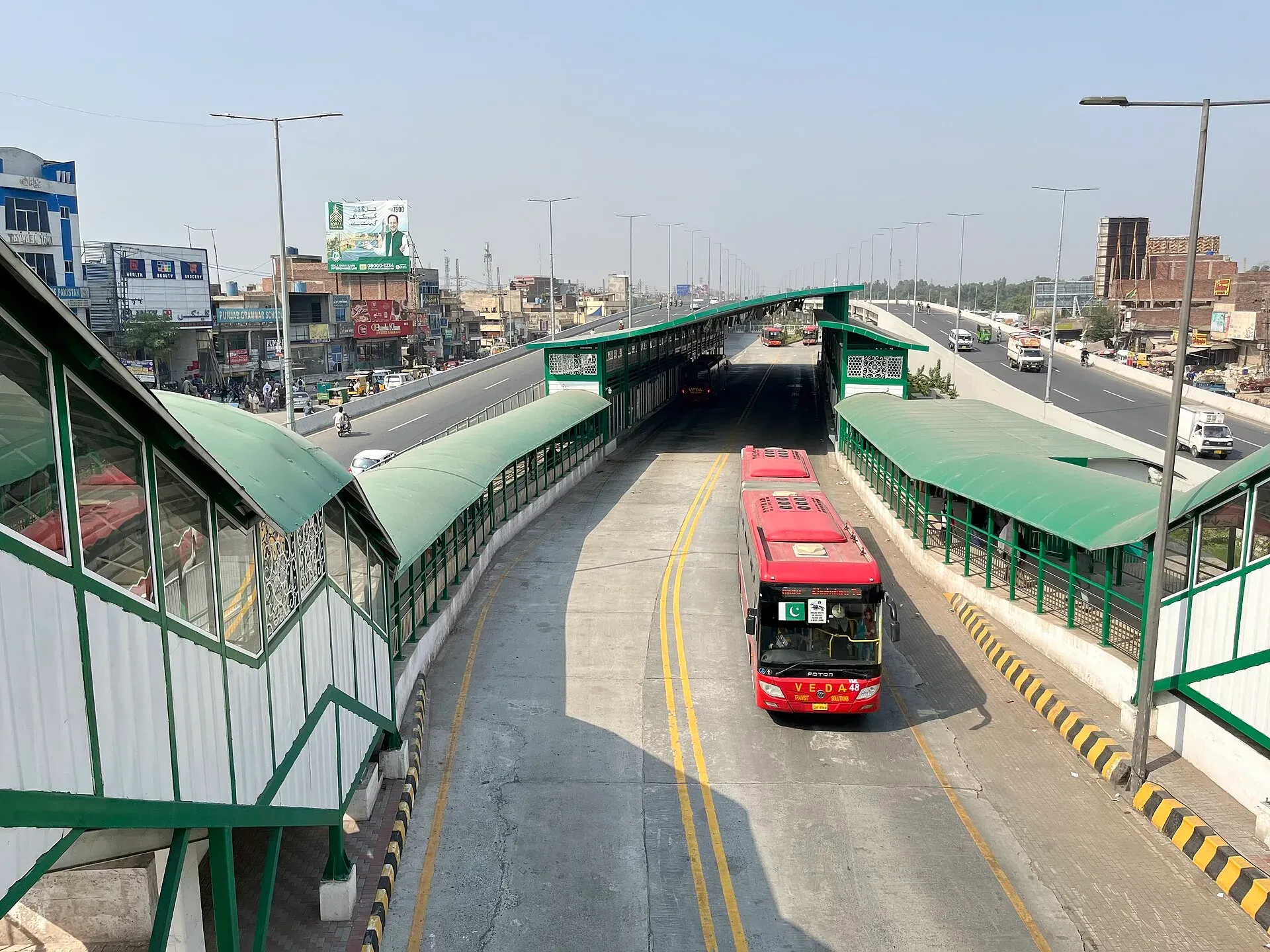
Photo: ほっきー, with thanks · Public domain (CC0) · via Wikimedia Commons · temporary stand-in photo

Fares
Prices change often with fuel costs, and we have not quoted any fixed fare. As a rough pattern, intercity coaches cost much more than local vans, and a metro ride costs far less than a rickshaw. Ask your hotel for a typical fare before you go.
Safety and etiquette
- Keep valuables in a front bag; avoid displaying phones.
- Travel by daylight on mountain roads.
- Dress modestly on public transport; see the culture and etiquette page.
- Women should use pink or women-only services where available.
- Keep small notes for fares; drivers rarely have change.
Choosing between modes
For Lahore to Islamabad, a coach or the motorway is easy. For Gilgit and Hunza, use NATCO or a private coach, or hire a car. For Peshawar or Quetta, take a coach or train. For short trips in a big city, use ride-hailing.