

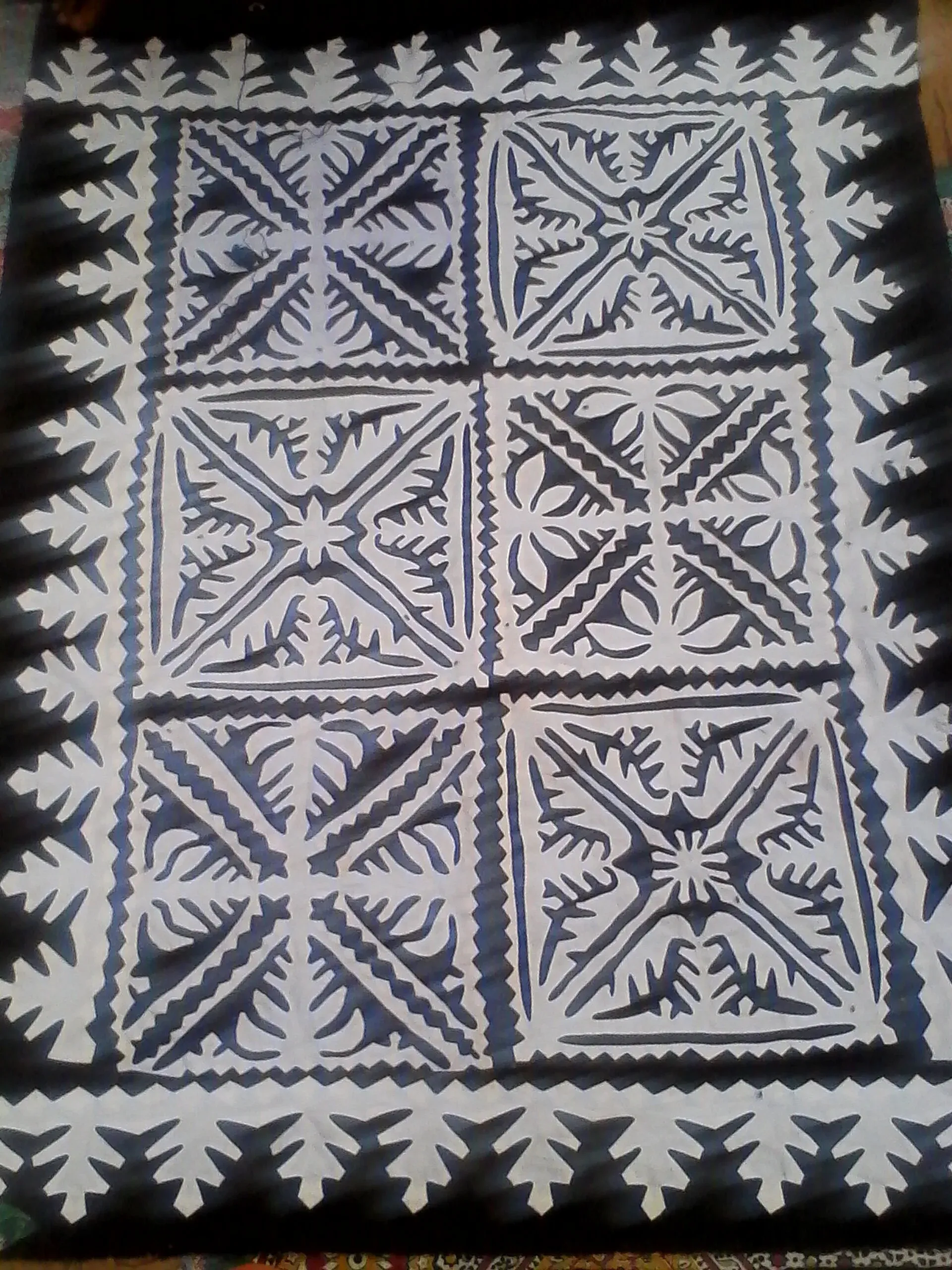
Photo: Haseeb mk, with thanks · Public domain (CC0) · via Wikimedia Commons · temporary stand-in photo

Rilli (Sindh)
Rilli (also ralli) is a handmade patchwork, appliqué or embroidered quilt from Sindh and nearby areas, traditionally made by women and often passed on within families.
What it is
A rilli, also written ralli, is a handmade quilt from Sindh and the areas around it, including south-eastern Balochistan and the Bahawalpur region of Punjab. It is used as a bed cover, a floor spread or a gift, and many families keep them for years.
Materials and technique
There are three well-known kinds: patchwork, appliqué and embroidered. Patchwork rillis are pieced from small squares and triangles of cloth. Appliqué sews shaped pieces on top of a base cloth. Embroidered ones are stitched with decorative thread. Traditionally the cloth was cotton, but synthetic fabrics have been used more since the late 1900s. Colours, patterns and types vary by region and community.
Who makes it
Rillis are handmade by women, often in remote villages. Mothers have traditionally taught patterns to their daughters. Some embroidery motifs are said to echo painted pottery from ancient Indus-region civilisations, though this is tradition and not a proven link.
Where it is made
Rilli comes from Sindh, south-eastern Balochistan and the Bahawalpur region. We have no source on which towns or markets are best for visitors, so ask a local guide or craft group.
How to recognise good work
Turn the quilt over. On good work the stitches are small, even and hold the layers flat, and the patches line up with care. Hand piecing will have small variations, which is normal. Machine-stitched work is more uniform and is a different product, so ask which you are buying. Check that the cloth is clean and the colours are not bleeding.
Buying ethically
Rilli making is often home-based and poorly paid, so how the money reaches the maker matters. Ask where the piece was made and by whom. Women's cooperatives and craft organisations can pass more of the sale to the maker. Prices depend on size, age and workmanship, so we do not quote any. Be wary of items sold as antique without proof of age.
Where to see it made
Visits are best arranged through a local guide or a women's craft group. In villages, ask permission and respect the privacy of women at work.
Care
Air it in the shade. Hand wash gently in cold water if needed, and dry flat away from direct sun. Store folded loosely in cotton, not plastic.
Safety
Ask the district administration or local police about current conditions before you go. For foreign visitors: the UK FCDO advises against all but essential travel to Sindh north of and including Nawabshah. Check the UK FCDO travel advice for Pakistan (checked 17 November 2026) before you plan a trip.
Sources and last checked
Last checked Confidence medium2 sources2 still to check
- Last checked
- Method
- Desk research from published sources
- Confidence
- medium
- Checked by
- trek.pk research team
Researched from published sources; not yet checked on the ground by our team. Spot something out of date? Report a mistake.
Sources
- Ralli quilt · Wikipedia · checked
- Pakistan travel advice · UK FCDO · checked
Still to be checked on the ground (2)
- Where visitors can see rilli being made (no source found)
- Wikipedia covers regional styles only in general terms