

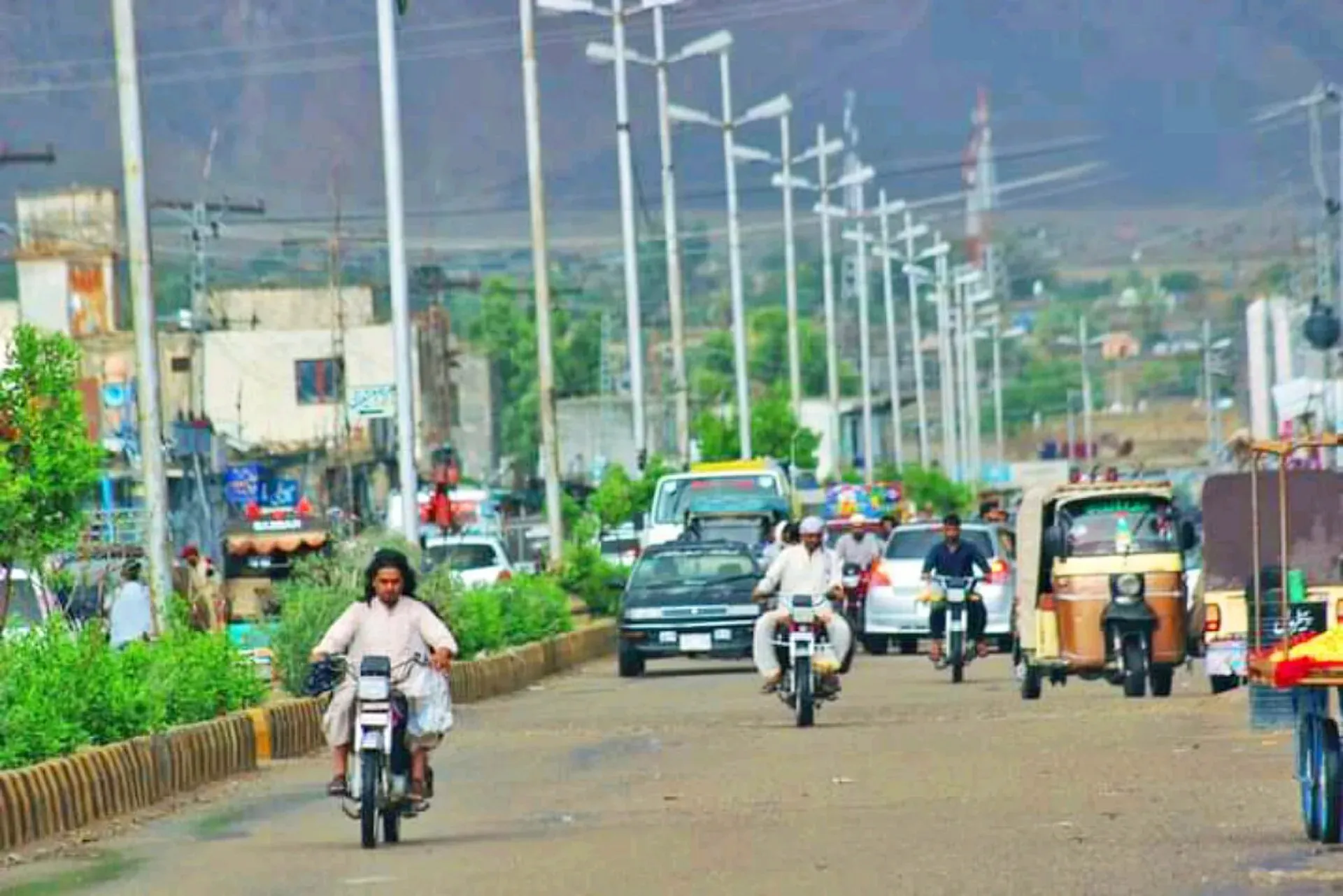
Photo: Khuzdar Balochistan, with thanks · CC BY-SA 4.0 · via Wikimedia Commons · temporary stand-in photo

Brahui People
The Brahui speak Brahui, a Dravidian language, in central Balochistan and Sindh. A neutral guide to language, places, culture and respectful visiting.
Who they are
The Brahui are the people who speak Brahui, also written Brahvi. The 2023 census counted 2,778,670 mother-tongue speakers, about 1.2 per cent of Pakistan's population. Mother-tongue shares come from the Pakistan Bureau of Statistics 2023 census table as reported on Wikipedia; they measure the language people say they speak first, not ethnic identity. Brahui communities are Muslim. Many Brahui also speak Balochi or Urdu, and some describe themselves as Baloch in everyday life. Identity is personal, so listen to how people describe themselves.
Language
Brahui is a Dravidian language, a family mostly found in southern India, and it is the only major one in the north-west. It has three dialects: Sarawani, Jhalawani and Chaghi, and it has absorbed many Balochi and Persian words. Linguists and geneticists have offered several theories about its history, and the question is unresolved, so this page does not take one side.
Where they live
Brahui speakers are concentrated in central Balochistan, in Mastung, Kalat, Khuzdar, Nushki and Lasbela, and in parts of Sindh. The old Khanate of Kalat was a Brahui-led confederacy established in the 1660s, according to Wikipedia. The Bolan Pass and the high plateaus of the Central Brahui Range lie in this country.
Culture
Wikipedia describes Brahui society as traditionally pastoral and often mobile. Written Brahui literature is relatively recent: the earliest surviving work dates from about 1759 and the current script was developed around 1900. Crafts, music and festivals are shared with neighbouring Baloch communities, and details specific to the Brahui have not been verified for this page.
Food
Meals are simple and centre on meat, bread, dairy and tea, in common with the rest of the province. Dishes such as sajji and landi are widely eaten; see the Quetta sajji and landi trail.
Visiting respectfully
- Expect a warm welcome. Hospitality is offered to guests, and refusing tea can be awkward.
- Dress modestly. Women should cover arms, legs and hair in rural areas.
- Ask before photographing people, especially women and elders.
- Do not describe someone as Baloch or Brahui for them. Use the name they use.
- Travel with local guides, as distances are great and signal is limited.
Community-based tourism
We have not confirmed a specific community-based tourism scheme for this page. Any local visits should be arranged through a licensed operator.
Travel advice
Ask the district administration or local police about current conditions before you go. For foreign visitors: the UK FCDO advises against all travel to Balochistan Province, including Quetta and Ziarat (updated 27 October 2026). Read the page before planning, and do not travel against advice.
Help us get this right
We wrote this page from published sources, and it has not yet been reviewed by members of the community it describes. If you belong to this community and something here is wrong, missing or worded in a way you would not use, please tell us through Report a mistake. We will correct it.
Sources and last checked
Last checked Confidence medium4 sources4 still to check
- Last checked
- Method
- Desk research from published sources
- Confidence
- medium
- Checked by
- trek.pk research team
Researched from published sources; not yet checked on the ground by our team. Spot something out of date? Report a mistake.
Sources
- Languages of Pakistan (mother-tongue shares, Census 2023 and 2017, citing PBS Table 11) · Wikipedia · checked
- Digital Census 2023 · Pakistan Bureau of Statistics · checked
- Brahui people · Wikipedia · checked
- Pakistan travel advice (last updated 27 October 2026) · UK FCDO · checked
Still to be checked on the ground (4)
- Review with Brahui community members (not done)
- Festivals, crafts and food details specific to the Brahui are thinly sourced; Wikipedia gives none
- Origins are debated (Wikipedia gives two main hypotheses and says genetic evidence is mixed); the page takes no side
- Review by members of the community (owner decision 17 Nov 2026: team to arrange reviewers)