

Photo: Ktownboy103, with thanks · Public domain (CC0) · via Wikimedia Commons · temporary stand-in photo
People and Population
Pakistan has about 247.5 million people, from Punjabi and Sindhi plains to Pashtun, Baloch and mountain communities. Who lives where, and the biggest cities.
Key facts
- About 247.5 million people (2023 census)
- Punjab is home to over half the population
- Karachi and Lahore are the two largest cities
- More than 70 languages and many communities
- A young country: most people are under 30
Overview
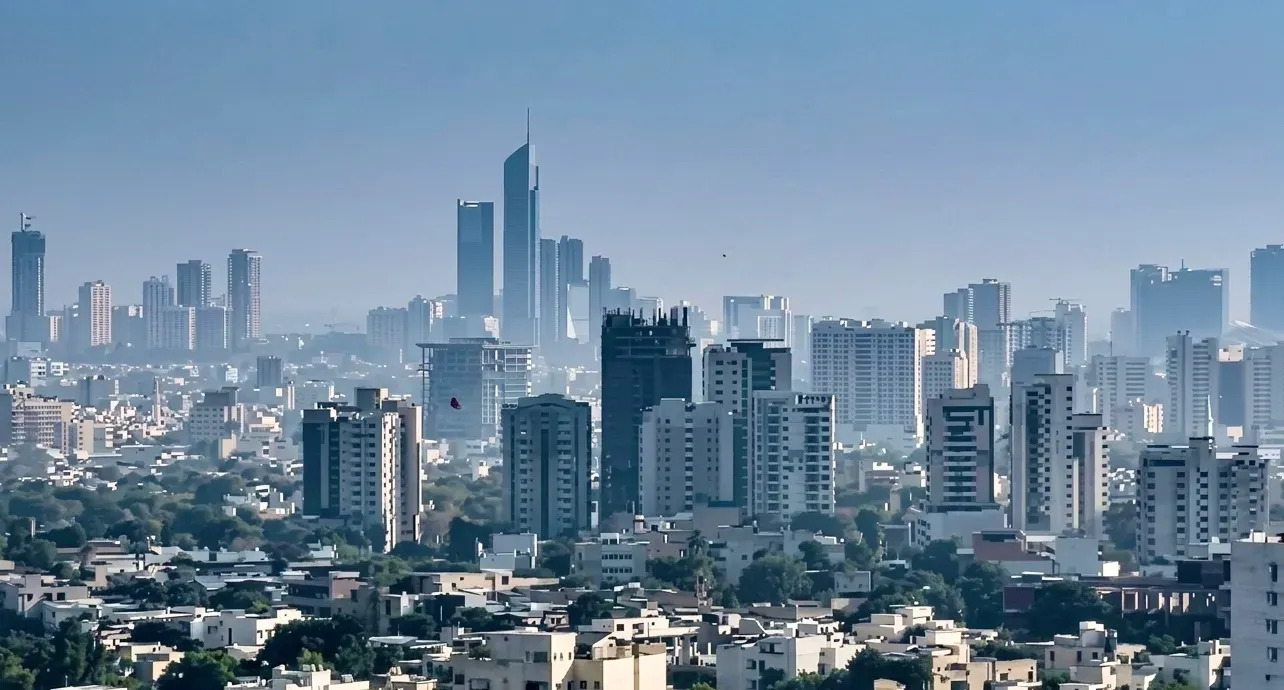
Pakistan is home to about 247.5 million people, according to the 2023 census, which includes Gilgit-Baltistan and Azad Jammu and Kashmir. That makes it the fifth most populous country in the world. Most people live along the Indus and its tributaries. The high mountains and deserts are thinly populated.
Population by province
Approximate 2023 census figures:
- Punjab: about 127.7 million, more than half of all Pakistanis.
- Sindh: about 55.7 million.
- Khyber Pakhtunkhwa: about 40.9 million.
- Balochistan: about 14.9 million. It is the largest province by area and the least densely populated.
- Islamabad Capital Territory: about 2.4 million.
Gilgit-Baltistan and Azad Jammu and Kashmir are administered separately and are not part of the provincial totals above (the provincial figures add up to about 241.5 million). Both are mountain regions with smaller populations. About 39 per cent of Pakistanis (38.8 per cent in 2023) live in towns and cities, and the share is growing.
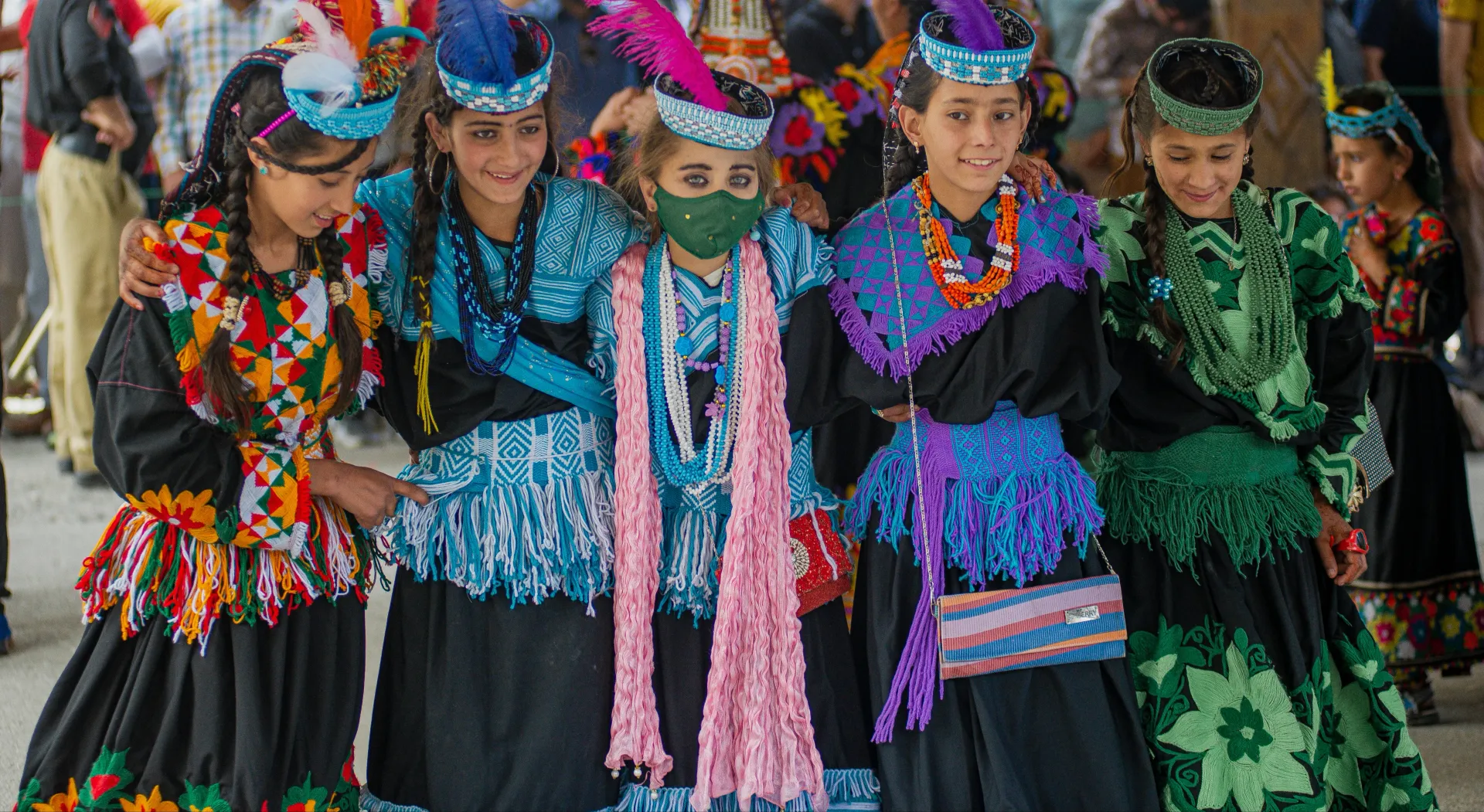
Photo: Sutyarashi, with thanks · CC BY-SA 4.0 · via Wikimedia Commons · temporary stand-in photo
Largest cities
Approximate city populations from the 2023 census:
- Karachi, Sindh: about 18.9 million. The port, the biggest business centre and a city of many communities.
- Lahore, Punjab: about 13.0 million. The cultural capital.
- Faisalabad, Punjab: about 3.7 million. A textile centre.
- Rawalpindi, Punjab: about 3.4 million. The twin of Islamabad.
- Gujranwala, Punjab: about 2.5 million.
- Multan, Punjab: about 2.2 million, known as the city of saints.
- Hyderabad, Sindh: about 1.9 million.
- Peshawar, Khyber Pakhtunkhwa: about 1.9 million (city limits).
- Quetta, Balochistan: about 1.6 million.
- Islamabad: about 1.1 million in the city proper; about 2.4 million in the whole Capital Territory.
City figures depend on where boundaries are drawn, and the Karachi count has been questioned locally.
See the guides to Karachi, Lahore, Islamabad, Peshawar, Multan and Quetta.
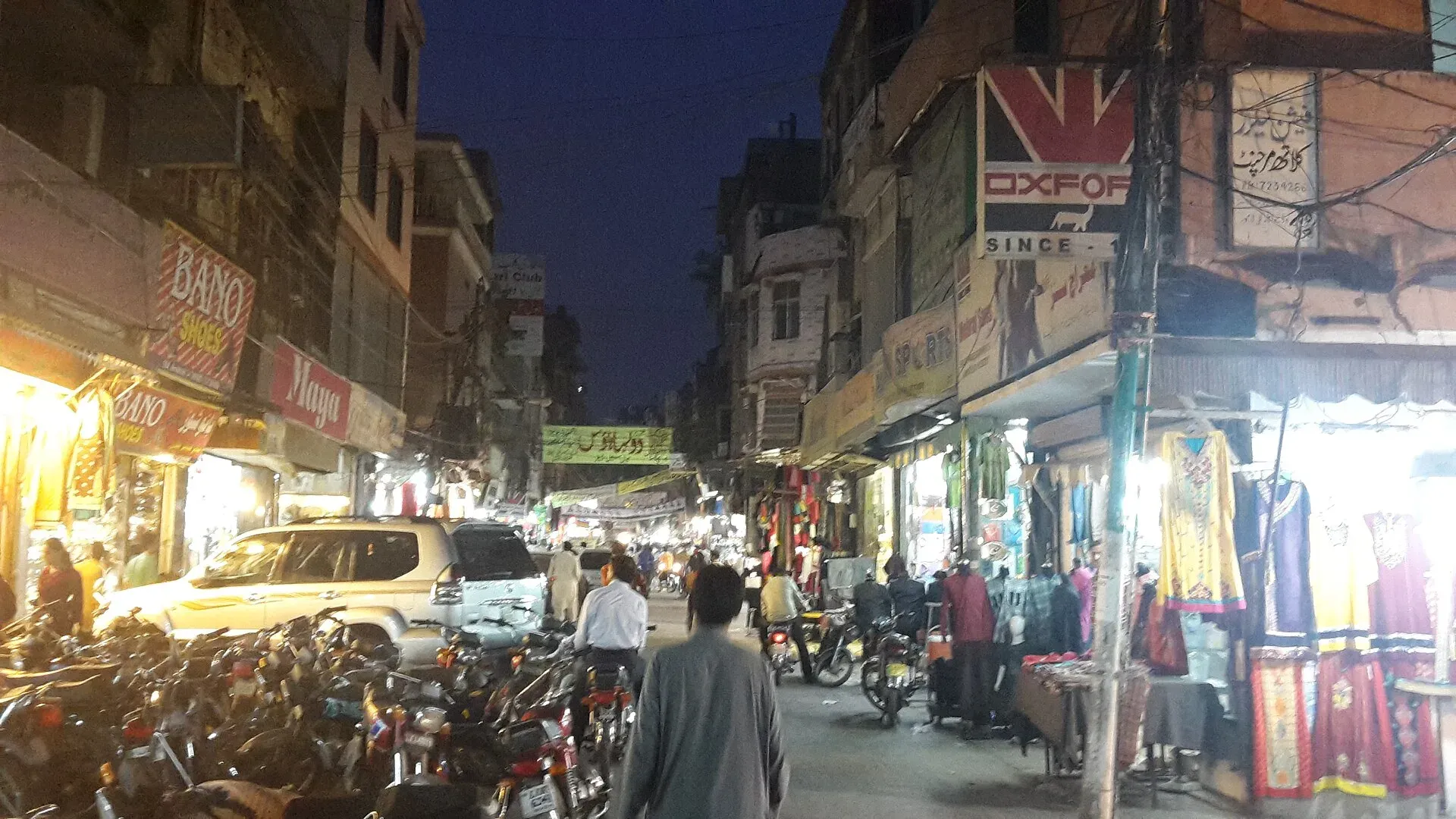
Photo: Ali lahoti, with thanks · CC BY-SA 4.0 · via Wikimedia Commons · temporary stand-in photo
Communities by region
Pakistan's communities overlap and mix, especially in cities. This is only a brief map. Each community has its own long history, and many people belong to more than one group.
Punjab. Punjabi-speakers are the largest group in the country. In the south and west of the province, Saraiki-speakers form a large community with their own culture and language. Potohari and Hindko speakers live in the north of the province and in parts of Khyber Pakhtunkhwa.
Sindh. Sindhi people have lived on the lower Indus for thousands of years. Karachi and Hyderabad are also home to Urdu-speaking communities, many of whose families came from India at independence in 1947 and are known as Muhajirs, as well as Punjabis, Pashtuns, Baloch and many others. Sindh also has Hindu communities, notably in Tharparkar and Umerkot.
Khyber Pakhtunkhwa. The Pashtuns form the main community, with a strong tradition of hospitality known as Pakhtunwali. Hindko-speakers live around Peshawar, Abbottabad and Haripur. In the north, Kohistani, Gujar and Khowar-speaking communities live in the valleys of Swat, Kohistan, Dir and Chitral. The Kalash, a small community in three valleys of Chitral District (Bumburet, Rumbur and Birir), follow their own ancient religion. The 2023 census counted 7,466 Kalasha mother-tongue speakers, according to Wikipedia.
Balochistan. The Baloch and Brahui communities live across the province, and Pashtuns form the majority in the north around Quetta and Zhob. Hazara people, many of whom live in Quetta, are another long-established community.
Gilgit-Baltistan. The region is among the most diverse in the world, relative to its size. Shina-speakers live in Gilgit, Diamer and Astore. Balti-speakers live in Baltistan, around Skardu. The Burusho of Hunza and Nagar speak Burushaski, a language with no known relatives. Wakhi people live in upper Hunza (Gojal), and Khowar-speakers live in Ghizer.
Azad Jammu and Kashmir. Most people speak Pahari, Gojri and Kashmiri, along with Urdu and Punjabi.
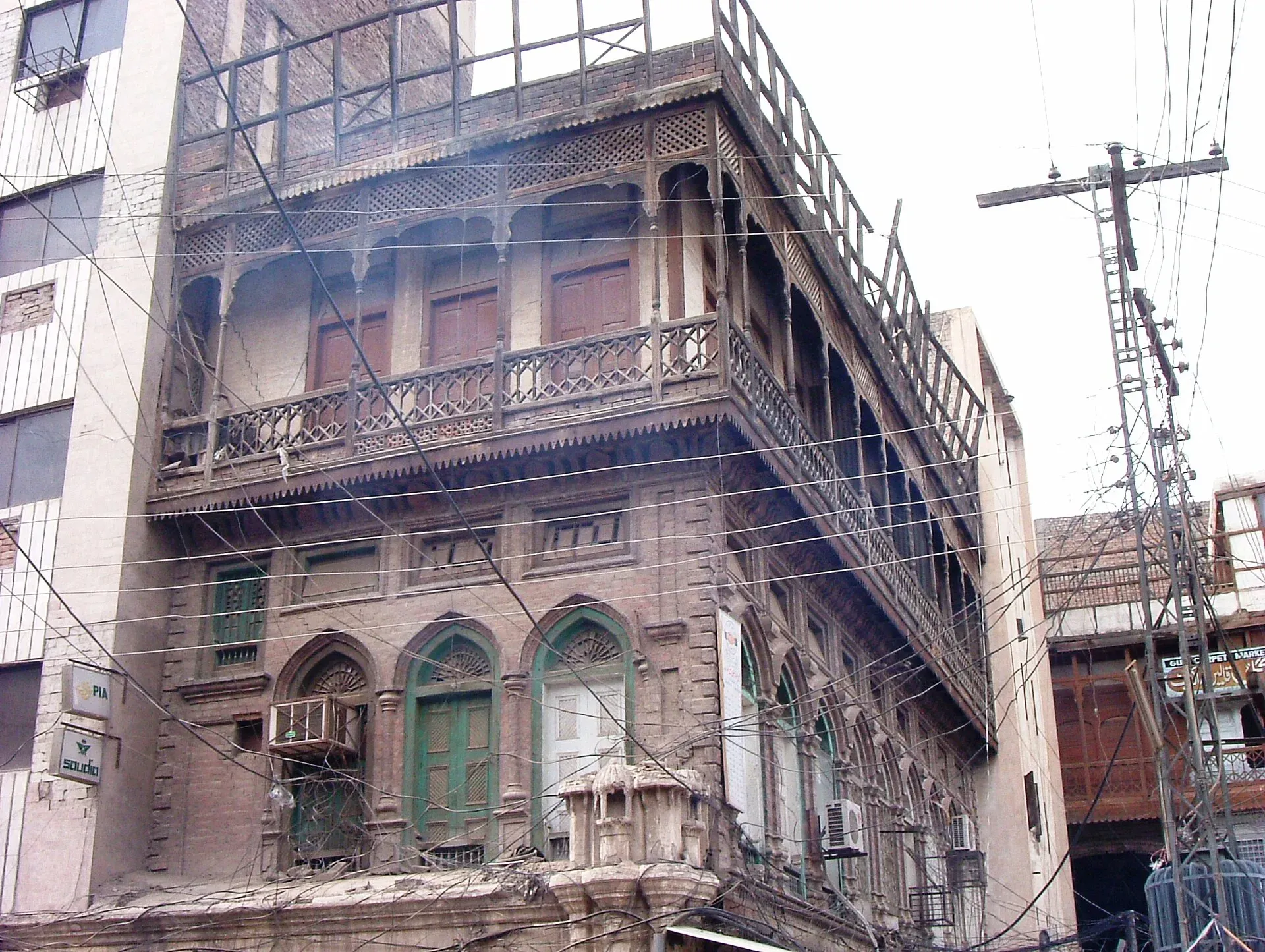
Photo: franek2, with thanks · CC BY-SA 3.0 · via Wikimedia Commons · temporary stand-in photo
Families and daily life
Family is at the centre of life. Extended families often live together or close by. Respect for elders is deeply valued, and guests are treated with great care. Cities are changing fast, with growing numbers of young professionals, students and entrepreneurs, and rapid growth in mobile phone and internet use.
Minorities
Pakistan's religious minorities include Hindus, Christians, Sikhs, Parsis, Kalasha and Buddhists, and Muslim communities of different traditions. See Religion and Sacred Sites. Visitors are welcome at most heritage sites and festivals; always ask first and follow local guidance.
Good to know
- You will meet different communities within a day's travel. A polite greeting and a smile go a long way.
- Do not assume someone's language, region or background from their appearance.
- Population figures change with each census and by source; treat the numbers on this page as approximate.
People and Population: explore
Baloch People
The Baloch speak Balochi and live across Balochistan, Sindh and southern Punjab. A neutral guide to language, hospitality, embroidery, food and courteous visiting.
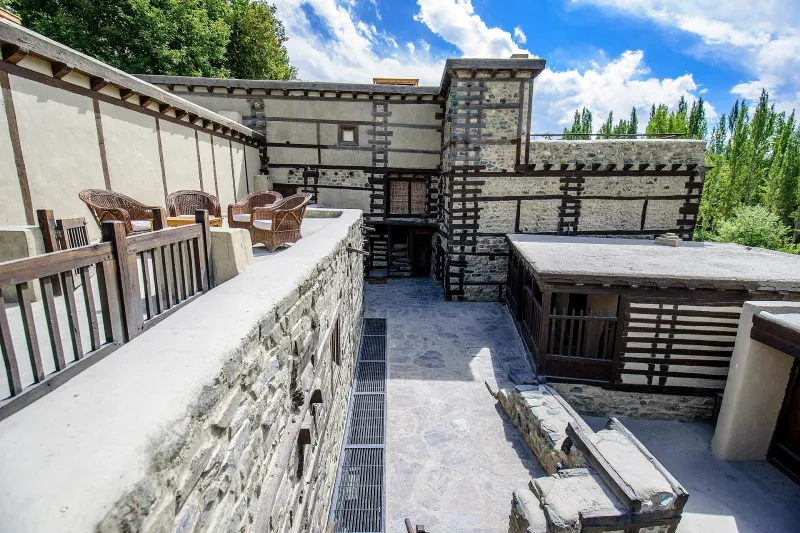
Balti People
The Balti live in Baltistan, around Skardu, Shigar and Khaplu, and speak Balti, a Tibetic language. Faith, culture, architecture, food and visitor etiquette.
Brahui People
The Brahui speak Brahui, a Dravidian language, in central Balochistan and Sindh. A neutral guide to language, places, culture and respectful visiting.
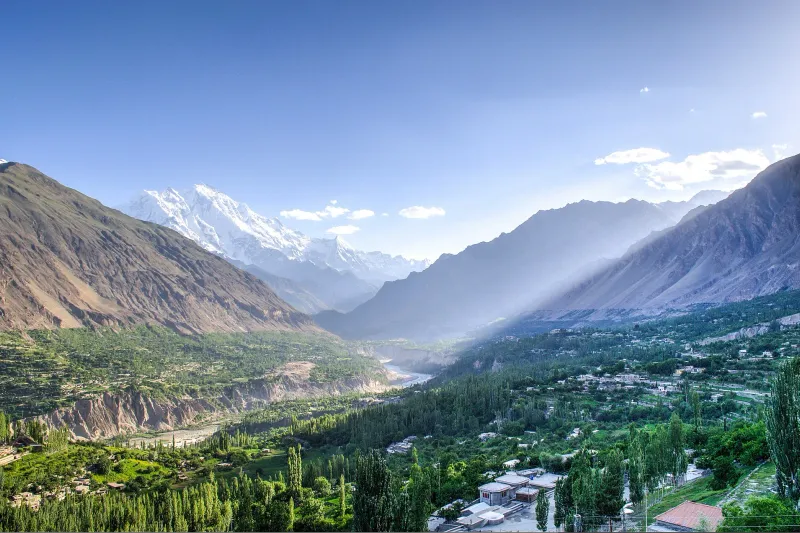
Burusho People
The Burusho speak Burushaski, a language with no known relatives, in Hunza, Nagar and Yasin. Faith, festivals such as Ginani, food, forts, and respectful visiting, plus a note on the Hunza longevity myth.
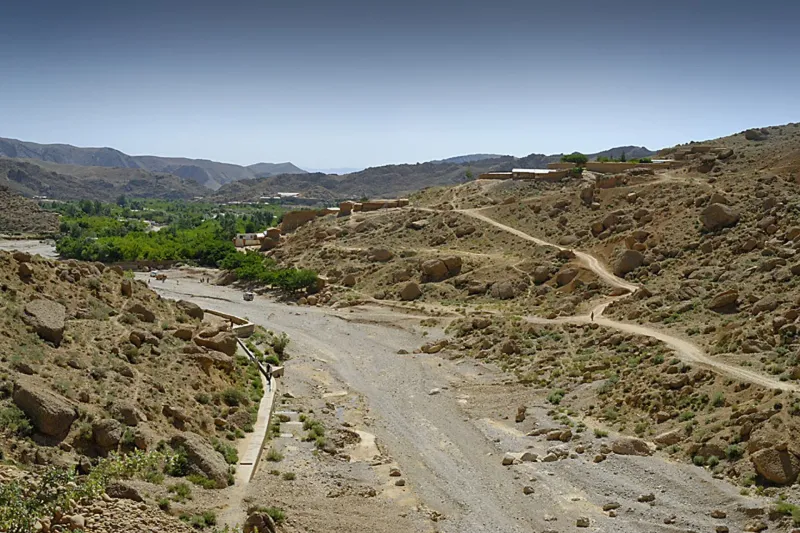
Hazara People
Hazara people in Pakistan live mainly in Quetta and speak Hazaragi. Language, culture, sports, and respectful, neutral guidance, with an honest note on security.
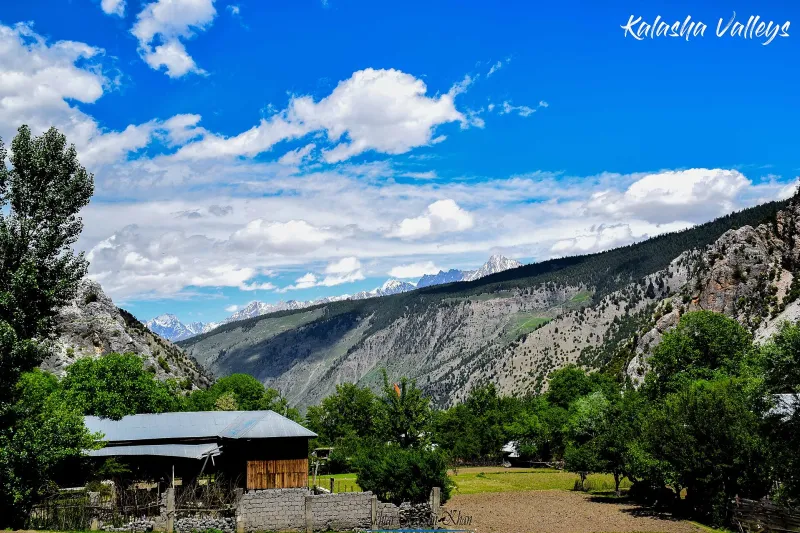
Kalasha People
The Kalasha live in Bumburet, Rumbur and Birir in Chitral and speak Kalasha-mun. Their festivals, way of life, how visitors should behave, and current travel advice.
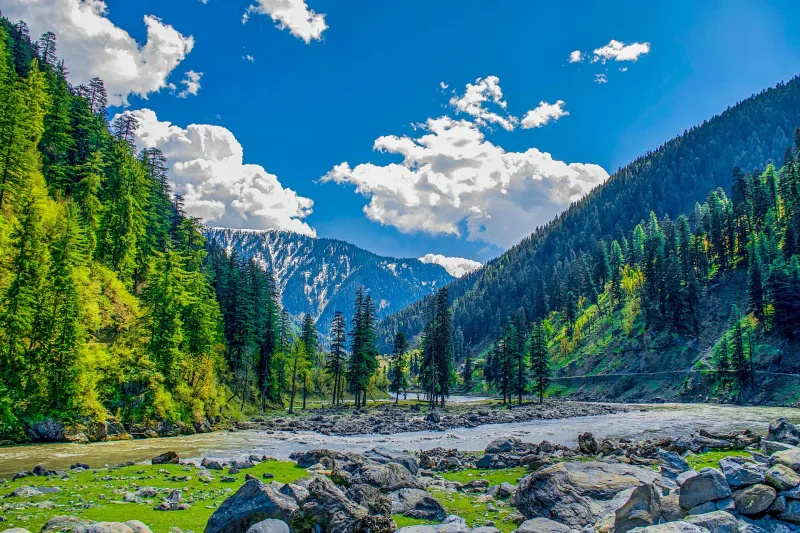
Kashmiri People
Kashmiri speakers live in Muzaffarabad and the Neelum valley and in cities across Pakistan. Language, shawls, wazwan and noon chai, and respectful visiting, with neutral wording.
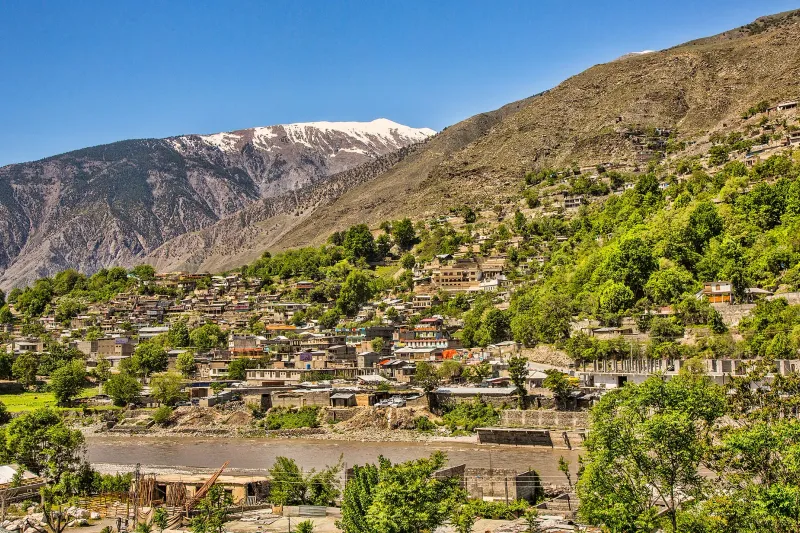
Kho People
The Kho, or Chitralis, speak Khowar in Chitral and Ghizer. Language, faith, polo, festivals, craft and food, and respectful visiting with current travel advice.
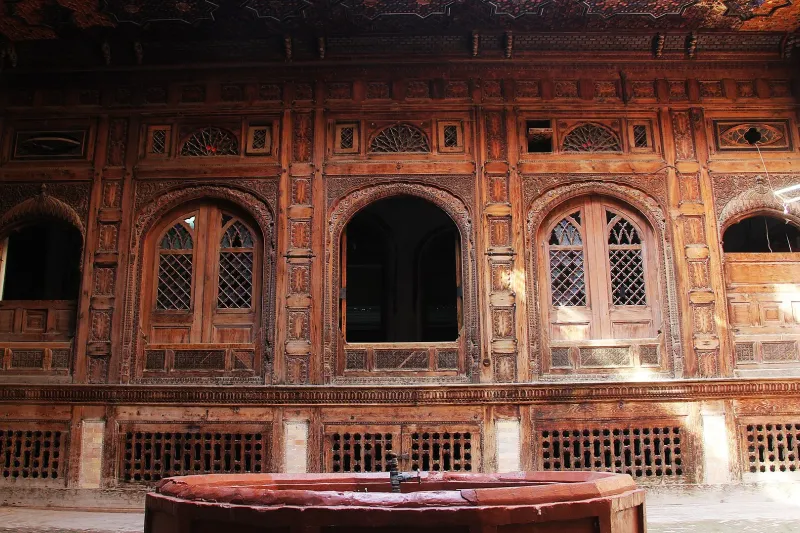
Pashtun People
Pashtuns are Pakistan's second-largest mother-tongue community, with Pashto spoken across Khyber Pakhtunkhwa and northern Balochistan. Language, hospitality customs, food, crafts and visitor etiquette.
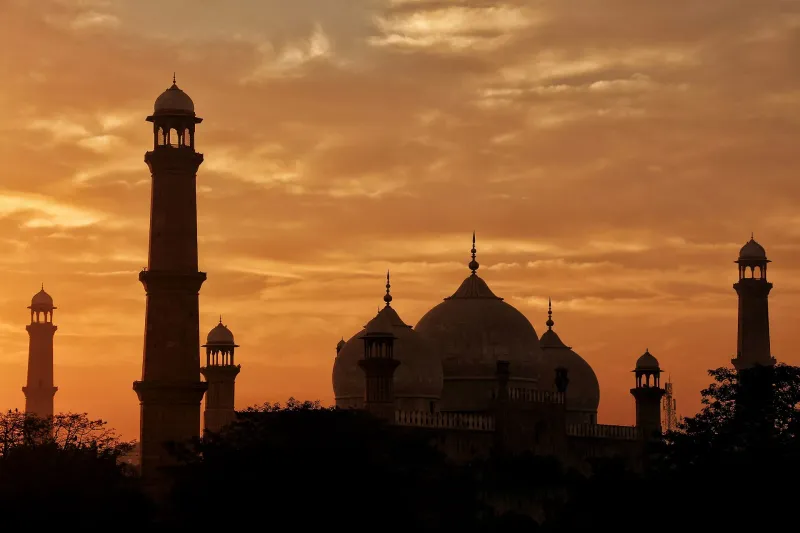
Punjabi People
Punjabi speakers are the largest language community in Pakistan, centred on the plains of Punjab. A guide to language, festivals, food, crafts and courteous conduct for visitors.
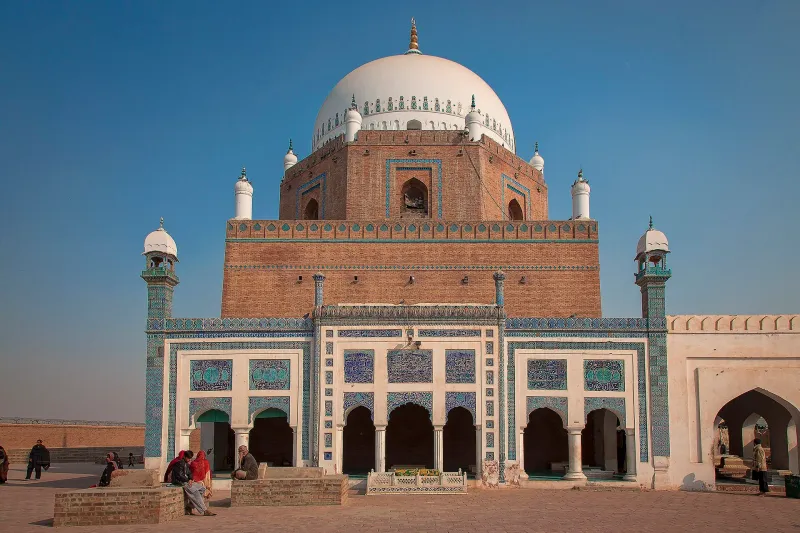
Saraiki People
Saraiki speakers live in southern Punjab, parts of Khyber Pakhtunkhwa and northern Sindh. Language, Sufi shrines, crafts, food and respectful visiting, with neutral wording on identity.
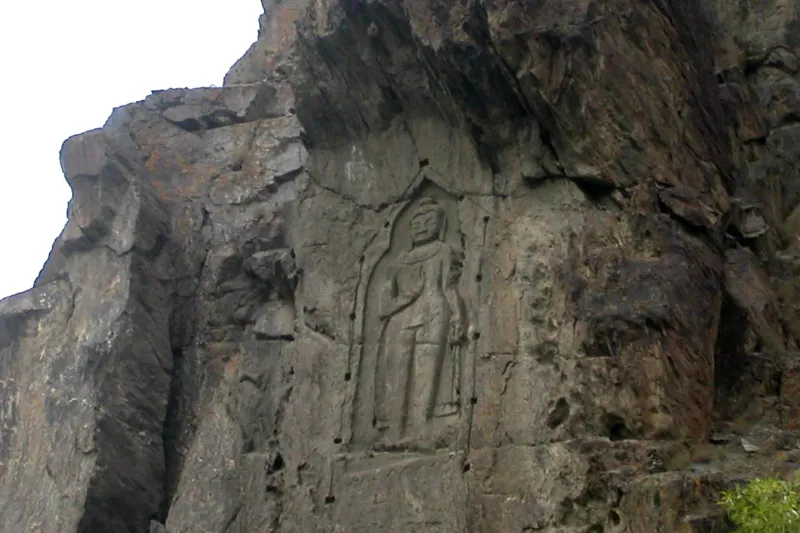
Shina-speaking People
Shina speakers live around Gilgit, Astore, Chilas and in Ghizer and Indus Kohistan. Language, communities, festivals, rock art heritage and respectful visiting.
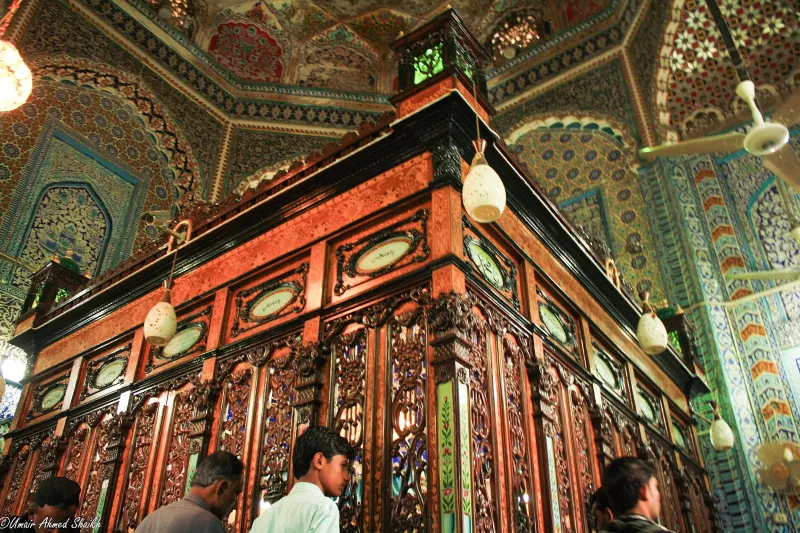
Sindhi People
Sindhi speakers live along the lower Indus in Sindh. Language, Sufi shrines, ajrak and topi, Sindhi Cultural Day, Hindu and Muslim communities, food and visitor etiquette.
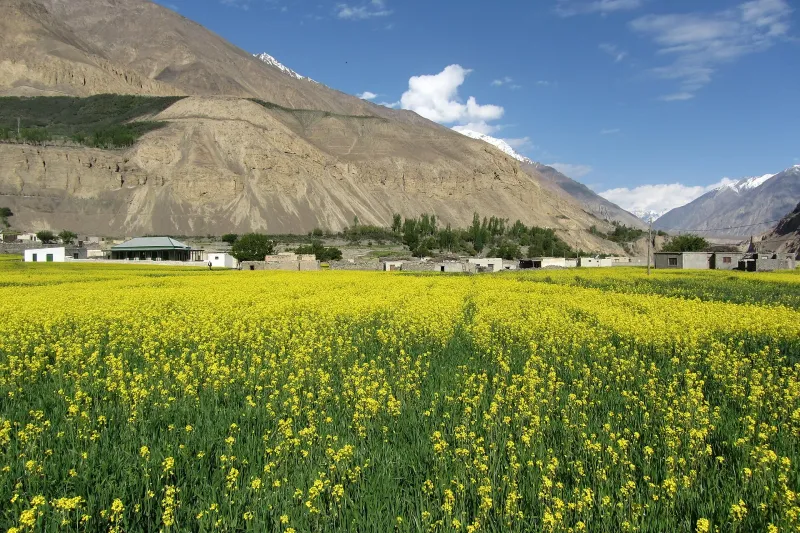
Wakhi People
The Wakhi, who call themselves Khik, live in Gojal in upper Hunza, in Ishkoman and Yasin and in Broghil. Language, faith, herding life, Shimshal and respectful visiting.


Sources and last checked
Last checked Confidence high6 sources2 still to check
- Last checked
- Method
- Desk research from published sources
- Confidence
- high
- Checked by
- trek.pk research team
Researched from published sources; not yet checked on the ground by our team. Spot something out of date? Report a mistake.
Sources
- 2023 Pakistani census (provincial, urban and total population) · Wikipedia (citing Pakistan Bureau of Statistics) · checked
- List of cities in Pakistan by population (2023 census) · Wikipedia (citing Pakistan Bureau of Statistics) · checked
- Languages of Pakistan (2017 and 2023 census mother-tongue table) · Wikipedia · checked
- Pakistan Tourism Guide 2021 · TDAP · checked
- Pakistan · Wikipedia · checked
- Kalash people · Wikipedia · checked
Still to be checked on the ground (2)
- Karachi and other city counts: Wikipedia's table gives city-limit figures (Karachi 18,868,021) and does not discuss any dispute; the local dispute over Karachi's count was not sourced
- Community descriptions: ideally review with people from each community


