

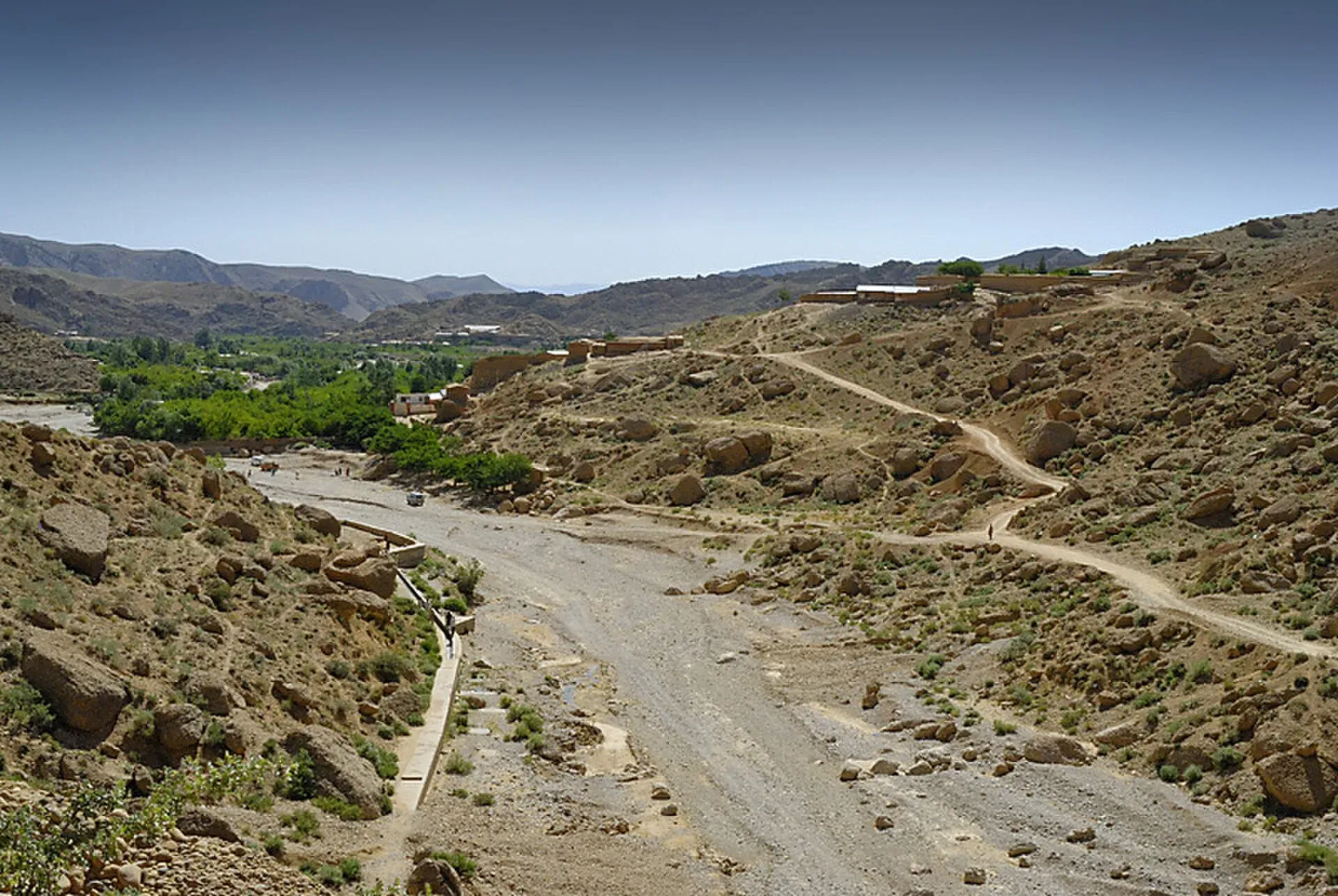
Photo: Zakirchum, with thanks · CC BY 3.0 · via Wikimedia Commons · temporary stand-in photo

Hazara People
Hazara people in Pakistan live mainly in Quetta and speak Hazaragi. Language, culture, sports, and respectful, neutral guidance, with an honest note on security.
Who they are
Hazara people call themselves Hazara, or Azra in their own language, according to Wikipedia. In Pakistan they live mainly in Quetta. Pakistan officially recognised Hazaras as an ethnic group in 1962. The census does not publish Hazara numbers by ethnicity, and published estimates vary widely (Wikipedia's headline figure gives roughly 0.4 to 1 million), so we give no single figure. The Hazara are predominantly Muslim, mostly Shia, with a significant Sunni minority.
Language
Hazaras speak Hazaragi, a variety of Persian also described as a dialect of Dari. Urdu is also widely spoken. Hazaragi is not counted separately in the main census table, so there is no mother-tongue share for it.
Where they live
Most Pakistani Hazaras are from Balochistan. Prominent Hazara localities in Quetta include Hazara Town and Mariabad. Quetta sits in a high valley, with Hazarganji-Chiltan National Park and the Hanna Urak valley nearby.
Culture
Hazara music includes the dambura, a long-necked lute also found in Central Asia, and the ghaychak, a fiddle-like instrument. Traditional men's clothes include the barak and the perahan o tunban, and women's chadors are often decorated with silver or gold ornaments. Hazara cooking is influenced by Central Asian, South Asian and Persian traditions. Specific dishes are not covered on this page yet. Hazaras take part in many sports; Pakistani Hazara athletes include boxers and karate champions, and young footballers from Quetta have been emerging, according to Wikipedia. Traditional sports include archery (tirandazi) and wrestling (pahlawani).
Religious observance
Most Hazaras are Shia, so Muharram and Ashura are central to the calendar; see Muharram and Ashura. Processions and gatherings are solemn, and visitors should stay a respectful distance unless invited. Eid and Nowruz are also observed by many Hazara families, though we have not confirmed local details.
Visiting respectfully
- Many Hazara families are warm hosts. Accept tea and food politely.
- Dress modestly and cover your hair if you are a woman visiting a home or an imambargah.
- Ask before photographing people and religious buildings.
- Do not ask personal questions about security incidents. Let people raise them if they wish.
- If your host suggests changing plans for safety, follow the advice.
Community-based tourism
There is no known confirmed community-based tourism scheme for the Hazara community. Do not expect organised cultural visits. Respect the privacy of neighbourhoods.
Safety and travel advice
Hazara communities in Quetta have been affected by serious violence over the past decades, and access to some neighbourhoods is restricted for security reasons. This is a matter of safety, not a reason for disrespect or suspicion towards the community. Ask the district administration or local police about current conditions before you go. For foreign visitors: the UK FCDO advises against all travel to Balochistan Province, including Quetta (updated 27 October 2026). Read the page, and do not travel against advice.
Help us get this right
We wrote this page from published sources, and it has not yet been reviewed by members of the community it describes. If you belong to this community and something here is wrong, missing or worded in a way you would not use, please tell us through Report a mistake. We will correct it.
Sources and last checked
Last checked Confidence medium4 sources5 still to check
- Last checked
- Method
- Desk research from published sources
- Confidence
- medium
- Checked by
- trek.pk research team
Researched from published sources; not yet checked on the ground by our team. Spot something out of date? Report a mistake.
Sources
- Digital Census 2023 · Pakistan Bureau of Statistics · checked
- Hazara people · Wikipedia · checked
- Pakistan travel advice (last updated 27 October 2026) · UK FCDO · checked
- Pakistan travel advice · UK FCDO · checked
Still to be checked on the ground (5)
- Review with Hazara community members before publishing
- No census population by ethnicity; Wikipedia's range of about 0.4-1 million has no named sources
- Specific foods and festivals not confirmed (Wikipedia's Pakistan section has none)
- Security wording must be reviewed for sensitivity
- Review by members of the community (owner decision 17 Nov 2026: team to arrange reviewers)