

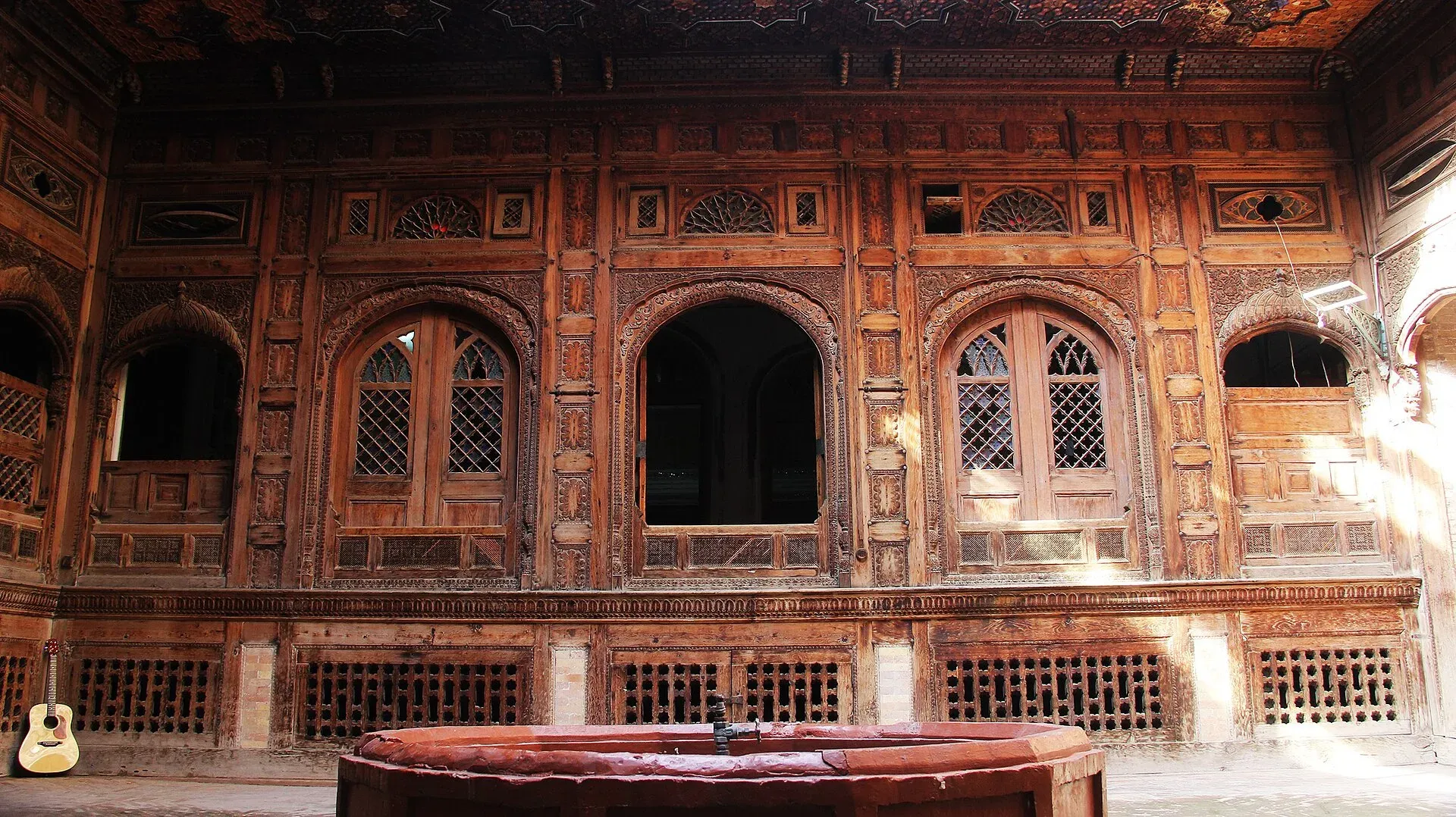
Photo: Ibrahim Zauq, with thanks · CC BY-SA 4.0 · via Wikimedia Commons · temporary stand-in photo

Pashtun People
Pashtuns are Pakistan's second-largest mother-tongue community, with Pashto spoken across Khyber Pakhtunkhwa and northern Balochistan. Language, hospitality customs, food, crafts and visitor etiquette.
Who they are
Pashtuns, also called Pakhtuns or Pukhtuns depending on the dialect, are the people who speak Pashto. In the 2023 census about 18 per cent of people in Pakistan gave Pashto as their mother tongue, the second-largest share after Punjabi. Mother-tongue shares come from the Pakistan Bureau of Statistics 2023 census table as reported on Wikipedia; they measure the language people say they speak first, not ethnic identity. Pashtuns are overwhelmingly Muslim. Traditionally they trace belonging through tribe and clan, which is why you will hear names such as Yusufzai, Afridi or Khattak. Pashtun communities also live in Afghanistan, and in Pakistani cities such as Karachi.
Language
Pashto is an Eastern Iranian language with two main dialect groups, often called Pakhto (harder) in the north and Pashto in the south. Hindko, Urdu and Khowar are spoken beside it in the same provinces, and many people speak two or three languages.
Where they live
Pashtun-majority areas include Peshawar, Mardan, Kohat, Bannu and Dera Ismail Khan in Khyber Pakhtunkhwa, and Quetta, Pishin and Zhob in Balochistan, with large urban communities in Karachi. Peshawar's old city is a long-standing trading centre; see the Peshawar Walled City and the Bala Hisar Fort.
Culture and traditions
Pashtunwali is the customary code that many Pashtuns use to describe how a person should live. Its best-known idea for visitors is melmastia, hospitality to guests regardless of background, offered without expectation of repayment. Disputes were traditionally settled by a jirga, an assembly of elders. Attan is a group dance performed at weddings and celebrations. Poetry, folk songs and the rubab also matter. Nowruz at the spring equinox is celebrated in parts of the region, and Eid is observed everywhere.
Crafts and food
Peshawari chappal, the sturdy leather sandal, comes from Peshawar. Swati embroidery is made in the Swat valley. Typical food includes chapli kebab, Peshawari namkeen gosht, kabuli pulao and Quetta sajji, with green tea and bread. Meat dishes are often cooked simply with salt.
Visiting respectfully
- Greet people politely and accept tea. A guest who refuses everything may offend a host.
- Dress modestly. Men and women should cover shoulders and legs. Women should carry a dupatta for mosques.
- Do not photograph women or families without clear permission. Ask men first.
- Avoid discussing tribal conflict, politics or borders with people you do not know well.
- Stand when elders arrive and use the right hand for greeting and eating.
Community-based tourism
We have not confirmed a specific Pashtun community-based tourism scheme for this page. Heritage walks in Peshawar's old city are available through local operators. Use licensed guides and check current conditions.
Travel advice
Ask the district administration or local police about current conditions before you go. For foreign visitors: the UK FCDO (updated 27 October 2026) advises against all travel to Peshawar, including the city, Swat, Buner, Kohat, Khyber, Charsadda and Upper and Lower Dir, and against all travel to Balochistan including Quetta. It advises against all but essential travel to Malakand, Mardan, Nowshera, Shangla and Swabi. KP emergency measures and Governor's Rule have applied since 11 October 2026. Read the full page before planning.
Help us get this right
We wrote this page from published sources, and it has not yet been reviewed by members of the community it describes. If you belong to this community and something here is wrong, missing or worded in a way you would not use, please tell us through Report a mistake. We will correct it.
Sources and last checked
Last checked Confidence medium8 sources3 still to check
- Last checked
- Method
- Desk research from published sources
- Confidence
- medium
- Checked by
- trek.pk research team
Researched from published sources; not yet checked on the ground by our team. Spot something out of date? Report a mistake.
Sources
- Languages of Pakistan (mother-tongue shares, Census 2023 and 2017, citing PBS Table 11) · Wikipedia · checked
- Digital Census 2023 · Pakistan Bureau of Statistics · checked
- Pashtuns · Wikipedia · checked
- Pashtunwali · Wikipedia · checked
- Pakistan travel advice (last updated 27 October 2026) · UK FCDO · checked
- Attan · Wikipedia · checked
- Pashto · Wikipedia · checked
- Nowruz · Wikipedia · checked
Still to be checked on the ground (3)
- Review with Pashtun community members (not done)
- Pashtun population by ethnicity: the census records mother tongue, not ethnicity; Wikipedia's 43.8 million (2024) figure is an estimate and is not used on the page
- Review by members of the community (owner decision 17 Nov 2026: team to arrange reviewers)