

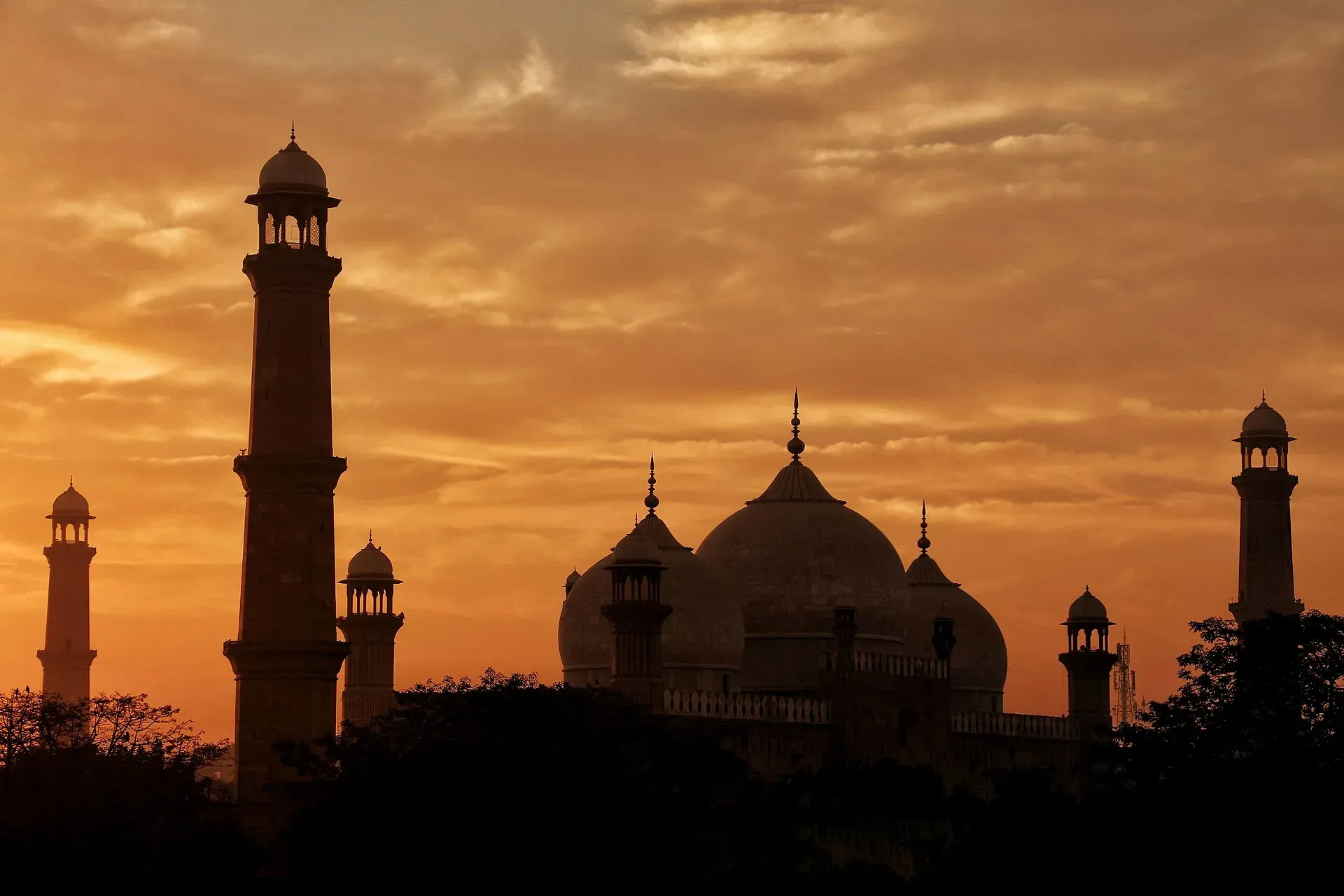
Photo: Fassifarooq, with thanks · CC BY-SA 4.0 · via Wikimedia Commons · temporary stand-in photo

Punjabi People
Punjabi speakers are the largest language community in Pakistan, centred on the plains of Punjab. A guide to language, festivals, food, crafts and courteous conduct for visitors.
Who they are
Punjabi is the name for people whose first language is Punjabi, from the Persian for "five waters", the rivers that cross the region. In the 2023 census, about 37 per cent of people in Pakistan gave Punjabi as their mother tongue, the largest share of any language. Mother-tongue shares come from the Pakistan Bureau of Statistics 2023 census table as reported on Wikipedia; they measure the language people say they speak first, not ethnic identity. Pakistani Punjabis are overwhelmingly Muslim, and the community also includes Christians and other minorities. Many Sikh pilgrims also visit their holy places in Punjab each year.
Language
Punjabi is written in the Shahmukhi script in Pakistan. Urdu is the main language of schools and government in Punjab, and most people also understand it. Related varieties such as Pothohari are spoken around Rawalpindi and the Pothohar plateau. Saraiki speakers in the south are counted separately in the census; see the Saraiki page.
Where they live
The heartland is the province of Punjab, from Lahore and Gujranwala to Faisalabad, Sargodha and Rawalpindi. Punjabi speakers also live in Islamabad, Karachi and in cities across the country. Lahore is the cultural capital, with the Walled City of Lahore, Lahore Fort and the Badshahi Mosque.
Culture and festivals
Religious and Sufi traditions shape much of Punjabi public life. Urs celebrations mark the death anniversaries of saints, with qawwali and langar (free food): see the Urs of Data Ganj Bakhsh, the Urs of Baba Farid and the Mela Chiraghan in Lahore. Fairs such as the Lok Mela show crafts, music and folk performance. Punjabi poetry and folk romances, including Heer Ranjha, are well known across South Asia. Sikh and Hindu Punjabis keep Baisakhi, the spring harvest festival; see Baisakhi at Panja Sahib. Bhangra, a harvest dance, belongs to the wider Punjabi tradition.
Crafts and food
Traditional dress is the shalwar kameez, and phulkari is a floral embroidery associated with Punjab. Pakistani craft traditions in the province include Chiniot woodwork and khussa shoes. Food is rich and generous: sarson ka saag and makki ki roti, halwa puri for breakfast, lahori murgh chargha, nihari, paye and lassi. Sohan halwa and falooda are common sweets and cold drinks.
Visiting respectfully
- Accept tea, food and invitations where you can. Hospitality is a point of pride, and refusing every offer may be taken as coldness.
- Dress modestly, particularly at shrines, mosques and in villages. Cover your head, remove shoes and follow local custom at religious sites.
- Ask before photographing people, especially women and families. Do not photograph worshippers.
- Shrines and gurdwaras are living places of worship. Women may have separate entrances or areas. Watch what others do and ask a caretaker.
- Use the right hand for eating and passing things.
Community-based tourism
Most visitors to Punjab stay in cities. Village-stay and heritage-walk programmes exist in places but we have not confirmed any specific scheme for this page. If you want a village visit, arrange it through a licensed operator or the Punjab tourism department.
Travel advice
Ask the district administration or local police about current conditions before you go. For foreign visitors: the UK FCDO advises against all but essential travel within five miles of the India border (the Wagah crossing and Kartarpur Corridor are closed for crossings) and to Dera Ghazi Khan in southern Punjab, last updated 27 October 2026. Check it before you travel.
Help us get this right
We wrote this page from published sources, and it has not yet been reviewed by members of the community it describes. If you belong to this community and something here is wrong, missing or worded in a way you would not use, please tell us through Report a mistake. We will correct it.
Sources and last checked
Last checked Confidence medium4 sources4 still to check
- Last checked
- Method
- Desk research from published sources
- Confidence
- medium
- Checked by
- trek.pk research team
Researched from published sources; not yet checked on the ground by our team. Spot something out of date? Report a mistake.
Sources
- Languages of Pakistan (mother-tongue shares, Census 2023 and 2017, citing PBS Table 11) · Wikipedia · checked
- Digital Census 2023 · Pakistan Bureau of Statistics · checked
- Punjabis · Wikipedia · checked
- Pakistan travel advice (last updated 27 October 2026) · UK FCDO · checked
Still to be checked on the ground (4)
- Review with Punjabi community members
- Current community-based or village-stay tourism schemes in Punjab
- Census shares are mother tongue, not ethnicity; population by ethnicity is not published (the PBS page could not be re-checked)
- Review by members of the community (owner decision 17 Nov 2026: team to arrange reviewers)