

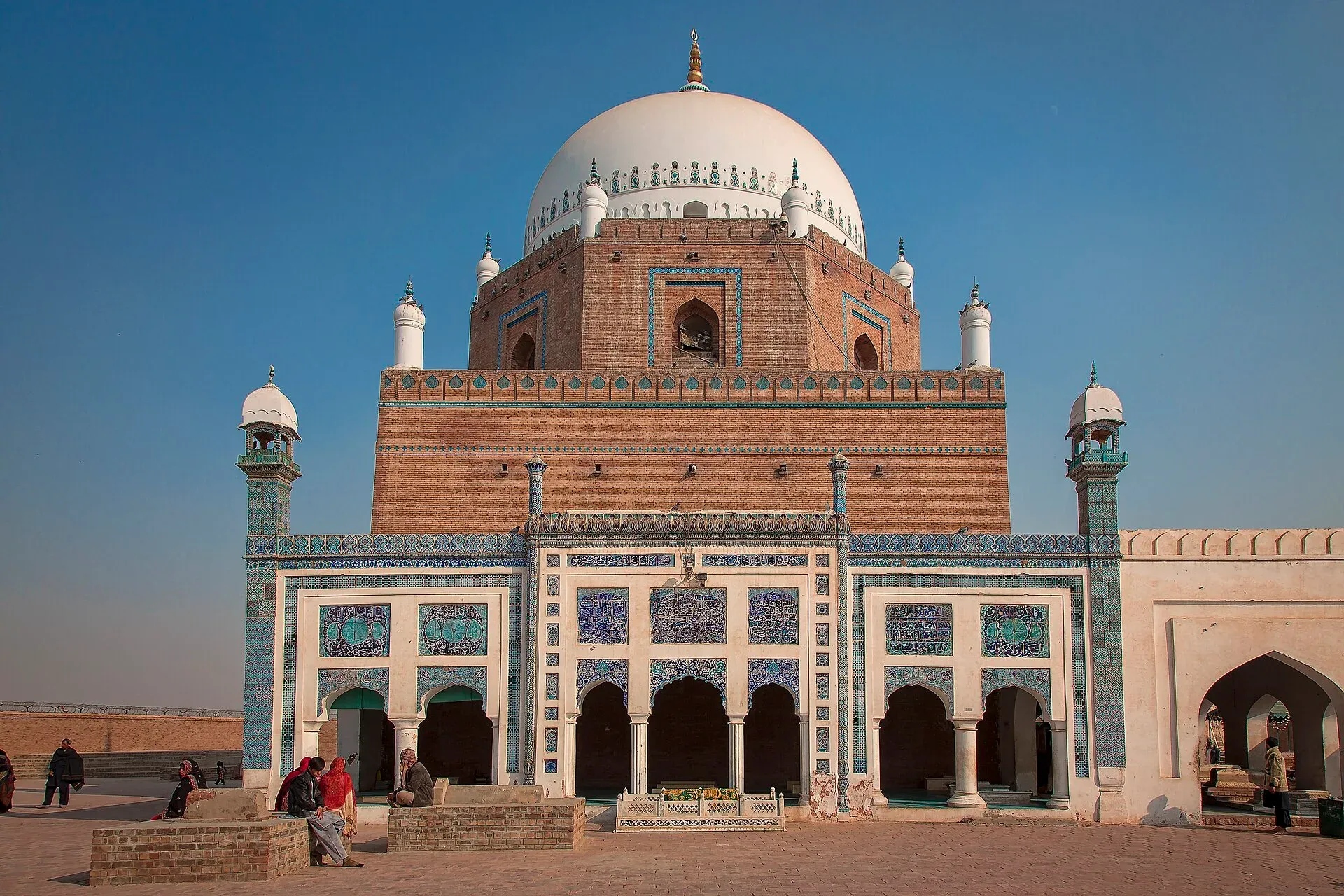
Photo: Tahsin Shah, with thanks · CC BY-SA 4.0 · via Wikimedia Commons · temporary stand-in photo

Saraiki People
Saraiki speakers live in southern Punjab, parts of Khyber Pakhtunkhwa and northern Sindh. Language, Sufi shrines, crafts, food and respectful visiting, with neutral wording on identity.
Who they are
Saraiki people are those who speak Saraiki, also spelled Siraiki or Seraiki. In the 2023 census about 12 per cent of people in Pakistan gave Saraiki as their mother tongue. Mother-tongue shares come from the Pakistan Bureau of Statistics 2023 census table as reported on Wikipedia; they measure the language people say they speak first, not ethnic identity. Saraiki speakers are mostly Sunni Muslims, with a small Christian minority. Wikipedia notes that a distinct regional identity emerged in the 1960s and that the census has counted Saraiki speakers separately since 1981. Many Saraiki speakers regard Saraiki as a language in its own right, while some Punjabi speakers regard it as a dialect of Punjabi. This page uses the name people use for themselves and takes no position on the wider debate.
Language
Saraiki is written in the Shahmukhi script in Punjab and in the Sindhi script in Sindh. Linguists describe it as sitting between Punjabi and Sindhi. Proposed dialect groups include Central (with Multani), Southern, Sindh Siraiki and Northern (Thali). It is taught at universities in Multan and Bahawalpur.
Where they live
The Saraiki belt covers southern and south-western Punjab, including Multan, Bahawalpur, Rahim Yar Khan, Dera Ghazi Khan, Muzaffargarh, Layyah, Bhakkar and Mianwali. It continues into the Derajat region of Khyber Pakhtunkhwa around Dera Ismail Khan, and into northern Sindh. Multan, one of the oldest cities in South Asia, is the main cultural centre.
Culture and festivals
Sufi shrines are central to community life. The Shrine of Bahauddin Zakariya and the Tomb of Shah Rukn-e-Alam in Multan are important pilgrimage places, and Uch Sharif has a group of historic tombs. The poet Khwaja Ghulam Farid, remembered for his kafi verse, is a symbol of the language. Wikipedia also names Saraiki singers such as Attaullah Khan Esakhelvi and Shafaullah Rokhri. In the Cholistan desert near Bahawalpur, the Cholistan Jeep Rally is held each year.
Crafts and food
Multani blue pottery is the best-known craft. Ajrak, rilli quilts and khussa shoes are also found across the region. Multan's famous sweet is sohan halwa. Meals are rich in wheat, dairy, mutton and lentils, and the region is known for its mangoes. We have not confirmed other dishes for this page.
Visiting respectfully
- Accept tea, sweets and invitations where you can. Hospitality is valued.
- Dress modestly at shrines, cover your head, remove shoes and follow the caretaker's lead. Women may have separate areas.
- Ask before photographing people and worshippers. Do not photograph inside shrines without permission.
- Use the term "Saraiki" unless someone describes themselves differently.
- Avoid the midday heat in summer, when Multan and Bahawalpur are very hot.
Community-based tourism
We have not confirmed a specific community-based tourism scheme for this page. Pottery workshops in Multan and Cholistan desert visits near Bahawalpur are arranged through local operators. Buy from workshops directly where you can.
Travel advice
Ask the district administration or local police about current conditions before you go. For foreign visitors: the UK FCDO advises against all but essential travel to Dera Ghazi Khan, and against all travel to Dera Ismail Khan in Khyber Pakhtunkhwa (updated 27 October 2026). Check the page before planning.
Help us get this right
We wrote this page from published sources, and it has not yet been reviewed by members of the community it describes. If you belong to this community and something here is wrong, missing or worded in a way you would not use, please tell us through Report a mistake. We will correct it.
Sources and last checked
Last checked Confidence medium6 sources4 still to check
- Last checked
- Method
- Desk research from published sources
- Confidence
- medium
- Checked by
- trek.pk research team
Researched from published sources; not yet checked on the ground by our team. Spot something out of date? Report a mistake.
Sources
- Languages of Pakistan (mother-tongue shares, Census 2023 and 2017, citing PBS Table 11) · Wikipedia · checked
- Digital Census 2023 · Pakistan Bureau of Statistics · checked
- Saraiki people · Wikipedia · checked
- Saraiki language · Wikipedia · checked
- Pakistan travel advice (last updated 27 October 2026) · UK FCDO · checked
- Multan · Wikipedia · checked
Still to be checked on the ground (4)
- Review with Saraiki community members
- Food and craft sections are general; blue pottery, ajrak, rilli and the dish list were not confirmed in a source
- Wording on Saraiki identity should be checked by Saraiki speakers
- Review by members of the community (owner decision 17 Nov 2026: team to arrange reviewers)