

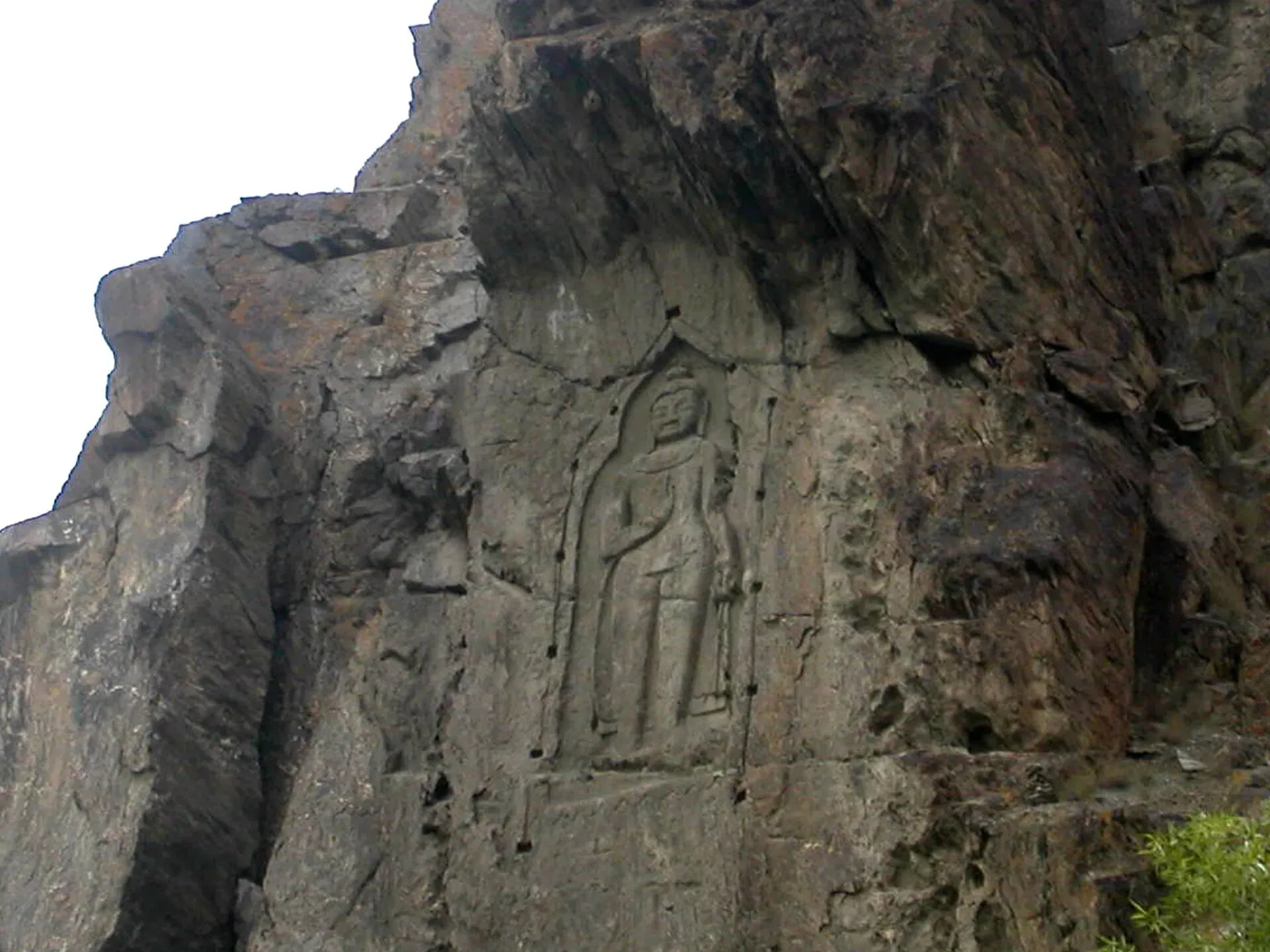
Photo: Mountainloverk2, with thanks · CC BY-SA 3.0 · via Wikimedia Commons · temporary stand-in photo

Shina-speaking People
Shina speakers live around Gilgit, Astore, Chilas and in Ghizer and Indus Kohistan. Language, communities, festivals, rock art heritage and respectful visiting.
Who they are
Shina speakers are the people whose first language is Shina, an Indo-Aryan language. They live in Gilgit-Baltistan and Indus Kohistan, and their core area is called Shinaki. Wikipedia describes a group of about 1.18 million including Kohistani Shina speakers, with about 1.146 million in Pakistan in 2018. The 2023 census table reports 0.05 per cent of Pakistan with Shina as mother tongue. Mother-tongue shares come from the Pakistan Bureau of Statistics 2023 census table as reported on Wikipedia; they measure the language people say they speak first, not ethnic identity. According to Wikipedia, the 2023 table excludes Gilgit-Baltistan and Azad Kashmir, so treat the share as indicative only. Shina speakers are not one people with one history. The book notes that "Shin" is a specific group within Shina-speaking communities, and that four communities have historically existed in Gilgit and Hunza valleys. This page describes the language group, not a single ethnicity.
Language and faith
Shina has several local varieties, and Urdu is the common second language. Most Shina speakers are Muslim, and communities vary by area: the book notes mostly Sunni, with Ismaili communities west of Gilgit and Shia in and east of Gilgit. Wikipedia adds that most had converted to Islam by the late 19th century, after earlier Hindu and Buddhist traditions.
Where they live
Shina-speaking communities live in Gilgit, the lower Ishkoman and lower Hunza valleys, Astore, the Indus valley from Haramosh down to Chilas, Darel and Tangir, and in Indus Kohistan. Some have moved to Karachi and Islamabad for work and education. Places to know are Gilgit, Chilas, the Astore valley and the Ghizer valley. The Kargah Buddha near Gilgit and the Chilas rock carvings and Shatial rock carvings along the Indus record centuries of passage.
Culture and festivals
Chili marks the start of wheat sowing and was historically linked to cedar worship, according to Wikipedia. Polo is a favourite sport across Gilgit-Baltistan; see Shandur Polo Festival, held at Shandur in the neighbouring Ghizer–Chitral area. Navroz is observed in places; see Navroz in Gilgit-Baltistan and Chitral. Details of local festivals vary by valley, so ask local people before you attend. Wikipedia mentions singer-songwriter Hasan Raheem and mountaineer Ali Sadpara among well-known Shina speakers.
Food and crafts
We have not confirmed specific dishes or crafts for this page. Gemstones are sold in Gilgit; see gemstones and onyx of Gilgit-Baltistan.
Visiting respectfully
- Dress modestly, especially in villages, and women should carry a scarf.
- Ask before photographing people, women and homes. Do not photograph at funerals or religious gatherings.
- Do not treat a rock carving as a souvenir. Photograph only and stay on paths.
- Greet elders first and accept tea.
- Stay on marked roads and hire local guides in remote valleys.
Community-based tourism
We have not confirmed a named community scheme for this page. Several valleys have village homestays arranged through local guides or licensed operators.
Travel advice
Ask the district administration or local police about current conditions before you go. For foreign visitors: the UK FCDO advises against travel on the Karakoram Highway between Mansehra and Chilas (updated 27 October 2026, still current on 17 November 2026), and does not advise against Gilgit-Baltistan generally. Check the page, road reports and flights before you plan travel to Diamer.
Help us get this right
We wrote this page from published sources, and it has not yet been reviewed by members of the community it describes. If you belong to this community and something here is wrong, missing or worded in a way you would not use, please tell us through Report a mistake. We will correct it.
Sources and last checked
Last checked Confidence medium5 sources4 still to check
- Last checked
- Method
- Desk research from published sources
- Confidence
- medium
- Checked by
- trek.pk research team
Researched from published sources; not yet checked on the ground by our team. Spot something out of date? Report a mistake.
Sources
- Languages of Pakistan (mother-tongue shares, Census 2023 and 2017, citing PBS Table 11) · Wikipedia · checked
- Digital Census 2023 · Pakistan Bureau of Statistics · checked
- Trekking in the Karakoram and Hindukush, 'Population & People' section (Lonely Planet, c. 2002; used for background facts only) · Lonely Planet · checked
- Shina people · Wikipedia · checked
- Pakistan travel advice (last updated 27 October 2026) · UK FCDO · checked
Still to be checked on the ground (4)
- Review with Shina-speaking community members
- Festivals and food: Wikipedia covers Chili but not food; no local source for other festivals or dishes
- Community structures from the c. 2002 book
- Review by members of the community (owner decision 17 Nov 2026: team to arrange reviewers)