

Photo: Hunzagrapher, with thanks · CC BY-SA 4.0 · via Wikimedia Commons · temporary stand-in photo

Deosai National Park
A vast high plateau at about 4,100 m above Skardu and Astore, covered in wildflowers in summer. Created in 1993 to protect the Himalayan brown bear. Open only in summer.
Overview
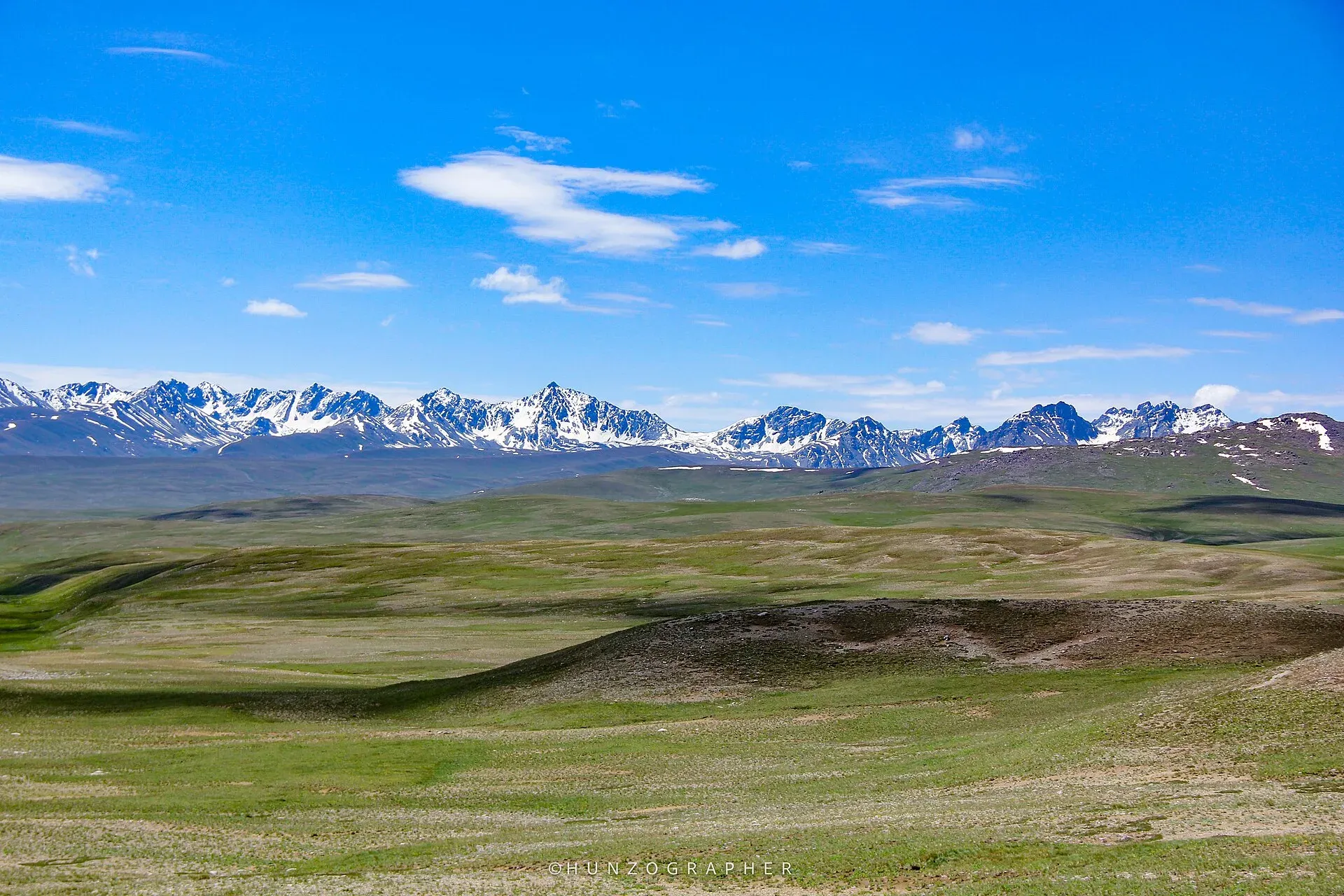
Deosai is a high plateau of rolling grassland between Skardu and Astore. The park covers 358,400 hectares (about 3,584 square kilometres), according to the Gilgit-Baltistan Forest, Wildlife and Environment Department, and its average height is around 4,114 m, which makes it one of the highest plateaus in the world. It was declared a national park in 1993 to protect the Himalayan brown bear, which had been heavily hunted; the bear is considered critically endangered in Pakistan. Wikipedia reports the count rose from about 19 in 1993 to 40 in 2005 and 78 in 2022. The plateau is classed as IUCN category Ib (wilderness area). The park is on Pakistan's World Heritage Tentative List.
The name is usually explained as "land of the giant" in Shina, though Balti speakers call it "summer place" because it is snowbound much of the year. The plain is treeless, with small lakes, marshy streams and wide views. In July and August it fills with wildflowers and butterflies.
Plan your visit
- Nearest town
- Skardu
- Getting there
From Skardu, Deosai is about 30 km by road; allow 2 to 3 hours by jeep to the plateau and 4 to 6 to Sheosar Lake and Bara Pani. The Astore side goes via Chilim; drive from Gilgit or Astore town. More
Best months
Jul – Sep
- Deosai National Park
- Related places nearby: Sheosar Lake, Satpara Lake, Himalaya National Park
What to see and do
- Sheosar Lake. The best-known lake, at about 4,250 m (the figure Wikipedia gives, citing UNESCO's tentative-list entry; other sources differ), reached by a rough jeep road across the plateau. It is the usual overnight stop.
- Bara Pani and Kala Pani. Streams and marshes that make good stops on the drive.
- Wildlife. The Himalayan brown bear is the star but rarely seen. Himalayan marmots are common and easy to watch. Red fox, Himalayan wolf, snow leopard, Himalayan ibex and Kashmir musk deer also live here, and Wikipedia lists over 124 resident and migratory bird species. Look for golden eagle, lammergeier and snow cock.
- Walking and camping. Easy day walks on the plateau from the lakes. Camping is permitted at designated places only.
- Sadpara Lake. The lake at the Skardu end is on the way to the plateau.
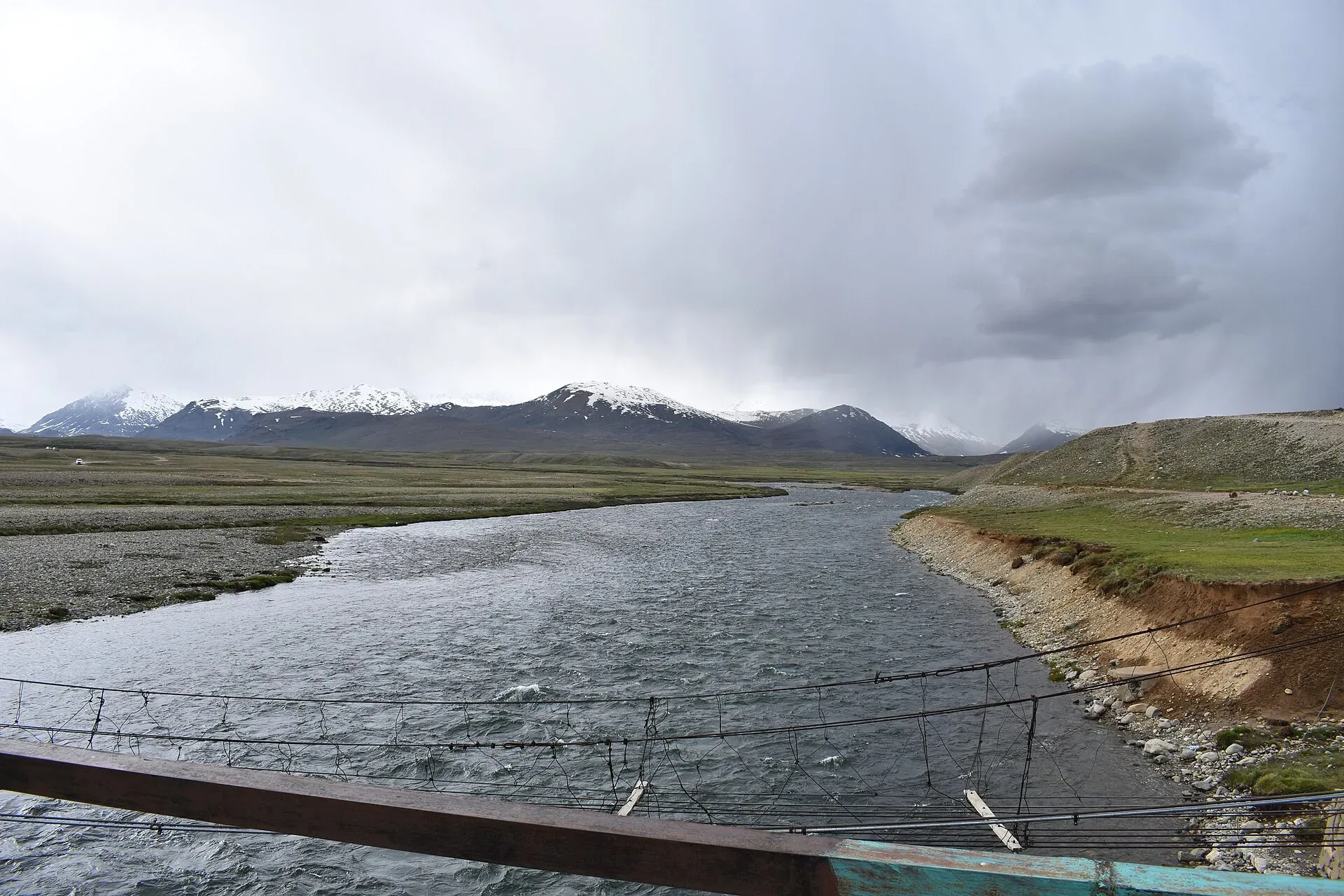
Photo: Syedmuradali22, with thanks · CC BY-SA 4.0 · via Wikimedia Commons · temporary stand-in photo

Routes onto the plateau
There are two main approaches. From Skardu the road passes Satpara Lake, the last point with villages, and then runs across uninhabited country to Chilam Chowki, where a small summer tea stop has been reported (Wikivoyage). The other approach is from Astore in the west, through mountain valleys. A 4x4 is recommended on both, especially in early summer when snowmelt covers the track. A local guide helps with navigation and safety.
When to visit
The plateau is open from about June to September, depending on snow. Flowers are best from mid-July. By late September nights are below freezing and snow can return. The road is closed or impassable the rest of the year. Dates change each year; ask in Skardu or Astore.
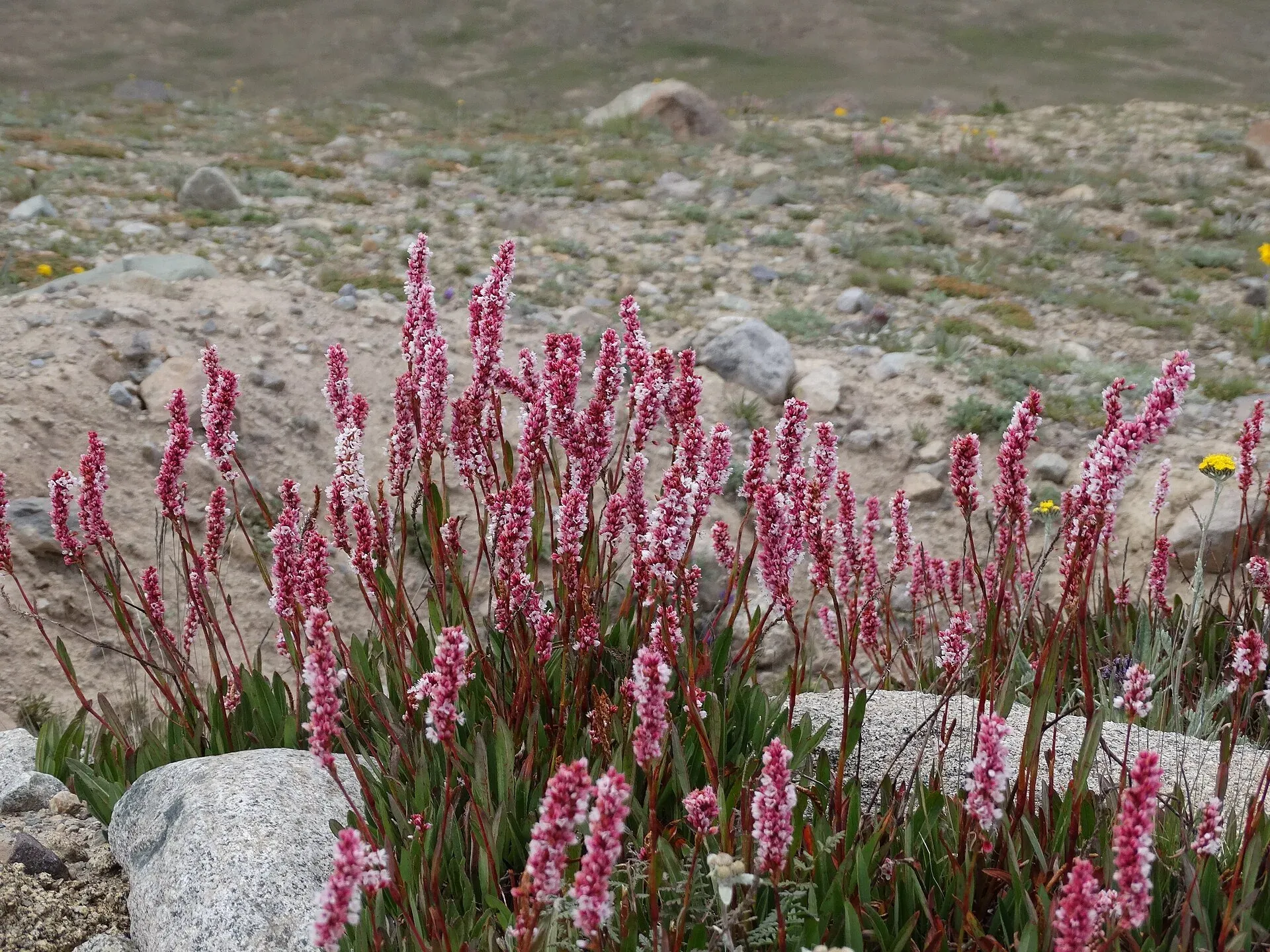
Photo: Akbar Khan Niazi, with thanks · CC BY-SA 3.0 · via Wikimedia Commons · temporary stand-in photo

Where to stay and eat
There are no hotels on the plateau. Most visitors camp near Sheosar Lake, usually through an operator or a Skardu hotel, or stay in a guest house at Skardu or Astore. Basic camping food and tent hire can be arranged locally. Bring all food, cold-weather gear and water treatment.
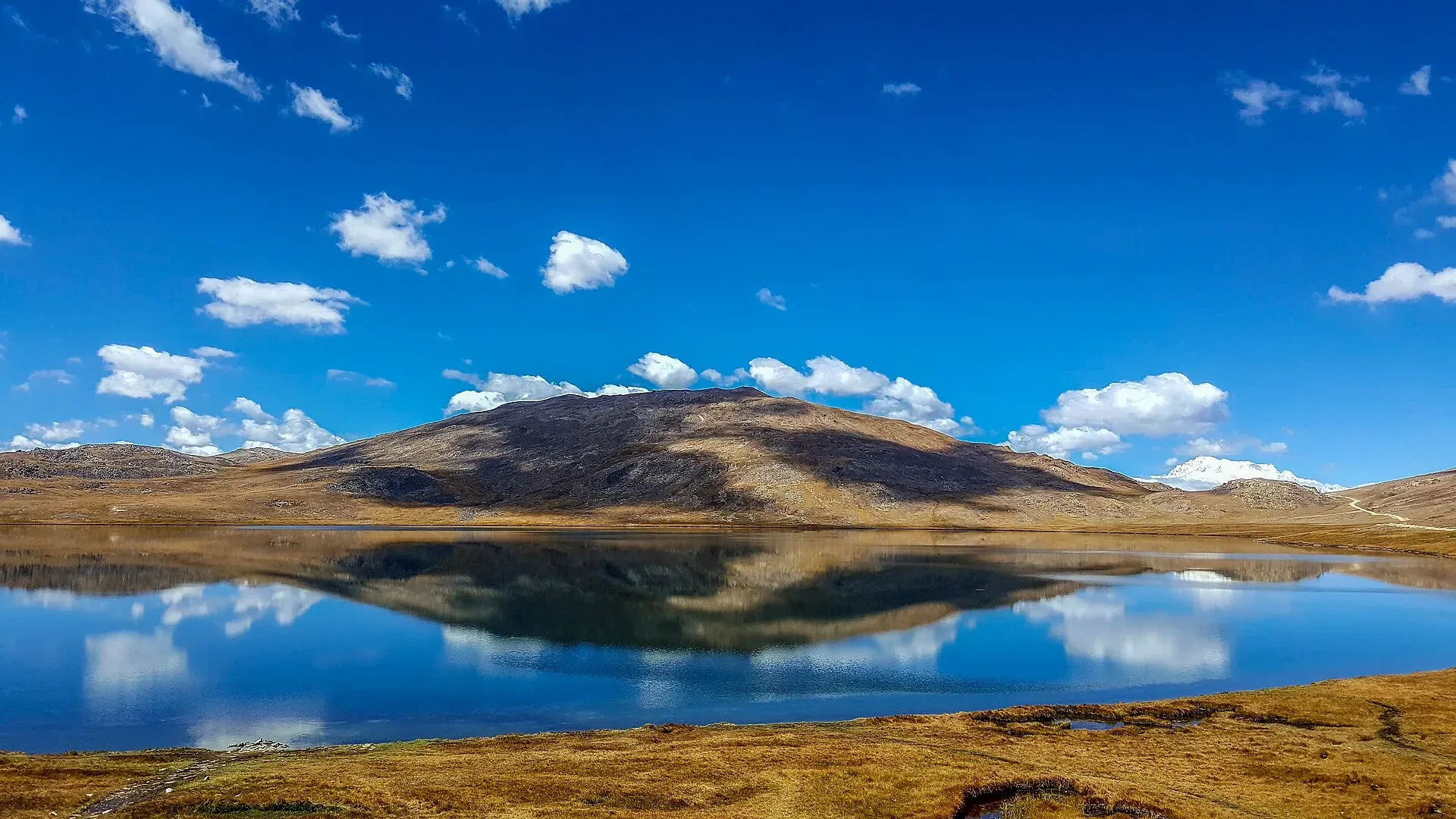
Photo: Jehan Sher, with thanks · CC BY-SA 4.0 · via Wikimedia Commons · temporary stand-in photo

Good to know
- A fee may apply. Current fees will be added soon; check with the park office or the provincial wildlife department before you go.
- Check posts operate at the main entrances (Sadpara side and Chilim side). Keep to the main tracks.
- Nights are cold even in July. Altitude is about 4,000 m, so take it easy on the first day.
- Do not feed or approach bears. Keep food sealed and away from tents.
- Follow the standard park rules: take your litter out with you, do not light fires outside marked sites, do not pick plants or disturb animals, and do not hunt. Hunting and trapping inside a national park are offences. Ask the park office before flying a drone; many parks need written permission and drones are banned near borders and sensitive sites.
- The roads are rough and often washed out after rain. Use a 4x4 with a local driver.
Highlights
- Second-highest plateau in the world, about 4,100 m
- Himalayan brown bear habitat
- Sheosar Lake and wildflower meadows
- Easy summer camping
Getting there
From Skardu, Deosai is about 30 km by road; allow 2 to 3 hours by jeep to the plateau and 4 to 6 to Sheosar Lake and Bara Pani. The Astore side goes via Chilim; drive from Gilgit or Astore town. Hire a 4x4 with a driver in Skardu or Astore. The road is unpaved for most of the way.
Tips
- Go between late June and September
- Use a 4x4 with a local driver
- Carry warm clothes: nights are below freezing
- Stay on tracks and do not approach bears
Wildlife
Facilities
- Check posts
- Campsites near Sheosar Lake
- Rough jeep roads
Photos we still need: Himalayan brown bear or marmot photographed in Deosai (the openly licensed bear photo found was taken in a zoo). Send us yours
Sources and last checked
Last checked Confidence medium5 sources6 still to check
- Last checked
- Method
- Desk research from published sources
- Confidence
- medium
- Checked by
- trek.pk research team
Researched from published sources; not yet checked on the ground by our team. Spot something out of date? Report a mistake.
Sources
- Deosai National Park (Wikipedia) · Wikipedia · checked
- Pakistan Tourism Guide 2021 · TDAP Pakistan · checked
- Sheosar Lake (Wikipedia) · Wikipedia · checked
- Deosai_National_Park (travel guide) · Wikivoyage · checked
- Deosai National Park · Forest, Wildlife and Environment Department, Government of Gilgit-Baltistan (official site, undated; checked 18 November 2026) · checked
Still to be checked on the ground (6)
- Sheosar Lake height: Wikipedia's Sheosar Lake article gives 4,250 m, citing UNESCO's tentative-list page (not opened; returned 403); older sources about 4,140 m
- Entry and camping fees (no official source found)
- Exact dates the plateau is open (Wikipedia says only that it is accessible in summer)
- Latest bear count: 78 in 2022 (Express Tribune, 27 March 2022, via Wikipedia); no newer count found
- Condition of the Chilim and Sadpara roads (on the ground)
- Chilam Chowki summer tea stop (Wikivoyage; not confirmed as open)
Nearby and related

Other treks in Baltistan
Sheosar Lake
An alpine lake at about 4,250 m on the western side of Deosai National Park. It is reached by jeep from Skardu or Astore in summer and is usually snowbound from November to May.

Satpara Lake
A large lake at about 2,600 m, a short drive south of Skardu. It supplies Skardu's water and fed the Satpara Dam. Trout, a small island and the road to Deosai make it an easy half-day outing.
Himalaya National Park
A high-mountain park of about 2,263 sq km in Astore district, announced in December 2020, covering the upper Astore valley near Minimarg and Rama and running towards Deosai.