

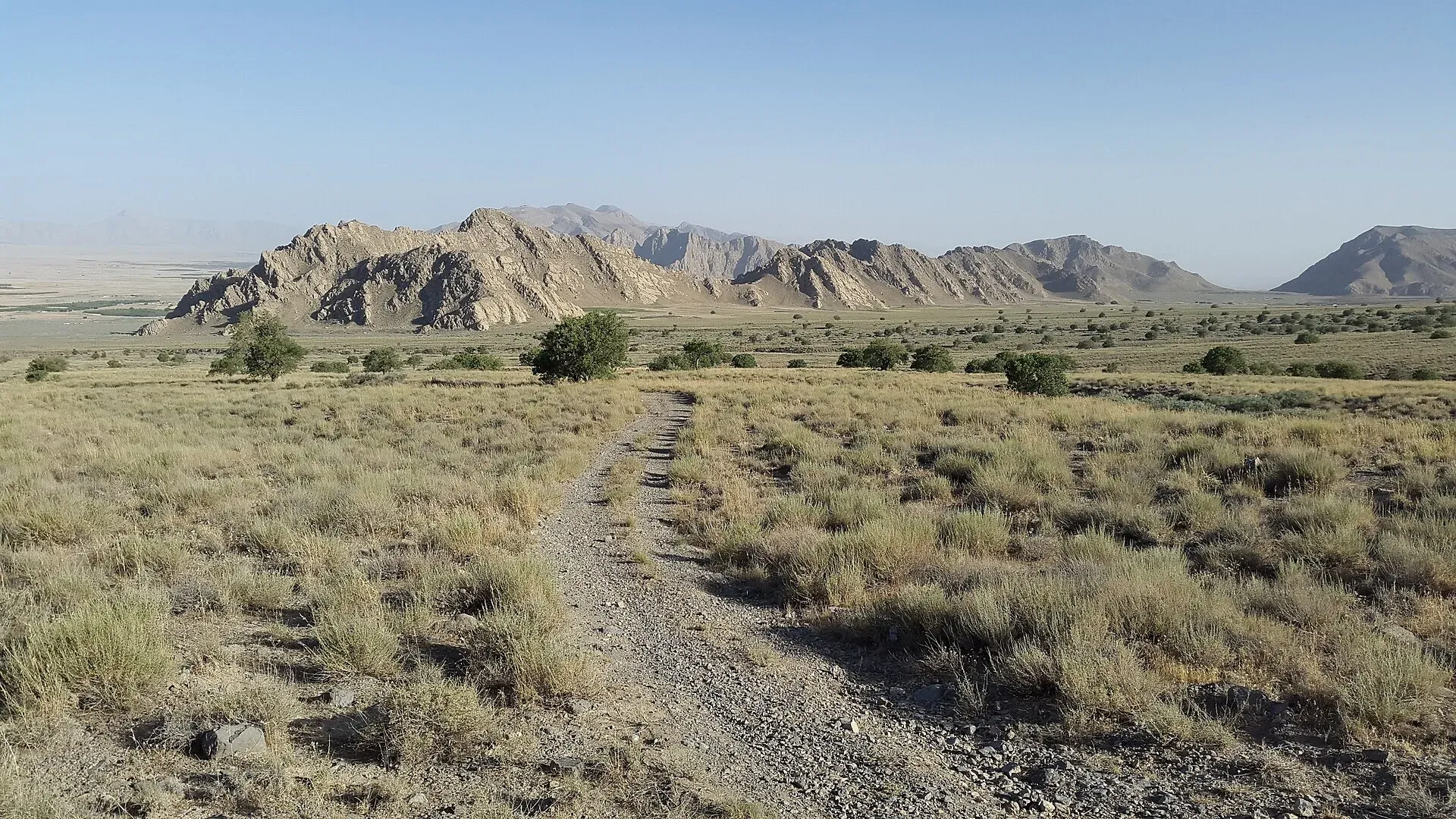
Photo: Najamuddin Shahwani, with thanks · CC BY 3.0 · via Wikimedia Commons · temporary stand-in photo
Hazarganji-Chiltan National Park
A mountain park about 20 km south-west of Quetta, established in 1980 to protect the Chiltan ibex and Sulaiman markhor. Juniper and dry mountain scrub.
Overview
Hazarganji-Chiltan National Park lies in the Sulaiman Mountains about 20 km south-west of Quetta, in Mastung District of Balochistan. It was established in 1980 to protect the Chiltan ibex and is an IUCN Category II park, managed by the Balochistan wildlife authorities. It sits between the Chiltan range on its west and the Hazarganji hills on the east.
Sources give two very different areas. Dawn (April 2017) gives 325,000 acres, about 131,500 hectares, which matches the 131,522 hectares in the body of the Wikipedia article. Wikipedia's summary box gives 15,555 hectares. The larger figure is used here.
Plan your visit
- Nearest town
- Quetta
- Getting there
The park is about 20 km south-west of Quetta. Take a taxi or private car from Quetta; confirm the exact entrance and rules with the Balochistan Forest and Wildlife Department. More
Best months
Mar – Jun, Sep – Nov
Landscape and wildlife
Habitats range from dry mountain scrub to juniper forest. Wikipedia lists Pashtun juniper, pistachio, almond and ash among the trees. Altitude figures are given only for particular animals: urial live on the western slopes between about 1,500 m and 2,100 m, and the Indian crested porcupine between about 1,800 m and 2,500 m.
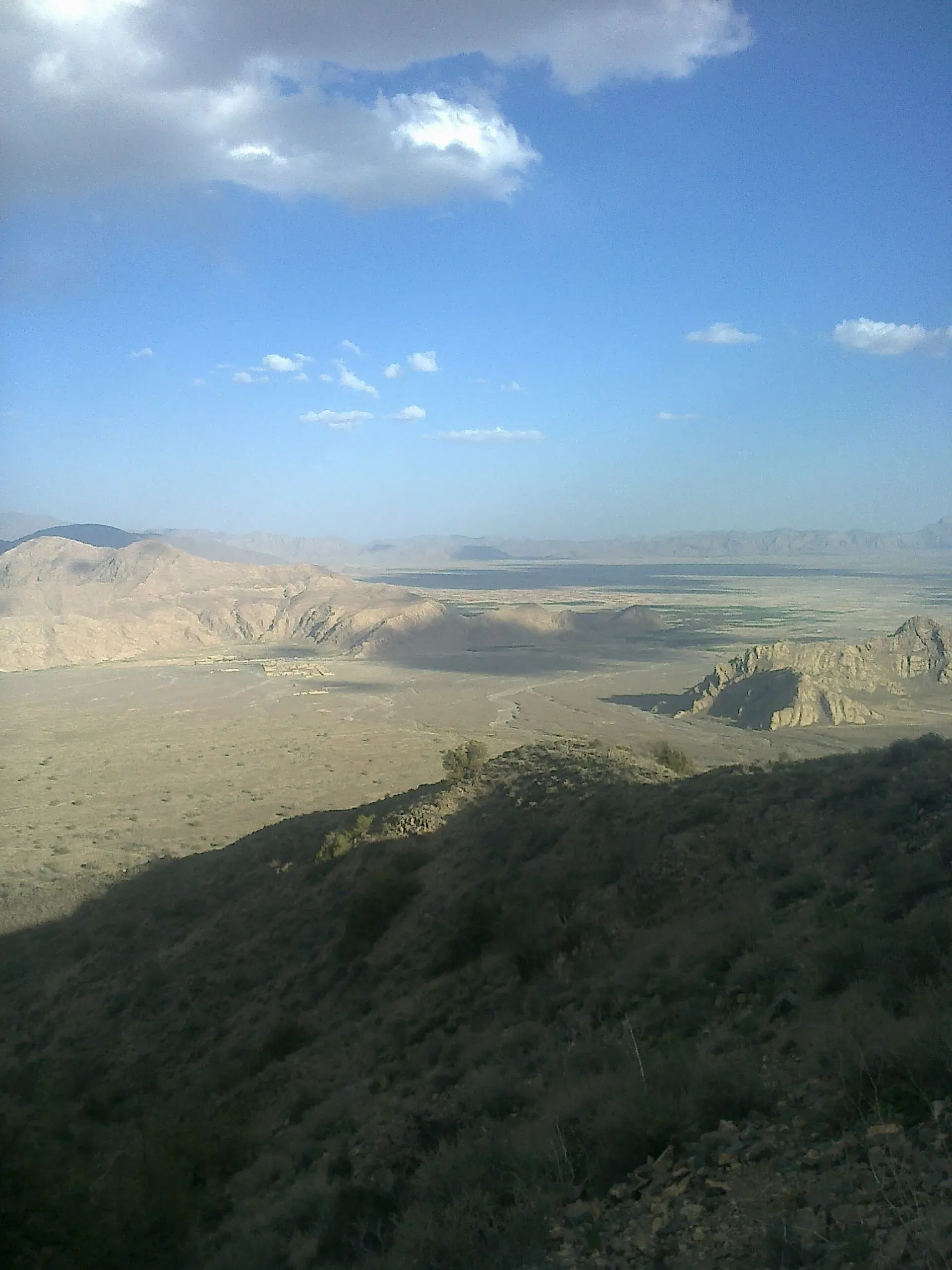
Photo: Najamuddin Shahwani, with thanks · CC BY 3.0 · via Wikimedia Commons · temporary stand-in photo
The park is known for wild goats and sheep. Dawn (2017) reports roughly 300 to 400 Sulaiman markhor, and Wikipedia gives about 800 Chiltan ibex. The Wikipedia page for the ibex itself gives about 2,250 by 2023, without a survey that could be traced. A few urial survive on the western slopes. Other mammals include the Indian wolf, striped hyena, Baluchistan leopard, caracal, common jackal and Indian crested porcupine.
Wikipedia counts about 30 mammal species (nine large and 21 small), about 120 bird species (36 resident and 84 migratory) and about 30 reptile species. Birds include the houbara bustard, which is very rare here, griffon, Egyptian and bearded vultures, and golden eagle. Reptiles include monitor lizards, Russell's viper, saw-scaled vipers and the spiny-tailed lizard. These counts come from a news report and an encyclopaedia, not a recent survey.
What to see and do
- Wildlife watching. Dawn and dusk. Ask the park staff for the best viewpoints.
- Hazarganji. The name is said to mean "of a thousand treasures". It is said to refer to an old mountain passage used over the centuries by Greco-Bactrians, Scythians, Mongols and migrating Baloch tribes.
- Short walks. Easy walks near the rest house and museum, if open. Wikipedia mentions a museum and a rest house but gives no details.
When to visit
Spring and autumn are the easiest seasons. Winters are cold with snow on the hills and the edge of Quetta; summers are warm but pleasanter at altitude. No official source gives a visitor season.
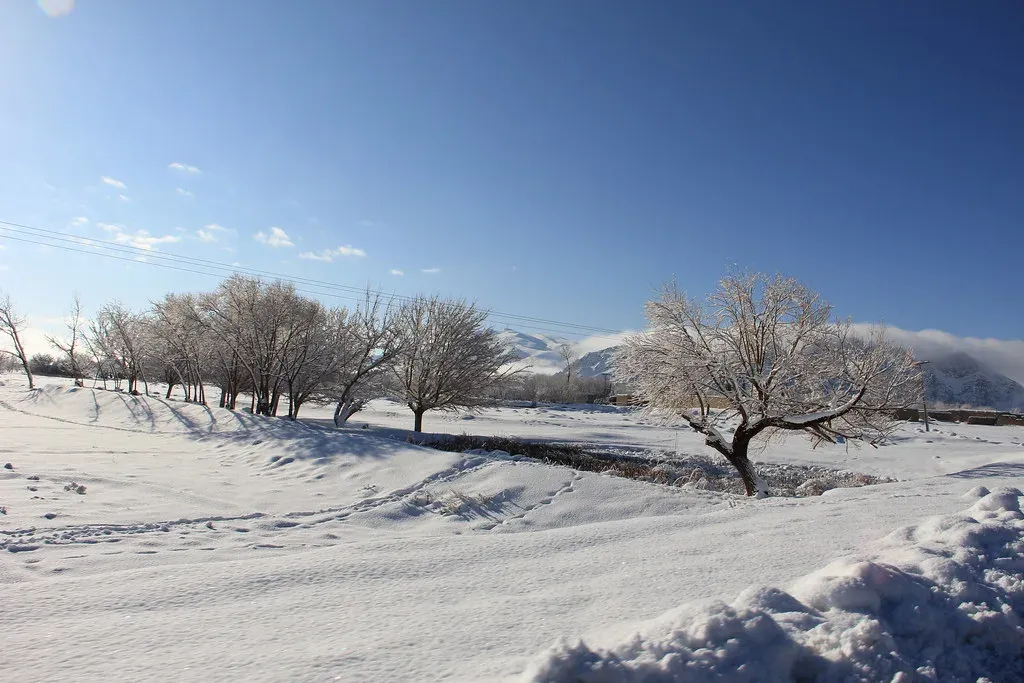
Photo: kakarsanzar, with thanks · CC BY 2.0 · via Flickr · temporary stand-in photo
Where to stay and eat
Quetta is the nearest base, with hotels and restaurants. There are few services inside the park.
Good to know
- A fee may apply. Current fees will be added soon; check with the park office or the provincial wildlife department before you go.
- In 2017 Dawn reported that Quetta authorities thwarted an attempt to occupy part of the park. Security and access rules for Quetta and its surroundings change, so check locally before travelling.
- Follow the standard park rules: take your litter out with you, do not light fires outside marked sites, do not pick plants or disturb animals, and do not hunt. Hunting and trapping inside a national park are offences. Ask the park office before flying a drone; many parks need written permission and drones are banned near borders and sensitive sites.
Travel advice
Ask the district administration or local police about current conditions before you go. For foreign visitors: the UK FCDO advises against all travel to Balochistan, including Quetta (advice updated 27 October 2026, checked 16 November 2026). Read the live advice before you plan.
Highlights
- Chiltan ibex and Sulaiman markhor
- Close to Quetta
- IUCN Category II park since 1980
- Juniper mountain scrub
Getting there
The park is about 20 km south-west of Quetta. Take a taxi or private car from Quetta; confirm the exact entrance and rules with the Balochistan Forest and Wildlife Department.
Tips
- Check security and access with the Balochistan Wildlife Department
- Go in daylight
- Carry water
- Keep your distance from animals
Wildlife
Facilities
- Rest house
- Small museum (check)
Photos we still need: Chiltan ibex or markhor in the park. Send us yours
Sources and last checked
Last checked Confidence medium3 sources3 still to check
- Last checked
- Method
- Desk research from published sources
- Confidence
- medium
- Checked by
- trek.pk research team
Researched from published sources; not yet checked on the ground by our team. Spot something out of date? Report a mistake.
Sources
- Hazarganji-Chiltan National Park (Wikipedia) · Wikipedia · checked
- Quetta authorities thwart attempt to occupy Hazarganji national park · Dawn · checked
- Chiltan ibex (Wikipedia) · Wikipedia · checked
Still to be checked on the ground (3)
- Animal counts (markhor 300-400 from Dawn, April 2017; ibex about 800 in 2017 against about 2,250 by 2023 on Wikipedia, not traced to a survey)
- Access and security rules (no official rules found; FCDO advises against all travel to Balochistan; Dawn 2017 says security was tightened around the park after a land-grab attempt)
- Whether facilities are open (Wikipedia mentions a museum and rest house; no current source)


