

Photo: Ymblanter, with thanks · CC BY-SA 4.0 · via Wikimedia Commons · temporary stand-in photo

Lok Virsa Heritage Museum
Pakistan's national museum of ethnology on Shakarparian Hill, Islamabad, showing the crafts, costumes and living traditions of the country's peoples.
Overview
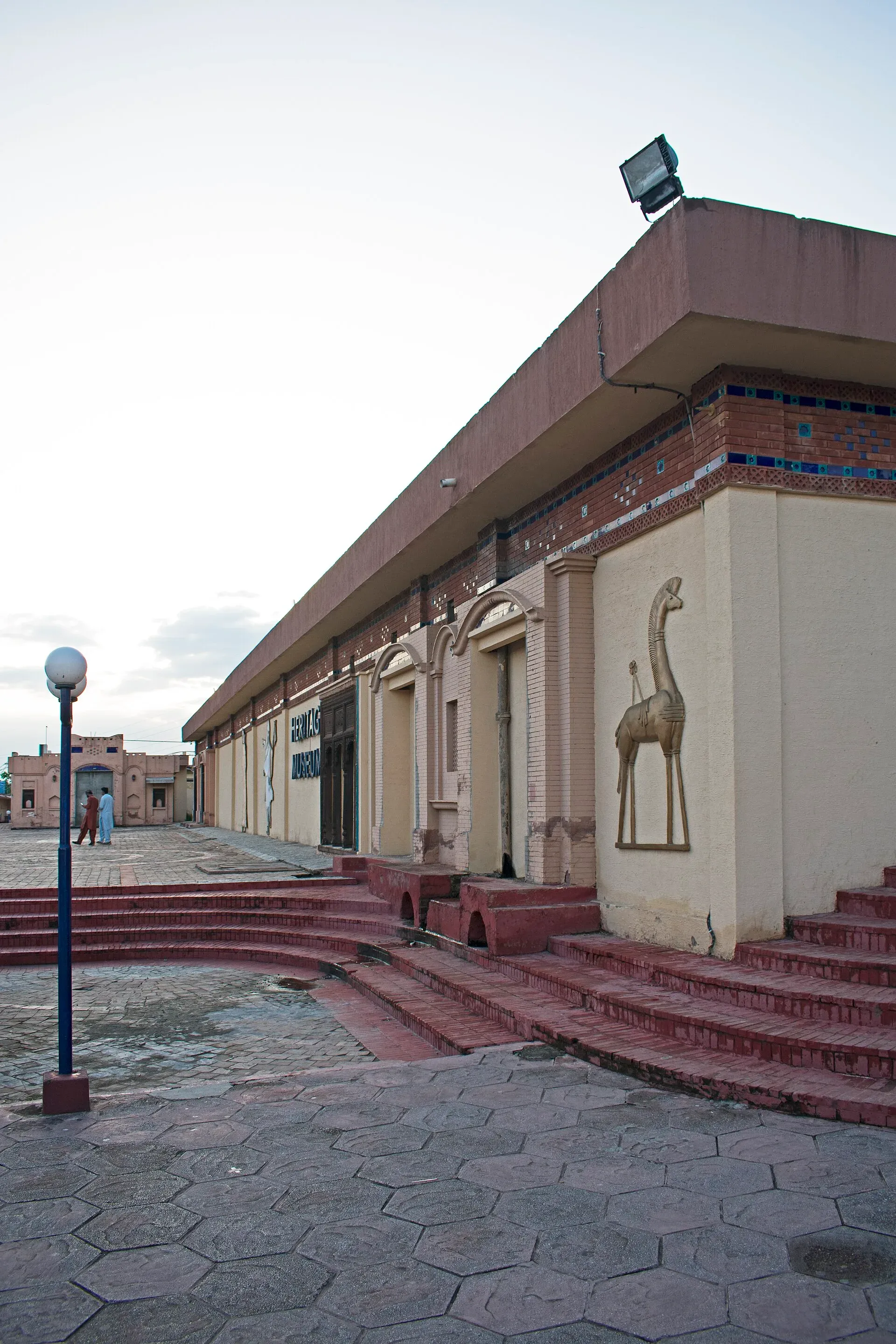
The Lok Virsa Heritage Museum, also called the National Museum of Ethnology, is on Garden Avenue in Shakarparian, Islamabad. Lok Virsa's website describes it as Pakistan's first state museum of ethnology. It presents the history and living traditions of the country's regions. Lok Virsa is the National Institute of Folk and Traditional Heritage.
Plan your visit
- Nearest town
- Islamabad
- Opening hours
- National Museum of Ethnology (Heritage Museum): every day, 10 am to 7 pm (Lok Virsa website, official site, undated; checked 18 November 2026).
- Entry fee
- Local adults Rs 200, students Rs 100, foreigners Rs 2,000, ECO and SAARC delegates Rs 1,000, children under 7 free (Lok Virsa website, checked 18 November 2026; official site, undated; confirm at the entrance). The Pakistan Monument Museum has its own ticket, with a different delegate rate.
- Getting there
The museum is on Garden Avenue, Shakarparian, Islamabad. Take a taxi or ride-hailing car from Islamabad or Rawalpindi. More
Best months
Oct – Apr
- Lok Virsa Heritage Museum
- Related places nearby: Islamabad, Pakistan Monument Museum, Pakistan Museum of Natural History
History
Lok Virsa's own history page says the institute was established in 1974. The museum page says the museum was set up in 1982 as the Folk Art Museum, which is why the founding date is given differently in different places. Wikipedia also says Lok Virsa became an autonomous institute in 2002. The ethnology galleries were renovated in 2004. The museum page describes about 60,000 square feet of halls on folk heritage, traditional lifestyles, music, crafts and festivals.
The ethnology galleries
Lok Virsa describes dioramas, visual narratives and ethnographic displays of communities from mainstream and remote regions, with cross-cultural exhibits. Wikipedia says the original Folk Art Museum of 1982 covers about 1,860 m² and was renovated and renamed in 2004. It lists embroidered costumes, jewellery, woodwork, metalwork, block printing, and ivory and bone work. Architectural displays show frescoes, mirror work, marble inlay, tile, mosaic and stucco tracery.
Sufis and Shrines hall
The hall, opened in 2013, uses pictures. Wikipedia says they show musicians performing the poetry of Lal Shahbaz Qalandar, Shah Abdul Latif Bhittai and Sachal Sarmast, and the shrines of Data Ganj Bakhsh, Shah Rukn-e-Alam and Bahauddin Zakariya. Lok Virsa has also published books on Bulleh Shah, Sultan Bahu, Waris Shah and Mian Muhammad Bakhsh.
The site and grounds
Wikipedia puts the whole complex at about 5,570 m² and says the outdoor museum can hold up to 3,000 visitors. The brick buildings and lamp-lit courtyards are part of the visit, and the craft bazaars and food court are in the same grounds. For the wider hill, see Shakarparian.
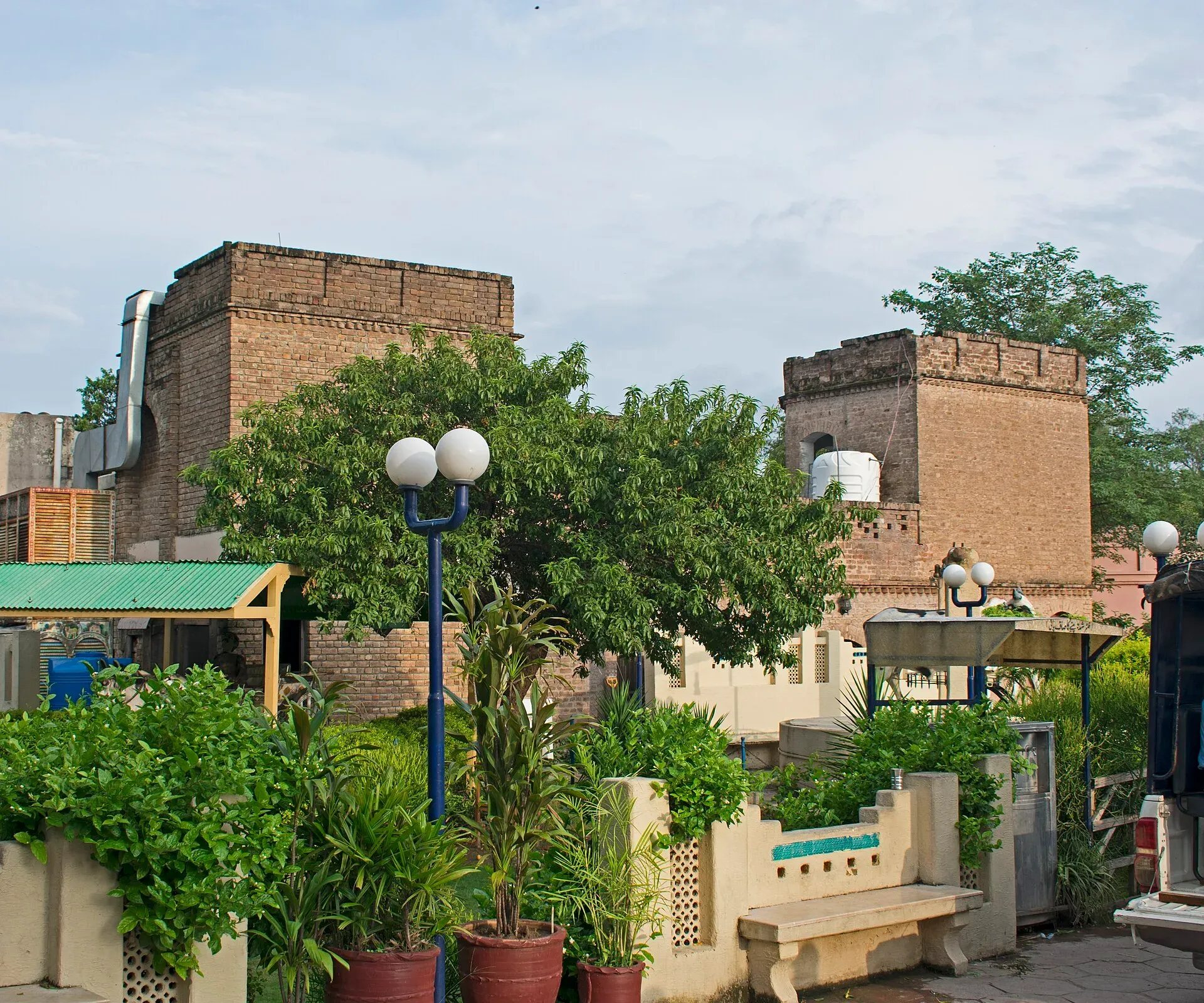
Photo: Ymblanter, with thanks · CC BY-SA 4.0 · via Wikimedia Commons · temporary stand-in photo

A suggested visit
Allow two to three hours. Start in the ethnology halls, then see the Sufis and Shrines hall, walk through the craft bazaars, and finish at the Pakistan Monument Museum next door. Lok Virsa's website lists hours until 7 pm, so go early enough to see both.
What to see and do
According to Wikipedia, the displays show the lifestyles and crafts of Pakistan's different peoples, including costumes, jewellery, woodwork and textiles. A Sufis and Shrines hall was added in 2013 with pictures of musicians and shrines linked with Sufi saints.
The wider Lok Virsa site also includes:
- the Pakistan Monument Museum (see its own page)
- a library said to hold over 32,000 books, journals, manuscripts and field reports
- craft and artisan bazaars and a food court, open daily according to Lok Virsa's timings notice
- a research and publication centre and a media centre, which are working offices, not visitor attractions
The outdoor part of the complex can host events, and Wikipedia says it can hold up to 3,000 visitors.
When to visit
Spring and autumn are the most comfortable seasons in Islamabad. The museum is open until 7 pm, so late afternoon is pleasant.
Where to stay and eat
The craft bazaars and food court on the site are open daily. Islamabad's hotel areas are a short drive away.
Good to know
- Hours (Lok Virsa, checked 16 November 2026): the National Museum of Ethnology (Heritage Museum) is open every day of the week, 10 am to 7 pm, on both the Lok Virsa home page and the museum page (checked 17 November 2026). Wikipedia gives different hours and a Monday closure, so rely on the official notice and confirm locally.
- Tickets: the museum page on Lok Virsa's own website (official site, undated; checked 18 November 2026) lists Rs 200 for local adults, Rs 100 for students, Rs 2,000 for foreigners, Rs 1,000 for ECO and SAARC delegates, and free entry for children under 7. The Pakistan Monument Museum, run by the same institute, has its own ticket page that lists Rs 600 for SAARC and ECO delegates. Confirm at the entrance, as prices may have changed.
- Contact: 051-9249209, info@lokvirsa.org.pk.
- Photography and accessibility: not stated.
- Next door: the Pakistan Monument Museum and the Pakistan Museum of Natural History.
Highlights
- Pakistan's first state museum of ethnology
- Costumes, jewellery, woodwork and textiles
- Sufis and Shrines hall (added 2013)
- Craft bazaars and food court on site
Getting there
The museum is on Garden Avenue, Shakarparian, Islamabad. Take a taxi or ride-hailing car from Islamabad or Rawalpindi.
Tips
- Open every day, 10 am to 8 pm, per the official notice.
- Combine with the Pakistan Monument Museum and the Natural History Museum.
- Ask about guided tours at the desk.
Photos we still need: ethnology gallery display (costumes, woodwork or textiles); Sufis and Shrines hall. Send us yours
Sources and last checked
Last checked Confidence medium5 sources1 still to check
- Last checked
- Method
- Desk research from published sources
- Confidence
- medium
- Checked by
- trek.pk research team
Researched from published sources; not yet checked on the ground by our team. Spot something out of date? Report a mistake.
Sources
- Lok Virsa: museums and visiting timings · Lok Virsa · checked
- Lok Virsa Museum · Wikipedia · checked
- Pakistan Tourism Guide 2021 (museums list) · Trade Development Authority of Pakistan (TDAP) · checked
- National Heritage Museum · Lok Virsa · checked
- History · Lok Virsa · checked
Still to be checked on the ground (1)
- Current galleries, photography rules, accessibility (the official pages do not state photography or accessibility rules)
Nearby and related

Islamabad
Pakistan's green, planned capital at the foot of the Margalla Hills: Faisal Mosque, hillside trails, cafes and the gateway to the north.

Pakistan Monument Museum
A history museum beside the Pakistan Monument on Shakarparian Hill, Islamabad, run by Lok Virsa. It tells the story from ancient civilisations to the creation of Pakistan.

Pakistan Museum of Natural History
Islamabad's natural history museum on Shakarparian Hill: fossils, gemstones, wildlife, a whale skeleton and Pakistan's geology, in a research museum founded in 1976.