

Photo: MaraimSM, with thanks · CC BY-SA 3.0 · via Wikimedia Commons · temporary stand-in photo

Mankiala Stupa
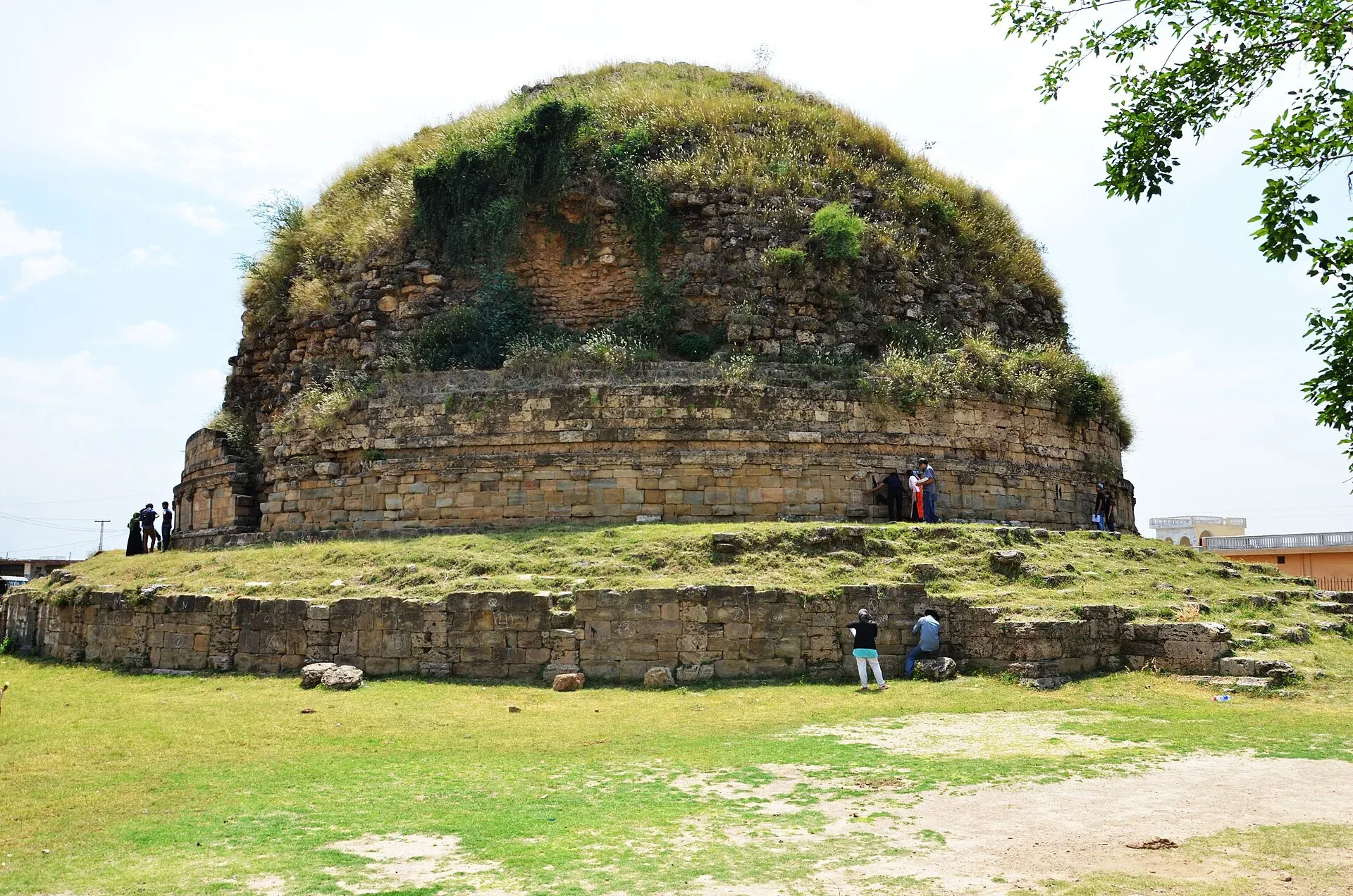
A large ruined Buddhist stupa at Tope Mankiala near Rawalpindi, linked to the Kushan emperor Kanishka and a Jataka tale of a prince feeding tiger cubs. Not on the UNESCO lists.
Overview
Mankiala Stupa (also spelt Manikyala) stands in the village of Tope Mankiala in the Pothohar region of Punjab, roughly 36 km south-east of Islamabad. It is a large Buddhist monument from the Gandhara period, easy to reach from the N-5. It is far less visited than Taxila and is mostly left to the village. A stupa is a domed Buddhist monument, often built over relics.
Plan your visit
- Nearest town
- Rawalpindi
- Getting there
The stupa is in Tope Mankiala village, near Rawalpindi. By road it is about 37 km from central Islamabad (OSRM, about 32 minutes, checked 17 November 2026). More
Best months
Feb – Apr, Oct – Dec
- Mankiala Stupa
- Related places nearby: Rawalpindi, Islamabad, Rawat Fort, Rawalpindi
History
Wikipedia (citing Dawn, 2014) gives Kanishka's reign, 128 to 151 CE, as the construction date. A Kharosthi inscription on one stone reads "in the year 18" and names several people, including the satrap Veshpashi and Burita, the monastery builder. It records the placing of Buddha relics in a monastery on the 20th day of the month of Karttika. Another theory links the stupa to the Mauryan emperor Ashoka, as one of 84 built to hold the Buddha's ashes.
Local tradition, the Jataka tales and the Golden Light Sutra tie the site to Prince Sattva, an earlier life of the Buddha, who gave his body to feed seven starving tiger cubs. The stupa is said to mark the spot.
Mountstuart Elphinstone, the first British envoy to Afghanistan, reported the stupa in 1809. In 1830 the French officer Jean-Baptiste Ventura opened it and found relic deposits. The relics were removed during British rule and are now in the British Museum. Plunderers also left a large breach in the mound. An engraving records restoration in 1891, and it has not been restored since.
What to see and do
- The stupa mound. A large, domed structure, damaged by earlier digging.
- Carved stones. Fragments such as a carved capital lie at the site.
- A colonnade. Part of a row of columns survives beside the mound.
- The views. On a clear day, the stupa is visible from Rawat Fort nearby.
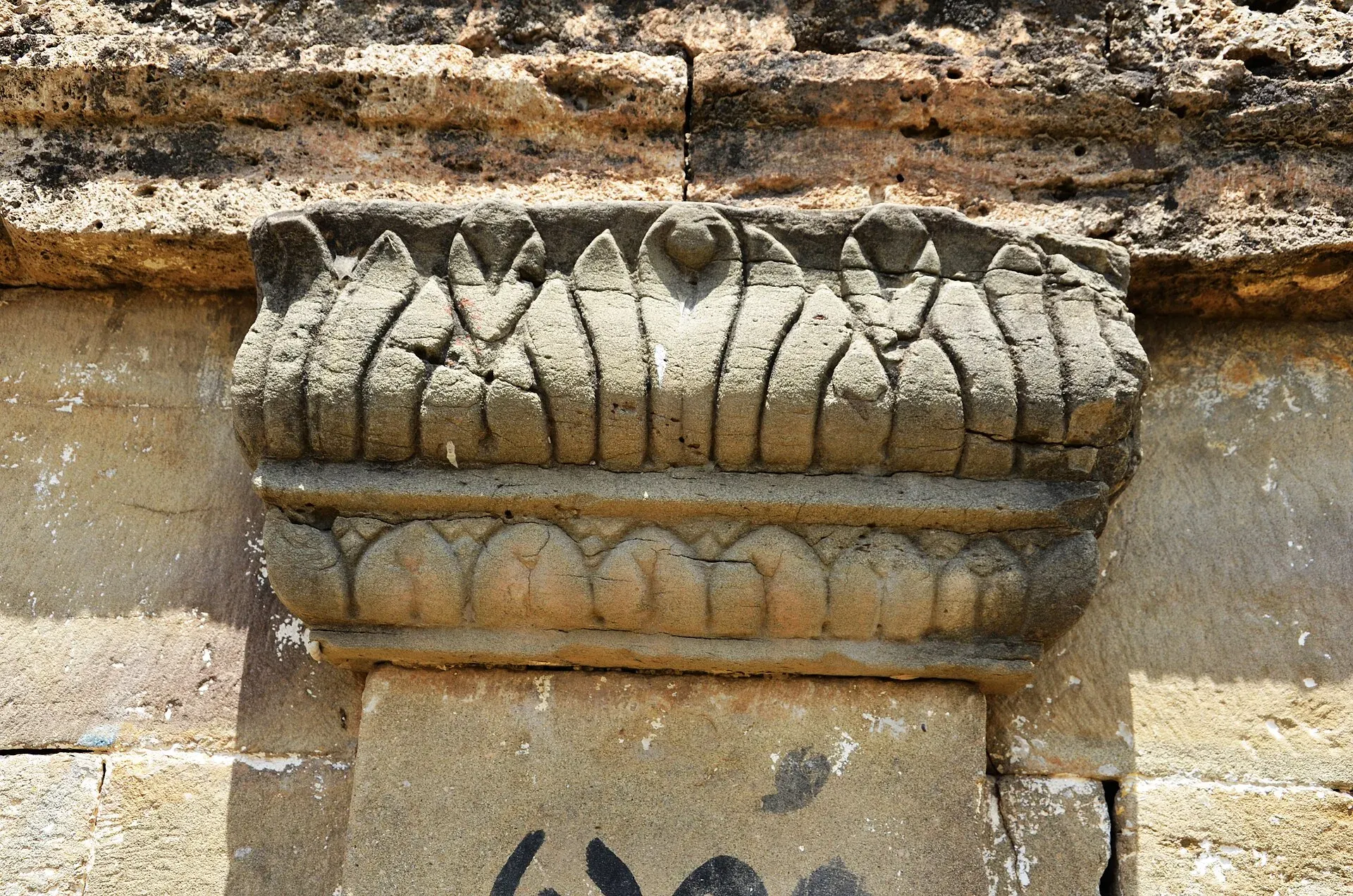
Photo: MaraimSM, with thanks · CC BY-SA 3.0 · via Wikimedia Commons · temporary stand-in photo

Around the stupa
The site is in a village setting close to Mankiala Road. Mankiala railway station, on the Karachi to Peshawar line, is in a nearby village. The stupa is also near the place called Sagri and the village of Sahib Dhamial.
A short visit
Allow an hour or so. Walk round the mound, look at the carved stones, then combine the stop with Rawat Fort on the same drive from Islamabad or Rawalpindi.
When to visit
October to March, in the morning or late afternoon.
Where to stay and eat
Stay in Rawalpindi or Islamabad; the village has only basic shops.
Good to know
- Take water and wear sturdy shoes.
- Do not climb on or damage the structure.
- Respect people living nearby and ask before photographing them.
- Opening hours and any ticket price were not confirmed by an official source. Current fees will be added soon; check with the Punjab Archaeology Department.
Highlights
- Large Kushan-period Buddhist stupa
- Kharosthi inscription naming Kanishka
- Jataka legend of the tiger cubs
- Relics found in 1830 now in the British Museum
Getting there
The stupa is in Tope Mankiala village, near Rawalpindi. By road it is about 37 km from central Islamabad (OSRM, about 32 minutes, checked 17 November 2026). Mankiala Road meets the N-5 highway towards Islamabad and Rawalpindi, and Mankiala railway station is on the Karachi-Peshawar line. A hired car from Islamabad or Rawalpindi is the simplest option.
Tips
- Combine with Rawat Fort and the N-5 route.
- Go on a clear day for views.
- Take water; there is little shade.
- Do not climb on the mound.
Sources and last checked
Last checked Confidence low3 sources5 still to check
- Last checked
- Method
- Desk research from published sources
- Confidence
- low
- Checked by
- trek.pk research team
Researched from published sources; not yet checked on the ground by our team. Spot something out of date? Report a mistake.
Sources
- Manikyala Stupa · Wikipedia · checked
- Pakistan Tourism Guide 2021 · Tourism Development Corporation of Pakistan (TDAP) · checked
- OSRM route Islamabad centre to Tope Mankiala · OSRM · checked
Still to be checked on the ground (5)
- Opening hours and entry fee (no official source)
- Stupa height and dimensions (not given in Wikipedia)
- Date of construction: Kanishka (128-151 CE per Wikipedia) or Ashoka theory; unresolved
- Protection status and current access
- Present state of the colonnade and carved stones on site
Nearby and related

Rawalpindi
Islamabad's older twin city: a busy bazaar and cantonment, the north's main rail and bus hub, and an easy base for Taxila and Murree.

Islamabad
Pakistan's green, planned capital at the foot of the Margalla Hills: Faisal Mosque, hillside trails, cafes and the gateway to the north.
Rawat Fort, Rawalpindi
A fortified caravanserai on the Grand Trunk Road about 17 km east of Rawalpindi, founded in the 15th century and turned into a Gakhar stronghold in the 16th. On Pakistan's UNESCO tentative list since 2026.