

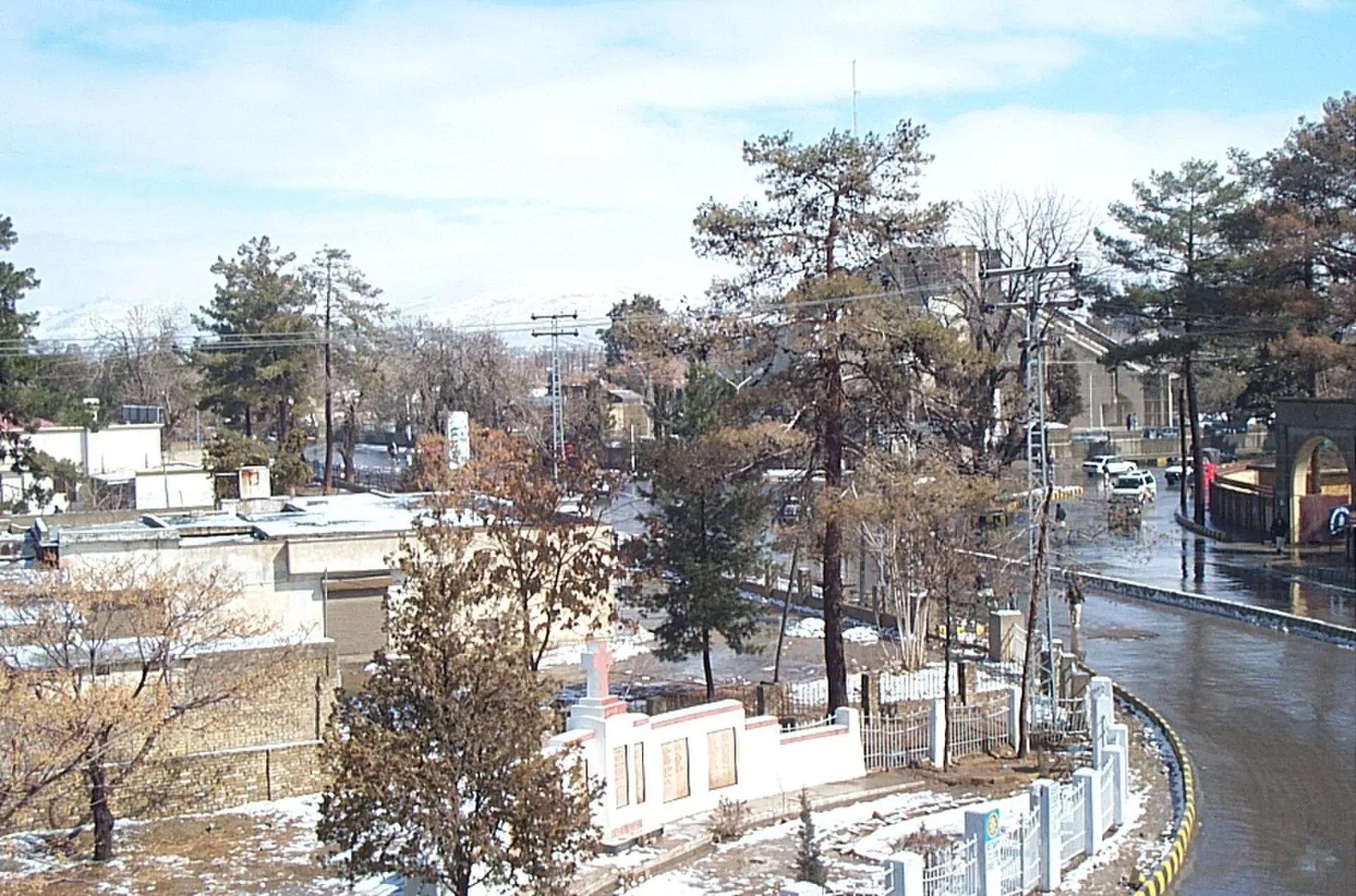
Photo: Ajmalahmedkhan, with thanks · CC BY-SA 3.0 · via Wikimedia Commons · temporary stand-in photo

Quetta Liaquat Bazaar
One of the main shopping streets of central Quetta, running along Shahrah-e-Liaquat, known for dry fruit, carpets and Balochi and Pashtun handicrafts.
Overview
Liaquat Bazaar is part of the central shopping area of Quetta, which stands at an average 1,680 m. The Balochistan High Court's district history lists Quetta's main bazaars as Shahrah-e-Liaquat (Liaquat Bazaar and Suraj Gang Bazaar), Shahrah-e-Iqbal (Kandahari Bazaar) and Jinnah Road. A travel blog says Liaquat Bazaar is named after Liaquat Ali Khan, Pakistan's first prime minister; that is not confirmed officially.
Quetta was almost completely destroyed by the 1935 earthquake and was rebuilt under British supervision, with revised town planning and building rules. The older bazaar streets have been rebuilt since.
Plan your visit
- Nearest town
- Quetta
- Getting there
The bazaar is in central Quetta along Shahrah-e-Liaquat, near Jinnah Road. Use a taxi from your hotel; parking is limited. More
Best months
Apr – Jun, Sep – Oct
What to see and do
Walk the street for dry fruit, carpets and rugs, embroidered waistcoats and sandals. The High Court page lists Balochi mirror work and Pashtun embroidery, Afghan rugs, fur coats, embroidered jackets, waistcoats, sandals and other traditional Pashtun items. Wikivoyage adds green marble products to the local buys.
It describes the rugs made by nomadic tribes as less fine and less costly than Persian or Turkoman ones, but more authentic than the copies sold in other large Pakistani cities.
Food nearby
Wikivoyage names the Khadi (kadi) kebab, sold just behind the street at Liaquat Bazaar, as the most famous in town. The High Court page lists kadi kebab, sajji (a whole leg of lamb roasted over an open fire), lamb roash and pulao among Quetta's traditional dishes. Landhi is a whole lamb that is dried and kept through the cold winters. The page says some of the finest mutton in the country is raised around Quetta.
Around the bazaar
Jinnah Road, the neighbouring main street, has its own page: see Jinnah Road. For the city as a whole, see Quetta; the Hanna and Urak orchards are a short drive away. Quetta is called the Fruit Garden of Pakistan.
When to visit
Spring and autumn are best. Quetta has a cold semi-arid climate, with a record low of -18.3 C and no monsoon season. Markets are usually busiest in the late afternoon and evening.
Good to know
- Prices: none are confirmed here.
- Dress: modestly, and ask before photographing people.
- Crowds: the centre is congested.
- Foreign visitors: read the UK FCDO travel advice for Balochistan before you plan, and confirm any local registration or escort rules with the Quetta district administration.
- Travel advice: the UK Foreign, Commonwealth & Development Office (FCDO) advises against all travel to Balochistan, including Quetta (page updated 27 October 2026, checked 16 November 2026). Check the current advice and local conditions before you plan any visit.
Highlights
- Part of Quetta's central bazaar district
- Balochi mirror work and Pashtun embroidery
- Dry fruit, rugs and traditional clothing
Getting there
The bazaar is in central Quetta along Shahrah-e-Liaquat, near Jinnah Road. Use a taxi from your hotel; parking is limited. Wikivoyage describes auto-rickshaws as the cheapest way to get around and the city centre as small enough to walk, but see the note above on rules for foreign visitors.
Tips
- Ask before photographing shopkeepers, and especially women.
- Keep to busy, central streets and go in daylight.
- Check local security conditions before you go.
- Carry small notes and agree prices before buying.
Photos we still need: a street scene in Liaquat Bazaar itself; dry fruit and rug stalls. Send us yours
Sources and last checked
Last checked Confidence low5 sources4 still to check
- Last checked
- Method
- Desk research from published sources
- Confidence
- low
- Checked by
- trek.pk research team
Researched from published sources; not yet checked on the ground by our team. Spot something out of date? Report a mistake.
Sources
- History of District Quetta · Balochistan High Court · checked
- Memories of Quetta's M.A. Jinnah Road · BOL News · checked
- Pakistan travel advice (updated 27 October 2026) · UK Foreign, Commonwealth & Development Office · checked
- Quetta · Wikipedia · checked
- Quetta · Wikivoyage · checked
Still to be checked on the ground (4)
- Exact boundaries of the bazaar and its opening days
- Shop hours and which goods are sold
- Current security situation
- Foreigners in Quetta: Wikivoyage (Feb 2025) reports police permission, armed escort and no walking; not confirmed by an official source
Nearby and related

Quetta
Balochistan's high-valley capital, the Fruit Garden of Pakistan: bazaars, sajji, orchard valleys and the base for Hanna Lake and Ziarat.

Jinnah Road (Quetta)
Muhammad Ali Jinnah Road is the central commercial street of Quetta, once the city's fashionable promenade and now crowded with shops, banks and traffic.

Hanna Urak Orchards
The fruit orchards of the Hanna Urak valley east of Quetta, growing apples, apricots, peaches and grapes. Drought has hit the 2026 crops, and access can change quickly.