

Start with altitude, not the calendar
Northern Pakistan covers several climates. A village at 2,400 m can be sunny in April while a pass at 4,000 m is still under snow in June. Nights above 3,000 m are cold in every season, and the sun at height is strong. Altitude illness can start above about 2,500 m, according to the NHS and TravelHealthPro. So pack for where you will sleep, then adjust for the month. This post condenses our longer pages on packing and insurance and on gear lists by season and altitude.
The layer system
The best system is layers: a base layer, an insulating layer and a waterproof outer shell, so that you can add or remove clothing as the day changes. Evenings are cold in the mountains even in July.
For every northern trip
- Passport (valid six months or more), printed visa approval, and copies of both
- Insurance policy number and the insurer's emergency line, saved offline
- Cash in rupees for the whole mountain leg, plus a card and a backup card kept separately
- Phone, power bank and offline maps
- Sun hat, sunglasses and high-factor sun cream
- A fleece, a windproof jacket, a rain shell and a warm hat
- Sturdy shoes, and sandals for the car
- Loose long trousers, long-sleeved tops and a light scarf, which are also respectful dress
- Water bottle with a filter or purification tablets
- Head torch with spare batteries
- A basic first-aid kit: plasters, antiseptic, oral rehydration salts, anti-diarrhoea tablets, painkillers, antihistamines, motion-sickness tablets and any prescription medicine in original packaging with a doctor's note
- A dust mask or buff for dusty roads, and snacks and extra water for long delays after landslides
- Wet wipes and hand gel; toilet paper is not always provided
By season
Spring (March to May). Cold nights, mud and unsettled weather. Bring a warm layer, a waterproof jacket and shoes that cope with wet paths. Blossom days in Hunza reach around 10 to 20 degrees Celsius.
Summer (June to August). Warm days and cold nights, strong sun and the risk of monsoon landslides. Layers plus rain gear, and a dry bag or rain cover. Rivers run high from snowmelt on treks.
Autumn (September to October). Clear air, cold nights and early storms. A down jacket for high valleys. CKNP says storms can close the upper Baltoro trail without warning in September.
Winter (December to February). Thermal base layers, insulated jacket, snow boots, hat and gloves. Roads may be closed, so carry extra food. Many guesthouses close.
If you are trekking
Choose the list that matches your highest camp.
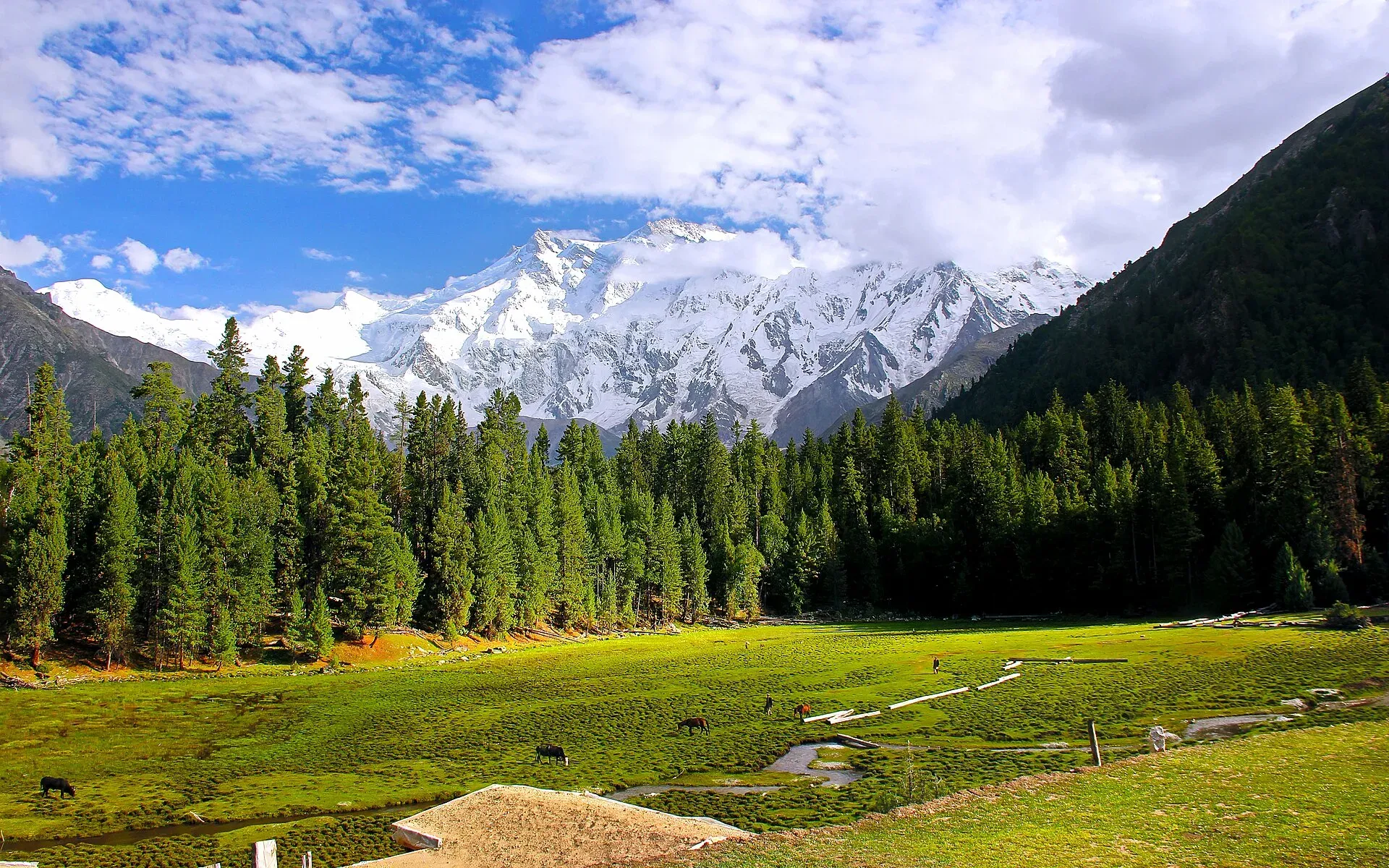
- Below about 3,500 m (summer, easy walks such as Fairy Meadows): broken-in walking boots, quick-drying clothes, fleece, waterproofs, hat, gloves, a sleeping bag if not supplied, headtorch, blister plasters, a day pack with a rain cover. Poles are optional but useful on descents.
- Camps between about 3,500 and 4,500 m: add a warmer sleeping bag and mat, an insulated jacket, thermal layers, insulated gloves with a waterproof outer, gaiters for snow or scree, eye protection against snow glare, and water purification.
- Above about 4,500 m and glacier treks: add a very warm sleeping bag rated for well below freezing, a heavy insulated jacket, stiffer boots, goggles and an emergency bivvy bag. Crampons, ice axe, helmet and harness only if your guide or operator specifies them, and only if you know how to use them.
On an organised trek the operator usually supplies tents, stoves, food and cooking kit, and often sleeping mats. Agree in writing what is included, especially sleeping bags and mats.
Dress and culture
Loose, covered clothing is respectful and practical. Women often wear a long top and a scarf. Closed shoes that are easy to remove help at shrines, and a scarf helps at mosques and sun. Our culture and etiquette article explains more.
Insurance
Do not travel without it. Rescue from the mountains can be very expensive. Check your policy for medical cover and evacuation, the maximum altitude it covers, and helicopter rescue. Travel insurance can be invalid if you travel against FCDO advice.
What to leave at home
- Single-use plastic, where you can; you will carry rubbish out
- Big wardrobes: porters and drivers carry your weight
- Anything you cannot afford to lose
A packing checklist you can copy
- Documents and insurance copies
- Cash, cards and a power bank
- Layers: base, fleece or down, windproof, waterproof
- Hat, gloves, buff and sunglasses
- Shoes or boots, spare socks
- First-aid kit and medicines
- Water treatment and a bottle
- Head torch and offline maps
- Modest clothing and a scarf
- Rubbish bags
Before you go: travel advice
Ask the district administration or local police about current conditions before you go. For foreign visitors: the UK FCDO page for Pakistan (updated 27 October 2026, checked 17 November 2026) does not advise against Gilgit-Baltistan generally, but it advises against all travel on the Karakoram Highway between Mansehra and Chilas, to Swat and Upper and Lower Dir, and on the N-45 up to the edge of Chitral city, including the Kalash valleys. Check the live page before you book, because packing will depend on where you go.


