

Photo: Syedmuradali22, with thanks · CC BY-SA 4.0 · via Wikimedia Commons · temporary stand-in photo

Deosai Plains
The high, treeless plateau of Deosai at about 4,100 m: why it is high, what grows and lives there (including the Himalayan brown bear) and how the seasons control access.
Overview
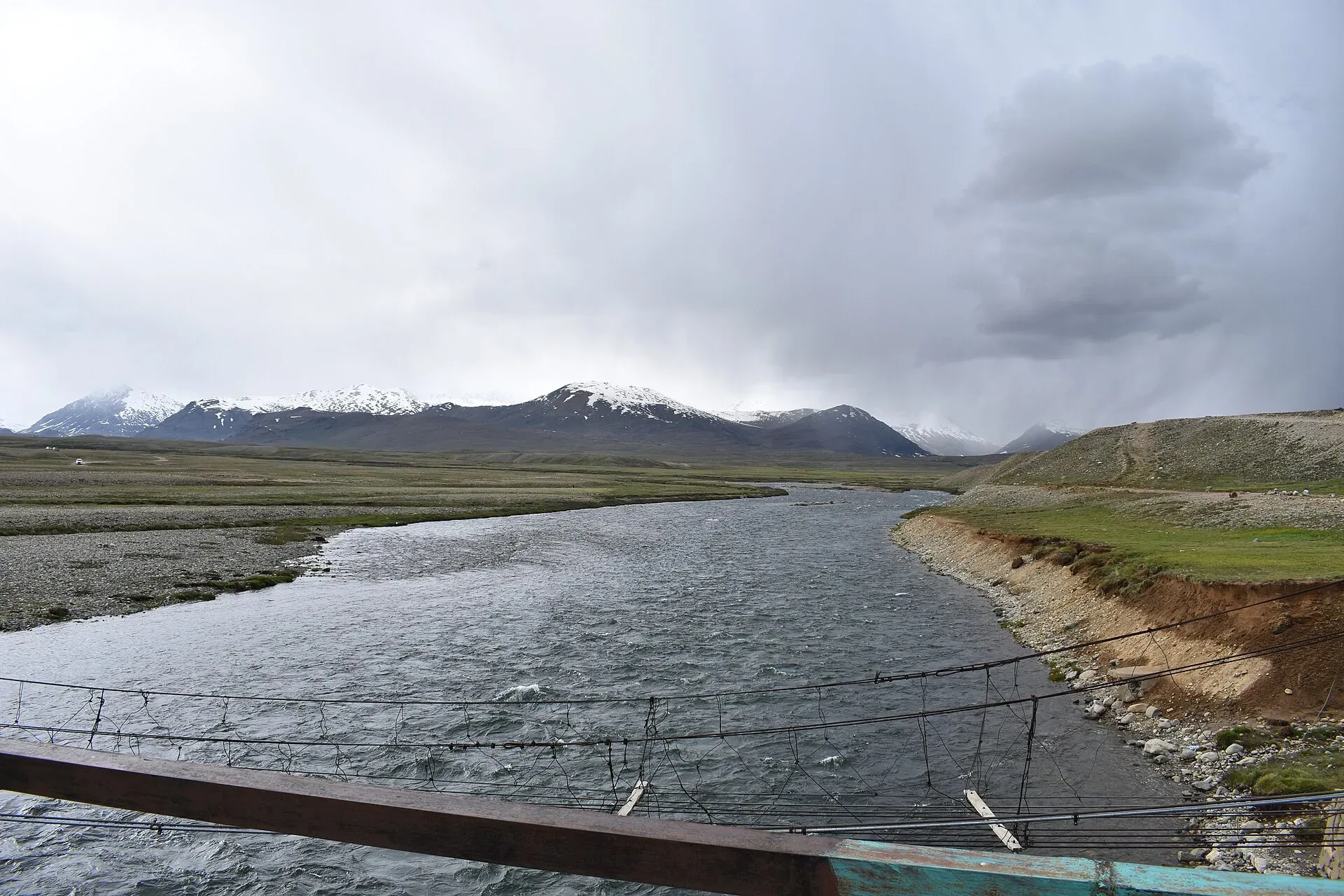
The Deosai Plains are a high plateau between Skardu and Astore, with an average height of about 4,114 m. The Balti name is usually translated as "summer's place", which tells you the main fact about it: the plateau is only usable for part of the year. Pakistan declared it a national park in 1993, and it is listed by IUCN as a Category Ib wilderness area. The country has also put it on its tentative list for World Heritage status.
This page is about the plateau as a landscape. For the park's practical entry details, see the Deosai National Park page.
Plan your visit
- Nearest town
- Skardu
- Getting there
From Skardu it is about 39 km to the edge of the plateau (OSRM, modelled 0.7 h; real times on the rough road are longer). The other main approach is from Astore (Chilim side). Skardu to Astore is about 138 km. More
Best months
Jul – Sep
- Deosai Plains
- Related places nearby: Deosai National Park, Skardu, Astore Valley (with Rama), Sheosar Lake
What to see and do
There are no trees. The ground is open tundra-like grassland, and in summer it is covered in wildflowers. Plants recorded there include the alpine herbs Polygonum affine and Thalictrum alpinum, as well as the yew Taxus contorta and the shrub Ephedra gerardiana, and several of them are used in local traditional medicine.
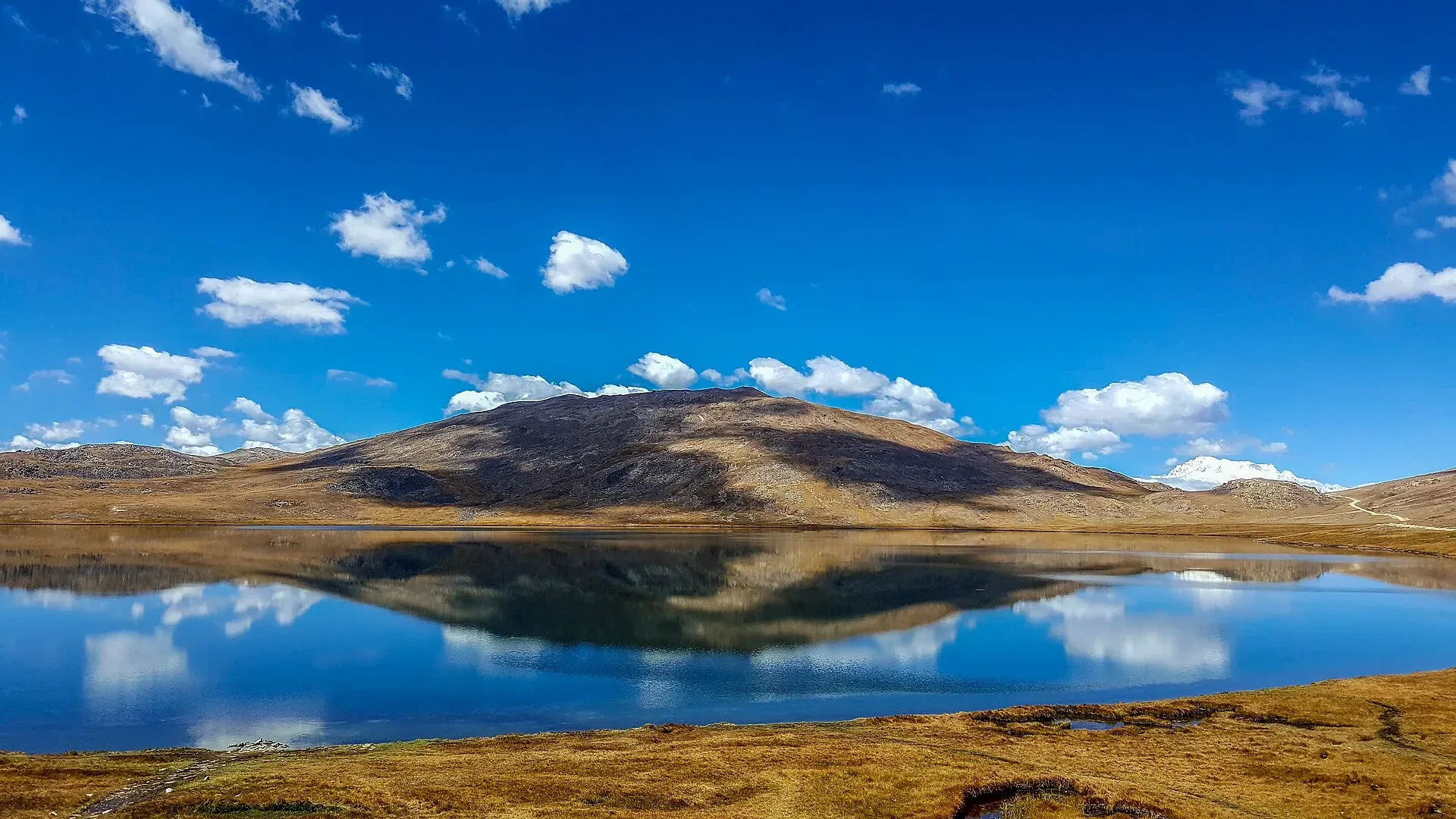
Photo: Jehan Sher, with thanks · CC BY-SA 4.0 · via Wikimedia Commons · temporary stand-in photo

The animal most people come for is the Himalayan brown bear. It is described as critically endangered within Pakistan. The count rose from about 19 animals in 1993 to about 40 in 2005, and a 2022 survey found roughly 66 to 78 (sources differ: Wikipedia's bear article cites a 2022 Gilgit-Baltistan government survey for 66, while the park article, citing The Express Tribune of 27 March 2022, gives 78). Other animals include the Siberian ibex, snow leopard, Kashmir musk deer, Himalayan wolf and Himalayan marmot. More than 124 resident and migratory bird species are recorded, including golden eagle, lammergeier and Himalayan snowcock.
Visitors drive across the plateau, walk short distances from the road and camp where the park rules allow. Keep to tracks, take all rubbish out and never feed or approach bears.
Access routes
Wikipedia lists several ways onto the plateau. The shortest is from Skardu city, about 30 km away. Others come from the Astore side via Chilim, from the Shila valley, from Mehdiabad by the Mehdiabad to Dapa road, and over Burgy La by the Burgy Nala route from Skardu. The Bara Pani is the largest of the rivers crossing the plateau, and Sheosar Lake lies in the western part of the park. The plateau is the second-highest in the world after the Changtang in Tibet (Wikipedia).
When to visit
The plateau is snow-bound for roughly November to May. Reports say the road from Skardu usually reopens in late June after the snow is cleared, so July to September is the safe window. Heavy snow closes the road from about November to March. In December 2019 Skardu's district disaster management authority cleared the Skardu to Deosai Top road for the first time in winter, after a request from the Pakistan Air Force (Dawn, 28 December 2019). Do not plan on this. Check with the park staff or Skardu district authorities before you set out.
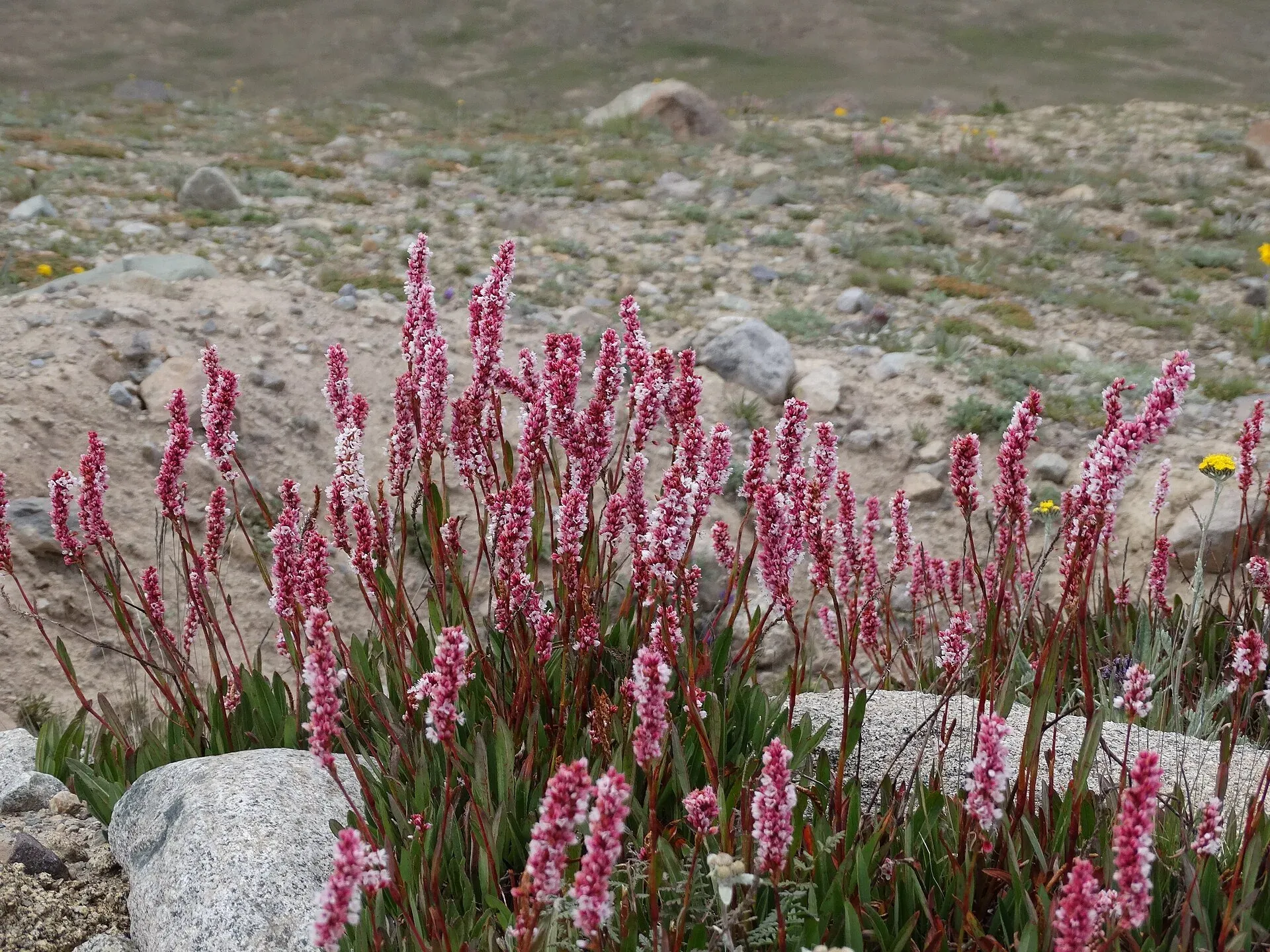
Photo: Akbar Khan Niazi, with thanks · CC BY-SA 3.0 · via Wikimedia Commons · temporary stand-in photo

Where to stay and eat
Services on the plateau are basic and seasonal. Most visitors base themselves in Skardu or Astore and make a long day trip, or camp. Carry food, water and warm clothing.
Good to know
- Park permits are obtained at the checkpost; a fee applies. Current fees will be added soon.
- The Gilgit-Baltistan Forest, Wildlife and Environment Department gives the park's area as 358,400 hectares (about 3,584 km²) and its height as about 13,500 ft.
- Hunting and poaching have reportedly declined since the 1990s. Climate change and food shortage for bears are noted as pressures.
- At 4,000 m, altitude sickness and sudden cold are real risks. The weather can turn quickly.
- Road distance from Skardu to the plateau edge is about 39 km (about 45 minutes modelled); the Astore side is about 138 km from Skardu in total. Actual times are much longer on the rough track.
Highlights
- Plateau at about 4,100 m with no trees
- Home to the Himalayan brown bear
- Summer wildflowers
- Open only from about late June to October
Getting there
From Skardu it is about 39 km to the edge of the plateau (OSRM, modelled 0.7 h; real times on the rough road are longer). The other main approach is from Astore (Chilim side). Skardu to Astore is about 138 km. The road is summer-only; a 4x4 is the usual choice.
Tips
- Carry warm layers even in July
- Allow a full day; the track is rough
- Never approach or feed bears
- Check road status with Skardu authorities before you go
Wildlife
Photos we still need: Bara Pani crossing and the road over Deosai Top. Send us yours
Sources and last checked
Last checked Confidence medium7 sources3 still to check
- Last checked
- Method
- Desk research from published sources
- Confidence
- medium
- Checked by
- trek.pk research team
Researched from published sources; not yet checked on the ground by our team. Spot something out of date? Report a mistake.
Sources
- Deosai National Park (Wikipedia) · Wikipedia · checked
- Himalayan brown bear (Wikipedia) · Wikipedia · checked
- A bulldozer clears snow from Skardu-Deosai road (Dawn, Dec 2019) · Dawn · checked
- Road conditions · skardu.pk · checked
- Pakistan Tourism Guide 2021 · TDAP Pakistan · checked
- OSRM driving routes (modelled distance and time) · OSRM project · checked
- Deosai National Park · Forest, Wildlife and Environment Department, Government of Gilgit-Baltistan (official site, undated; checked 18 November 2026) · checked
Still to be checked on the ground (3)
- Exact opening dates for this season (not published in opened sources)
- Bear count: 66 (2022 GB government survey, per Wikipedia) vs 78 (Express Tribune, 27 March 2022); not reconciled
- Permit fee and checkpost location (no official source found)
Nearby and related

Deosai National Park
A vast high plateau at about 4,100 m above Skardu and Astore, covered in wildflowers in summer. Created in 1993 to protect the Himalayan brown bear. Open only in summer.

Skardu
The main town of Baltistan, where the Indus meets the Shigar river. Skardu is the base for the Deosai Plains, the Kachura and Satpara lakes, Shigar, and the K2 and Baltoro treks.

Astore Valley (with Rama)
A forested valley south-east of Gilgit on the eastern side of Nanga Parbat, with Rama Meadows and Rama Lake, the Rupal and Rattu valleys and the seasonal road over the Deosai plateau.

Sheosar Lake
An alpine lake at about 4,250 m on the western side of Deosai National Park. It is reached by jeep from Skardu or Astore in summer and is usually snowbound from November to May.