

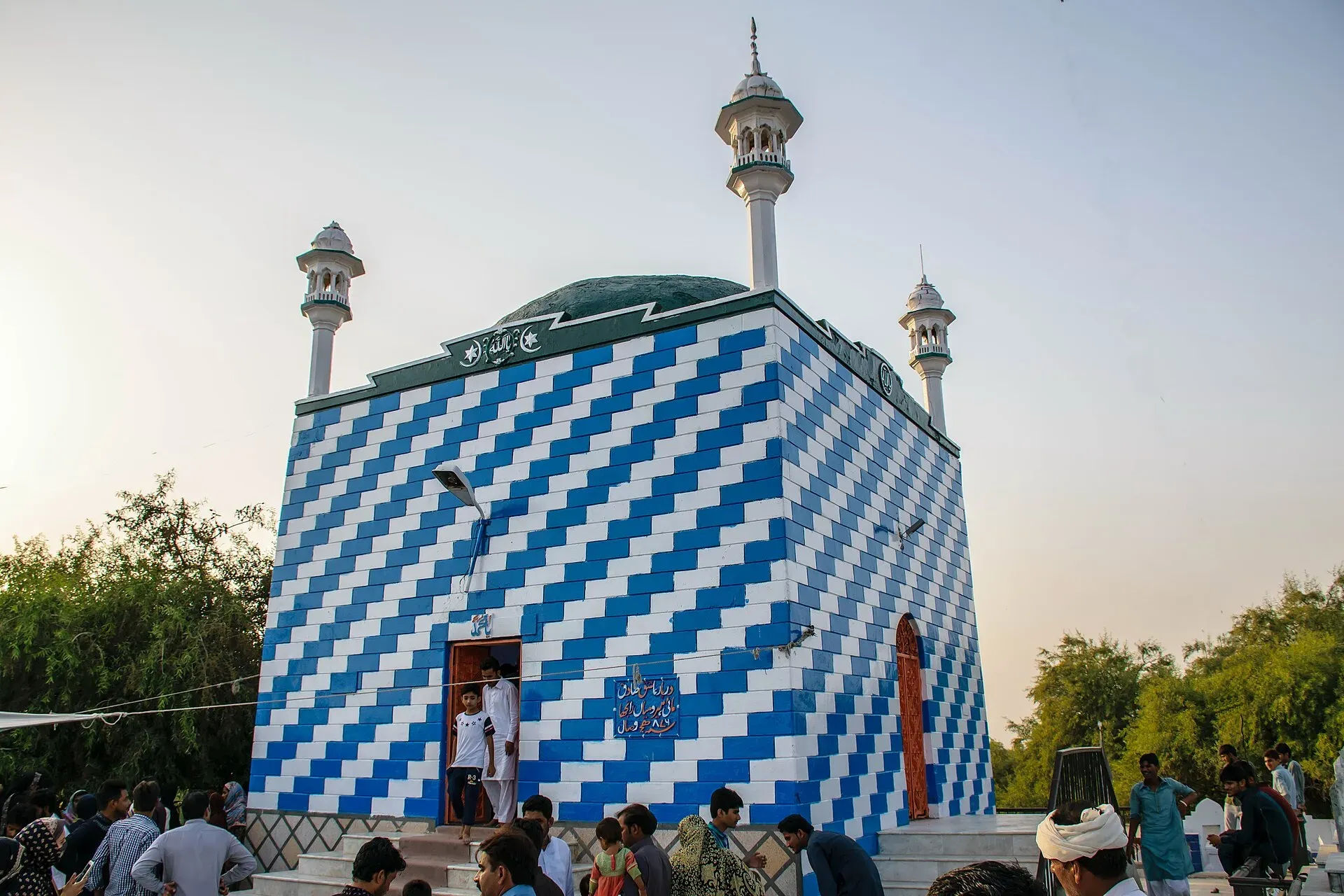
Photo: Umar Jamshaid, with thanks · CC BY-SA 4.0 · via Wikimedia Commons · temporary stand-in photo

Jhang
Old Sial capital on the Chenab, known for the tomb of Heer and Ranjha and the shrine of Sultan Bahu at Garh Maharaja nearby. About 86 km from Faisalabad.
Overview
Jhang is the capital of Jhang District in central Punjab, on the east bank of the Chenab. The historical name was Jhang Sial, "the terrain of the Sials", and "Jhang" comes from a Sanskrit word for rough or forested ground, the same root as "jungle". Under British rule the twin towns of Jhang and Maghiana, two miles apart, became one municipality. Maghiana sits on the edge of the higher ground above the Chenab valley, while the older town of Jhang lies in the lowland below.
The 2023 census population was 606,533 (Wikipedia; the Jhang municipal committee website gives the same figure), up from 414,131 in 2017 and 293,366 in 1998. In 2023 about 82 per cent of residents gave Punjabi as their first language and 17.5 per cent Urdu. Jhang stands about 158 m above sea level, close to where the Chenab and Jhelum rivers meet at Trimmu Barrage.
Plan your visit
- Getting there
Road: Faisalabad is about 86 km and roughly 1 hour 25 minutes; Multan is about 177 km and roughly 2 hours 20 minutes (OSRM, checked 16 November 2026). More
Best months
Oct – Mar
- Jhang
- Related places nearby: Faisalabad, Trimmu Headworks (Trimmu Barrage)
History
According to Wikipedia the city was built in 1288 by Rai Sial, chief of the Sial tribe. The Sials ruled the region until Ranjit Singh defeated the last Sial ruler, Ahmad Khan, in 1822. At their height their territory ran south to the Muzaffargarh boundary and took in all of Chiniot and Kamalia and parts of Bhakkar and Sargodha. By the mid-18th century Sial forces had driven Baloch tribes into the Thal and defeated the Nawab of Multan. Chiniot, with its furniture bazaar, is covered on its own page: see Chiniot.
The tomb of Heer and Ranjha
The best-known site is the shrine of Heer and Ranjha on rising ground near the city. Heer, from a wealthy Sial family, and Ranjha, a herder of the Ranjha clan, are the lovers of one of Punjab's best-known tales. In the story their meetings are discovered and Heer is married to another man. Ranjha becomes a jogi (ascetic), returns, and the families finally agree to a marriage, but on the wedding day Heer's uncle poisons her food. Ranjha arrives too late, eats what is left and dies beside her.
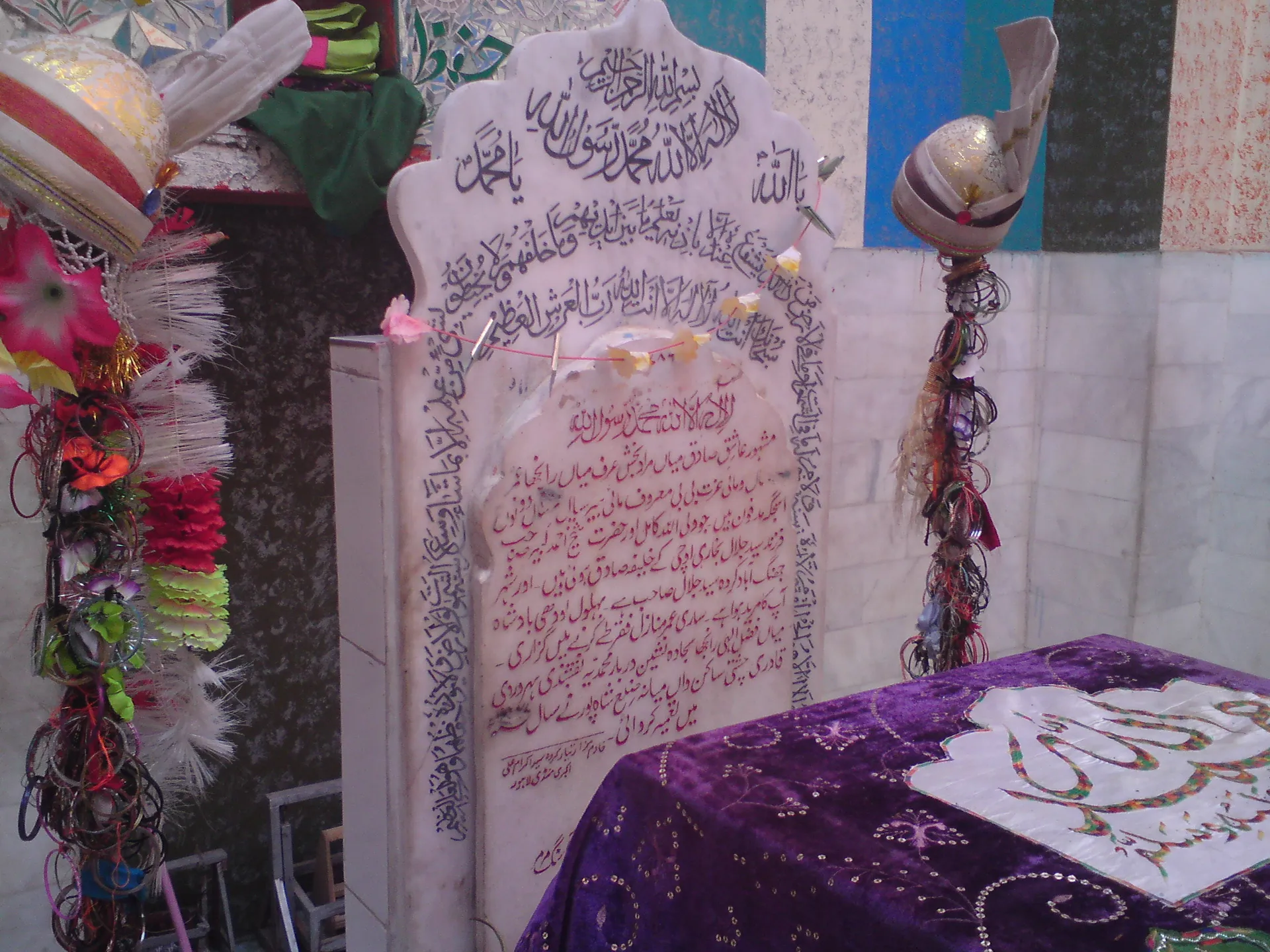
Photo: Dr. Sohaib ul Hassan, with thanks · CC BY-SA 3.0 · via Wikimedia Commons · temporary stand-in photo

The earliest known Punjabi version is by Damodar Gulati from the early 17th century. The version most people know is Waris Shah's Heer, written in 1766. The story has been filmed since 1928 and is part of the qissa genre of tragic romances; it is often compared to Romeo and Juliet. Wikipedia says that couples and others often visit the mausoleum. It is a place of local devotion, so behave quietly. Visiting rules are not documented; ask locally.
Sufi shrines
Jhang is linked with two Sufi saints. Sultan Bahu, a 17th-century saint, founded the Sarwari Qadiri order, and his shrine is at Garh Maharaja in Jhang District. It is roughly 70 km from Jhang by road (OpenStreetMap routing, about 1 hour 10 minutes), but Wikipedia gives two different coordinates for the town, so treat this as approximate. Shah Jeewna, founder of the Qalandariyya order, is also associated with Jhang.
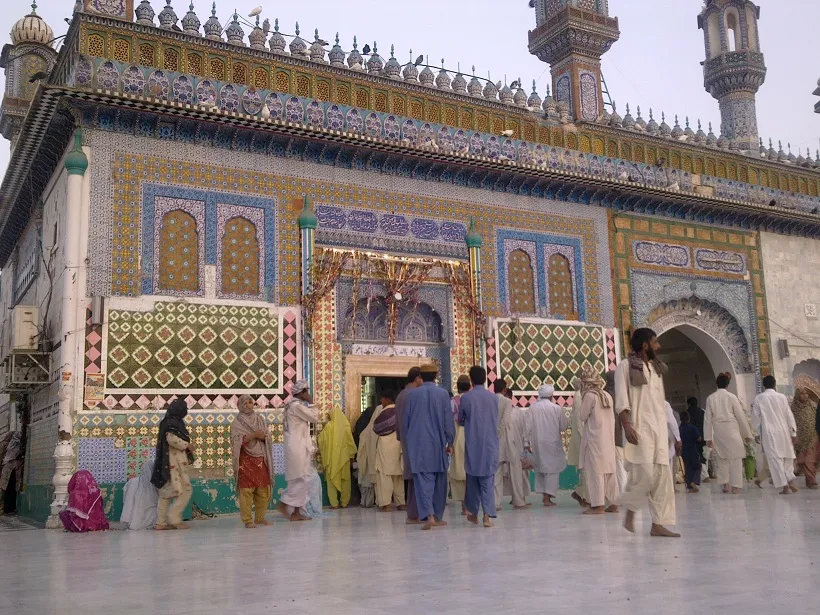
Photo: ZMAlam, with thanks · CC BY-SA 3.0 · via Wikimedia Commons · temporary stand-in photo

The Chenab and Trimmu Barrage
The Chenab meets the Jhelum at Trimmu Barrage, close to Athara Hazari. See Trimmu Headworks. The river has flooded in some monsoon seasons. In the 2014 floods Jhang was endangered but not flooded, because floodwater was redirected towards Athara Hazari. The city also has a Chenab Bridge on Jhang Road and a Chenab College.
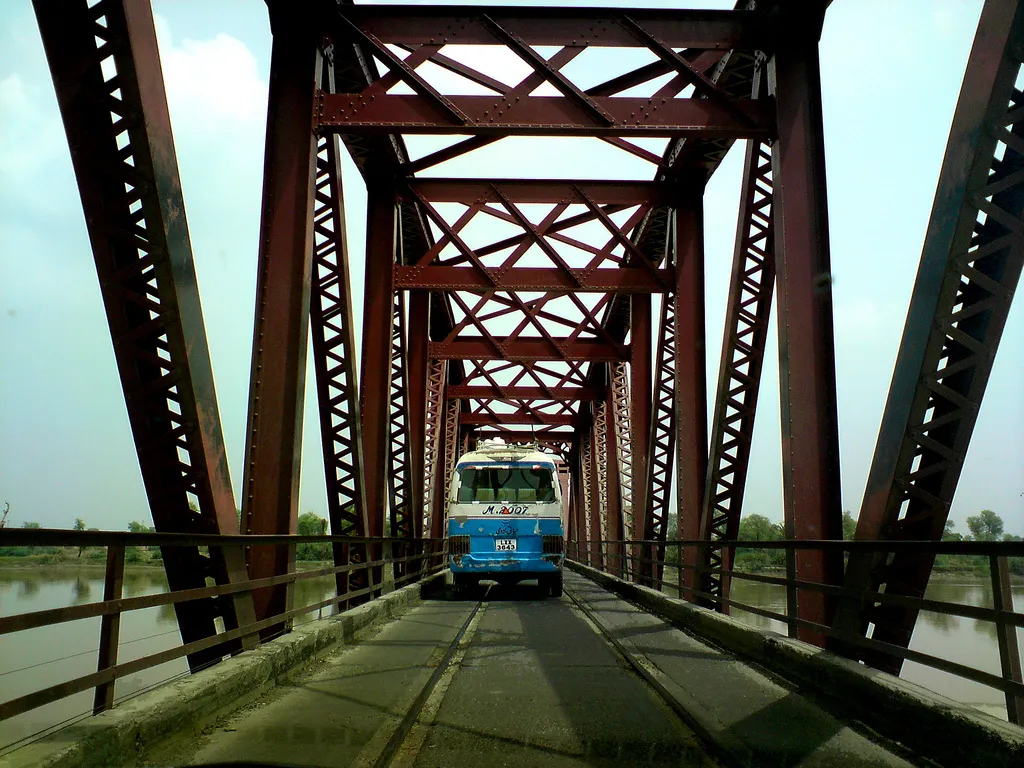
Photo: Blade 007, with thanks · CC BY 2.0 · via Wikimedia Commons · temporary stand-in photo

Bazaars and a day in town
The old town bazaars are worth a walk for local food and crafts, though no particular speciality has been documented for this page. A suggested outline for one day: start at the old bazaars in the morning, visit the tomb of Heer and Ranjha at midday, and finish at the river at Trimmu in the late afternoon. Add Garh Maharaja only if you have a vehicle and a second day.
When to visit
October to March is pleasant. Summers are very hot. Chenab floods can affect the roads and the river banks in July to September.
Where to stay and eat
Jhang has several hotels and plenty of local eateries. We have no verified names. Faisalabad, about 86 km away, has more choice.
Good to know
Expect banks, pharmacies, fuel and hospitals in a city of this size, but confirm on arrival. Check current advice before you travel. Ask the district administration or local police about current conditions before you go. For foreign visitors: the UK FCDO Pakistan page (updated 27 October 2026, checked 16 November 2026) advises against all travel to Balochistan and to a long list of Khyber Pakhtunkhwa districts, and against all but essential travel within 5 miles of the India border. Dera Ghazi Khan is the only Punjab district it lists. Jhang is not named on that page.
Highlights
- Tomb attributed to Heer and Ranjha, from the Punjabi love legend
- Shrine of Sultan Bahu at Garh Maharaja in Jhang District
- Founded in 1288 by Rai Sial
- East bank of the Chenab, near Trimmu Barrage
Getting there
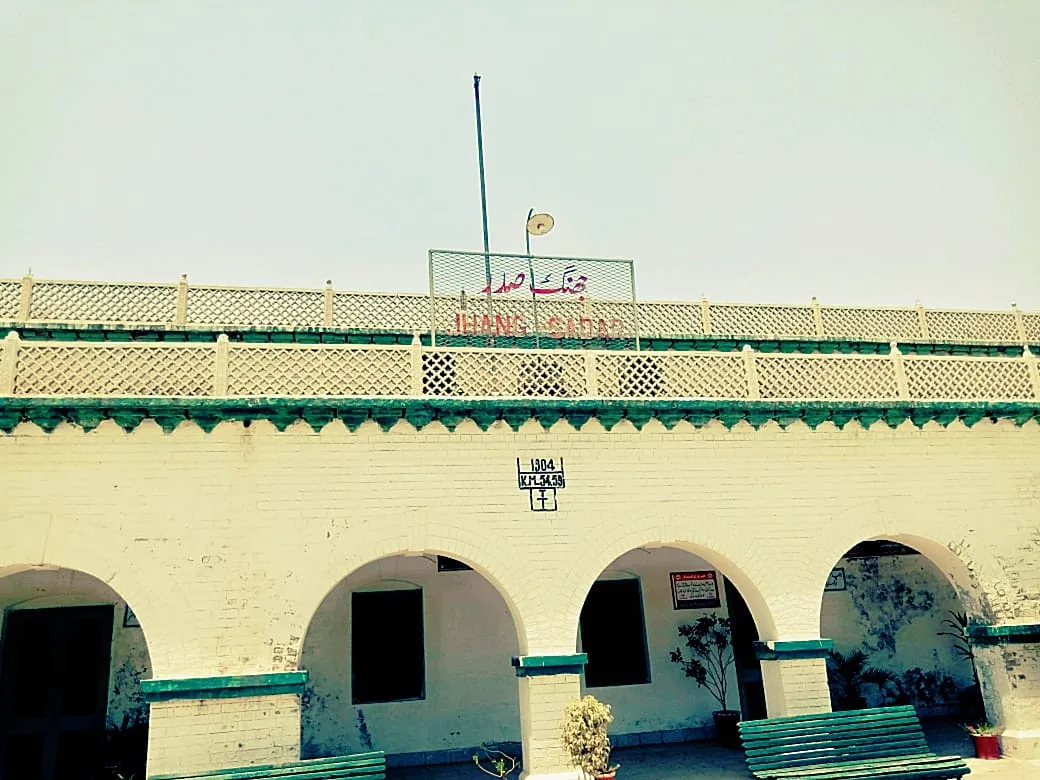
Photo: Fahads1982, with thanks · CC BY-SA 4.0 · via Wikimedia Commons · temporary stand-in photo

Road: Faisalabad is about 86 km and roughly 1 hour 25 minutes; Multan is about 177 km and roughly 2 hours 20 minutes (OSRM, checked 16 November 2026). Rail: Jhang Saddar railway station is on the Pakistan Railways network; check current services. Air: Faisalabad or Multan.
Hotels, food, fuel and services in Jhang
Places to stay
- ROYALS Castle Events MarqeeCall ROYALS Castle Events MarqeeMap of ROYALS Castle Events Marqee in Google Maps
Places to eat
- Baranh JhangCall Baranh JhangMap of Baranh Jhang in Google Maps
- Delight Sweets and BakersCall Delight Sweets and BakersMap of Delight Sweets and Bakers in Google Maps
- Fri ChicksCall Fri ChicksMap of Fri Chicks in Google Maps
- CHEEFUCall CHEEFUMap of CHEEFU in Google Maps
- CUP n Cone cafeCall CUP n Cone cafeMap of CUP n Cone cafe in Google Maps
- Shah Jee CafeCall Shah Jee CafeMap of Shah Jee Cafe in Google Maps
Essential services fuel stations, mechanics, ATMs, pharmacies, hospitals and clinics and Rescue 1122
Fuel
- ShellCall ShellMap of Shell in Google Maps
- AL FAATEH FUELSCall AL FAATEH FUELSMap of AL FAATEH FUELS in Google Maps
- PSOCall PSOMap of PSO in Google Maps
- Al-Mubarak International Petrol PumpCall Al-Mubarak International Petrol PumpMap of Al-Mubarak International Petrol Pump in Google Maps
- Shandar Irfani Petroleum ServiceCall Shandar Irfani Petroleum ServiceMap of Shandar Irfani Petroleum Service in Google Maps
- Al Hassan petroleumCall Al Hassan petroleumMap of Al Hassan petroleum in Google Maps
Mechanics and tyre shops
- Khan Battery And Oil ChangersCall Khan Battery And Oil ChangersMap of Khan Battery And Oil Changers in Google Maps
- Muqadas Honda Centre JhangCall Muqadas Honda Centre JhangMap of Muqadas Honda Centre Jhang in Google Maps
- Riaz honda care centerCall Riaz honda care centerMap of Riaz honda care center in Google Maps
- Kausar TyreCall Kausar TyreMap of Kausar Tyre in Google Maps
- Ashir TradersCall Ashir TradersMap of Ashir Traders in Google Maps
- Haseeb Tyre HouseCall Haseeb Tyre HouseMap of Haseeb Tyre House in Google Maps
ATMs
- MCB Bank NAWAZ CHOWK BRANCH Gojra Road Jhang SaddarCall MCB Bank NAWAZ CHOWK BRANCH Gojra Road Jhang SaddarMap of MCB Bank NAWAZ CHOWK BRANCH Gojra Road Jhang Saddar in Google Maps
- Askari BankCall Askari BankMap of Askari Bank in Google Maps
- The Bank of PunjabCall The Bank of PunjabMap of The Bank of Punjab in Google Maps
- HBL Satellite Town BranchMap of HBL Satellite Town Branch in Google Maps
- Allied Bank Limited Regional Office Jhang sadarCall Allied Bank Limited Regional Office Jhang sadarMap of Allied Bank Limited Regional Office Jhang sadar in Google Maps
- MCB satellite townCall MCB satellite townMap of MCB satellite town in Google Maps
Pharmacies
- Health Care PharmacyCall Health Care PharmacyMap of Health Care Pharmacy in Google Maps
- Nasir PharmacyCall Nasir PharmacyMap of Nasir Pharmacy in Google Maps
- Zeeshan PharmacyMap of Zeeshan Pharmacy in Google Maps
- Servaid Pharmacy Gojra Road Jhang SadarCall Servaid Pharmacy Gojra Road Jhang SadarMap of Servaid Pharmacy Gojra Road Jhang Sadar in Google Maps
- FDPP Jhang Ayub ChowkCall FDPP Jhang Ayub ChowkMap of FDPP Jhang Ayub Chowk in Google Maps
- Hassan PharmacyCall Hassan PharmacyMap of Hassan Pharmacy in Google Maps
Hospitals and clinics
- DHQ Hospital JhangCall DHQ Hospital JhangMap of DHQ Hospital Jhang in Google Maps
- Rural Dispensary AliabadMap of Rural Dispensary Aliabad in Google Maps
- ڈاکٹر صباء ممتاز کنسلٹنٹ گائناکالوجسٹCall ڈاکٹر صباء ممتاز کنسلٹنٹ گائناکالوجسٹMap of ڈاکٹر صباء ممتاز کنسلٹنٹ گائناکالوجسٹ in Google Maps
- Dr Ghulam Yasin Bhatti orthopedic surgeonCall Dr Ghulam Yasin Bhatti orthopedic surgeonMap of Dr Ghulam Yasin Bhatti orthopedic surgeon in Google Maps
- Zaigham Medical ComplexCall Zaigham Medical ComplexMap of Zaigham Medical Complex in Google Maps
- Dr Nasir Baloch, Child specialist/Pediatrician ClinicCall Dr Nasir Baloch, Child specialist/Pediatrician ClinicMap of Dr Nasir Baloch, Child specialist/Pediatrician Clinic in Google Maps
Rescue 1122
- Rescue 1122 OfficeCall Rescue 1122 OfficeMap of Rescue 1122 Office in Google Maps
Listings come from Google Maps data and are unverified: phone numbers, opening months and prices may have changed. Report a problem · Own one of these? Claim it
Tips
- Dress modestly at shrines and remove shoes where asked.
- Visit between October and March.
- Ask locally about the best time to visit the Heer tomb, as it is a place of worship.
- Keep a day for Faisalabad if you want more hotel choice.
Photos we still need: Jhang old bazaars. Send us yours
Sources and last checked
Last checked Confidence medium7 sources4 still to check
- Last checked
- Method
- Desk research from published sources
- Confidence
- medium
- Checked by
- trek.pk research team
Researched from published sources; not yet checked on the ground by our team. Spot something out of date? Report a mistake.
Sources
- Jhang · Wikipedia · checked
- Tomb of Heer Ranjha · Wikipedia · checked
- Municipal Committee Jhang · Local Government Punjab · checked
- OSRM driving routes (road distances and times, optimistic) · Project OSRM · checked
- Pakistan travel advice: warnings and insurance · UK FCDO (GOV.UK) · checked
- Garh Maharaja (Wikipedia) · Wikipedia · checked
- Heer Ranjha (Wikipedia) · Wikipedia · checked
Still to be checked on the ground (4)
- Distance to Sultan Bahu shrine at Garh Maharaja (about 70 km by OpenStreetMap routing, but Wikipedia's coordinates for the town conflict)
- Visiting rules at the Heer tomb
- Hotels and services
- Local food and crafts of Jhang (no source found)
Nearby and related

Faisalabad
Pakistan's textile capital: a planned colonial city built around a clock tower with eight bazaars, plus gardens, a wildlife park, and the old wood-carving town of Chiniot nearby.

Multan
The City of Saints in southern Punjab: blue-tiled Sufi shrines, a crowded old city, blue pottery, sohan halwa and mangoes.

Sargodha
A planned canal-colony city in central Punjab, famous for kinnow oranges, with the dark Kirana Hills nearby and easy road links to Lahore, Faisalabad and Islamabad.
Trimmu Headworks (Trimmu Barrage)
A barrage on the Chenab in Jhang district, built in 1938 to 1939 below the Jhelum confluence. It protects Jhang from floods and feeds link canals.

Chiniot
Chenab-side city known for carved wooden furniture and Mughal-era architecture, about 38 km north of Faisalabad. 318,165 people (2023 census).