

Start with the grade, then read the details
Every trek on trek.pk has one of four grades. They are a quick filter, not a promise, because weather, river levels and your own form change the real effort.
| Grade | What it means |
|---|---|
| Easy | Clear paths, under 3,500 m, about 3 to 5 hours of walking a day, suitable for families |
| Moderate | Some steep sections, up to 4,500 m, about 5 to 7 hours a day, basic fitness needed |
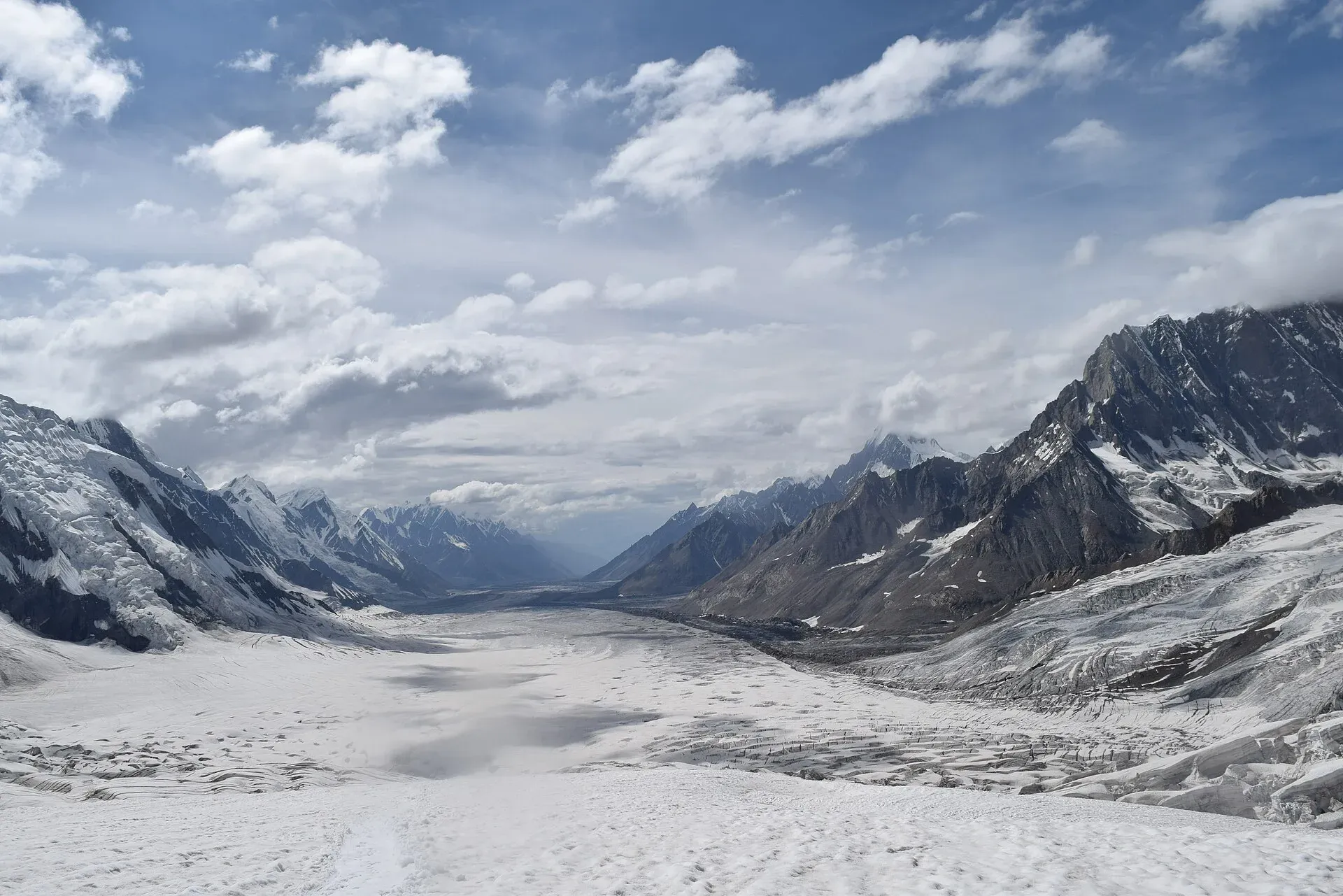
| Strenuous | Long days, glaciers or high passes above 4,500 m, previous trekking experience |
| Technical | Glacier travel, ropes or crampons, an experienced guide is required |
Two treks with the same grade can feel very different. A moderate trek that starts at 3,800 m is harder on your body than one that starts at 2,000 m, because of altitude, not distance.
The four things that decide difficulty
1. Altitude. This is the factor people underestimate. Being fit does not reliably protect you from altitude sickness. What protects you is a gradual climb in sleeping height. Read the altitude sickness guide before choosing anything with camps above 3,000 m. Both the NHS and the CDC advise that above 3,000 m you should raise your sleeping height by no more than about 500 m a day.
2. Daily hours and total days. Check the hours per day, not only the distance. In steep terrain, 8 km can take a full day. Long treks are tiring in a cumulative way: day eight is harder than day two even on an identical path.
3. Terrain. Look for scree, boulder fields, moraine, glacier crossings, river fords and exposed ledges. Walking on loose rock or moraine is slower and tires the ankles and knees more than a good path of the same length.
4. Remoteness. Ask how many days you are from a road and from medical help. On long glacier treks you can be several days' walk from the nearest road, which changes what "a small problem" means.
Match yourself honestly
First high-altitude trek, reasonably active. Choose an easy or moderate trek in the open zone, with short days and a few nights above 3,000 m. On trek.pk, Fairy Meadows and Rakaposhi Base Camp are graded easy and both are open-zone. Note that Fairy Meadows reaches about 3,970 m at its highest point, so even an easy grade can mean real altitude. Treat the first one as your test of how you handle height.
Regular hill walker, comfortable with 5 to 7 hours a day. A moderate trek with a pass below about 4,500 m is a sensible next step. Build in spare days.
Experienced trekker, fit, has been above 4,000 m. Strenuous treks with glaciers and high passes become realistic, ideally with a licensed guide and a team that knows the route.
Technical grade. Only if you can do the ropework yourself or you travel with a qualified guide who will teach and supervise it. An older Lonely Planet guide to the region notes that many treks include glacier days where rope technique and crevasse rescue are essential, and that for most trekkers going without a guide is an ill-advised risk.
Check your time and your margin
- Add spare days. Weather, landslides, high rivers and flight delays are normal in Pakistan's mountains. A trek with no spare days turns every delay into a risk. One or two buffer days is a sensible minimum.
- Pick the right season. Many Karakoram routes are usable only in summer. Snow, high river levels and closed passes decide the window. See the when-to-go article and each trek's best months.
- Consider acclimatisation first. If you arrive by air to Skardu, Gilgit or Chitral you gain height quickly. Plan a gentle first day or two before a hard trek.
- Be honest about the group. The trek's pace is the pace of its slowest member. If one person is struggling, the whole group is.
Health conditions
If you have heart or lung disease, are pregnant, or take regular medication, see a doctor experienced in altitude medicine before booking. The CDC Yellow Book lists conditions that call for specialist advice, including coronary artery disease, chronic lung disease, sleep apnoea and sickle cell trait, and lists unstable angina, poorly controlled asthma, severe lung disease and a heart attack or stroke within 90 days as contraindications. For pregnancy it says clinicians may reasonably advise not sleeping above 3,050 m. These are general medical cautions, not a replacement for your own doctor.
Questions to ask before you commit
- How many hours a day, and what is the longest day?
- What is the highest sleeping altitude, and how fast do we reach it?
- Is there a rest or acclimatisation day, and where?
- Are there river fords, glacier sections or exposed paths?
- How far is the nearest road and the nearest doctor?
- Can the plan be shortened if someone is unwell?
- Who is the guide, and are they licensed? (See the hiring guide.)
If in doubt, choose the shorter option
You can always add a side trip once you know how your body is coping. You cannot easily shorten a trek that is already under way in a remote valley. Many experienced trekkers in Pakistan do an easier first trek, then step up the next year.
Rules about which areas you may enter, permits and guides change. Check the visa and permits page and the official tourism department before you book.


