

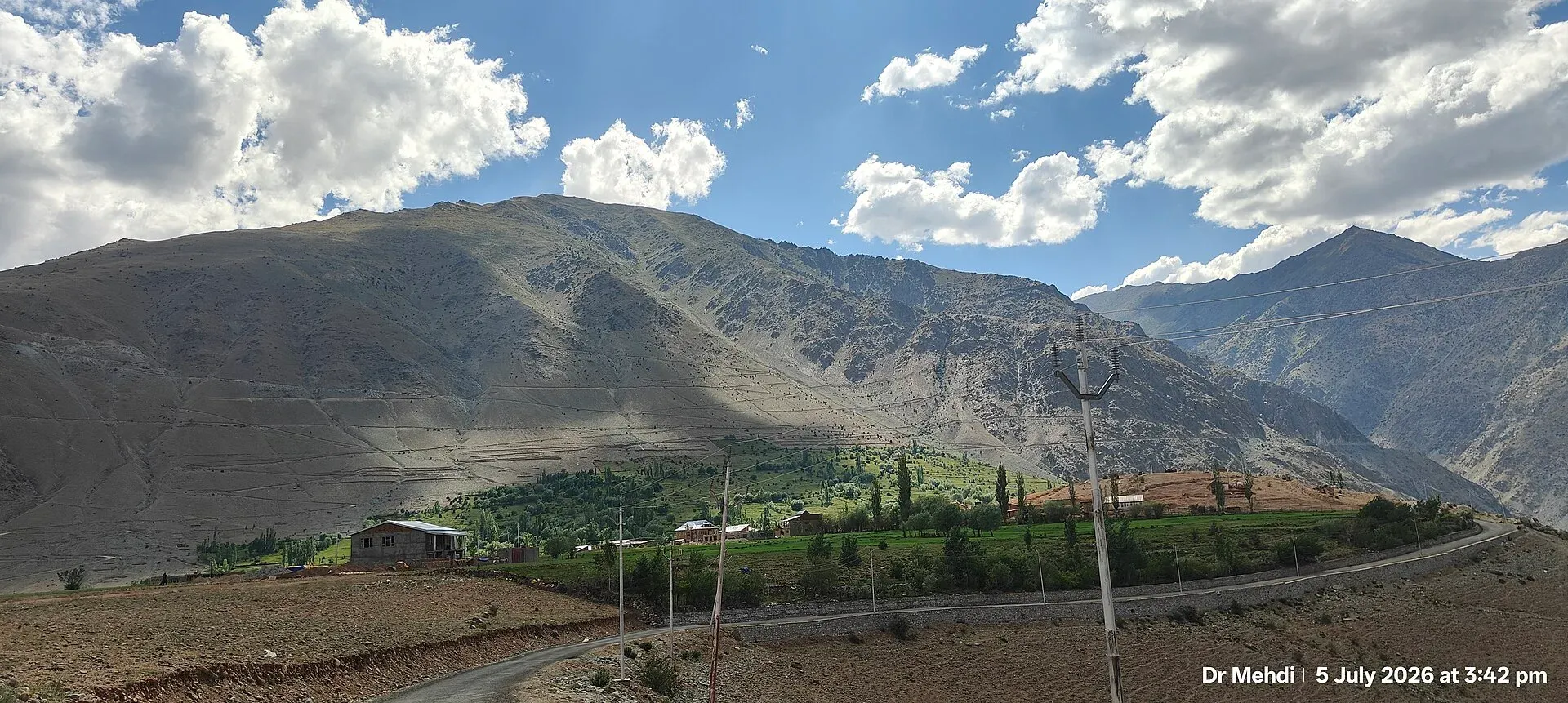
Photo: Baltidiaries, with thanks · CC BY-SA 4.0 · via Wikimedia Commons · temporary stand-in photo
Languages
Urdu and English, plus Punjabi, Pashto, Sindhi, Balochi and mountain languages: who speaks what, and 20 useful Urdu phrases for travellers.
Key facts
- Urdu is the national language and English is official
- More than 70 languages are spoken
- Punjabi is the most widely spoken mother tongue
- Mountain valleys have rare languages such as Burushaski and Kalasha
- 20 Urdu phrases for travellers below
Overview
Pakistan has more than 70 languages. Most people speak two or three: a home language, Urdu, and sometimes English. As a visitor you can get by with English in most tourist settings, but a few words of Urdu will warm every conversation.
National and official languages
- Urdu is the national language. It is the common language between communities and is used in schools, media and daily life. Only a minority of people speak it at home, but almost everyone understands it. Urdu is written in a Persian-based script from right to left, and is close to Hindi in speech.
- English is an official language, used in government, law, higher education and tourism.
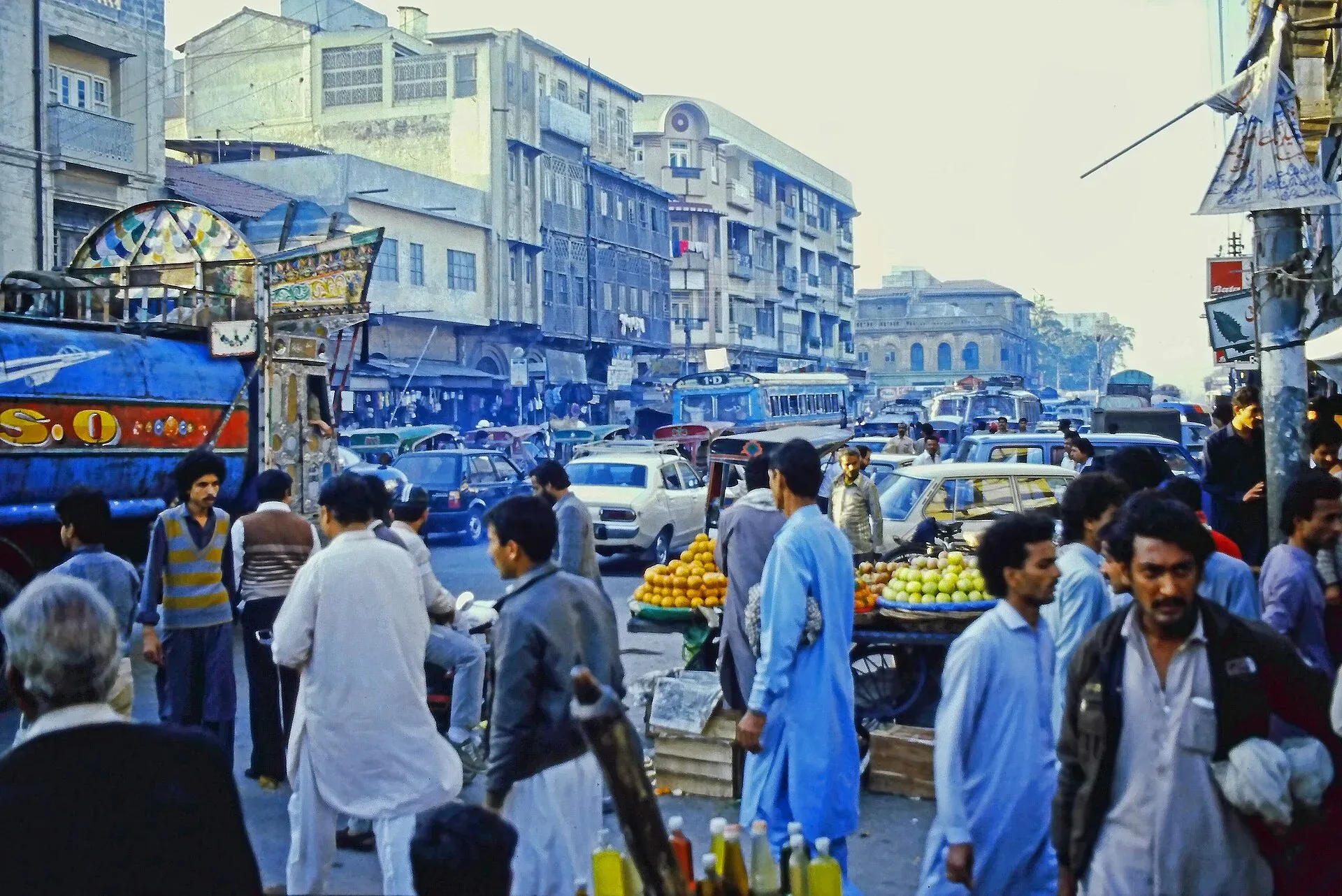
Photo: Jan Kranendonk, with thanks · CC BY-SA 4.0 · via Wikimedia Commons · temporary stand-in photo
Main regional languages
Shares of mother tongue from the 2023 census, rounded (the 2017 figures are in brackets):
- Punjabi: about 37 per cent (39). Spoken across Punjab.
- Pashto: about 18 per cent (18). Spoken in Khyber Pakhtunkhwa and northern Balochistan.
- Sindhi: about 14 per cent (15). Spoken in Sindh.
- Saraiki: about 12 per cent (12). Spoken in southern Punjab and parts of Sindh and Khyber Pakhtunkhwa.
- Urdu: about 9 per cent (7) as a mother tongue, mostly in Karachi, Hyderabad and other cities.
- Balochi: about 3 per cent and Brahui about 1 per cent, in Balochistan.
- Hindko (about 2 per cent), Kashmiri, Kohistani, Pahari, Gojri and others in the north and Azad Kashmir.
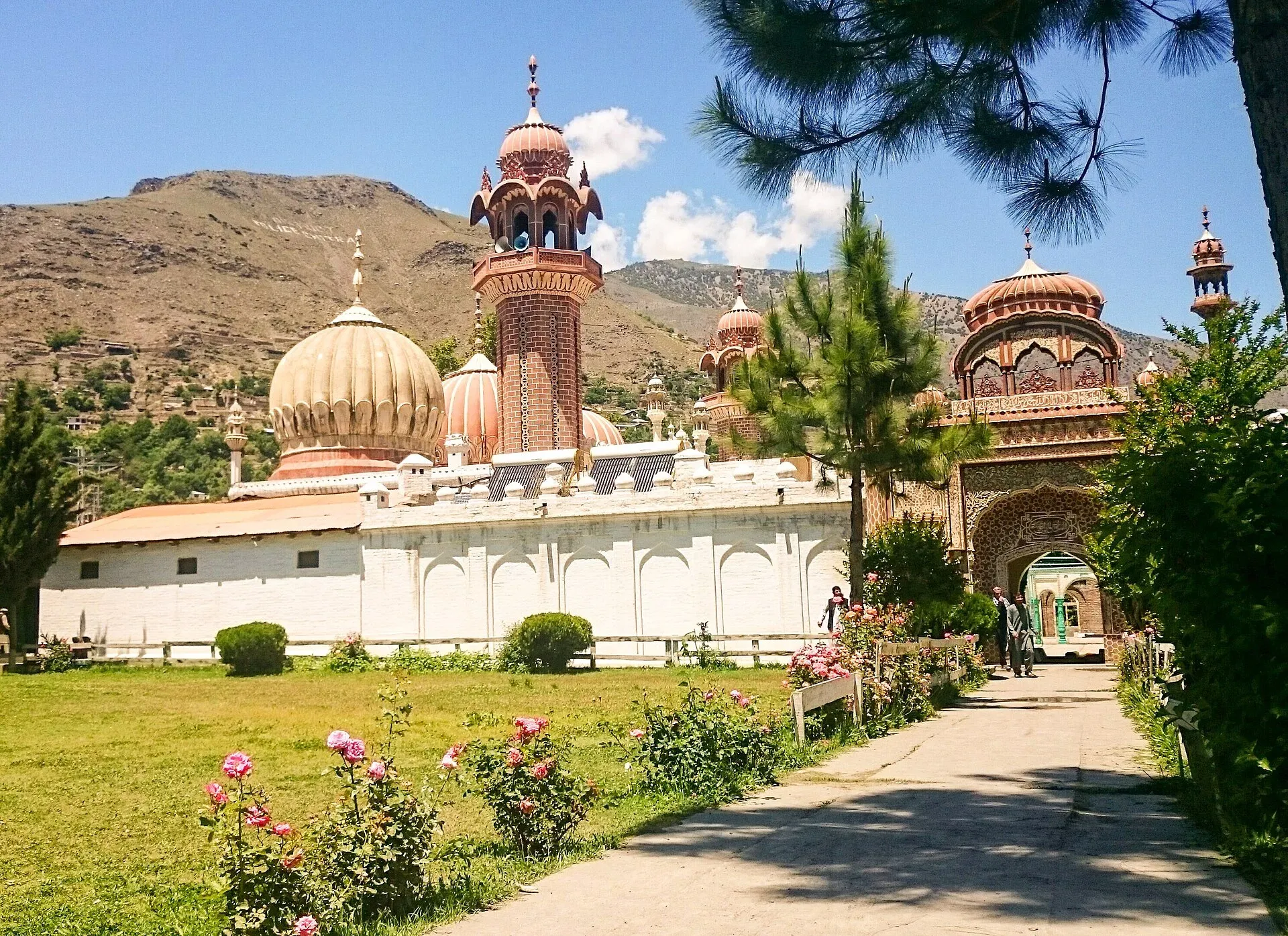
Photo: Fassifarooq, with thanks · CC BY-SA 4.0 · via Wikimedia Commons · temporary stand-in photo
Mountain languages
The far north is a linguistic treasure chest. Each of these has only a small share of the national count.
- Shina: Gilgit, Diamer and Astore.
- Balti: Baltistan, related to Tibetan.
- Burushaski: Hunza, Nagar and Yasin; a language isolate with no known relatives.
- Wakhi: upper Hunza (Gojal).
- Khowar: Chitral and Ghizer.
- Kalasha: the Kalash valleys. It has only a few thousand speakers.
- Domaaki and others: very small communities.
Many of these languages are mostly spoken, and community groups are working to record and teach them. Show interest and respect.
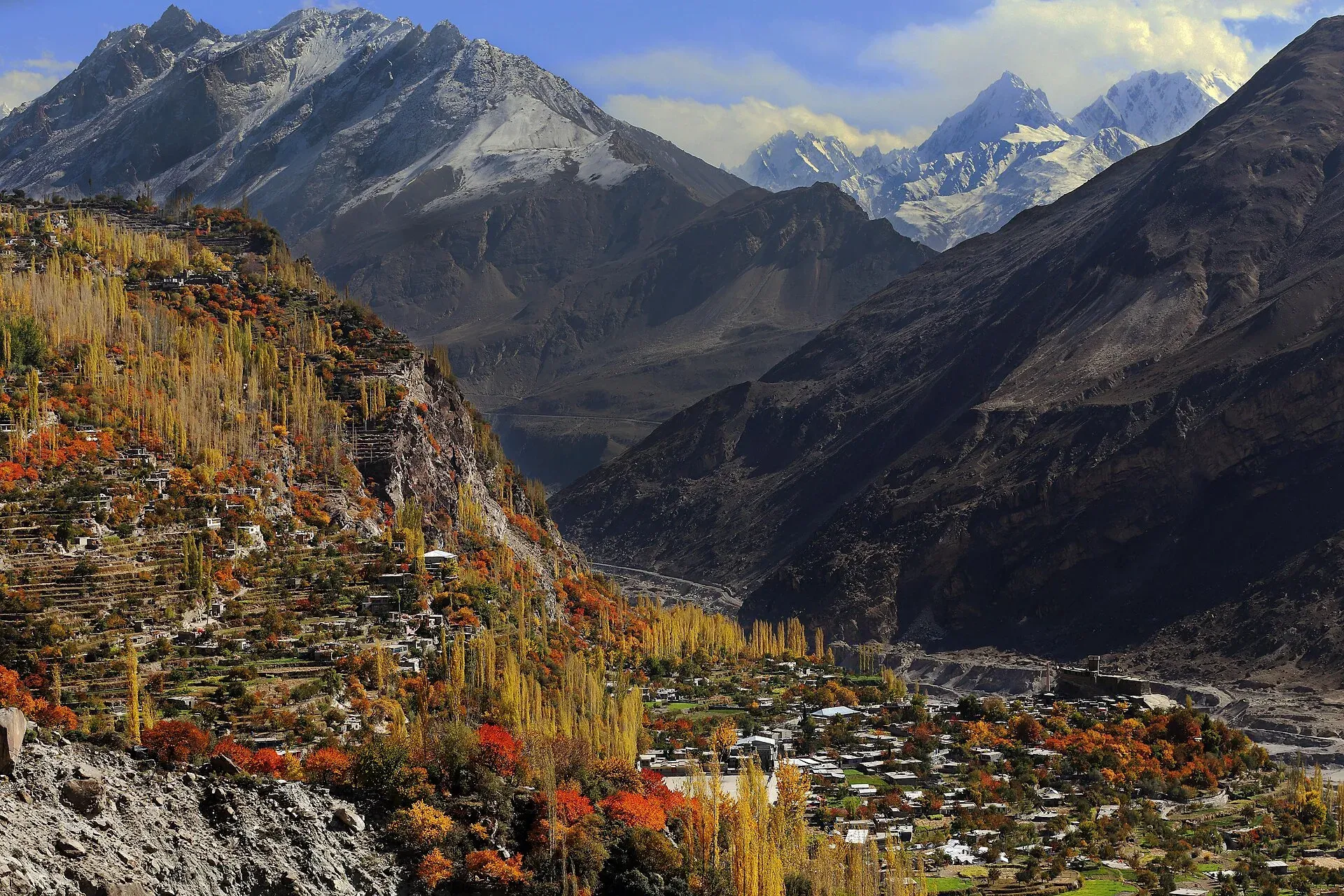
Photo: Usmanmiski, with thanks · CC BY-SA 3.0 · via Wikimedia Commons · temporary stand-in photo
Language and travel
In cities, shop signs, menus and transport boards often use English or both English and Urdu. In the countryside, expect Urdu or the local language. Guides, drivers and hotel staff in tourist areas often speak good English. Writing your destination in Urdu or showing it on a map helps with taxis and rickshaws.
20 useful Urdu phrases
Pronunciation is simplified. Say them slowly and smile.
- Assalam-o-alaikum (a-sa-LAAM o a-LAY-kum): Hello (peace be upon you)
- Wa alaikum assalam: And peace be upon you (the reply)
- Aap kaise hain? (aap KAY-say HAIN): How are you?
- Main theek hoon (main TEEK hoon): I am fine
- Shukriya (shook-REE-ya): Thank you
- Meherbani (meh-her-BAA-nee): Kindness, a polite "thank you" or "please"
- Jee haan (jee HAAN): Yes (polite)
- Jee nahin (jee na-HEEN): No (polite)
- Maaf kijiye (MAAF kee-JAY): Excuse me; sorry
- Mera naam ... hai (MAY-ra NAAM ... hai): My name is ...
- Aap ka naam kya hai? (aap kaa NAAM kyaa hai): What is your name?
- Yeh kya hai? (yeh KYAA hai): What is this?
- Kitne ka hai? (KIT-nay kaa hai): How much is it?
- Paani chahiye (PAA-nee chaa-HEE-yay): I need water
- Chai, please is understood everywhere; or ek chai (ek CHAI): one tea
- Mujhe samajh nahin aaya (MOO-jhay sa-MAJ na-HEEN aa-YAA): I did not understand
- Dobara boliye (do-BAA-ra bo-LEE-yay): Please say that again
- Madad kijiye (MA-dad kee-JAY): Please help me
- ... kahan hai? (... ka-HAAN hai): Where is ...?
- Khuda hafiz (khu-DAA haa-FIZ): Goodbye (God protect you)
A few extras: bohat achha means "very good" and bas, shukriya means "enough, thank you" when your plate is full.
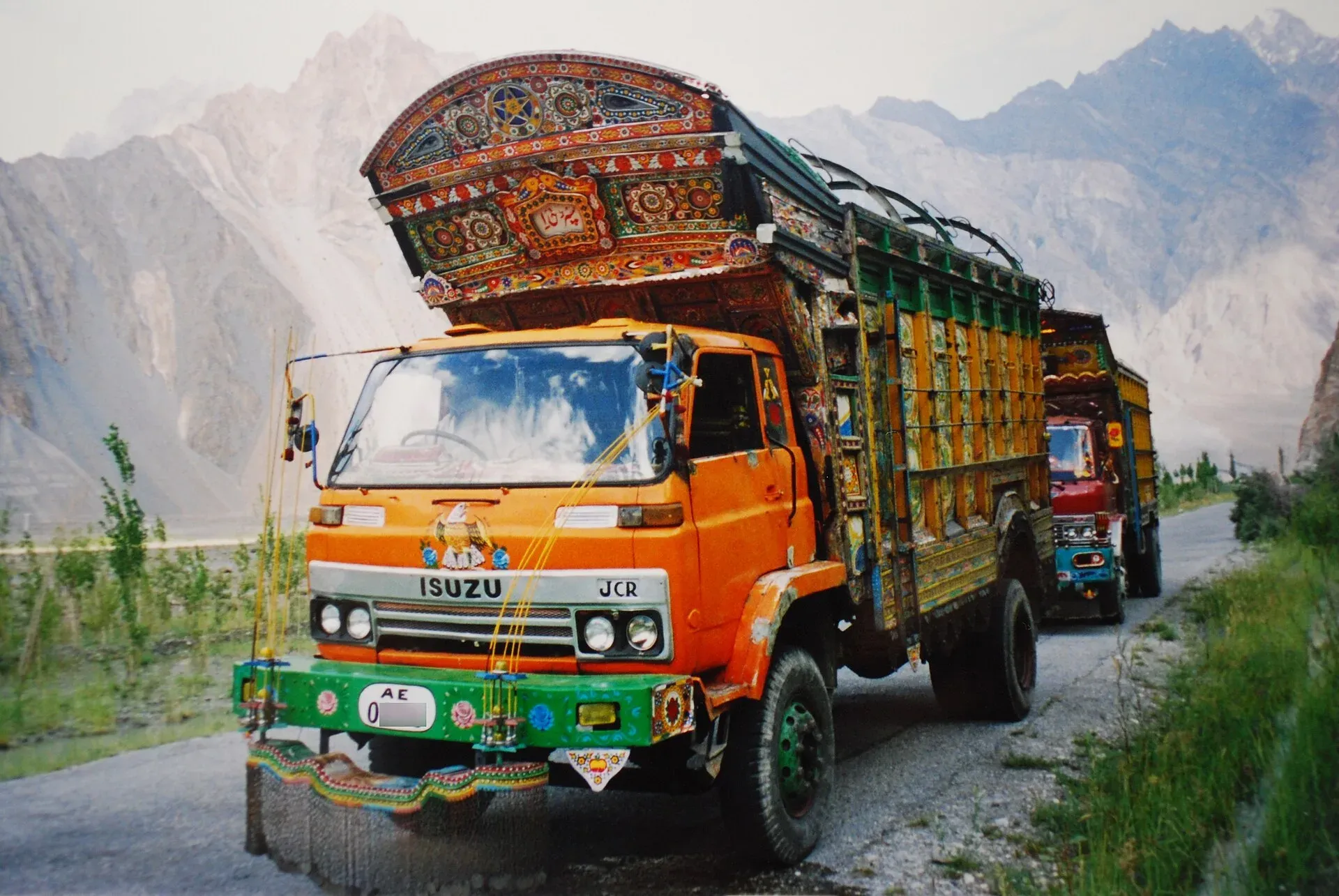
Photo: katorisi, with thanks · CC BY-SA 3.0 · via Wikimedia Commons · temporary stand-in photo
Good to know
Some travellers write Urdu in Roman letters (Roman Urdu) in messages. Spellings vary, so do not worry about being exact. If you learn only one phrase, make it shukriya.
Sources and last checked
Last checked Confidence high2 sources2 still to check
- Last checked
- Method
- Desk research from published sources
- Confidence
- high
- Checked by
- trek.pk research team
Researched from published sources; not yet checked on the ground by our team. Spot something out of date? Report a mistake.
Sources
- Languages of Pakistan (2017 and 2023 census mother-tongue table) · Wikipedia · checked
- Pakistan Tourism Guide 2021 · TDAP · checked
Still to be checked on the ground (2)
- Romanised spellings of Urdu vary; audio recordings to be added
- Native-speaker review of the phrases is recommended


