

Photo: Usman.pg, with thanks · CC BY-SA 3.0 · via Wikimedia Commons · temporary stand-in photo
Religion and Sacred Sites
Islam in its many traditions, plus Sikh, Hindu, Christian and Buddhist heritage and the Kalash: sacred places to visit in Pakistan and how to visit them respectfully.
Key facts
- About 96 per cent of Pakistanis are Muslim, mostly Sunni, with Shia, Ismaili and Sufi traditions
- Sikh holy places at Nankana Sahib, Kartarpur and Hasan Abdal
- Hindu temples at Katas Raj, Umerkot and Hinglaj
- Ancient Buddhist stupas and monasteries at Taxila and Takht-i-Bahi
- The Kalash, with their own ancient religion
Overview
Faith shapes daily life in Pakistan. About 96 per cent of people are Muslim (96.47 per cent in the 2017 census and 96.35 per cent in the 2023 census), and the rest include Hindus, Christians, Sikhs, Ahmadis, Parsis, Buddhists and the Kalash. The country is also rich in sacred places from earlier times. This page is a guide to the main traditions and where you can see them.
Islam
Most Pakistanis are Sunni Muslims, with a large Shia minority. Wikipedia gives Sunnis as an estimated 90 to 95 per cent of Muslims, with the rest mainly Shia, but other estimates differ. Within Sunni Islam there are different schools and approaches, and many people practise Sufism. In the northern valleys of Gilgit-Baltistan and Chitral, many people are Ismaili Muslims, followers of the Aga Khan, with welcoming jamatkhanas and strong community schools and clinics. Nurbakhshi communities live in Baltistan.
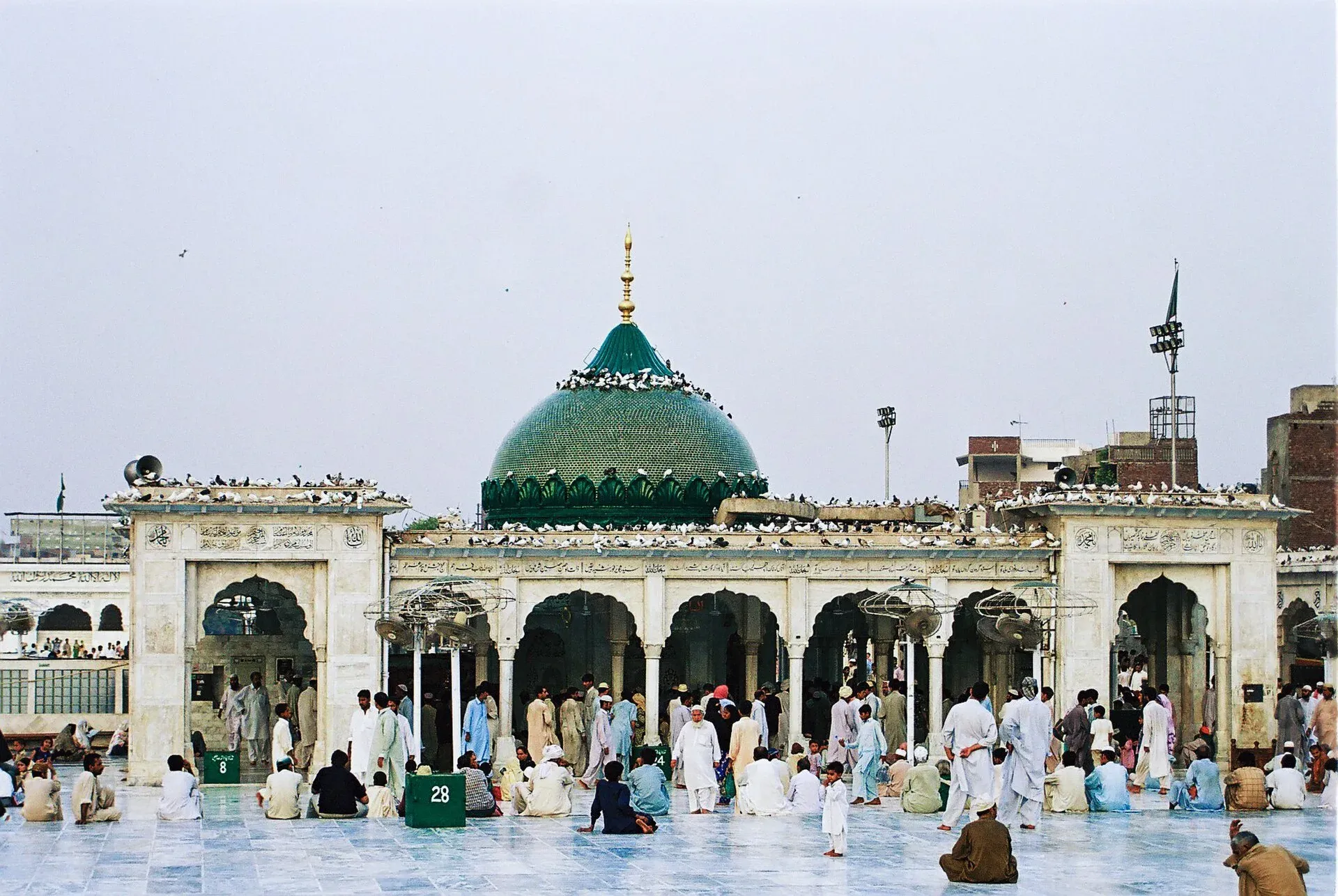
- Mosques: Visitors may enter many mosques outside prayer times. The Faisal Mosque in Islamabad, Badshahi Mosque and Wazir Khan Mosque in Lahore, and Shah Jahan Mosque in Thatta are major sights. Dress modestly, cover your head if you are a woman, remove shoes and be quiet.
- Sufi shrines: Pakistan has hundreds of shrines of Sufi saints, which are places of music, prayer and charity. Famous ones include Data Darbar in Lahore, Shah Rukn-e-Alam and Bahauddin Zakariya in Multan, Lal Shahbaz Qalandar at Sehwan Sharif, Shah Abdul Latif Bhittai near Bhit Shah, and Baba Farid at Pakpattan. Many hold annual festivals called urs. Be gentle, observe what others do, and do not touch graves unless others do.
- Muharram: Shia communities mourn Imam Hussain in the first ten days of Muharram, with processions on Ashura. Roads close and mobile services may be restricted for security. Plan travel around these days.
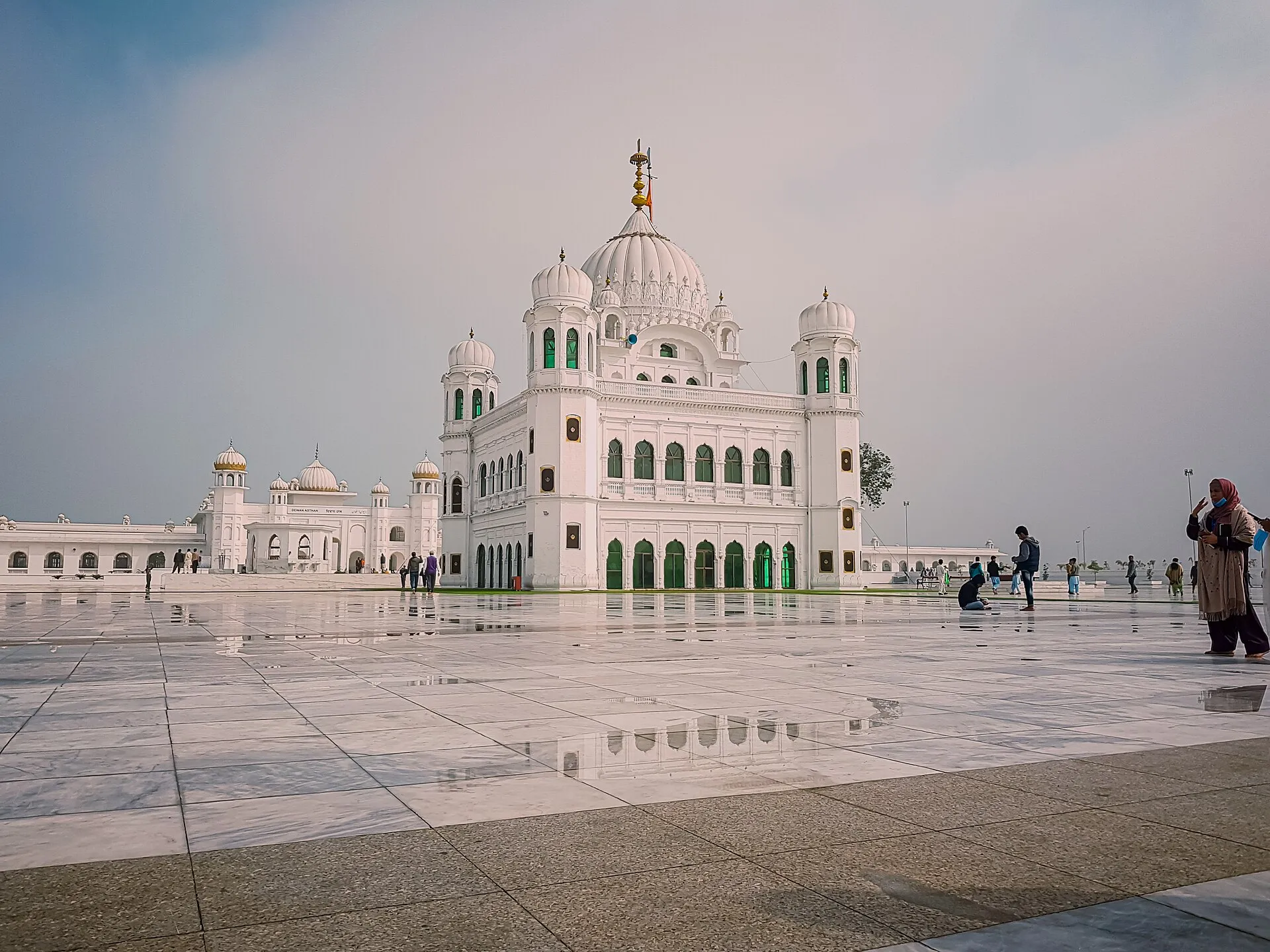
Photo: Shahzaib Damn Cruze, with thanks · CC BY-SA 4.0 · via Wikimedia Commons · temporary stand-in photo
Sikh heritage
The Sikh faith began in Punjab. Guru Nanak was born in 1469 at Nankana Sahib, near Lahore, and spent his last years at Kartarpur, where a corridor to the border now allows pilgrims from India. Gurdwara Panja Sahib at Hasan Abdal, and the gurdwara at Dera Sahib in Lahore, where Guru Arjan Dev is remembered, are among many sites. Sikh pilgrims visit especially in April for Baisakhi and in November for Guru Nanak's birthday. Cover your head, remove shoes and wash your feet at the entrance.
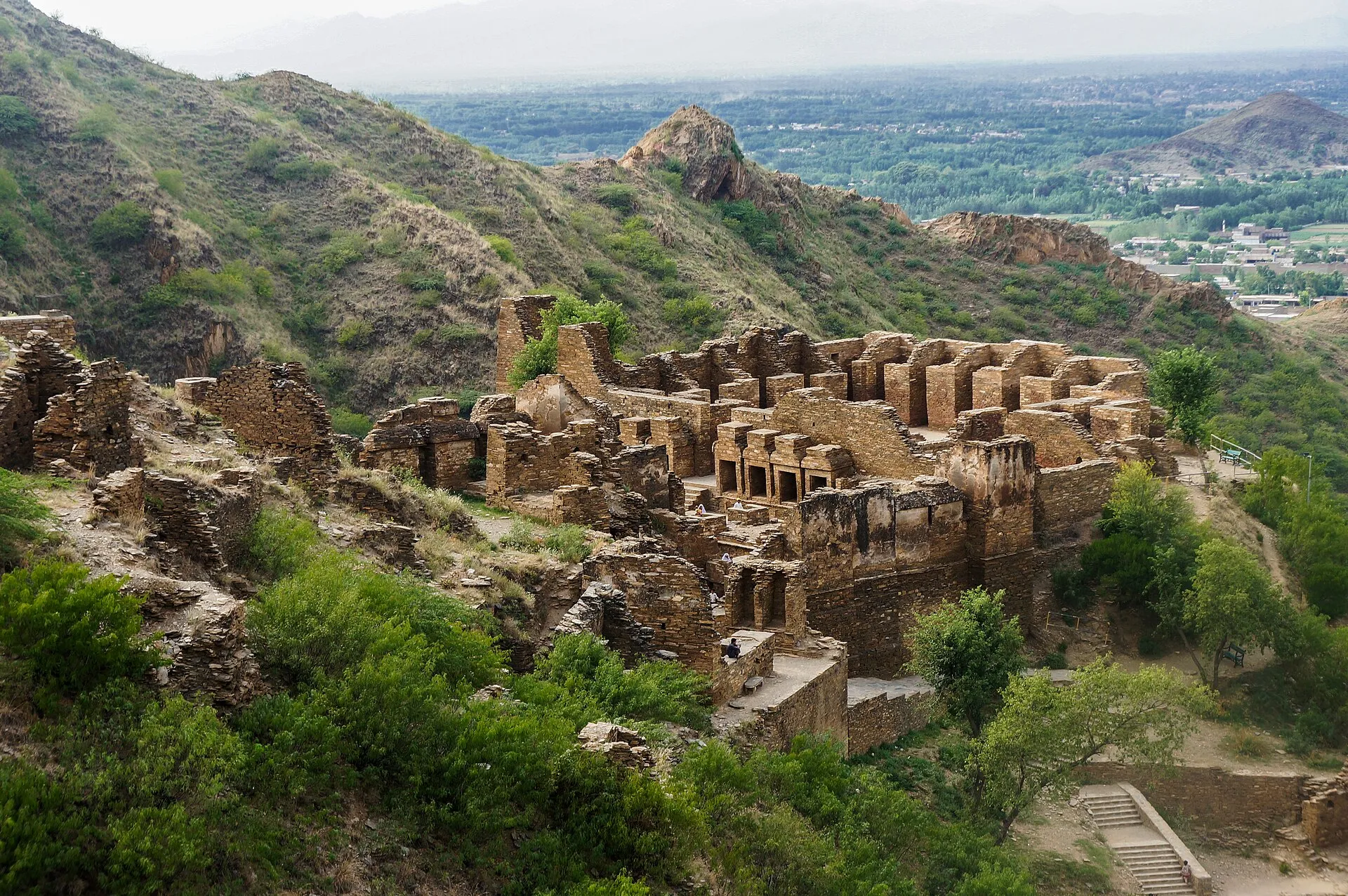
Photo: Asif Nawaz, with thanks · CC BY-SA 3.0 · via Wikimedia Commons · temporary stand-in photo
Hindu heritage
Pakistan has a Hindu community of several million people, mostly in Sindh. Historic sites include the Katas Raj temple complex in the Salt Range, the temples of Umerkot and Tharparkar, and Hinglaj Mata on the Makran coast in Balochistan, which is the destination of a large annual pilgrimage in spring. Old temples in Peshawar, Lahore and Karachi continue to hold services. Check with local officials about access before travelling.
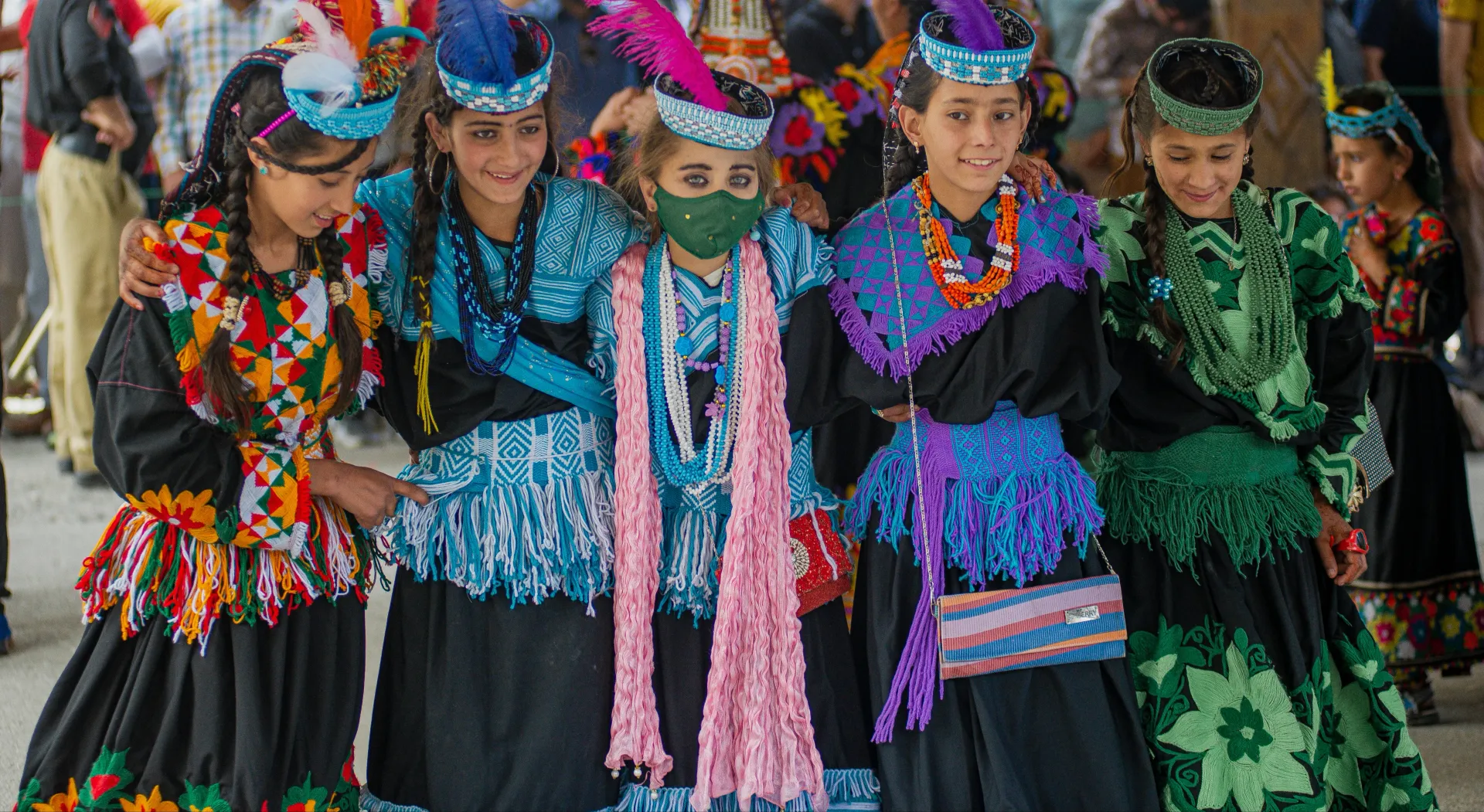
Photo: Sutyarashi, with thanks · CC BY-SA 4.0 · via Wikimedia Commons · temporary stand-in photo
Christian heritage
Christians are the third largest religious group after Hindus (1.37 per cent in the 2023 census). Churches in Lahore, Karachi, Peshawar and Rawalpindi date from the colonial period, such as the Sacred Heart Cathedral in Lahore and St Patrick's Cathedral in Karachi. Many churches welcome visitors, particularly outside service times. Christmas and Easter are celebrated widely.
Buddhist heritage
Long before Islam, the Gandhara region was a heartland of Buddhism. Stupas, monasteries and sculptures survive in Taxila, at Takht-i-Bahi near Mardan, in the Swat Valley (Butkara and Jahanabad), and as rock carvings along the Karakoram Highway. These sites are of great interest to Buddhists from East Asia, who visit in growing numbers. Take care not to climb on ruins. See Taxila.
The Kalash
The Kalash, or Kalasha, live in the Bumburet, Rumbur and Birir valleys near Chitral and numbered 7,466 mother-tongue speakers of Kalasha in the 2023 census, and converts and their descendants who share much of the culture are not counted in that figure. They keep an old polytheistic faith, with festivals through the year. Chilimjusht (spring), Uchau (late summer) and Chaumos (midwinter) are the best known. Visitors are welcome in the valleys but should treat festivals as sacred events: ask before taking photographs, never enter a sacred place unless invited, and follow your host's guidance. Women and men from outside the community should also take guidance on certain restricted places. See Kalash Valleys.
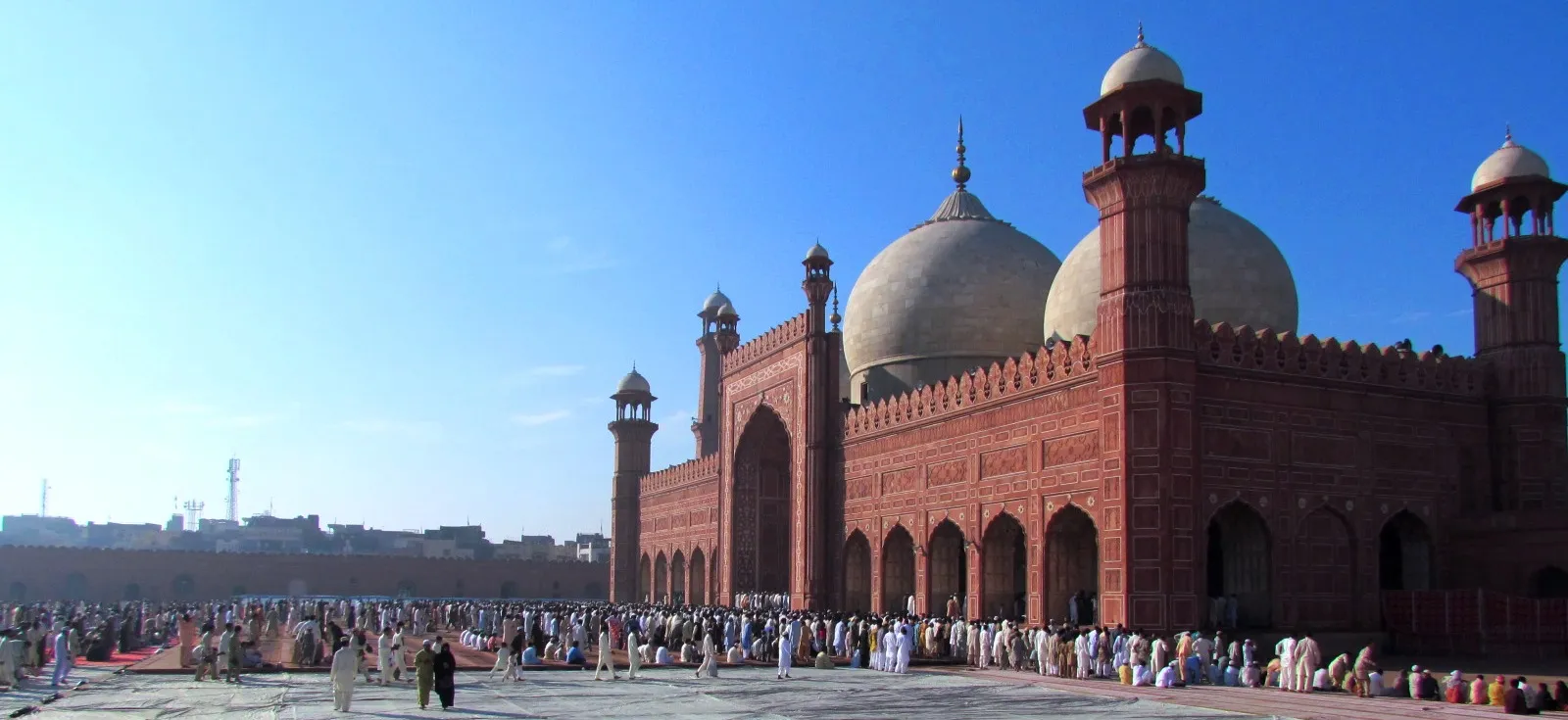
Photo: Bilalhassan88, with thanks · CC BY-SA 3.0 · via Wikimedia Commons · temporary stand-in photo
Etiquette at sacred sites
- Dress modestly: covered shoulders and knees for everyone, head covering for women in mosques and gurdwaras.
- Remove shoes before entering.
- Be quiet and move slowly. Do not point cameras at people praying.
- Follow separate entrances or areas for men and women.
- Do not bring or consume alcohol, tobacco or meat in or near sacred places.
- If you wish to give, use official donation boxes.
Good to know
Opening times may change during prayer, festivals and security alerts. Where fees apply, current fees will be added soon; ask at the site or the relevant provincial Department of Archaeology or Auqaf Department.
Sources and last checked
Last checked Confidence medium4 sources2 still to check
- Last checked
- Method
- Desk research from published sources
- Confidence
- medium
- Checked by
- trek.pk research team
Researched from published sources; not yet checked on the ground by our team. Spot something out of date? Report a mistake.
Sources
- Kalash people · Wikipedia · checked
- Pakistan · Wikipedia · checked
- Pakistan: UNESCO World Heritage properties · UNESCO World Heritage Centre · checked
- Religion in Pakistan · Wikipedia · checked
Still to be checked on the ground (2)
- Shia population share: sources give different estimates (Wikipedia gives only the Sunni 90-95 per cent of Muslims range)
- Access to Hinglaj Mata, Katas Raj and some gurdwaras changes with security and events (on-the-ground check)


