

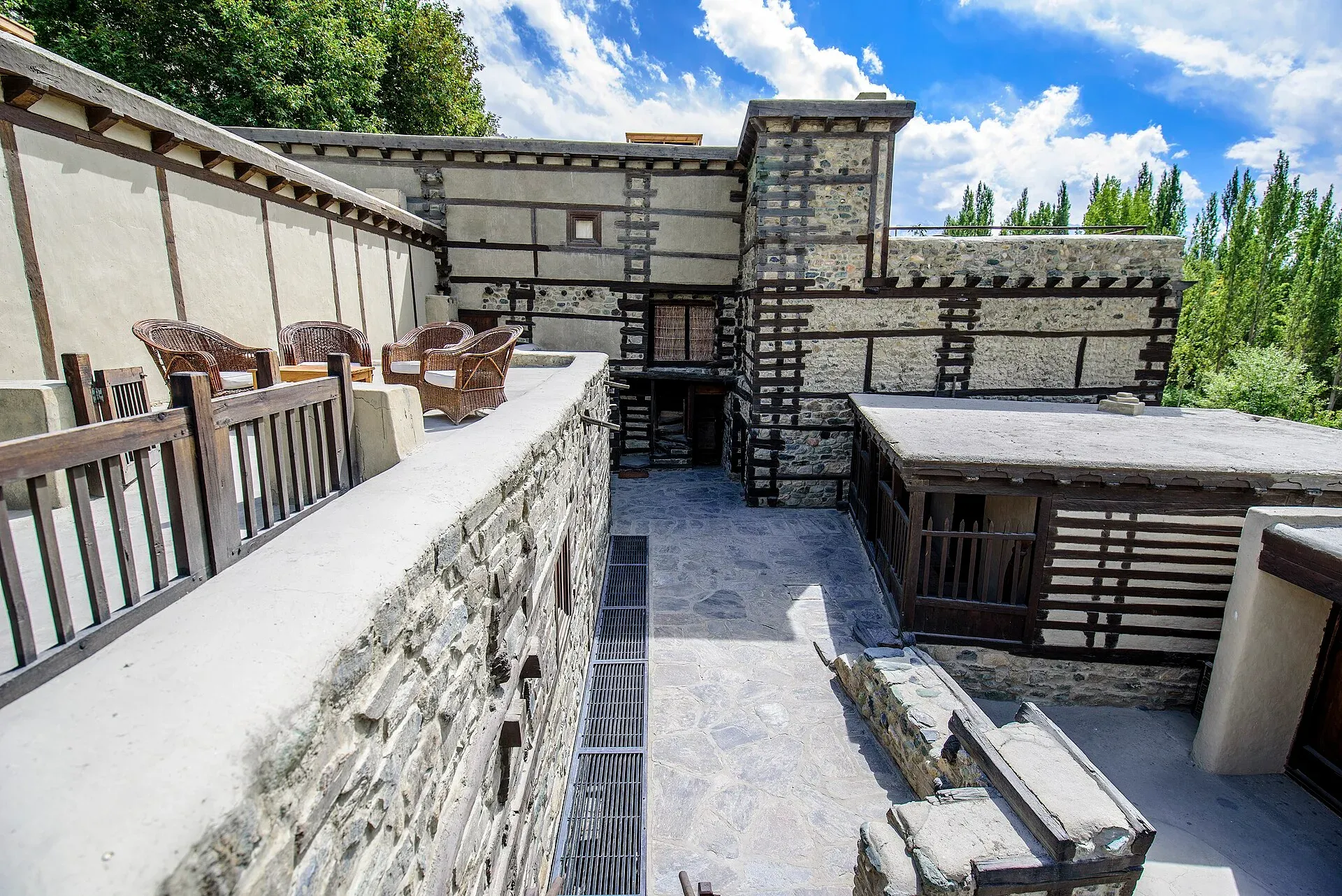
Photo: ZILL NIAZI, with thanks · CC BY-SA 4.0 · via Wikimedia Commons · temporary stand-in photo

Shigar Fort (Fong-Khar)
A 17th-century palace of the Amacha rajas of Shigar, restored by the Aga Khan Cultural Service Pakistan in 1999-2004 and now a museum and heritage hotel.
Overview
Shigar Fort, called Fong-Khar ("palace on the rock") in Balti, stands on a large boulder in Shigar town, in the valley that leads towards the Baltoro Glacier and K2. It was the palace of the Amacha rajas of Shigar. Today part of it is a museum and part is a heritage hotel.
Plan your visit
- Nearest town
- Shigar
- Getting there
Shigar is about 30 km from Skardu on the road towards Askole and the Baltoro (Wikipedia: roughly 30 km; OSRM: 29.6 km, about 28 minutes, optimistic). More
Best months
May – Oct
- Shigar Fort (Fong-Khar)
- Related places nearby: Satpara Lake, Deosai National Park, Gilgit-Baltistan, Shigar
History
The Amacha dynasty is said to have settled in Shigar in the 11th century after leaving Hunza, and built an earlier fort, Khar-i-Dong, later destroyed. The present palace was built in the 17th century by the 20th raja of the dynasty. The Aga Khan Cultural Service Pakistan restored it between 1999 and 2004. It won a UNESCO Asia-Pacific Heritage Award of Excellence in 2006. Since 2008 it has been run by AKFED's Tourism Promotion Service as the Serena Shigar Fort, a heritage guesthouse.
What to see and do
- The palace: carved timber balconies, wooden ceilings and the stone rooms of the old rajas, with a small museum of Balti life.
- The garden: a Mughal-style garden with a baradari pavilion on the east side.
- The old town: traditional houses and mosques within walking distance (ask locally about visiting rules).
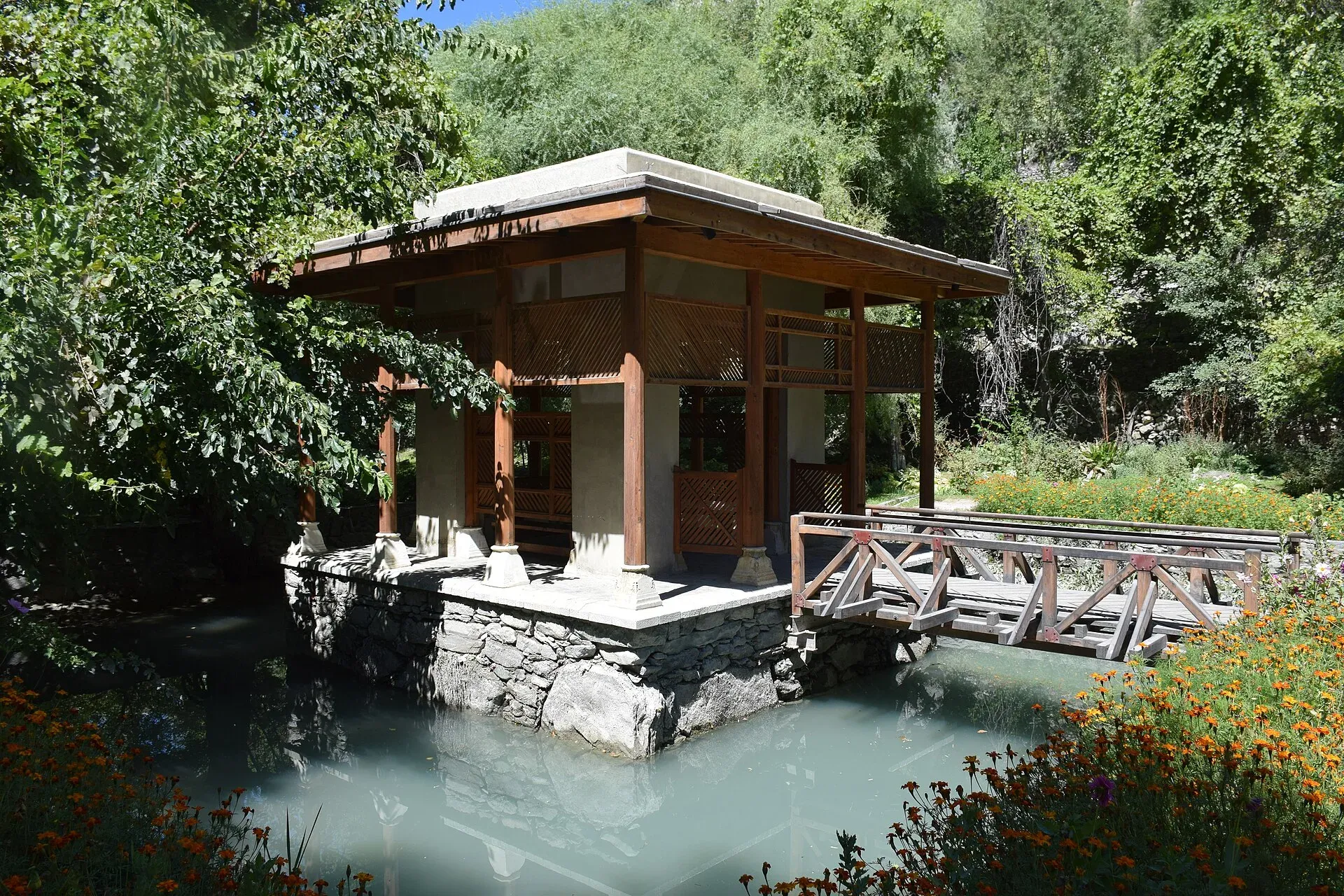
Photo: گمنام سپاهى, with thanks · CC BY-SA 4.0 · via Wikimedia Commons · temporary stand-in photo

Around Shigar
The restoration of the fort was part of a wider programme in the valley by the Aga Khan Cultural Service Pakistan. It also conserved two mosques: Amburiq Mosque, which dates from the 15th century and is described as the first mosque built in Baltistan, and Khilingrong Mosque, a wooden mosque about four centuries old. Both have been recognised by UNESCO heritage conservation awards (2005 and 2012). The programme also revived carpentry and wood carving in the valley (AKDN). The wider Shigar Valley runs about 170 km from Skardu to Askole, the last village on the road to the Baltoro Glacier and K2 (Wikipedia), and its orchards grow cherries, apples, apricots and mulberries. Balti is the main language.
When to visit
May to October. Snow and cold close much of the valley in winter.
Where to stay and eat
The fort is now a 20-room heritage hotel, the Serena Shigar Fort, run since 2008 by AKFED's Tourism Promotion Service, and it has a restaurant. There are simpler guesthouses in the valley. Book ahead in summer.
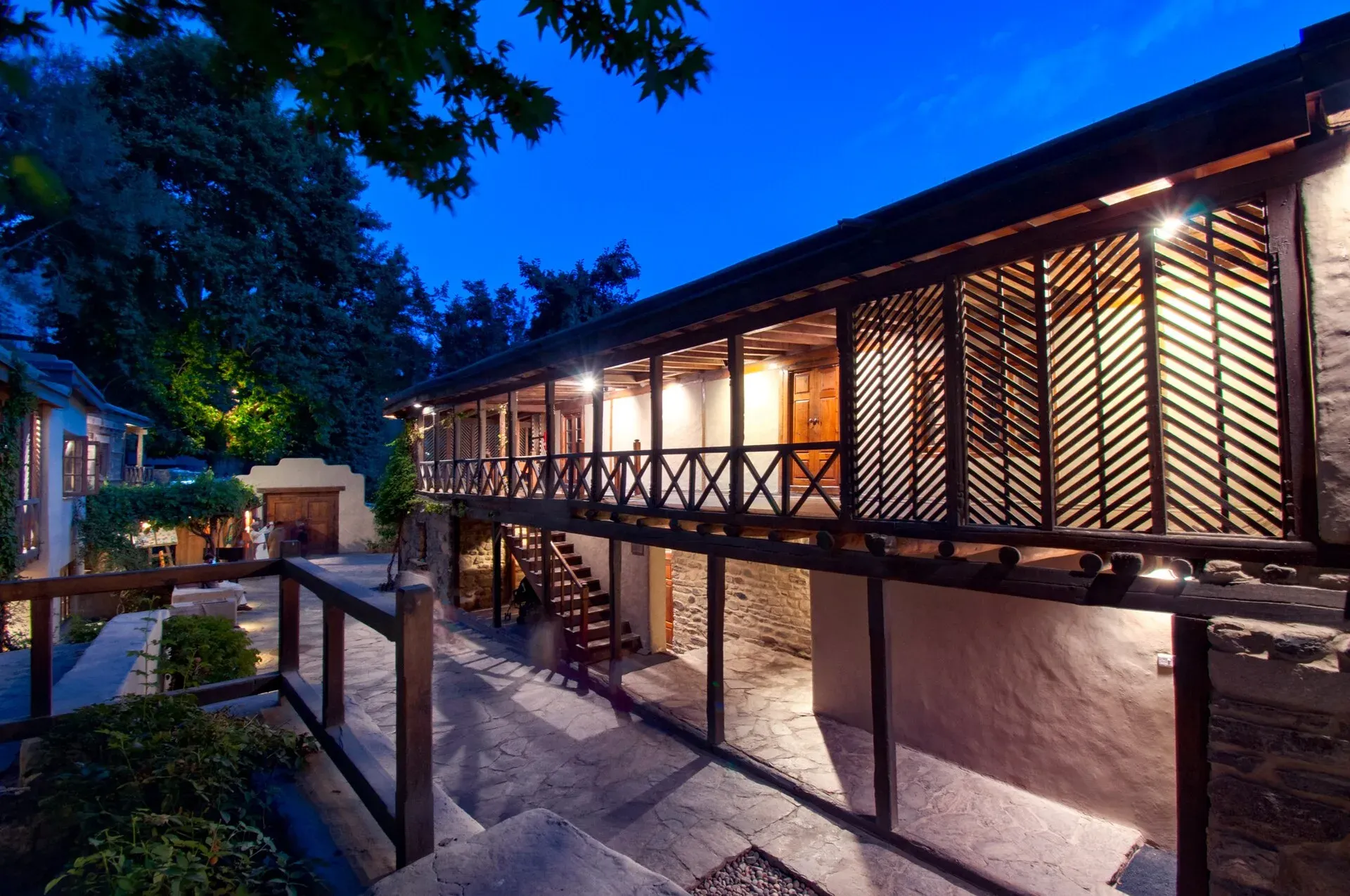
Photo: Syed.noor.hussain88, with thanks · CC BY-SA 4.0 · via Wikimedia Commons · temporary stand-in photo

Good to know
- Entry: the museum and hotel are managed by Serena; contact the hotel for current visitor rules and fees. No visitor fee has been confirmed.
- Dress and behaviour: dress modestly; the old mosques in Shigar are active places of worship.
- Photography: fine in public areas, ask before photographing guests or staff.
- UNESCO: it is not a World Heritage Site, though it has won a UNESCO conservation award.
Highlights
- 17th-century palace on a boulder
- Restored 1999 to 2004
- UNESCO Asia-Pacific Heritage Award of Excellence, 2006
- Gateway to the K2 and Baltoro trekking valley
Getting there
Shigar is about 30 km from Skardu on the road towards Askole and the Baltoro (Wikipedia: roughly 30 km; OSRM: 29.6 km, about 28 minutes, optimistic). Taxis and jeeps run from Skardu check the current drive time and road condition in Skardu. The road beyond Shigar towards Askole is rougher.
Tips
- Combine with Skardu day trips.
- Stay a night to see the fort without the day crowds.
- Explore the old houses in the village.
- Check hotel for current visitor policy.
Sources and last checked
Last checked Confidence medium4 sources3 still to check
- Last checked
- Method
- Desk research from published sources
- Confidence
- medium
- Checked by
- trek.pk research team
Researched from published sources; not yet checked on the ground by our team. Spot something out of date? Report a mistake.
Sources
- Shigar Fort (Wikipedia) · Wikipedia · checked
- Conservation and development in Gilgit-Baltistan · Aga Khan Development Network · checked
- OSRM driving route service: Skardu to Shigar Fort, measured 17 November 2026 (optimistic, without stops) · OpenStreetMap / OSRM · checked
- Shigar Valley · Wikipedia · checked
Still to be checked on the ground (3)
- Visitor entry policy and any fee (the fort is run by Serena; Wikipedia gives none, no official page opened)
- Current drive time and road condition (OSRM time is optimistic)
- Wood-carving and architectural details inside the fort (no source found beyond the carved balconies already on the page)
Nearby and related

Satpara Lake
A large lake at about 2,600 m, a short drive south of Skardu. It supplies Skardu's water and fed the Satpara Dam. Trout, a small island and the road to Deosai make it an easy half-day outing.

Deosai National Park
A vast high plateau at about 4,100 m above Skardu and Astore, covered in wildflowers in summer. Created in 1993 to protect the Himalayan brown bear. Open only in summer.

Gilgit-Baltistan
Pakistan's far north: three great ranges meet here, with K2, Nanga Parbat, giant glaciers, the Karakoram Highway and the valleys of Hunza, Skardu and Gilgit.

Shigar
Headquarters of Shigar District in Baltistan, at about 2,230 m on the Shigar River. It is the gateway to the Shigar valley and the Braldu route towards K2, with a 17th-century fort and old mosques.