

Photo: Balochistan, Pakistan, with thanks · CC BY-SA 4.0 · via Wikimedia Commons · temporary stand-in photo

Ziarat Valley
A cool mountain valley and hill station at about 2,400 m in northern Balochistan, known for ancient juniper forest, orchards and the Quaid-e-Azam Residency. Check security advice before travel.
Overview
Ziarat is a hill station and district in northern Balochistan. Ziarat town stands at about 2,400 m, and the highest peak of the Khalifat Hills in the district is about 3,500 m. The valley is cool in summer and snowy in winter. It is known for juniper forest, which Wikipedia describes as among the oldest in the world, and for orchards of apples and cherries.
Ziarat is also remembered as the place where Muhammad Ali Jinnah, the first Governor-General of Pakistan, spent the last months of his life in 1948.
Plan your visit
- Nearest town
- Ziarat
- Getting there
From Quetta about 126 km by road (OSRM 1.8 h, optimistic; allow 2.5 to 3 hours). Local vans and private cars run from Quetta. More
Best months
May – Sep
- Ziarat Valley
- Related places nearby: Quetta, Hanna-Urak Valley, Hanna Lake, Ziarat National Park
Ziarat District in brief
Ziarat District was created in July 1986 from Sibi District. It covers about 3,301 km² in two tehsils, Ziarat and Sanjawi. The 2023 census counted 189,535 people, about three-quarters of them in rural areas. Wikipedia says it has the highest Human Development Index of any Balochistan district. Wikivoyage notes that "Ziarat" means shrine. Winters are cold, with temperatures below -10 degrees Celsius and snow, and summers are cool.
Getting there
Ziarat lies north-east of Quetta. OSRM gives Quetta to Ziarat at about 124 to 126 km and 1.8 hours, and Wikivoyage says 133 km and gives both 2 and 3 hours. OSRM times are optimistic. Allow 2.5 to 3 hours from Quetta. Local vans and private cars run from Quetta. Quetta is the nearest large city.
Villages and sights
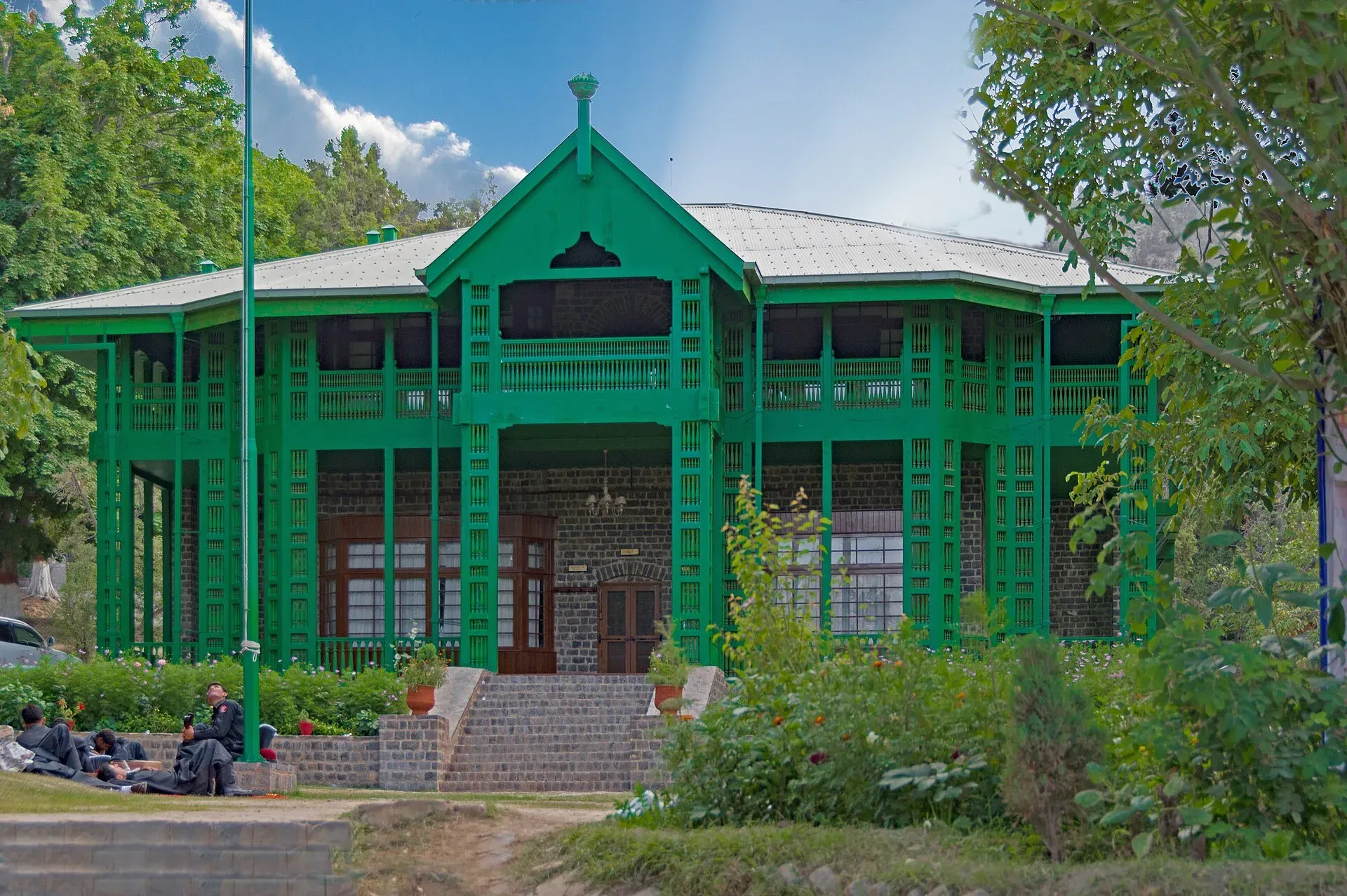
- Quaid-e-Azam Residency. A wooden building from 1892, first a sanatorium and then a summer residence of British officials. Jinnah stayed there from July to mid-August 1948. It became a museum and a national monument and appears on Pakistan's 100-rupee note. A rocket attack on 15 June 2013 badly damaged it. It was rebuilt and reopened on 14 August 2014.
- Juniper forest. Wikipedia describes the forests of Ziarat as some of the oldest in the world, and press reports often call it the world's second largest juniper forest. Juniper grows very slowly, and cutting is banned. In July 2026 the provincial forest department opened an inquiry after reports that juniper trees were damaged during construction of security check-posts.
- Kharwari Baba shrine. Wikivoyage describes it as the shrine of a local Pashtun saint, about 10 km from Ziarat, and says many visitors come to it.
- Orchards. Apples, black cherries and almonds are the local crops, Wikivoyage says. Stalls open in late summer.
- Viewpoints and walks. Paths through the forest and above the town give views over the valley.
Treks and walks
Walks are short and local: forest paths and ridge tracks near the town. There is no known established trekking route in the sources used. Stay on marked paths in the juniper forest and do not collect wood or cones.
When to visit
May to September for cool, pleasant weather. Autumn colour is good, and the fruit season runs in summer and early autumn. Winter is cold with snow. The Pakistan Tourism Guide 2021 lists Ziarat at about 2,450 m, reached from Quetta and Loralai.
Photo: Ali Mohammad Khilji at English Wikipedia, with thanks · CC BY-SA 3.0 · via Wikimedia Commons · temporary stand-in photo

Where to stay and eat
Ziarat has hotels, rest houses and guest houses, from simple rooms to mid-range hotels. Wikivoyage lists a Pakistan Tourism Development Corporation motel with 18 rooms and cottages and cheaper hotels in the town centre. Rooms are scarce in summer holidays. Food is local, with bread, meat dishes and tea, and fruit in season. Bring warm clothes even in summer, because nights are cold.
Culture and languages
Most inhabitants are Pashtuns and Pashto is widely spoken, with Urdu understood. Wikivoyage says nomadic families with sheep and camels pass through the valleys in spring and autumn. Visitors should dress modestly and ask before photographing local people. Treat the Residency as a place of national memory.
Safety and practical points
- Security advice. The UK Foreign Office advises against all travel to Balochistan, including Ziarat (last updated 27 October 2026, checked 16 November 2026).
- Checkpoints. Expect security checkpoints on the road from Quetta and around the Residency. Carry your national ID card or passport.
- Roads. Winter snow and landslides can close sections of the road.
- Forest care. Do not light fires or cut trees; wildfire risk is high in the dry season.
Highlights
- Quaid-e-Azam Residency (1892)
- Ancient juniper forest
- Apple and cherry orchards
- Cool summer climate at about 2,400 m
Tips
- Carry ID for checkpoints.
- Bring warm layers even in summer.
- Do not damage the juniper trees or collect wood.
- Check road and security status before you leave Quetta.
Sources and last checked
Last checked Confidence medium8 sources3 still to check
- Last checked
- Method
- Desk research from published sources
- Confidence
- medium
- Checked by
- trek.pk research team
Researched from published sources; not yet checked on the ground by our team. Spot something out of date? Report a mistake.
Sources
- Ziarat District (Wikipedia) · Wikipedia · checked
- Quaid-e-Azam Residency (Wikipedia) · Wikipedia · checked
- Probe into damage to Ziarat juniper trees (29 July 2026) · Dawn · checked
- Balochistan holiday resort has the world's second largest juniper forests · Daily Times · checked
- Pakistan travel advice (last updated 27 October 2026) · UK FCDO · checked
- Pakistan Tourism Guide 2021 · TDAP · checked
- OSRM routing · Project OSRM · checked
- Ziarat (Wikivoyage) · Wikivoyage · checked
Still to be checked on the ground (3)
- Opening hours of the Residency (not on Wikipedia or Wikivoyage; no official page found)
- Whether the juniper forest is open to walkers (Dawn, 29 Jul 2026 does not say whether access has changed)
- Current security checkpoints (Dawn, 29 Jul 2026 confirms new security check-posts in juniper forest areas, no details on rules)
Nearby and related

Quetta
Balochistan's high-valley capital, the Fruit Garden of Pakistan: bazaars, sajji, orchard valleys and the base for Hanna Lake and Ziarat.

Hanna-Urak Valley
A short orchard valley in the Zarghoon hills east of Quetta, with Hanna Lake, Wali Tangi Dam and a small waterfall. Security problems in 2026 mean access can change quickly; check before you go.

Hanna Lake
A reservoir built in 1894 about 17 km east of Quetta at the start of the Urak Valley. Popular for boating, but water levels have been low or dry in several recent years.

Balochistan
Pakistan's largest and least populated province: Quetta's high valleys, Ziarat's juniper forest, the Makran coast, Hingol and Gwadar. Security and permission rules need checking first.

Ziarat National Park
A protected area around Ziarat in Balochistan, listed as a national park in 2021 and about 214 square kilometres. It covers part of the juniper-forest hills near Ziarat town. Visitor facilities inside the park are not confirmed.