

Photo: Saqib Qayyum, with thanks · CC BY-SA 3.0 · via Wikimedia Commons · temporary stand-in photo

ML-2 Kotri-Attock City Line
ML-2 runs about 1,246 km from Kotri near Hyderabad to Attock City through Larkana, Jacobabad, Dera Ghazi Khan and Mianwali. A quieter alternative to ML-1, with an upgrade planned.
The journey
Last verified: 16 November 2026.
Overview
ML-2 is the second north to south main line. It runs from Kotri Junction near Hyderabad to Attock City Junction, about 1,246 km with 92 stations according to Wikipedia. It is broad gauge, and the permitted speed is 30 to 70 km/h. It takes the western bank of the Indus through interior Sindh and southern Punjab, away from the ML-1 corridor.
The line was joined up from older pieces. The Mari to Attock railway opened in 1891, and narrow gauge lines at Jacobabad, Kashmore and Larkana were converted to broad gauge in 1956. The Kashmore to Mari Indus gap and the Larkana to Kotri link were finished between 1969 and 1973. Pakistan Railways designated it Main Line 2 in 2010 as an alternative to ML-1.
Main stations
In order from Kotri: Jamshoro, Sehwan Sharif, Dadu, Mohenjo-daro, Larkana, Habib Kot Junction, Jacobabad Junction, Kashmor Junction (on the Sindh and Punjab border), Rajanpur, Dera Ghazi Khan, Kot Addu Junction, Leiah, Bhakkar, Kundian Junction, Mianwali, Daud Khel Junction, Jand Junction, Basal Junction and Attock City Junction. There is no published kilometre markers for the stations, so the stops list gives the order only.
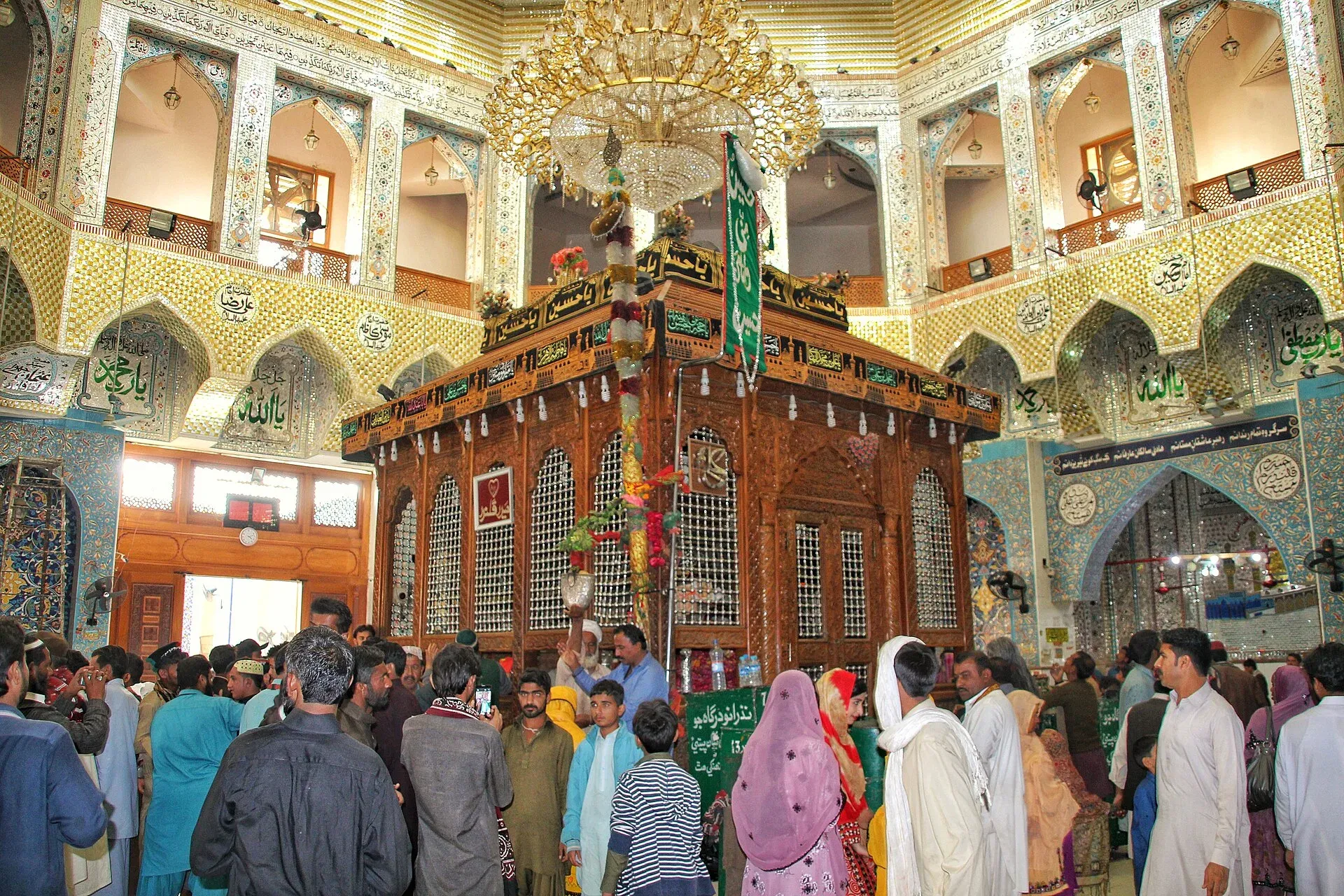
Photo: Fassifarooq, with thanks · CC BY-SA 4.0 · via Wikimedia Commons · temporary stand-in photo

Trains
This is a quiet line for passengers. The one long-distance train we can name is the Khushhal Khan Khattak Express (19UP/20DN) between Karachi City and Peshawar Cantonment. The Express Tribune and Aaj News reported in April 2025 that it was restored after a gap of about five years, running via the Kotri to Attock line. It is not in the official dining-car list on pakrail.gov.pk, and its listed route is via the Kotri to Attock line, 19UP/20DN, with a journey of about 34 hours (Wikipedia). There is no known 2026 news about it, and Wikipedia's frequency entry is unclear, so check the days and that it runs. Wikipedia also lists a local passenger service between Kotri and Rohri via Larkana (309UP/310DN); this is unverified.
Status and upgrade
There is no known 2026 closure notice. Dawn reported on 15 February 2026 that the railways minister had said an ML-2 project of about 2.5 billion US dollars would be launched with the National Logistics Cell and DP World. Dawn gave no start date, and the minister's ML-II figure was about 1,250 km with more than 90 stations. A separate ML-1 Karachi to Rohri project is the one with a groundbreaking expected in 2027, not ML-2.
What to see and do
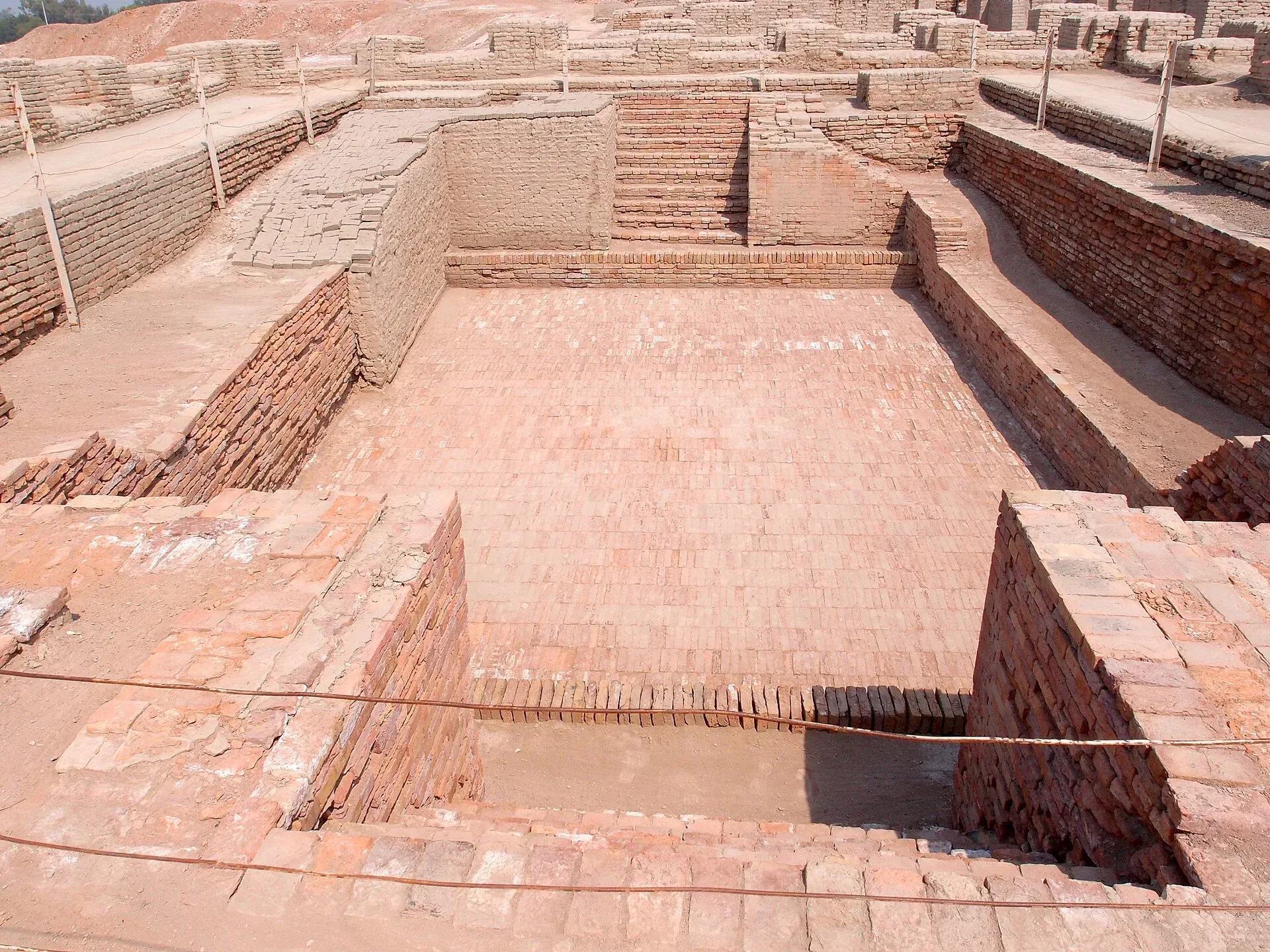
Photo: Saqib Qayyum, with thanks · CC BY-SA 3.0 · via Wikimedia Commons · temporary stand-in photo

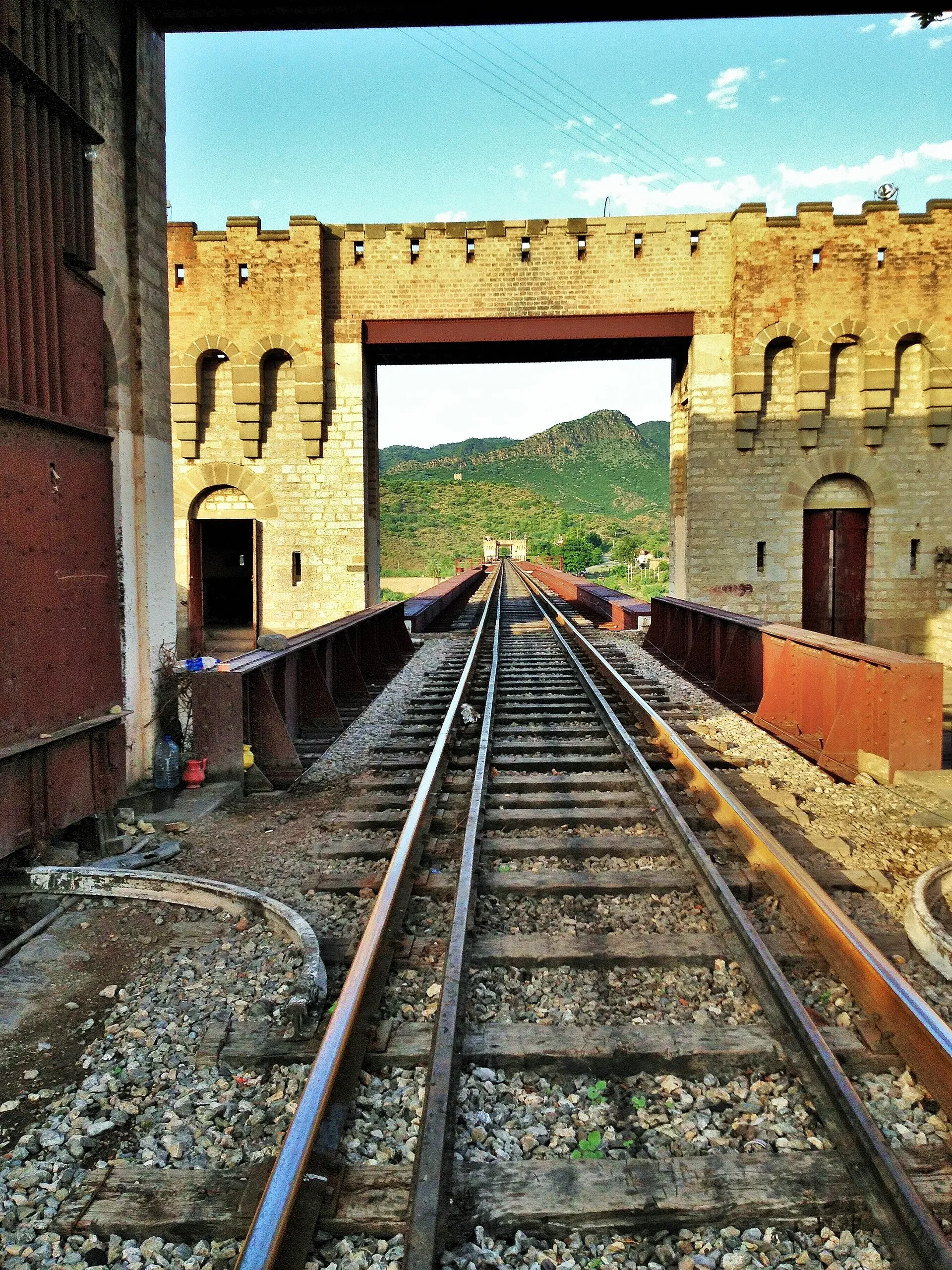
Photo: Fahad hassan 555, with thanks · CC BY-SA 4.0 · via Wikimedia Commons · temporary stand-in photo

The line passes near several places worth a stop. Most visitors reach them by road from the nearest station.
- Sehwan Sharif. On the west bank of the Indus, about 130 km north-west of Hyderabad. It is known for the shrine of the 13th-century Sufi saint Lal Shahbaz Qalandar, which Wikipedia says draws hundreds of thousands of visitors a year, mostly around the urs (the saint's death-anniversary celebrations). Devotees perform the dhamal, a trance-like devotional dance, at the shrine. Dress modestly, and ask before taking photographs.
- Dadu. A district town on the line between Sehwan Sharif and Mohenjo-daro.
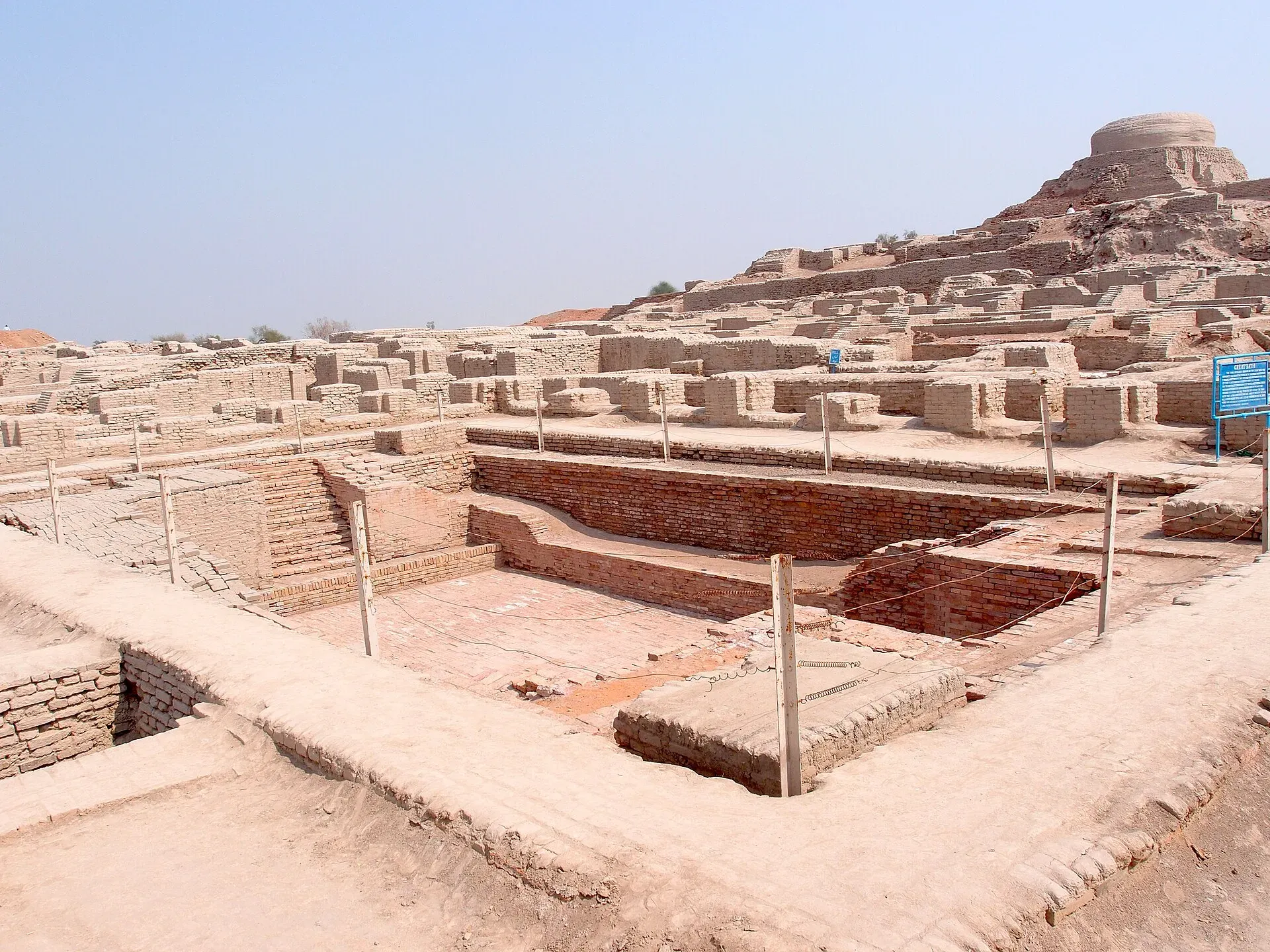
- Mohenjo-daro. An Indus Valley city built around 2500 BCE and abandoned around 1700 BCE, on the west bank of the Indus about 28 km from Larkana. It has a planned grid of fired-brick buildings, covered drains and the Great Bath, a pool about 12 m long and 2.4 m deep. UNESCO listed it in 1980. A site museum stands beside the ruins.
- Shadan Lund lies beside the Indus near the Taunsa Barrage, and Sohan Bridge station is beside the Soan River.
- Attock. Near the northern end, the line has a railway bridge over the Indus and a run of tunnels; Attock Fort stands on the river bank.
Safety
Ask the district administration or local police about current conditions before you go. For foreign visitors: the UK FCDO page (updated 27 October 2026) advises against all but essential travel to Dera Ghazi Khan, and to Sindh north of and including Nawabshah, which includes Larkana and Jacobabad. Stations are basic and services are few. If you ride, use a day train and keep to the booked class.
How to book
Use the Pakistan Railways website, the RABTA app or a reservation office. Seats can be reserved up to 90 days ahead. The helpline is 051-9201100. Fares are on the official site and app.
Highlights
- Long alternative route to ML-1 through interior Sindh and southern Punjab
- Stations for Mohenjo-daro and Sehwan Sharif
- Khushhal Khan Khattak Express restored in April 2025
- About 2.5 billion US dollar upgrade announced in February 2026
Stops
- Kotri JunctionStarts at ML-1 junction near Hyderabad
- Sehwan SharifShrine town
- Dadu
- Mohenjo-daroStation for the Indus Valley site
- Larkana
- Jacobabad JunctionCrosses ML-3
- Kashmor JunctionSindh and Punjab border
- Dera Ghazi Khan
- Kot Addu Junction
- Bhakkar
- Kundian Junction
- Mianwali
- Daud Khel Junction
- Jand Junction
- Basal Junction
- Attock City JunctionJoins ML-1 at the northern end
Numbers follow the stops in order. The map shows the 9 stops that have a trek.pk page, not the road itself.
Road conditions
Broad gauge (1,676 mm). Permitted speeds 30 to 70 km/h. Single track on most of the line. Journey time on Wikipedia's line list is about 27.5 hours end to end.
Fuel and services
Stations are small and basic outside the big towns. Carry food and water. Facilities at Larkana, Jacobabad, Dera Ghazi Khan and Mianwali are better than at halts.
Where to stay, eat and fuel up
Places to stay
- Kashif Fried Chicken & ResturentCall Kashif Fried Chicken & ResturentMap of Kashif Fried Chicken & Resturent in Google Maps
- Hotel One DG KhanCall Hotel One DG KhanMap of Hotel One DG Khan in Google Maps
- Mehran HotelCall Mehran HotelMap of Mehran Hotel in Google Maps
- AS GLOBAL FarmHouseCall AS GLOBAL FarmHouseMap of AS GLOBAL FarmHouse in Google Maps
- Cape Town Guest House Hyderabad, SindhCall Cape Town Guest House Hyderabad, SindhMap of Cape Town Guest House Hyderabad, Sindh in Google Maps
- Al Mairaj HotelCall Al Mairaj HotelMap of Al Mairaj Hotel in Google Maps
Places to eat
- The Bombay BakeryCall The Bombay BakeryMap of The Bombay Bakery in Google Maps
- McDonald'sCall McDonald'sMap of McDonald's in Google Maps
- Pizza Max - HyderabadCall Pizza Max - HyderabadMap of Pizza Max - Hyderabad in Google Maps
- Brohi Balochistan Bar B.Q & RestaurantCall Brohi Balochistan Bar B.Q & RestaurantMap of Brohi Balochistan Bar B.Q & Restaurant in Google Maps
- Royal Taj RestaurantCall Royal Taj RestaurantMap of Royal Taj Restaurant in Google Maps
- KFC | Hyderabad- Qasim ChowkCall KFC | Hyderabad- Qasim ChowkMap of KFC | Hyderabad- Qasim Chowk in Google Maps
Essential services fuel stations, mechanics, ATMs, pharmacies and hospitals and clinics
Fuel
- ShellCall ShellMap of Shell in Google Maps
- Pakistan State Oil (PSO) - Sikander Service StationMap of Pakistan State Oil (PSO) - Sikander Service Station in Google Maps
- Thar CNG StationCall Thar CNG StationMap of Thar CNG Station in Google Maps
- Total Petrol PumpCall Total Petrol PumpMap of Total Petrol Pump in Google Maps
- Total Parco Petrol StationCall Total Parco Petrol StationMap of Total Parco Petrol Station in Google Maps
- Pakistan State OilCall Pakistan State OilMap of Pakistan State Oil in Google Maps
Mechanics and tyre shops
- Nasrullah Khan & Co. MianwaliCall Nasrullah Khan & Co. MianwaliMap of Nasrullah Khan & Co. Mianwali in Google Maps
- Mianwali Tyre CentreCall Mianwali Tyre CentreMap of Mianwali Tyre Centre in Google Maps
ATMs
- National Bank of Pakistan Main Branch AttockCall National Bank of Pakistan Main Branch AttockMap of National Bank of Pakistan Main Branch Attock in Google Maps
Pharmacies
- Hydri Medical StoreCall Hydri Medical StoreMap of Hydri Medical Store in Google Maps
- Bilal Pharmacy & CosmeticsCall Bilal Pharmacy & CosmeticsMap of Bilal Pharmacy & Cosmetics in Google Maps
- Faculty Of Pharmacy, University Of Sindh JamshoroMap of Faculty Of Pharmacy, University Of Sindh Jamshoro in Google Maps
- United PharmacyCall United PharmacyMap of United Pharmacy in Google Maps
Hospitals and clinics
- The Agha Khan Maternal & Child Care CentreCall The Agha Khan Maternal & Child Care CentreMap of The Agha Khan Maternal & Child Care Centre in Google Maps
- Hashim Medical City Hospital (HMC)Call Hashim Medical City Hospital (HMC)Map of Hashim Medical City Hospital (HMC) in Google Maps
- Pet ZoneCall Pet ZoneMap of Pet Zone in Google Maps
- SICVD HyderabadCall SICVD HyderabadMap of SICVD Hyderabad in Google Maps
- Liaquat University Hospital, HyderabadCall Liaquat University Hospital, HyderabadMap of Liaquat University Hospital, Hyderabad in Google Maps
- St. Elizabeth HospitalCall St. Elizabeth HospitalMap of St. Elizabeth Hospital in Google Maps
Listings come from Google Maps data and are unverified: phone numbers, opening months and prices may have changed. Report a problem · Own one of these? Claim it
More safety notes
Few services and fewer information points. For foreign visitors: the UK FCDO advises against all but essential travel to Dera Ghazi Khan and Sindh north of Nawabshah (page updated 27 October 2026). Check before you plan a ride.
Tips
- Check that the Khushhal Khan Khattak Express is running before you plan around it.
- Ask at the station about the Kotri-Rohri local train.
- Carry food and water.
- Visit Mohenjo-daro by road from Larkana.
Sources and last checked
Last checked Confidence medium13 sources5 still to check
- Last checked
- Method
- Desk research from published sources
- Confidence
- medium
- Checked by
- trek.pk research team
Researched from published sources; not yet checked on the ground by our team. Spot something out of date? Report a mistake.
Sources
- List of railway lines in Pakistan · Wikipedia · checked
- Kotri-Attock Line (ML-2) · Wikipedia · checked
- Pakistan Railways official website · Pakistan Railways · checked
- Frequently asked questions (booking, catering trains, helpline) · Pakistan Railways · checked
- Khushhal Khan Khattak Express to resume after five-year gap · The Express Tribune · checked
- Khushhal Khan Khattak train service resumes after years · Aaj English TV · checked
- ML-II project to be launched at $2.5bn cost, says railways minister Abbasi · Dawn, 15 February 2026 · checked
- List of named passenger trains of Pakistan · Wikipedia · checked
- Pakistan travel advice · UK Foreign, Commonwealth & Development Office · checked
- Khushhal Khan Khattak Express · Wikipedia · checked
- Groundbreaking of ML-1 early next year: minister (1 July 2026) · Dawn · checked
- Mohenjo-daro · Wikipedia · checked
- Sehwan · Wikipedia · checked
Still to be checked on the ground (5)
- Station kilometre markers (none published in sources found)
- Which days the Khushhal Khan Khattak Express runs, and whether it still runs (restored 24 April 2025; no 2026 notice found)
- Whether the Kotri-Rohri local passenger service (309UP/310DN) exists (searches find only the Mohenjo Daro Passenger 213UP/214DN on third-party timetables)
- Opening year: Wikipedia gives 1891 for the Mari-Attock part and 1896 in its summary box
- Station and public-access arrangements for visiting Mohenjo-daro by rail (nearest station to the site)
Nearby and related

Larkana
A rice-growing city in northern Sindh and the base for Mohenjo-daro, the UNESCO-listed Indus Valley city about 30 km away, with the Bhutto family mausoleum nearby.

Dadu
District capital on the west bank of the Indus in northern Sindh, famous for its tea. A hot, working town and a base for the Kirthar hills and Manchar Lake.

Sehwan Sharif (Lal Shahbaz Qalandar)
An ancient town on the Indus and home to the shrine of the Sufi saint Lal Shahbaz Qalandar, one of Pakistan's most visited shrines, with a gold-plated dome, nightly devotion and the dhamal trance dance.

Dera Ghazi Khan
Divisional city on the west bank of the Indus in south-west Punjab, in Saraiki and Baloch country, and the gateway to the cool hills of Fort Munro and the shrine town of Sakhi Sarwar.

Mianwali
District capital east of the Indus in north-west Punjab. A farm and air-force town with the Chashma and Jinnah barrages nearby.

Attock
District capital on the Grand Trunk Road near the Indus, about 86 km from Islamabad. A practical stop with the Mughal-era Attock Fort nearby.

Moenjodaro
The ruins of a planned Indus Valley city built around 2500 BCE, with brick streets, drains and the Great Bath. A UNESCO World Heritage Site since 1980, about 30 km from Larkana in Sindh.

ML-1 Karachi-Peshawar Main Line (via Lahore)
ML-1 is Pakistan's busiest railway: about 1,687 km from Karachi through Hyderabad, Multan, Lahore and Rawalpindi to Peshawar. Named trains, stations, upgrade plans, safety and booking.