

Photo: Hunzagrapher, with thanks · CC BY-SA 4.0 · via Wikimedia Commons · temporary stand-in photo
Climate
Pakistan's climate runs from alpine cold to desert heat and tropical coast. Learn the zones, the monsoon, the western-disturbance snow and the best regions to visit in each month.
Key facts
- Five broad zones from high mountains to tropical coast
- The monsoon runs about June to September but mostly misses Chitral, Gilgit-Baltistan and western Balochistan
- Winter snow in the north comes from western disturbances
- Record heat of 53.7 C at Turbat in 2017
- 2022 monsoon floods affected 33 million people
Overview
Pakistan has no single climate. In one week you can walk on snow near Shandur, sweat through a dry day in Multan and feel a sea breeze in Karachi. Four things shape the weather: height above sea level, distance from the Arabian Sea, the summer monsoon, and winter storms that arrive from the west.
The climate zones
Reference sources describe five broad zones:
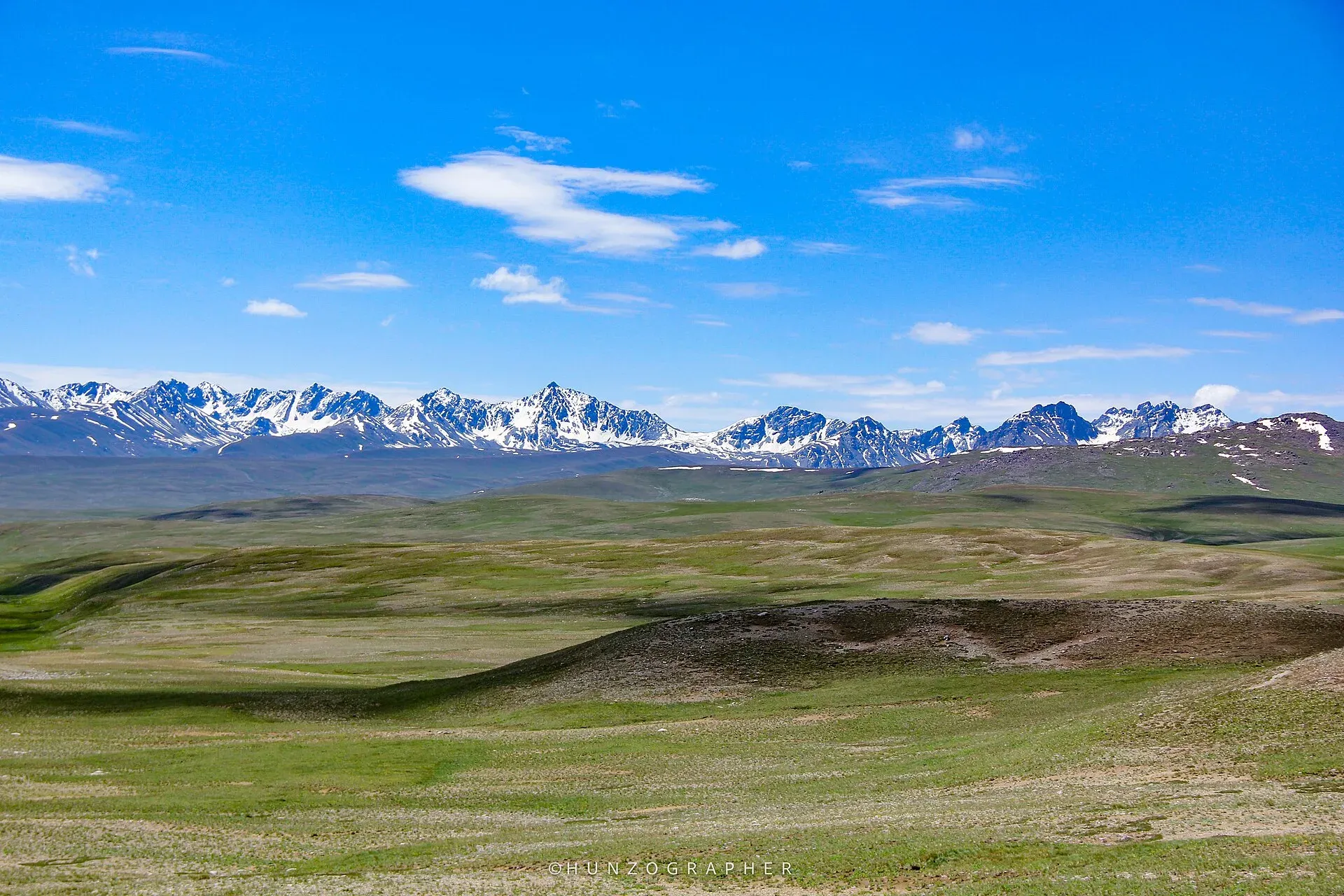
- The north (Gilgit-Baltistan, Chitral and the northern hills of Khyber Pakhtunkhwa and Azad Kashmir): a high-mountain, continental climate with cold, snowy winters. Valley floors can be mild and dry in summer, while passes and glaciers stay cold all year.
- The west (Balochistan): a dry, mountainous plateau, hot in summer at low levels and cold in winter in the high valleys around Quetta and Ziarat.
- The east (Punjab and the Islamabad region): hot summers, a monsoon, and cool, sometimes foggy winters. In Islamabad the average January night is about 2 °C and the average June day about 38 °C.
- The south-east (Sindh): a hot tropical lowland. The Thar region is arid desert.
- The coast (Karachi to Gwadar): warm all year, with sea breezes that soften the heat. In Karachi the average winter night is about 13 °C and the average summer day about 34 °C.
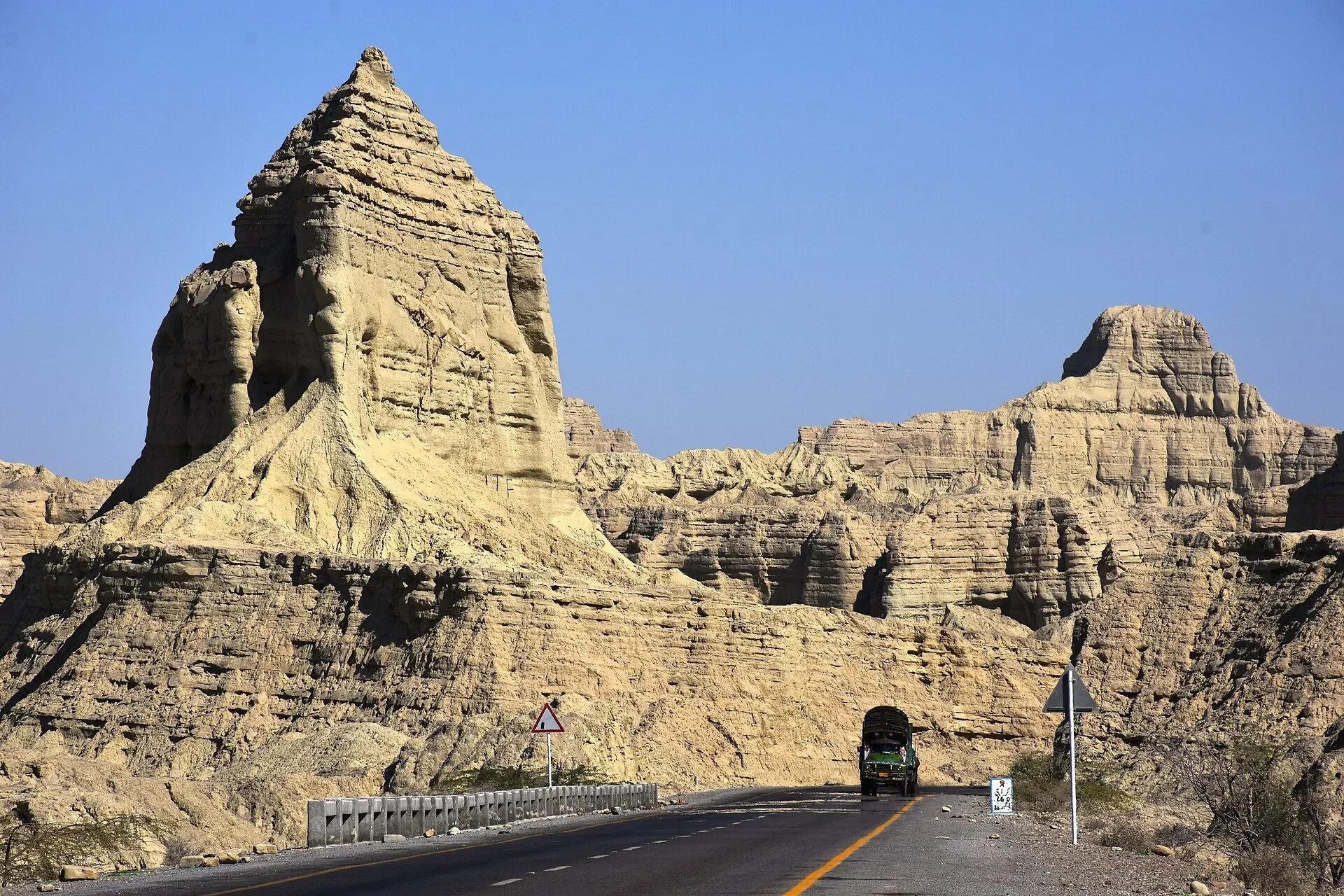
Photo: Asad.aman83, with thanks · CC BY-SA 4.0 · via Wikimedia Commons · temporary stand-in photo
The four seasons
Reference sources usually describe the year like this:
- Winter, December to February: cool in the plains, cold and snowy in the mountains.
- Spring, March to May: pleasant at first, then heating up fast.
- Summer and monsoon, June to September: hot almost everywhere, with the south-west monsoon bringing rain to most of the country.
- Dry autumn, October and November: clear skies and falling temperatures.
Dates vary by region, and officials have noted that spring now feels shorter. The Pakistan Meteorological Department (PMD) publishes the official forecasts and its own seasonal groupings in its climate reports.
The monsoon
The monsoon runs from about June to September across most of the country. It mostly does not reach western Balochistan, Chitral or Gilgit-Baltistan, which stay drier. In Islamabad about half the year's rain falls in July and August, roughly 255 mm in each of those months. In Karachi only July, August and September average more than 75 mm. A record 620 mm fell in Islamabad in 24 hours on 24 July 2001.
Heavy monsoon rain brings floods and landslides. In 2022 floods from mid-June to October affected 33 million people according to figures from the National Disaster Management Authority (NDMA), with 1,739 deaths recorded. The floods followed a severe early-summer heatwave and added melt from glaciers in Gilgit-Baltistan. If you travel in July or August, add spare days, check the NDMA and PMD alerts, and never camp on a river bank.
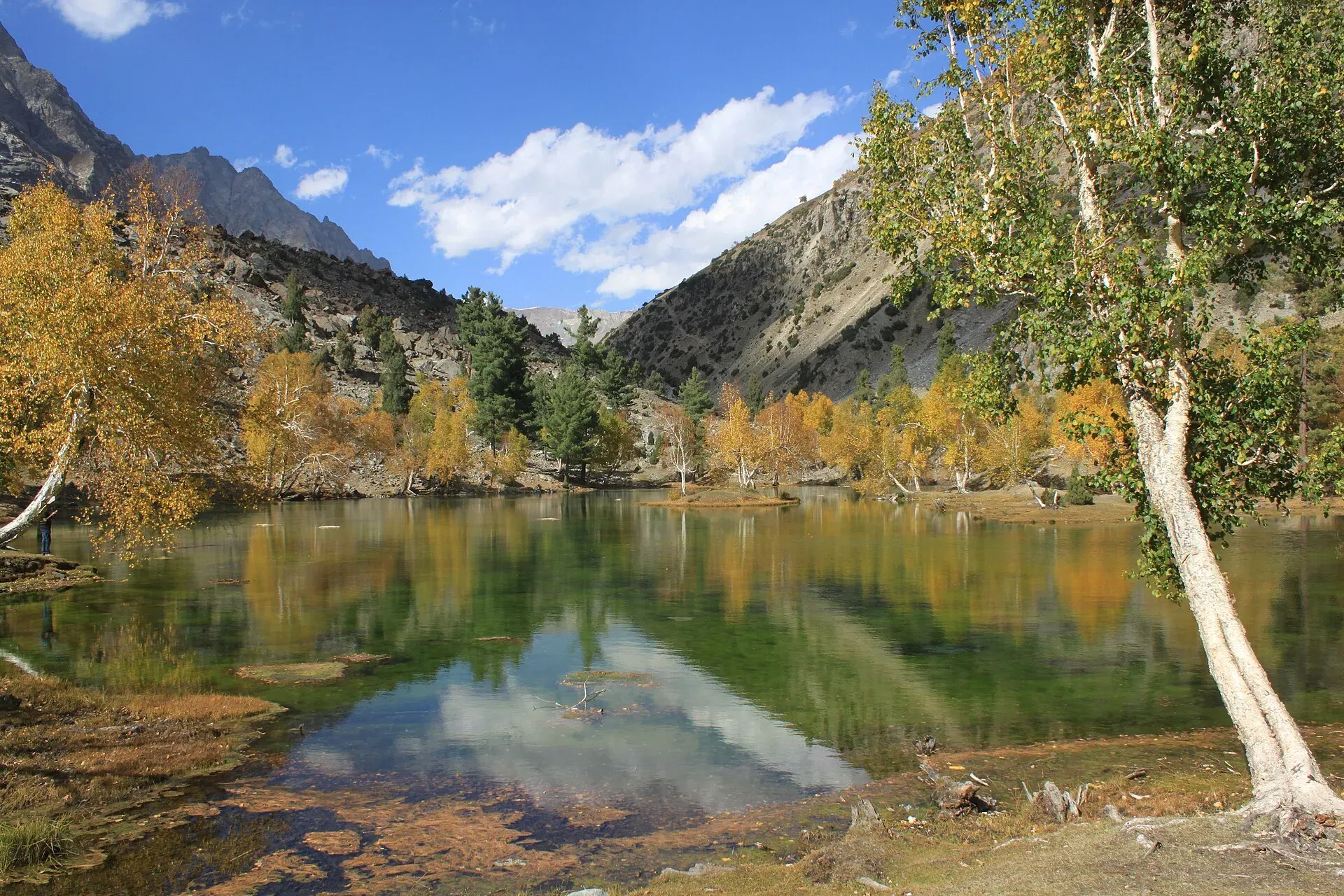
Photo: Tipuabdul, with thanks · CC BY-SA 3.0 · via Wikimedia Commons · temporary stand-in photo
Winter storms and snow
Winter rain and snow come mainly from western disturbances, storm systems that move in from the west. By the time they reach Pakistan most of their moisture is gone, but they still bring light to moderate showers to the south and moderate to heavy rain and snow to the north. Snow falls regularly in the northern mountains, and sub-zero temperatures occur in the far north and in Balochistan. Passes such as Babusar and Khunjerab close or restrict traffic in winter, so check road status first.
Extremes
Heat is the main hazard in the lowlands. The highest temperature on record is 53.7 °C (give or take 0.4 °C) at Turbat in Balochistan on 28 May 2017, as verified by the World Meteorological Organization. A Wikipedia climate table lists 53.5 °C without a source, so we use the WMO figure. Between hot afternoons and cool nights, daily swings of 11 to 17 °C are common in dry areas. Carry water, wear a hat and avoid long midday walks from May to August in Sindh, southern Punjab and Balochistan.
Where to go each month
This is a short guide. For details, see the When to go page.
- December to February: the plains, Sindh, the coast and the Makran highway; ski and snow in a few northern places.
- March and April: Islamabad, Swat, Lahore, and the blossom valleys of Hunza and Skardu.
- May and June: Hunza, Skardu, Naran and Fairy Meadows, as roads and passes open.
- July and August: high plateaus such as Deosai and treks in the Karakoram, with weather checks. The plains are hot and wet.
- September and October: clear mountain weather, autumn colour, and the best trekking window.
- November: comfortable in Punjab and Sindh, and a good month for the coast.
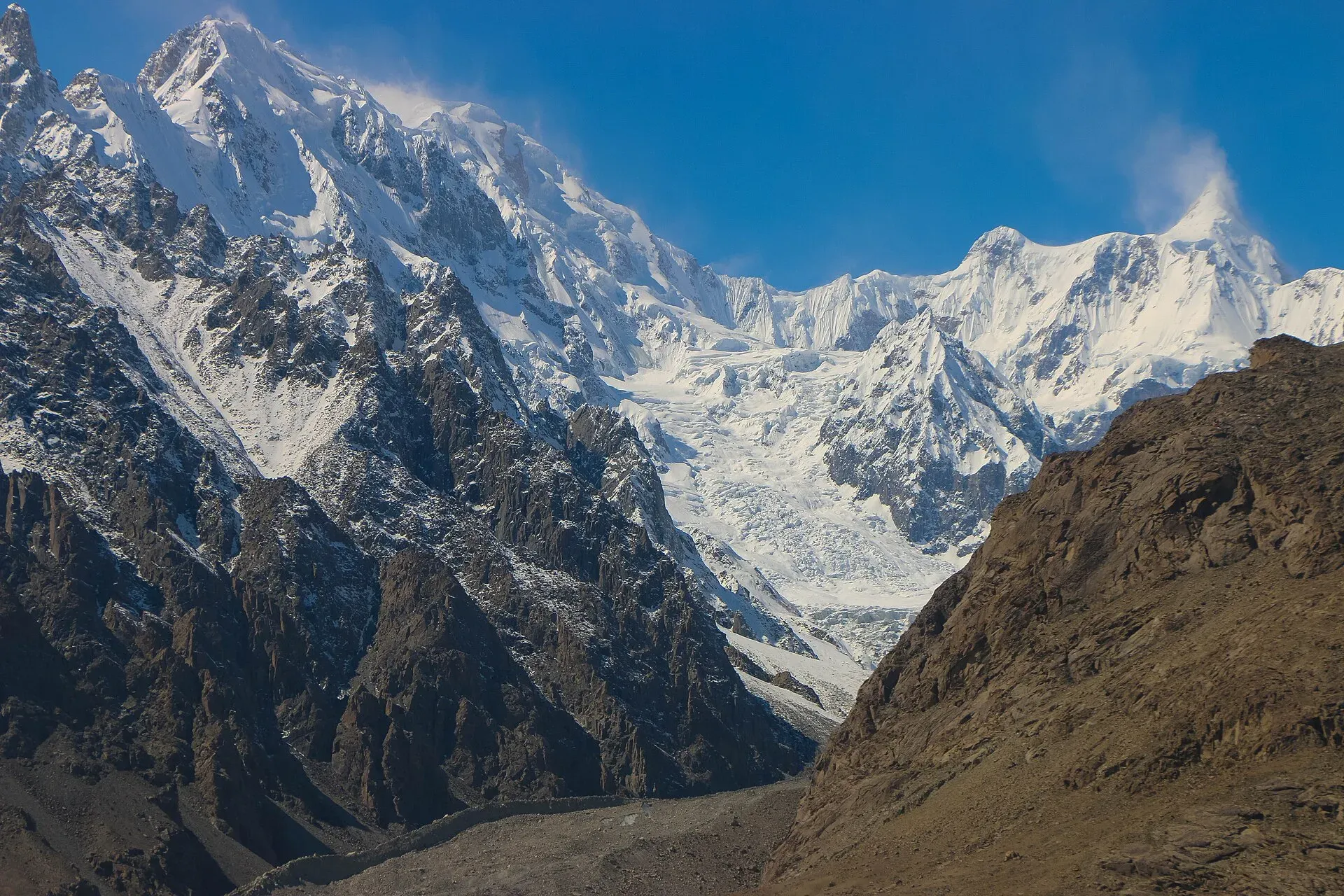
Photo: Akbar Khan Niazi, with thanks · CC BY-SA 3.0 · via Wikimedia Commons · temporary stand-in photo
Climate change
Pakistan is feeling a changing climate. The wider Hindu Kush Himalaya region, not Pakistan alone, has warmed by about 0.2 °C per decade over the last 50 years, and glaciers there have been retreating since the 1970s. In the central and western Karakoram some studies report stable or slightly growing glaciers, sometimes called the Karakoram anomaly, though this is still debated. See the Ecology and Environment page for glacier lake floods and what travellers can do.
Sources and last checked
Last checked Confidence medium8 sources1 still to check
- Last checked
- Method
- Desk research from published sources
- Confidence
- medium
- Checked by
- trek.pk research team
Researched from published sources; not yet checked on the ground by our team. Spot something out of date? Report a mistake.
Sources
- Climate of Pakistan · Wikipedia · checked
- 2022 Pakistan floods · Wikipedia (citing NDMA figures) · checked
- Pakistan Climate 2024 · Pakistan Meteorological Department · checked
- Spring season shrinking, PMD officials quoted · Dawn · checked
- Hindu Kush · Wikipedia · checked
- Karakoram · Wikipedia · checked
- National Disaster Management Authority · NDMA Pakistan · checked
- WMO verifies 3rd and 4th hottest temperature recorded on Earth · World Meteorological Organization · checked
Still to be checked on the ground (1)
- PMD official season boundaries not confirmed (PMD site and report could not be opened); seasons follow general references (Wikipedia: Dec-Feb, Mar-May, Jun-Sep, Oct-Nov)


