

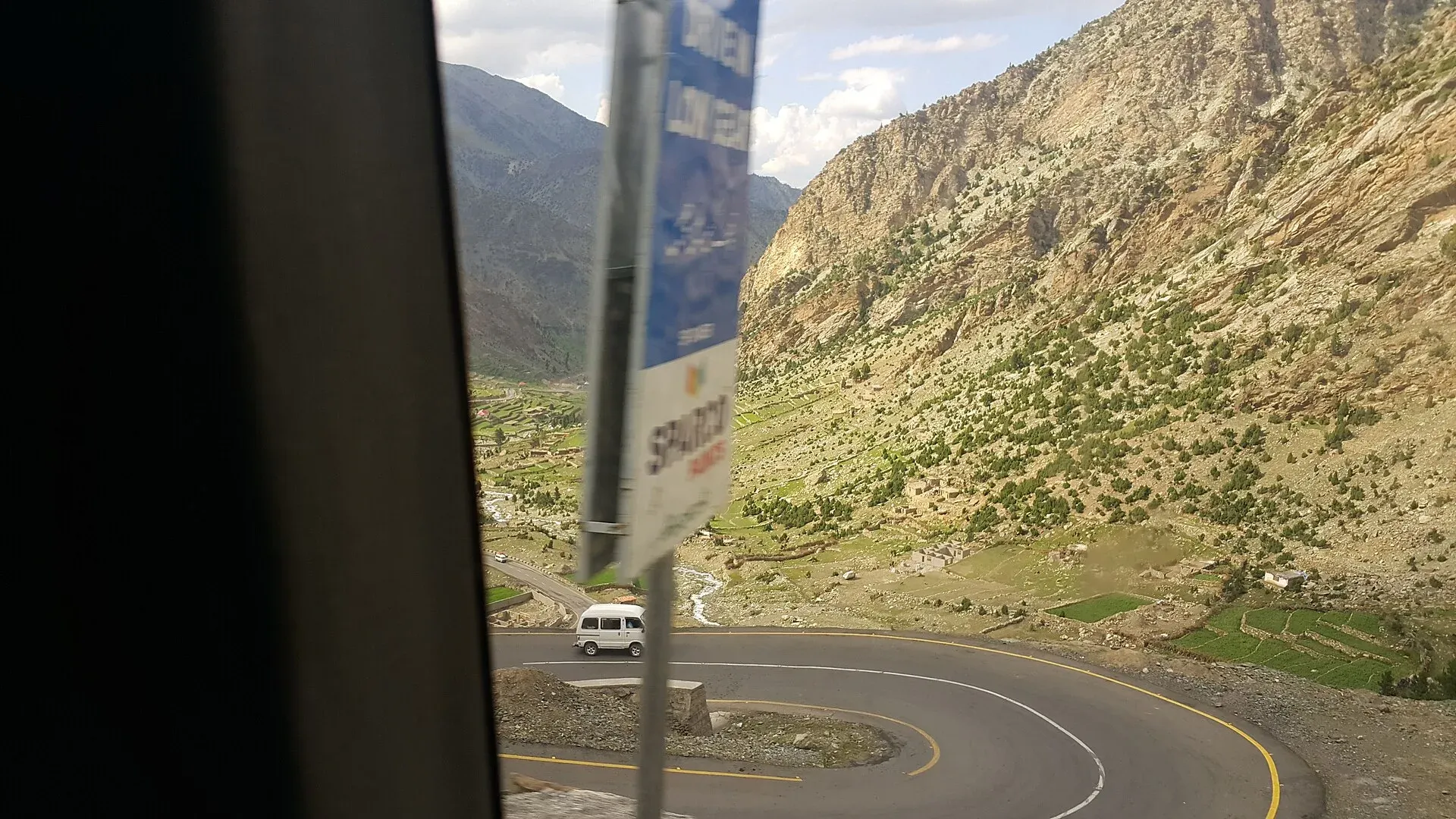
Read this first: the road itself is the hazard
The mountain roads of the north are among the great drives of Asia, and they are also where visitors are most often hurt. The Karakoram Highway (N-35), the Kaghan to Babusar road (N-15) and the roads to Skardu and Chitral are narrow, steep and exposed to landslides. Wikipedia calls Babusar one of the most dangerous routes in Pakistan and gives brake failure as the most common cause of accidents. This article gathers the rules that matter most. It builds on our driving page, the road and weather status page and our route pages.
Before you set off
- Check road status. Landslides, snow, floods and works can close a road for hours or weeks. The official sources are the National Highway Authority and the National Highways and Motorway Police (helpline 130), the NDMA and provincial disaster authorities, the Pakistan Meteorological Department, and local police and district administrations. Social media posts from drivers are useful but not official.
- Know the season. Babusar Top is generally open in summer (Wikipedia gives April to September, and mid-July to September for the road north of Naran), and the N-15 beyond Naran is usually shut by snow for much of the year. In 2026 the Kaghan road reopened to Naran in April, and ProPakistani reported Babusar reopening on 25 May after seven months, and the Tribune reported it closed again until 6 June for snow clearing. The road over Lowari is open most of the year through the tunnel. Shandur is a summer road.
- Plan spare days. Landslides and weather will not keep to your itinerary.
- Consider a driver. Most visitors choose one. Driving is assertive, rules are unevenly followed and a horn is usually a signal that a vehicle is there, not anger.
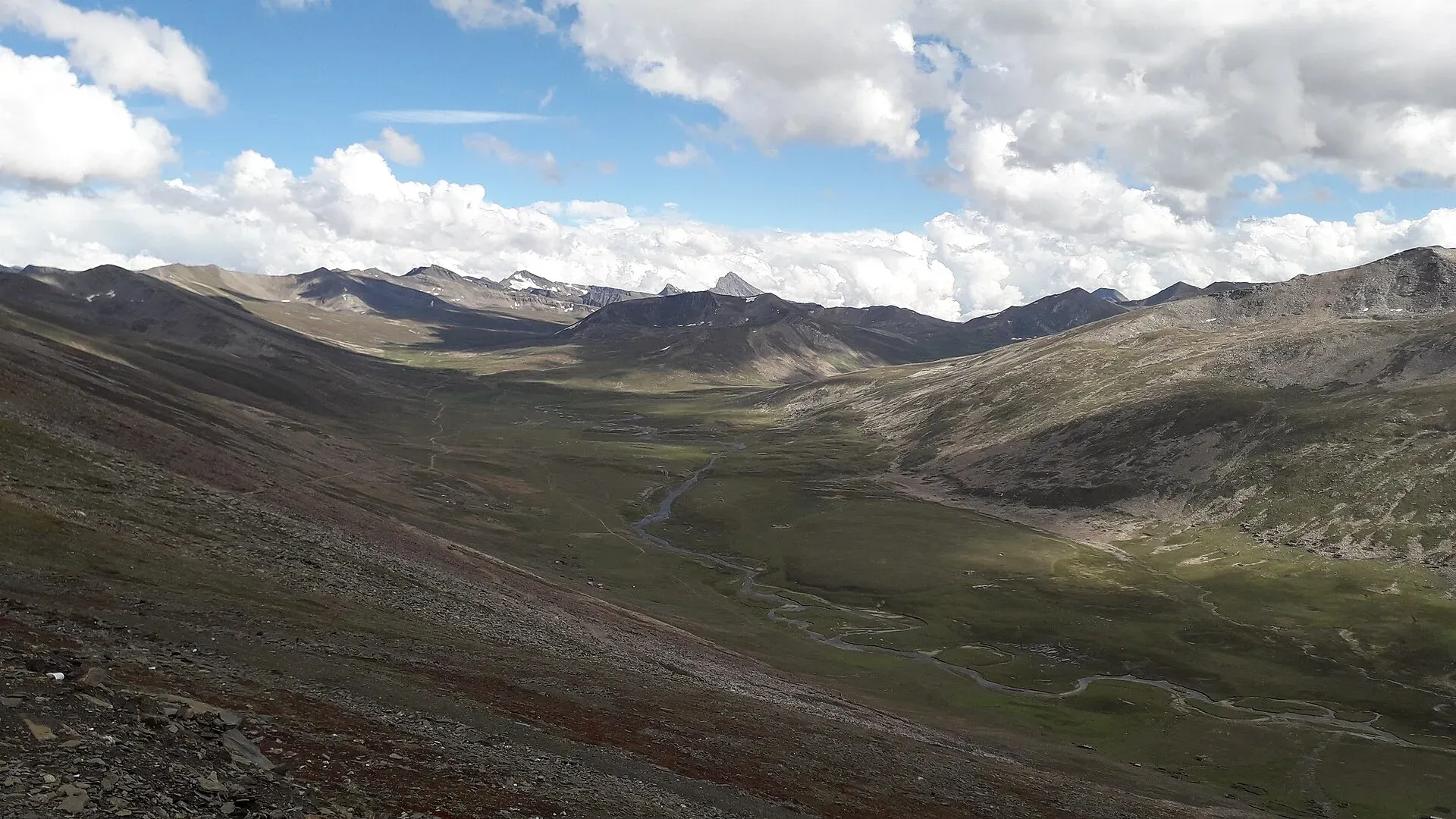
Photo: King Eliot, with thanks · CC BY-SA 4.0 · via Wikimedia Commons · temporary stand-in photo
Licence and paperwork
Pakistan drives on the left, as in the UK. The UK government says British drivers need both the 1968 International Driving Permit and their UK licence in the car, and that an IDP cannot be obtained outside the UK, so get it before you travel. We have not seen a Pakistani source for other nationalities, so check with the Pakistani embassy or your motoring association. Carry the originals, vehicle papers, insurance and your passport for checkposts. Bringing your own vehicle overland needs advance paperwork.
The mountain rules
- Low gear on long descents. Brake failure from overheating is a leading cause of accidents. Use engine braking, and let brakes cool on long drops. This matters especially on N-15 between Babusar Top and Chilas, with its hairpins.
- Uphill has priority. On narrow roads, the vehicle going uphill generally has priority. Reverse to the nearest wide spot if needed.
- Watch for rockfall, especially after rain and in the monsoon, and for animals on the road.
- Leave space for trucks and buses that take corners wide.
- Do not stop directly under cliffs or scree slopes.
- Go slowly in fog. Fog and sudden weather are common on the high road beyond Naran.
- Take it in daylight. Avoid driving in the mountains after dark. UK government advice recommends avoiding the Karakoram Highway at night, and some local authorities restrict night travel. Ask police or your hotel in each district.
- Altitude. Babusar Top is above 4,000 m. If you have come up quickly from Islamabad, take it slowly.
Checkposts
Police, Levies and army checkposts are common near district borders, bridges and sensitive areas. Slow down, lower your window, greet politely and be ready to show passport, visa and any NOC. Foreign visitors may be asked to register their details or take an escort in some districts. Never argue, and do not photograph checkposts or security staff unless allowed.
Fuel and services
Petrol and diesel are available in towns, but stations in remote areas are few and sometimes out of stock. Fill up whenever you can. On the N-15 there is fuel at Mansehra, Balakot and Naran, and fuel north of Naran is limited. Carry water, snacks, warm clothes and a torch.
If something goes wrong
If you are involved in an accident, stay calm and move to safety. Call Rescue 1122 in areas where it operates, 15 for police, or 130 on motorways. A crowd may gather: keep your documents and phone close and wait for police. Do not sign anything you do not understand, and call your insurer or operator as soon as possible. Check that your insurance covers driving in Pakistan.
Motorbikes and cycles
Motorbike travel is popular, but helmets, spare parts and permits matter. Cyclists should avoid busy roads like the N-5 and carry lights.
A road-trip checklist
- Road and weather status checked on the morning, and the day before
- Full tank, spare fuel where sensible, and water and food
- Warm layers, torch, power bank and offline maps
- Passport, licence, IDP, vehicle papers and insurance
- An experienced driver for high or dangerous roads
- Daylight finish: aim to be at your destination well before dark
- Someone at home who knows your plan
Before you go: travel advice
Ask the district administration or local police about current conditions before you go. For foreign visitors: the UK FCDO page for Pakistan (updated 27 October 2026, checked 17 November 2026) advises against all travel on the Karakoram Highway between Mansehra and Chilas. It does not list Kaghan or Babusar by name on its warnings page, but the descent from Babusar ends at Chilas on that highway. It also advises against all travel to Swat, Upper and Lower Dir and other listed Khyber Pakhtunkhwa districts, to Balochistan, and on the N-45 up to the edge of Chitral city. It does not advise against Gilgit-Baltistan generally. Our article on the road from Islamabad to Hunza explains the options. Re-read the live page and local conditions before travelling.


