

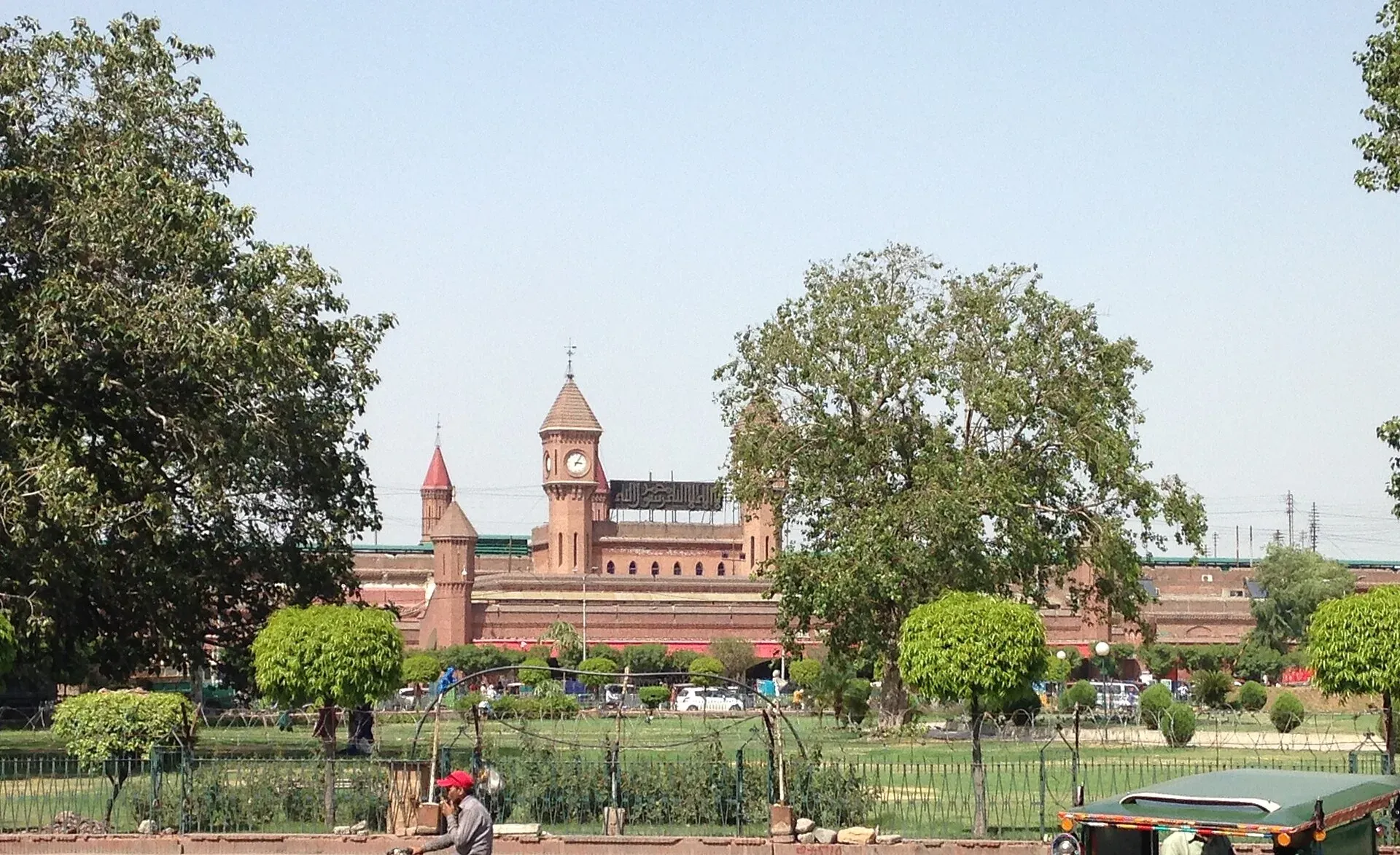
Trains for slow travel
Pakistan Railways runs about 7,800 km of track, mostly broad gauge. It is cheap, slow and sometimes late, but it is also one of the most relaxed ways to cross the plains. Trains do not go to the mountains of Gilgit-Baltistan. They suit the long routes between Karachi, Lahore and Rawalpindi, and a few heritage stations and museums. This article is a short guide to the scenic and heritage rides, with an honest note on which ones are real today.
The main line: ML-1
ML-1 is Pakistan's busiest railway. It runs from Kiamari in Karachi to Peshawar Cantonment, about 1,687 km on the figure in Wikipedia's lead (its headline figure gives 1,872 km), built in sections between 1861 and 1900. Karachi to Peshawar takes about 30 to 32 hours. Named trains include the Khyber Mail, Green Line, Tezgam, Allama Iqbal Express, Hazara Express, Awam Express, Karachi Express and Pak Business Express. Check the official timetable for days and times, which change by season.
The highlights are the long river crossings: the Lansdowne Bridge between Rohri and Sukkur (1889), the Attock Bridge (1883) and the Empress Bridge near Bahawalpur (1878). Classes include AC Sleeper, AC Parlour, AC Business, AC Standard and Economy, and not every train has all of them. For an overnight journey, AC Sleeper is the most comfortable. Security on the northern end, in Khyber Pakhtunkhwa, can affect services.
The Safari Train: Rawalpindi to Attock Khurd
The Safari Tourist Train is a day excursion across the Potohar plateau. It runs from Rawalpindi to Attock Khurd, a quiet Victorian station beside the Indus, and returns the same evening, stopping at Golra Sharif. The line crosses folded hills, ravines and small stone bridges, and the high point is the iron girder bridge over the Indus at Attock, which opened in 1883.
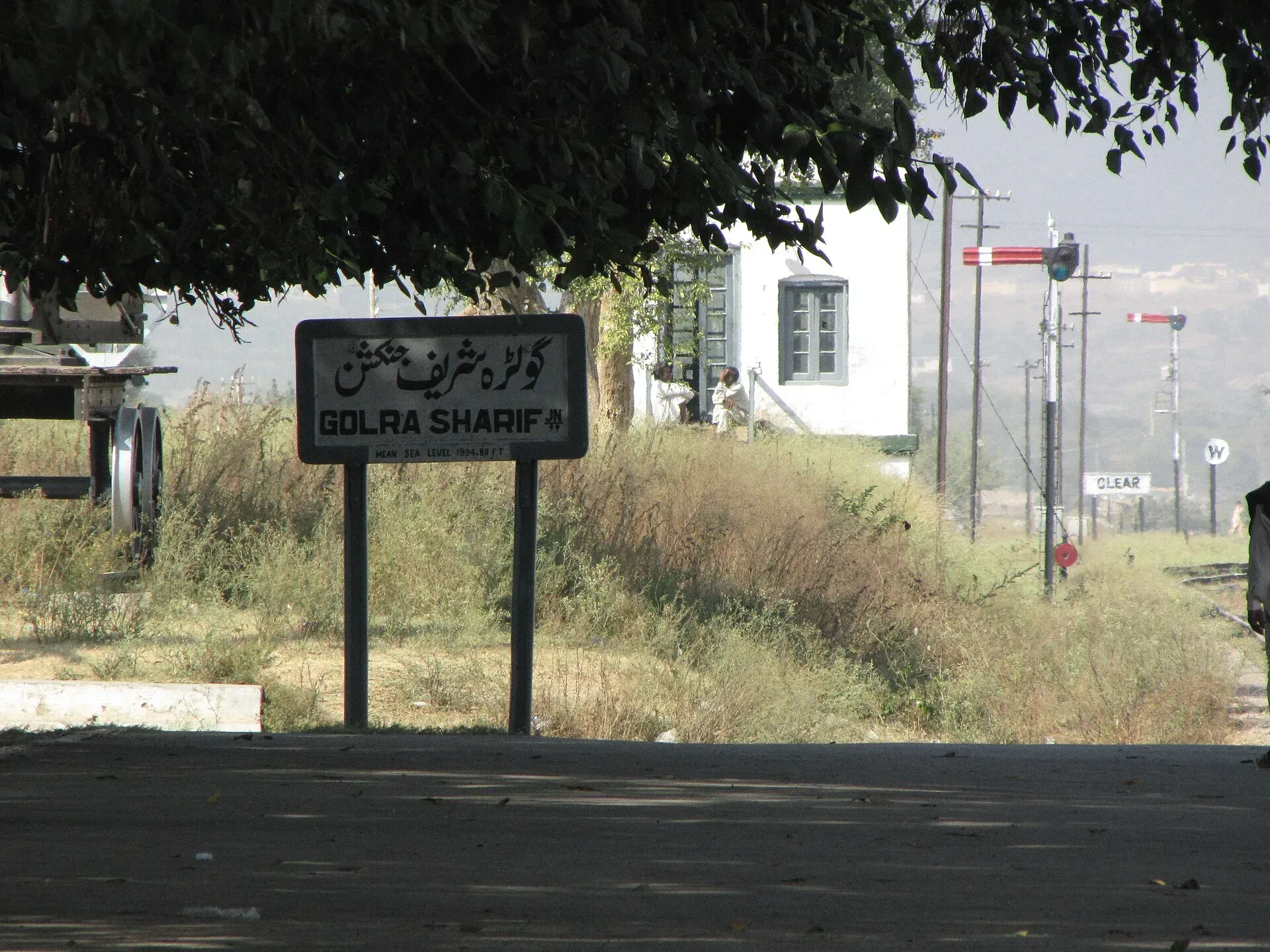
Photo: Cuckkoo (English Wikipedia), with thanks · CC BY-SA 3.0 · via Wikimedia Commons · temporary stand-in photo
Treat it as running but unreliable. The Express Tribune described the April 2026 relaunch as the fourth attempt, and said earlier versions ended after a few trips due to financial losses. At the April 2026 relaunch it was reported as a weekly Sunday service leaving Rawalpindi at 10 am, with four to six hours at Attock Khurd before returning the same evening. We have not seen an official timetable, and no news after April 2026 either way. Call the Pakistan Railways helpline before you go, and book only through official channels. Current fares will be added soon.
Golra Sharif Railway Museum
Golra Sharif station was built in 1882 and houses Pakistan's railway museum, the only formal one in the country according to Arab News. Inside are royal saloons, including one used by Muhammad Ali Jinnah and one by Lord Mountbatten, railway relics and a section on 1947. The museum is open, but we have not confirmed today's hours or entry price from an official source. Phone first.
Heritage stations
Many of Pakistan's main stations date from the 1860s to the 1930s and are working buildings, not museums. There is no ticket or opening time for a visit, so look from the forecourt.
- Lahore Junction (1859 to 1860): a fort-like building with thick walls, turrets and gun loops.
- Karachi City (opened 1864, current building 1935): yellow sandstone.
- Golra Sharif (1882): the museum station.
- Attock Khurd (1880s): a stone station beside the 1883 bridge.
Arrive early, keep bags in sight and ask station staff before photographing, because rules can change. Peshawar Cantonment, Landi Kotal and Shelabagh are also heritage stations, but they lie in areas where we do not recommend travel at present.
Lines that are history for now
- Khyber Pass Railway. Regular passenger trains between Peshawar and Landi Kotal ended in 1982, and tourist steam charters ran from 1996 until 2006. It had 34 tunnels and 92 bridges and culverts. Treat it as history.
- Bolan Pass line (Sibi to Quetta). A great British-era engineering story, but trains in Balochistan have been halted repeatedly in 2026, and we do not recommend it.
- Khojak Tunnel line (Quetta to Chaman). The 3.91 km tunnel was the longest in the subcontinent when it opened, but the service is unclear and the area is covered by travel advice. Do not plan a trip.
How to book
- Use the online booking portal linked from the official Pakistan Railways site, or the RABTA app.
- Or book at a station reservation office. Women often have a separate queue.
- Carry the SMS or printout and your passport to board.
Foreign cards are sometimes refused online, so ask a hotel to help. Fares differ by class and train, so we do not list them. Some sources mention concessions, but the official site did not list them when we checked.
Tips for riding
- Take food and water, and keep valuables in a day bag
- Arrive early; stations are crowded and loud
- Choose AC Sleeper for night runs
- Keep a spare day: delays are common
- For foreign visitors: the UK FCDO notes an ongoing risk of terrorism in public places, so stay alert at stations
Before you go: travel advice
The UK FCDO page for Pakistan (updated 27 October 2026, still current on 17 November 2026) advises against all travel to Balochistan Province (which includes Quetta) and to Peshawar and Khyber. It advises against all but essential travel to Nowshera and to Sindh north of and including Nawabshah, and rail passes through these places. Lahore, Karachi, Golra and Attock are not named, though the Attock border with Khyber Pakhtunkhwa calls for care. It also notes emergency measures and Governor's Rule in Khyber Pakhtunkhwa since 11 October 2026. Read the live page and your insurance terms before you decide.


