

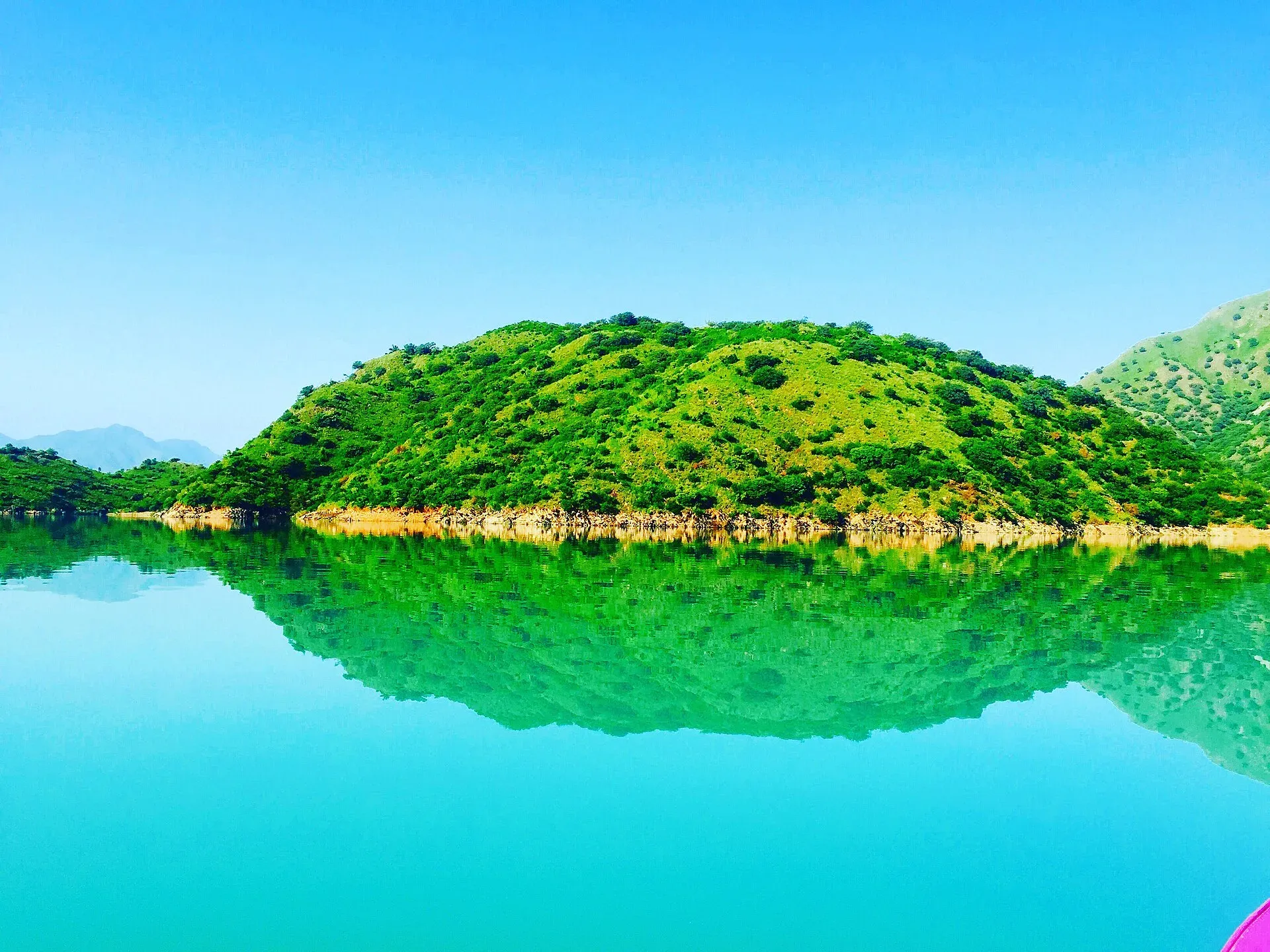
Photo: Alee ur Rehman, with thanks · CC BY-SA 4.0 · via Wikimedia Commons · temporary stand-in photo

Swabi
District capital near the Indus, about 100 km from Islamabad and Peshawar, and close to the Tarbela Dam area. For foreign visitors: the UK FCDO advises against all but essential travel to Swabi.
Overview
Swabi is the capital of Swabi District in Khyber Pakhtunkhwa. It stands near the Indus River at about 340 m and is the second-largest city in Mardan Division. The residents are mostly Yusufzai Pashtuns, and Pashto is the first language of about 99.6% of them. The district lies between the Indus and Kabul rivers. It became a district in 1988, having been a tehsil of Mardan District before that. It covers 1,543 sq km.
Population figures need care. Wikipedia gives the city 156,496 people at the 2023 census, with 16,212 households, but also quotes 1,894,600, which is the district total. The district has four tehsils: Lahor, Razar, Swabi and Topi.
Plan your visit
- Getting there
Road: Islamabad is about 103 km (roughly 1 hour 10 minutes) and Peshawar about 105 km (roughly 1 hour 20 minutes) by road (OSRM, checked 16 November 2026). Air: Islamabad International or Peshawar. Rail: not practical. More
Best months
Mar – Apr, Oct – Dec
- Swabi
- Related places nearby: Mardan, Haripur, Islamabad, Takht-i-Bahi and Sahr-i-Bahlol, Hund Museum
Hund, the last capital of Gandhara
The most significant historic site in the district is Hund, a village on the right bank of the Indus about 15 km upstream of Attock Fort. Wikipedia says it was the last capital of Gandhara, after Charsadda (Pushkalavati) and Peshawar (Purushapura). Under the Turk Shahi dynasty (7th to 9th century AD) it served as the capital, possibly as a winter capital alternating with Kabul. The Hindu Shahi rulers held it until the early 11th century, when Mahmud of Ghazni defeated Anandapala, the last Hindu Shahi ruler in Gandhara.
The village is also linked with Alexander the Great, who is said to have crossed the Indus here in 327 BC. Remains of a fort wall with four gates are still visible. The Hund Museum, on the Indus bank, keeps Gandhara and Hindu Shahi finds; see Hund Museum. The Hund article on Wikipedia carries maintenance notices, so check details locally.
People and education
Swabi is also known as a university district. The Ghulam Ishaq Khan Institute of Engineering Sciences and Technology opened in 1993 and was the district's only degree-awarding institution until the University of Swabi was set up in 2012. Gajju Khan Medical College followed in 2014 and Women University Swabi in 2016. Historical figures linked to the district include Kalu Khan Yousafzai, who is said to have defeated Akbar's army at the Karakar Pass.
What to see and do
There are no confirmed visitor sights in the city itself. A Wikimedia photo description places the back of Tarbela Dam near Swabi; see Tarbela Dam. Takht-i-Bahi, a UNESCO Buddhist site, is in neighbouring Mardan District, about 76 km by road (OSRM estimate); see Takht-i-Bahi.
When to visit
Swabi has a humid subtropical climate. The average annual temperature is 22.2 C and annual rainfall is 639 mm. June is the hottest month (about 32.9 C on average) and January the coldest (about 10.2 C). November is the driest month and August the wettest, with about 137 mm. October to April is the most comfortable time.
Where to stay and eat
There are a few local hotels and roadside restaurants serving grilled meat and fresh bread. No verified names. Most visitors would use Islamabad as a base, subject to the safety advice below.
Good to know
Safety: For foreign visitors: the UK FCDO Pakistan page (updated 27 October 2026, checked 16 November 2026) advises against all but essential travel to Swabi. It also advises against all travel to neighbouring Buner and Charsadda, notes emergency measures in Khyber Pakhtunkhwa, and says Governor's Rule has applied since 11 October 2026. Check the live page and local conditions before any trip.
Highlights
- Near the Indus and the Tarbela Dam area
- Home to the Ghulam Ishaq Khan Institute
- Second-largest city in Mardan Division
- Yusufzai Pashtun heartland
Getting there
Road: Islamabad is about 103 km (roughly 1 hour 10 minutes) and Peshawar about 105 km (roughly 1 hour 20 minutes) by road (OSRM, checked 16 November 2026). Air: Islamabad International or Peshawar. Rail: not practical.
Hotels, food, fuel and services in Swabi
Places to eat
- Abaseen Fish Spot اباسین فش سپاٹCall Abaseen Fish Spot اباسین فش سپاٹMap of Abaseen Fish Spot اباسین فش سپاٹ in Google Maps
- Chef HouseCall Chef HouseMap of Chef House in Google Maps
- Saleem Jani Hujra Restaurant SwabiCall Saleem Jani Hujra Restaurant SwabiMap of Saleem Jani Hujra Restaurant Swabi in Google Maps
- Bamkhel RestaurantCall Bamkhel RestaurantMap of Bamkhel Restaurant in Google Maps
Essential services fuel stations, mechanics, ATMs, pharmacies and hospitals and clinics
Fuel
- Wali CNG StationMap of Wali CNG Station in Google Maps
- Qureshabad filling station BamkhelCall Qureshabad filling station BamkhelMap of Qureshabad filling station Bamkhel in Google Maps
- Jan filling station Khadar abadCall Jan filling station Khadar abadMap of Jan filling station Khadar abad in Google Maps
- Khan Filling Station ⛽ Panjpir ShagaiMap of Khan Filling Station ⛽ Panjpir Shagai in Google Maps
Mechanics and tyre shops
- حاجی فقیر محمد استاذCall حاجی فقیر محمد استاذMap of حاجی فقیر محمد استاذ in Google Maps
- jolta electric bike And lithium batteries labCall jolta electric bike And lithium batteries labMap of jolta electric bike And lithium batteries lab in Google Maps
ATMs
- Habib Bank Limited. (HBL)Map of Habib Bank Limited. (HBL) in Google Maps
- Habib Bank Limited Shah Mansoor BranchCall Habib Bank Limited Shah Mansoor BranchMap of Habib Bank Limited Shah Mansoor Branch in Google Maps
- ATM National Bank Of Pakistan ZaidaMap of ATM National Bank Of Pakistan Zaida in Google Maps
Pharmacies
- Darman Medical StoreCall Darman Medical StoreMap of Darman Medical Store in Google Maps
- CHIEF MEDICAL STORECall CHIEF MEDICAL STOREMap of CHIEF MEDICAL STORE in Google Maps
- MedStop PharmacyCall MedStop PharmacyMap of MedStop Pharmacy in Google Maps
- Kamran Medical StoreMap of Kamran Medical Store in Google Maps
- Hyatt PharmacyCall Hyatt PharmacyMap of Hyatt Pharmacy in Google Maps
- National medical storeCall National medical storeMap of National medical store in Google Maps
Hospitals and clinics
- Bacha Khan Medical ComplexCall Bacha Khan Medical ComplexMap of Bacha Khan Medical Complex in Google Maps
- Sardar Momorial HospitalCall Sardar Momorial HospitalMap of Sardar Momorial Hospital in Google Maps
- Nayab Labs and Diagnostic Center - Swabi BranchCall Nayab Labs and Diagnostic Center - Swabi BranchMap of Nayab Labs and Diagnostic Center - Swabi Branch in Google Maps
- Al Hadi International Hospital SwabiCall Al Hadi International Hospital SwabiMap of Al Hadi International Hospital Swabi in Google Maps
- Mother Care HospitalCall Mother Care HospitalMap of Mother Care Hospital in Google Maps
- Dr Inayat Ullah Children Specialist and NeonatologistCall Dr Inayat Ullah Children Specialist and NeonatologistMap of Dr Inayat Ullah Children Specialist and Neonatologist in Google Maps
Listings come from Google Maps data and are unverified: phone numbers, opening months and prices may have changed. Report a problem · Own one of these? Claim it
Tips
- Read the current FCDO advice before planning any visit.
- If you go, travel in daylight and allow extra time for checkpoints.
- Visit October to April.
- Dress modestly and ask before photographing people.
Photos we still need: Hund village or fort gate; a street scene or bazaar in Swabi. Send us yours
Sources and last checked
Last checked Confidence low5 sources5 still to check
- Last checked
- Method
- Desk research from published sources
- Confidence
- low
- Checked by
- trek.pk research team
Researched from published sources; not yet checked on the ground by our team. Spot something out of date? Report a mistake.
Sources
- Swabi · Wikipedia · checked
- Swabi District · Wikipedia · checked
- OSRM driving routes (road distances and times, optimistic) · Project OSRM · checked
- Pakistan travel advice: warnings and insurance · UK FCDO (GOV.UK) · checked
- Hund, Khyber Pakhtunkhwa · Wikipedia · checked
Still to be checked on the ground (5)
- City population (2023): Wikipedia infobox 156,496 but its text says 1,894,600 (the district figure); PBS census table not opened
- Current security and access
- Local sights (Wikipedia 'Visit' section only links Dobian, Topi, Tordher, Zaida with no descriptions)
- Hotels and services
- Hund details (Wikipedia carries maintenance notices; check against an archaeology source)
Nearby and related

Mardan
The second-largest city in Khyber Pakhtunkhwa, set in the Peshawar valley, and the gateway to Gandhara's Takht-i-Bahi monastery (UNESCO), Shahbaz Garhi's Ashoka edicts and the Guides Memorial.

Haripur
A city in the Hazara plain, about 65 km north of Islamabad and 35 km south of Abbottabad, founded in 1822. A practical stop on the way to the hills and the Karakoram Highway.

Islamabad
Pakistan's green, planned capital at the foot of the Margalla Hills: Faisal Mosque, hillside trails, cafes and the gateway to the north.

Takht-i-Bahi and Sahr-i-Bahlol
A hilltop Buddhist monastery near Mardan, founded in the early 1st century CE, with the ruins of a small walled town at Sahr-i-Bahlol. UNESCO World Heritage Site since 1980.

Peshawar
Khyber Pakhtunkhwa's capital and one of South Asia's oldest living cities: the Gandhara museum, Qissa Khwani Bazaar, mosques and a strong food culture.
Hund Museum
A small museum by the Indus at Hund, an ancient Gandharan capital in Swabi district, with artefacts from the Gandhara and Hindu Shahi periods.