

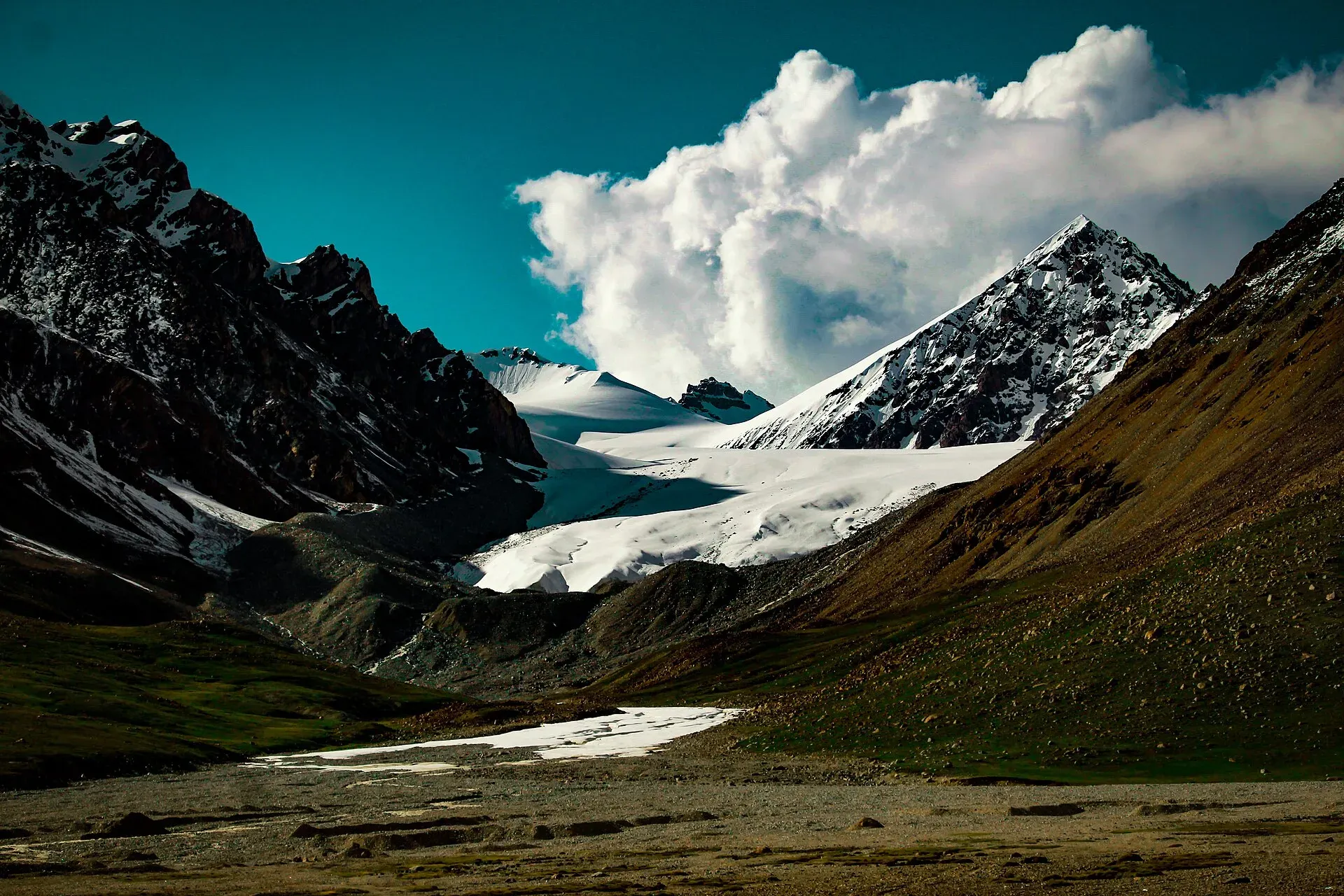
Photo: Gecksproduction, with thanks · CC BY-SA 4.0 · via Wikimedia Commons · temporary stand-in photo
Wildlife
Markhor, snow leopard, brown bear, Marco Polo sheep and the Indus river dolphin: where Pakistan's mammals live, what to expect when you look for them, and how to watch responsibly.
Key facts
- Markhor is the national animal
- Snow leopards live above about 3,000 m; Khunjerab has a high density
- Deosai protects the Himalayan brown bear
- Indus river dolphin is the national mammal and is Endangered
- Marco Polo sheep carry the longest horns of any sheep
Overview
Pakistan's wildlife follows its geography. A reference list counts 195 mammal species. High mountains hold wild goats and sheep, big cats and bears. The river plains hold deer and antelope, crocodiles and a rare river dolphin, and the southern coast has sea turtles. Birds have their own page. This one is about mammals and other animals.
You will rarely see the shy animals, and that is part of the pleasure: a distant markhor on a cliff, bear tracks in snow, or a dolphin surfacing for a breath. Go with patience, binoculars and a local guide.
Markhor, the national animal
The markhor (Capra falconeri), called the screw-horned goat, is Pakistan's national animal. Males carry twisting horns that can reach 160 cm. It lives on steep, rocky mountains between about 600 and 3,600 m. The IUCN lists it as Near Threatened since 2015, and the largest population is reported in Chitral National Park. Look for markhor in Chitral and in the dry ranges of Balochistan, with guides from local communities. Pakistan sells a small number of hunting licences for old males, which the government describes as a conservation measure, so you may hear this discussed in the mountains.
Snow leopard, the mountain ghost
The snow leopard is a very shy cat that lives in alpine and subalpine zones between about 3,000 and 4,500 m, using lower slopes in winter. It is listed as Vulnerable. A camera-trap study from 2010 to 2019 estimated 100 to 239 snow leopards in Pakistan. Khunjerab National Park has one of the highest densities in the Himalayan ecosystem. You are very unlikely to see one on an ordinary trek.
Himalayan brown bear and Deosai
The Himalayan brown bear is classed as critically endangered in Pakistan. A 2007 estimate suggested about 150 to 200 in the north. The best-known home is Deosai National Park, set up in 1993 to protect it. Wikipedia's Deosai article gives counts of 19 in 1993, 40 in 2005 and 78 in 2022, while its Himalayan brown bear article cites a Gilgit-Baltistan government survey that estimated 66 bears in Deosai and nearby valleys in 2022. Treat the numbers as approximate. Bears hibernate in winter, and the park is reachable only in summer. Keep a safe distance, store food properly and never feed wildlife. Shepherds sometimes lose animals to bears, so respect local concerns.
Deosai also has Himalayan marmots, Siberian ibex, Himalayan wolf, and a listed 124 bird species.
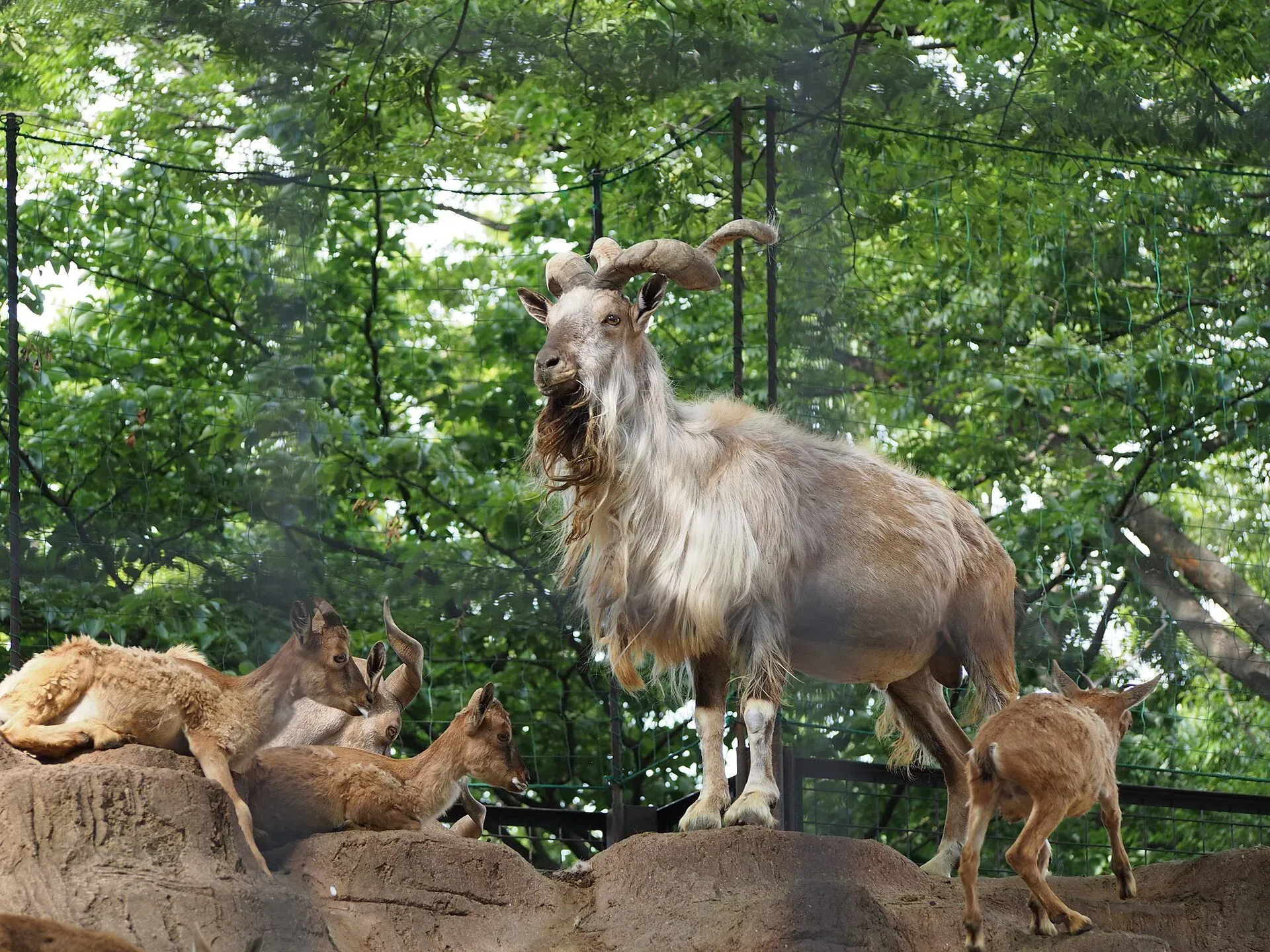
Photo: Kestrel, with thanks · CC BY-SA 4.0 · via Wikimedia Commons · temporary stand-in photo
Marco Polo sheep and ibex
The Marco Polo sheep has the longest horns of any sheep, with spans up to about 140 cm, and is named for the traveller who described it. It lives mainly in the Pamir and the north-west of Khunjerab National Park, which was created in 1975 largely to protect it. The IUCN lists it as Near Threatened. The same park has more than 1,000 Siberian ibex. Wikipedia says the Marco Polo sheep count there was 41 in 2012, all of them animals that had crossed from China.
In the south, Hingol National Park is reported to hold Sindh ibex, marsh (mugger) crocodiles and Indo-Pacific dolphins on the coast. A figure of over 3,000 ibex appears on Wikipedia, but it comes from an old source and the article carries a citation warning, so we do not rely on it.
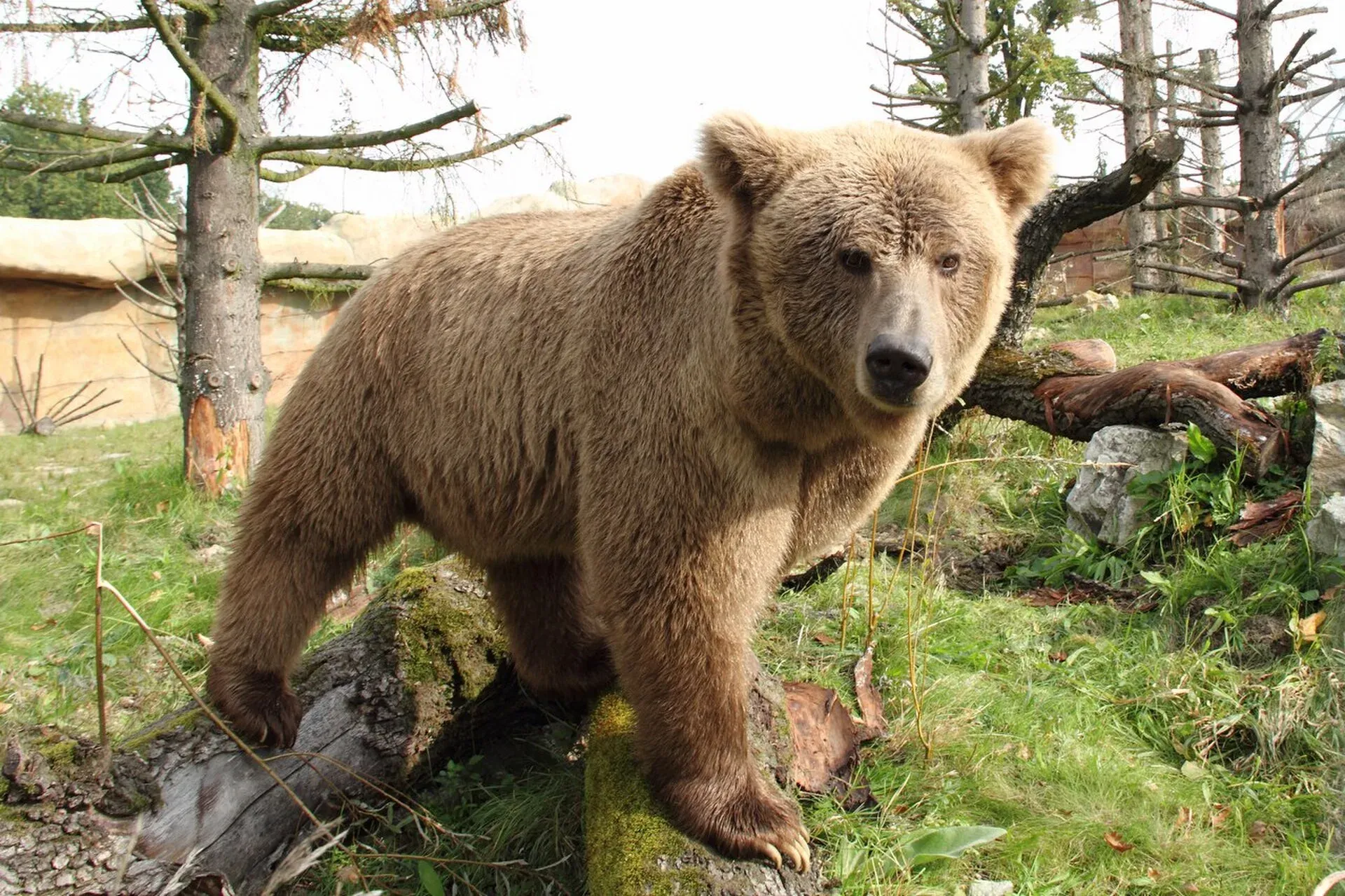
Photo: Zoo Hluboka, with thanks · CC BY-SA 4.0 · via Wikimedia Commons · temporary stand-in photo
Indus river dolphin
The Indus river dolphin is Pakistan's national mammal and is Endangered. It has no useful eye lens, is effectively blind, and finds fish by sound. It once ranged over about 3,400 km of the Indus and its tributaries but now lives in about 690 km of the main river, a fall of 80 per cent since 1870. Irrigation barrages have split it into five small groups. The Sindh Wildlife Department reported about 2,100 dolphins in a 2021 survey, according to Wikipedia citing Al Jazeera; the same article gives about 1,800 for 2017 (WWF), and a 2026 Khyber Pakhtunkhwa census of 135 between Chashma Barrage and Ramak. The Indus Dolphin Reserve in Sindh and the Chashma and Taunsa barrages in Punjab are all Ramsar wetlands. Surfacing for air is brief, so sit still on a boat, and ask the wildlife department about guidelines and local operators.
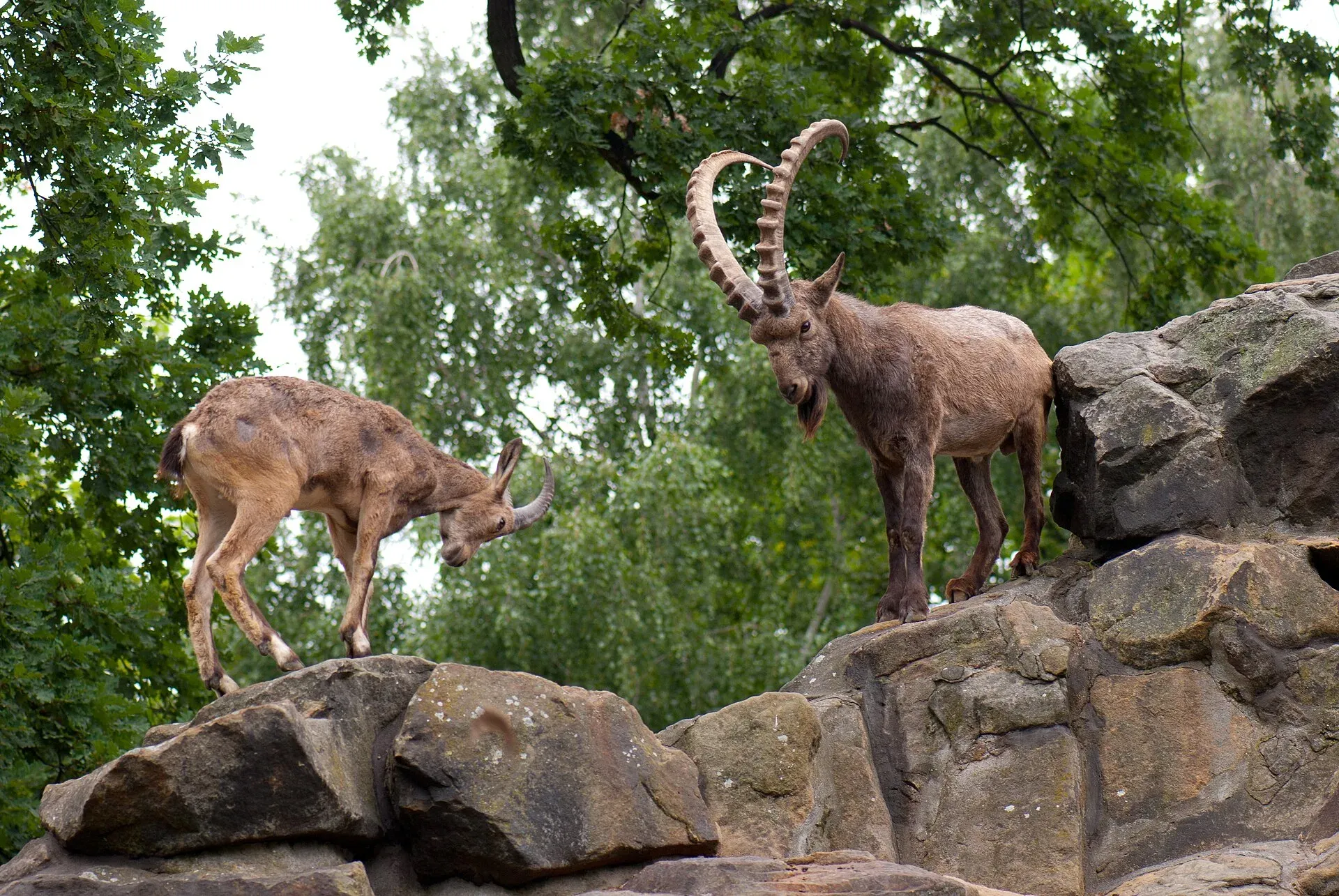
Photo: Quinet, with thanks · CC BY 3.0 · via Wikimedia Commons · temporary stand-in photo
Plains, desert and coast
- Leopard: the Indian leopard lives in the Margalla Hills near Islamabad, so follow trail advice and avoid walking alone at dusk.
- Plains and desert: chinkara gazelle, nilgai, and mugger crocodiles in wetlands such as Haleji.
- Balochistan: markhor, caracal, striped hyena and Pallas's cat in the dry ranges.
- Coast: sea turtles nest at Astola, Ormara, Hawke's Bay and Sandspit, and greater flamingos breed on the Rann of Kutch coast.
- North: Eurasian lynx, bharal, kiang and the Himalayan brown bear.
Where and when
- Summer (June to September): Deosai bears and marmots, ibex on trek routes, Khunjerab.
- Winter (December to February): snow leopards use lower slopes in winter, but roads to the high north may be closed, so go only with an experienced local guide.
- Dolphins: ask the Sindh Wildlife Department or local boat operators about the best months and boat rules.
Responsible viewing
- Keep at least 100 m from bears and large animals, and stay on trails.
- Never feed wildlife, chase animals for photographs, or use drones near them.
- Do not buy furs, horns, or products made from wild animals.
- Use guides from local communities; their income often depends on keeping animals safe.
- Follow park rules and ask the park office about permits. A park entry fee may apply; current fees will be added soon.
Sources and last checked
Last checked Confidence medium11 sources5 still to check
- Last checked
- Method
- Desk research from published sources
- Confidence
- medium
- Checked by
- trek.pk research team
Researched from published sources; not yet checked on the ground by our team. Spot something out of date? Report a mistake.
Sources
- Wildlife of Pakistan · Wikipedia · checked
- Markhor · Wikipedia · checked
- Snow leopard · Wikipedia · checked
- Himalayan brown bear · Wikipedia · checked
- Deosai National Park · Wikipedia · checked
- Marco Polo sheep · Wikipedia · checked
- Khunjerab National Park · Wikipedia · checked
- Indus river dolphin · Wikipedia · checked
- Hingol National Park · Wikipedia · checked
- Margalla Hills · Wikipedia · checked
- Ramsar sites in Pakistan · Wikipedia · checked
Still to be checked on the ground (5)
- Dolphin survey figures come from Wikipedia (citing Al Jazeera, WWF and APP); not confirmed with the Sindh Wildlife Department
- Best months for dolphin and snow leopard viewing: no source found; confirm locally
- Hingol Sindh ibex figure: Wikipedia's 'over 3,000' is a 2006-era figure under a citation warning; removed from the claim, no better count found
- Park entry fees: no source found; confirm with the park office
- Brown bear numbers: Wikipedia's Deosai article says 78 and its brown bear article says 66 for 2022; both are stated on the page


