

Photo: Ahmedomair, with thanks · CC BY-SA 4.0 · via Wikimedia Commons · temporary stand-in photo
Fish of Pakistan
Pakistan's fish at a glance: Indus rivers, northern trout streams, big lakes and the Arabian Sea coast; the golden mahseer, introduced trout, the fishing economy, conservation and where to see fish.
Key facts
- The golden mahseer is Pakistan's national fish and is Endangered
- Trout were introduced and are fished and farmed in the north
- Karachi Fish Harbour is the largest fishing harbour
- Seafood exports were worth $253.24 million in July to December 2025
- Palla, mahseer and wild trout have all declined
Overview
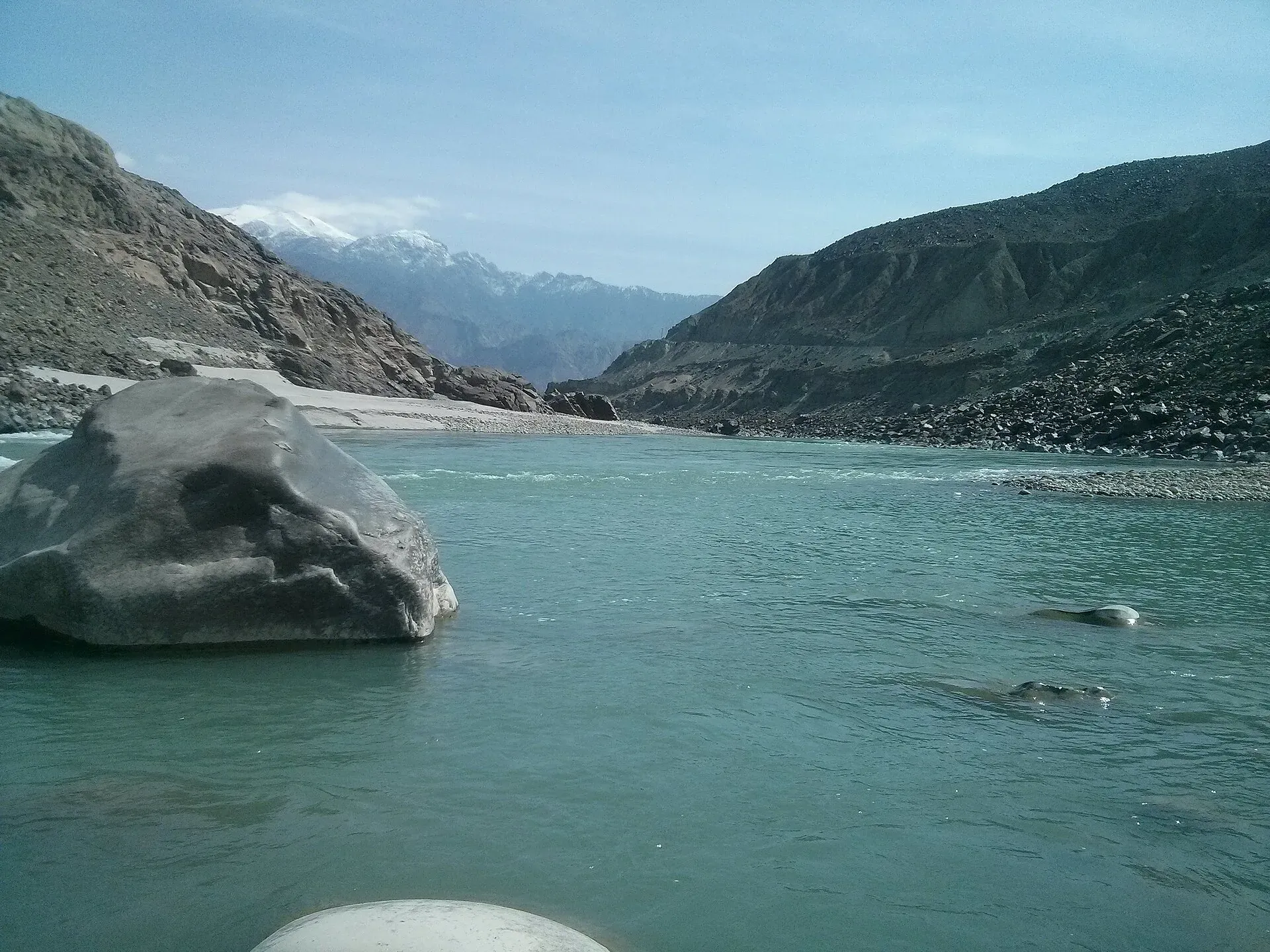
Pakistan has fish in very different waters: glacier-fed streams in the Himalaya, Karakoram and Hindu Kush, the long Indus river system, big lakes and reservoirs, and roughly a thousand kilometres of Arabian Sea coast (Wikipedia gives 1,050 km in one place and 1,120 km in another). Most of the freshwater catch comes from the Indus and its tributaries. Wikipedia's article on the fishing industry says rivers and reservoirs give more than 80 per cent of inland fish output and that about 30 species are fished. This page is a short guide for visitors, with links to the fish pages listed below.
Rivers and mountain streams
The Indus River and its tributaries are the backbone of inland fishing. Down in the plains the river holds carp such as rohu, catla and mrigal, catfish and other species, while the cold, fast streams of the north hold snow trout and the introduced trout described below. Near Sindh's coast the river meets the sea in the Indus Delta.
In the north the main trout waters on this site are the Kunhar River in the Kaghan valley, the Swat River, the lakes and streams of Ghizer and Satpara Lake near Skardu. See our guide to trout fishing in Pakistan.
Lakes and reservoirs
Wikipedia's fishing-industry article names Keenjhar Lake (about 13,468 ha, near Thatta) and Manchar Lake (about 25,000 ha, in Dadu district) among the major freshwater lakes, and the reservoirs behind Tarbela, Mangla and Chashma among the important fisheries. Keenjhar is also one of the main wetlands for migratory waterbirds in Sindh; see Birds of Pakistan.
The Arabian Sea coast
Marine fish are caught from the Sindh and Balochistan coast. The main fishing harbours, according to Wikipedia, are:
- Karachi Fish Harbour: the largest and oldest (opened in 1958 according to Wikipedia; another source says 1959), run by the Sindh government, with more than 7,000 fishing craft. It is said to handle about 90 per cent of catches and 95 per cent of fish exports.
- Korangi Fish Harbour: run by the federal ports ministry; about 300 boats and 14 processing facilities as of 2024.
- Pasni Fish Harbour: run by Balochistan; designed for 500 vessels but badly silted, with no active processing facilities.
- Gwadar Fish Harbour: run by the federal government and serving mainly large gillnetters; as of 2026 China is investing in the port.
Ibrahim Hyderi is a large fishing village on the edge of Karachi. A Reuters photo carried by Arab News in January 2026 shows fishermen unloading their catch there. See also Karachi, Gwadar and Pasni.
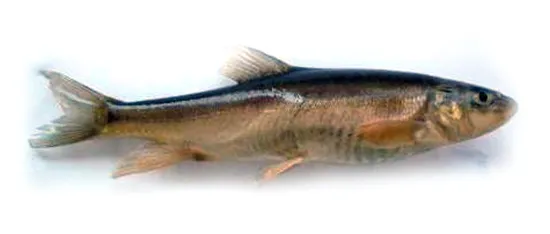
Photo: Sajjad Hussein, with thanks · CC BY 3.0 · via Wikimedia Commons · temporary stand-in photo
The national fish: golden mahseer
Pakistan's national fish is the golden mahseer (Tor putitora), according to a government source cited by Wikipedia. It is a big river fish of Himalayan foothill rivers in the Indus, Ganges and Brahmaputra basins. Wikipedia lists it as Endangered (IUCN assessment, 2018) and says its population has declined by more than an estimated 50 per cent, because of hydropower and dams, overfishing (including dynamite, poison and fine-mesh nets), and competition from introduced fish. Pakistan-specific range and numbers are not given there and still need a local source.
Trout: an introduced fish
Trout are not native to Pakistan. Dawn, citing Anadolu Agency (10 June 2026), reports that British colonial officers introduced trout to Gilgit-Baltistan in the late 19th or early 20th century. There are two kinds, brown trout (much more abundant there) and rainbow trout. Today trout are caught by anglers in the north and raised on farms: the same report says Gilgit-Baltistan farms grew from just over 100 to more than 450 in three to four years and supply about 600 tonnes of trout a year. The Gilgit-Baltistan Fisheries Department page also lists 450+ registered trout farms. Trout is a menu staple in Swat, Kaghan and Ghizer.
The fishing economy
- Seafood exports. Arab News (16 January 2026) reports that Pakistan exported 122,629 tonnes of seafood worth $253.24 million from July to December 2025, up 19.1 per cent in volume and 21.6 per cent in value on a year earlier. China was the largest buyer (about 59 per cent), followed by Thailand. Frozen fish, shrimp and prawns, and cuttlefish were the main categories.
- Marine catch. Wikipedia gives marine output as about 0.51 million tonnes, against an estimated potential of about 1 million tonnes, and attributes the fall to overfishing. Other sources quote different figures for different years, so treat catch numbers as approximate.
- Inland fishing and farming. Wikipedia reports about 253,000 people in inland freshwater fishing (2022) and about 90,000 in aquaculture, which grew from about 12,500 tonnes in 2000 to about 168,700 tonnes in 2023.
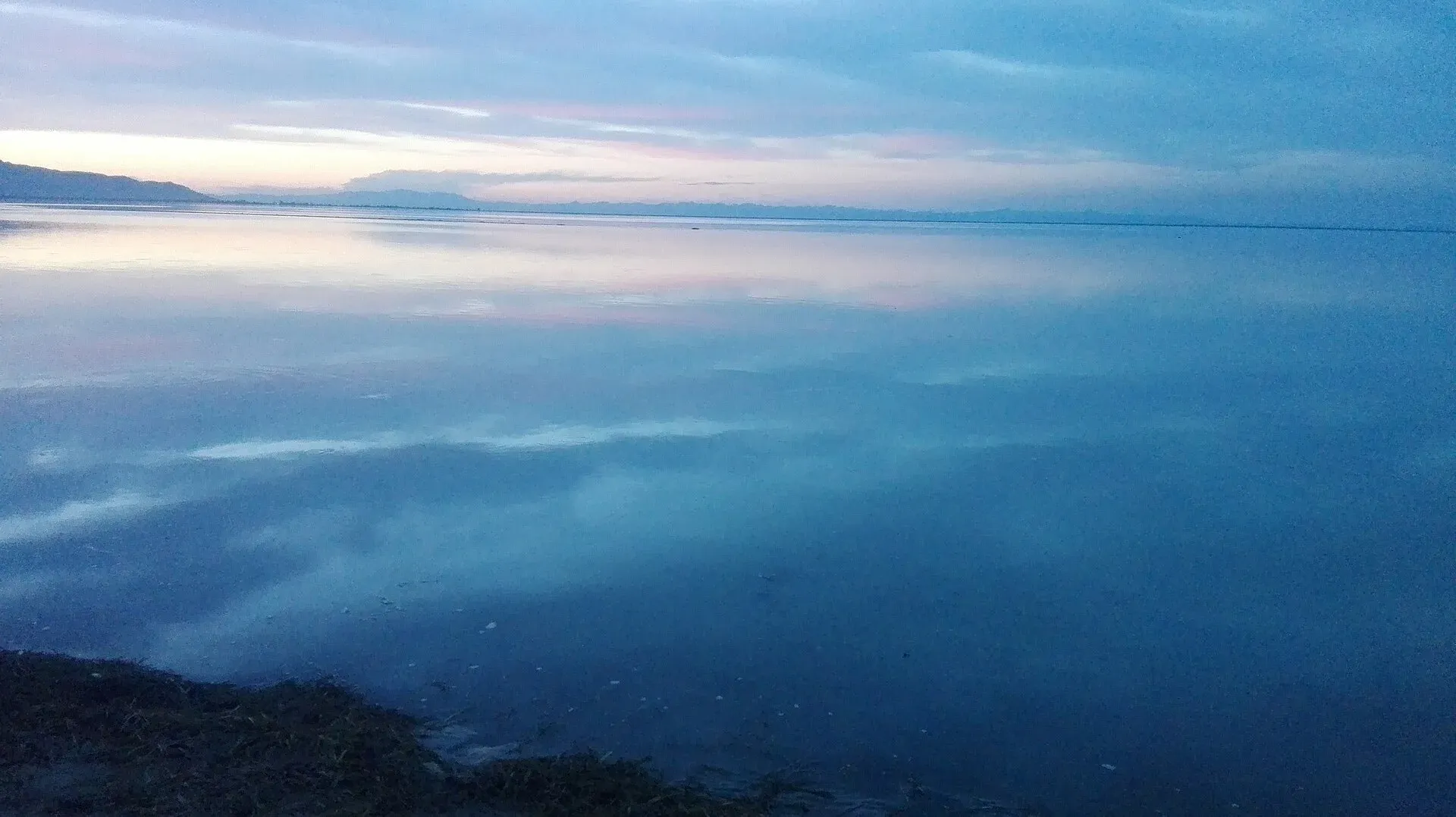
Photo: Muhammad Zain Abbas, with thanks · CC BY-SA 4.0 · via Wikimedia Commons · temporary stand-in photo
Conservation
- Mahseer. Declining because of dams, overfishing and introduced species (see above).
- Palla (hilsa). This sea-run fish used to migrate up the Indus. Palla swim up the Indus from the sea to spawn, and barrages such as Sukkur (1932) and Kotri (1956) stand across that route; the catch is reported to have fallen sharply. See **Kotri Barrage** and the palla page. Current catch figures will be added once checked against fisheries data.
- Wild trout. The June 2026 Dawn report says officials and experts estimate trout in Gilgit-Baltistan fell by about 50 per cent over two decades (no official survey confirms this), with fish above 1 kg now rare. Causes include floods, dynamite, nets and electric shocks, and dams without fish ladders. Fishing there is banned from October to March, though the report says the ban is often broken.
- Floods. Floods in 2022 destroyed 375 trout farms and nine public hatcheries in Khyber Pakhtunkhwa, including the largest public hatchery at Madyan in Swat (Pakistan Observer, citing APP, 28 September 2022).
- Mangroves. The coast's mangroves around the **Indus Delta and **Karachi are nursery habitat for many fish and prawns in general; local figures for Pakistan still need to be added.
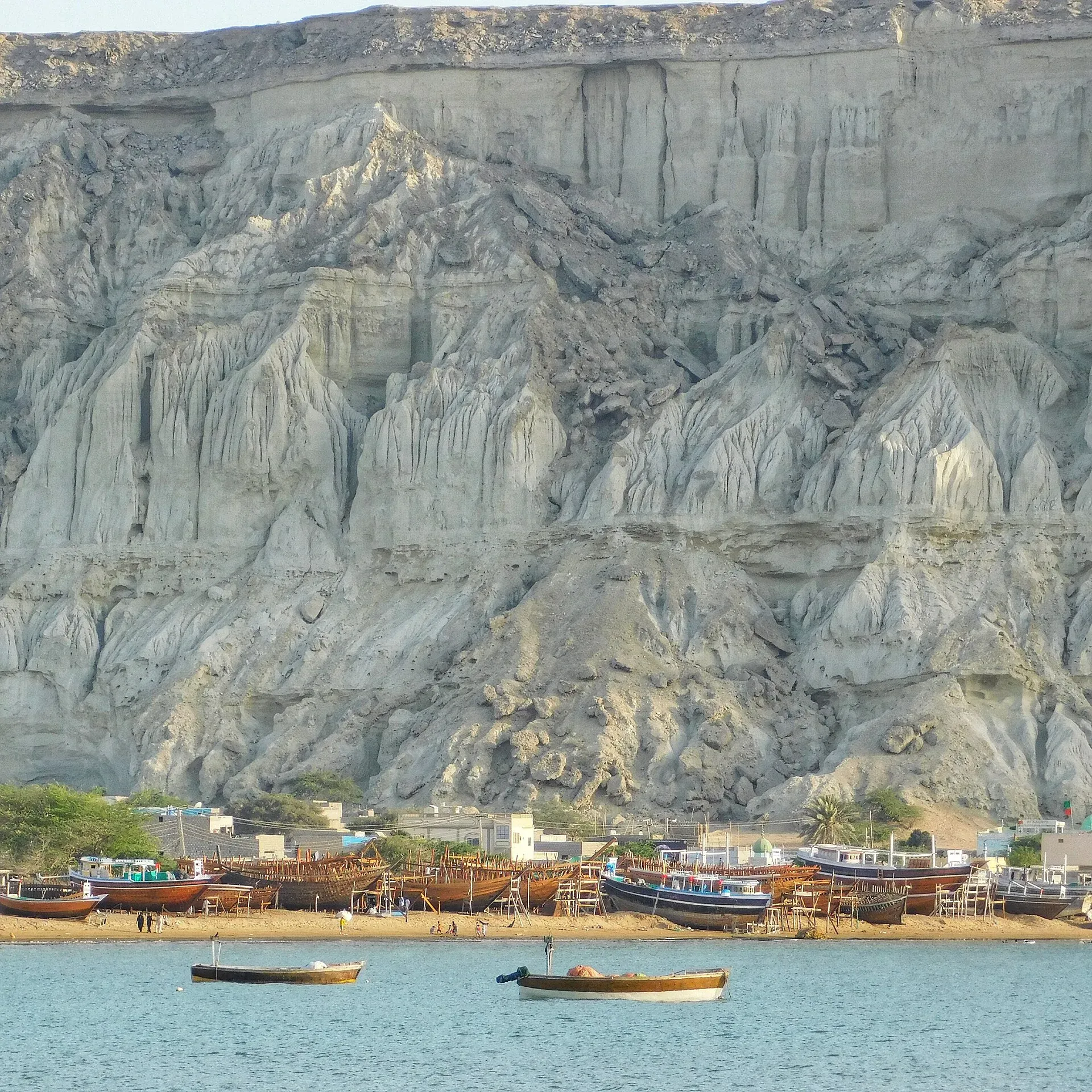
Photo: Sajjad Mahesri, with thanks · CC BY-SA 4.0 · via Wikimedia Commons · temporary stand-in photo
Where to see fish and fishing as a visitor
- Karachi Fish Harbour and Ibrahim Hyderi: early-morning landings of the catch. Go with a local guide or driver, and ask before taking photos of people. Opening hours, entry rules and security conditions should be checked locally.
- Gwadar and Pasni: working fishing harbours on the Makran coast; see our guide to the Makran Coastal Highway.
- Northern rivers and lakes: angling for trout needs a licence or permit from the relevant authority, see trout fishing in Pakistan.
- Restaurants: trout is served at riverside restaurants in Madyan and Kalam in Swat. Check current travel advice before visiting Swat.
- The Indus dolphin: the Indus Dolphin Reserve protects another famous freshwater animal.
Freshwater fish pages
Marine fish pages
- Silver pomfret
- Black pomfret
- Kingfish (surmai)
- Indian mackerel
- Ghol (croaker)
- Indian threadfin
- Barramundi
- Yellowfin tuna
- Ribbonfish
- Bombay duck
- Grouper
- Whale shark
- Snapper
Find a fish
24 fish
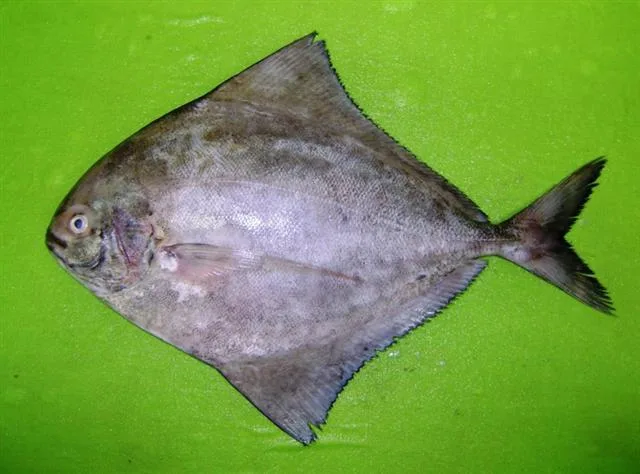
Black Pomfret
A deep, flat, silvery-grey food fish of the northern Arabian Sea. It is not a true pomfret but a jack, and it is a regular catch in Pakistan's coastal fisheries.
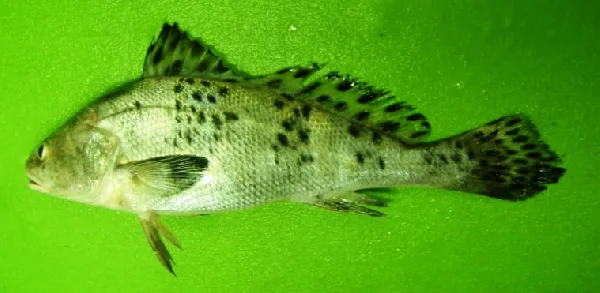
Blackspotted Croaker (Ghol)
A large coastal croaker whose swim bladder, sold dried as fish maw, fetches very high prices in East Asia. A specimen collected in Pakistan is photographed on Commons; Pakistan trade figures are not verified.
Brown Trout
An introduced trout of cold rivers and lakes in Pakistan's north. British officers brought trout to Gilgit-Baltistan in the late 19th or early 20th century, and brown trout is the commoner kind there. It is also raised in hatcheries.
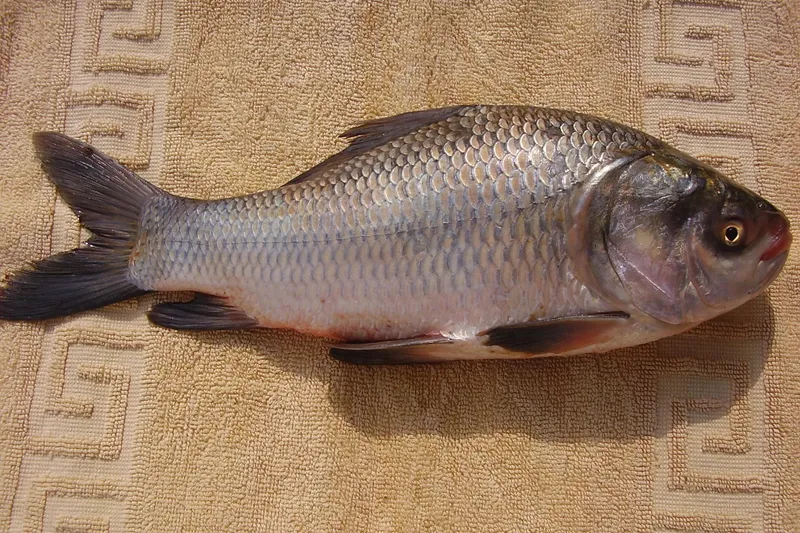
Catla
A broad-headed carp with a huge mouth that feeds near the surface on tiny animals. Catla is native to Pakistan's rivers and lakes and is farmed alongside rohu and mrigal.
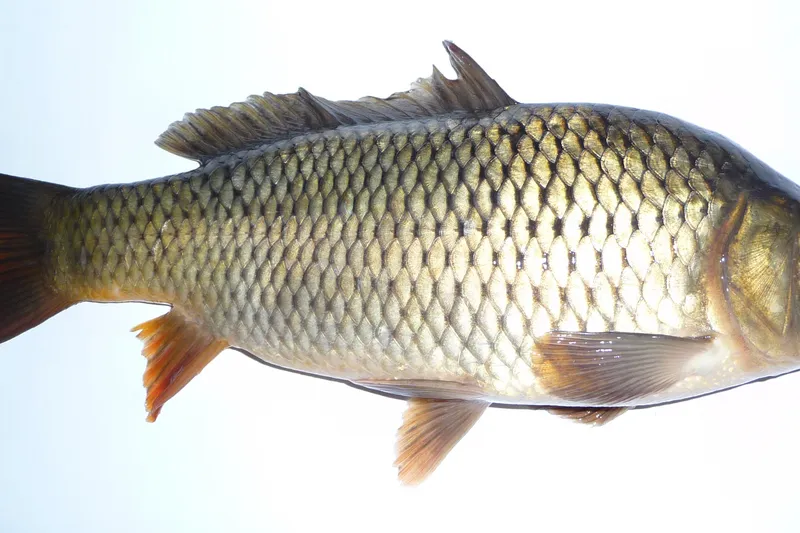
Common Carp
A widely farmed carp from Europe and Asia, now found on every continent but Antarctica. It is rated Least Concern worldwide, yet it is often invasive. In Pakistan it is a farm fish; one report links it to pressure on mahseer.
Giant Snakehead (Saul)
A large, air-breathing predator of slow, weedy water, known in Pakistan as saul. It builds a floating nest and guards its young, and is a prized game and food fish.
Golden Mahseer
Pakistan's national fish: a big, golden-scaled river fish of fast Himalayan foothill rivers. It is Endangered, and its numbers have fallen by more than half because of dams, overfishing and introduced fish.
Grass Carp
A long, plant-eating carp from the Pacific Far East, farmed in Pakistan as part of the standard mixed-carp pond. Grass carp are also used to clear weeds from waterways.
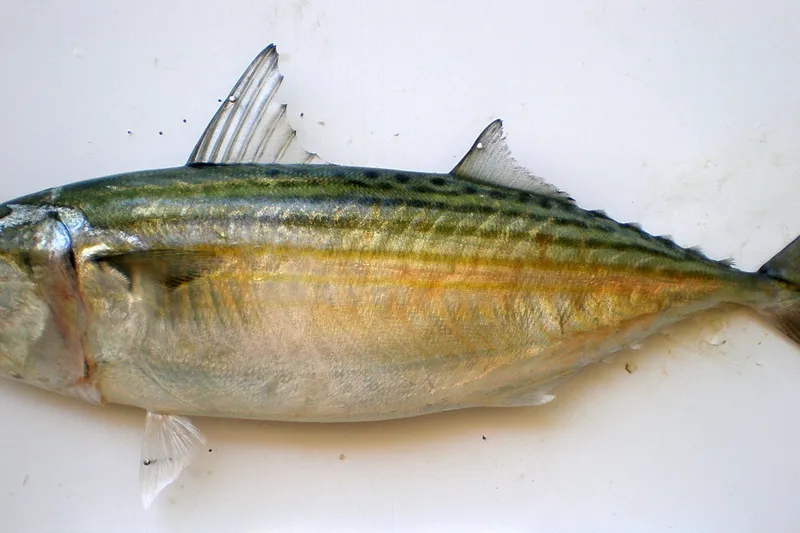
Indian Mackerel (Bangra)
A small, schooling mackerel of warm coastal waters and a staple of South Asian kitchens. Pakistan's fleet commonly lands it, though regional stocks of Indian mackerel are reported as overfished.
Indian Threadfin (Rawas)
A large coastal threadfin with long, thread-like pectoral filaments. Its confirmed range starts at Pakistan; it feeds on prawns and crabs over muddy bottoms near estuaries such as the Indus delta.
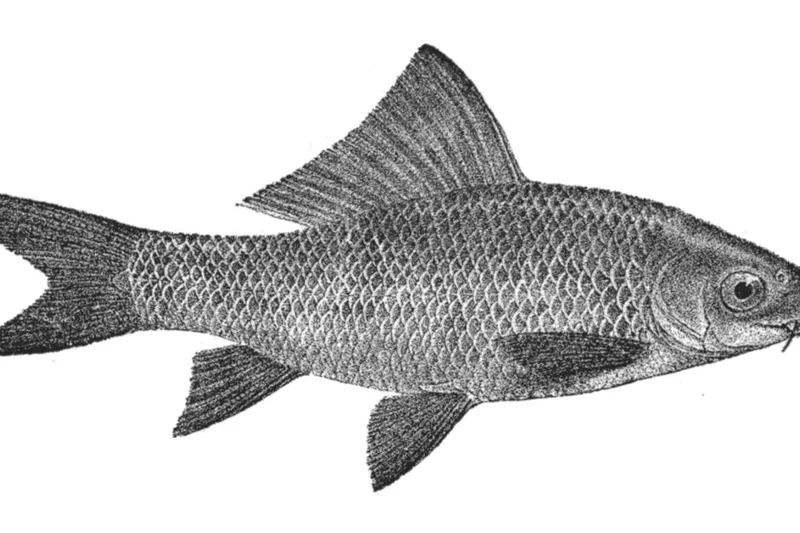
Kalbasu
A bottom-dwelling carp with a small, fleshy-lipped mouth, found in slow river waters and ponds. FishBase lists Pakistan in its range, and it is fished and farmed commercially.
Largehead Hairtail (Ribbonfish)
A long, flat, silver ribbon of a fish with sharp fang-like teeth and no tail fin. Pakistan is among the countries that report large landings of it, and a Pakistani specimen is photographed on Commons.
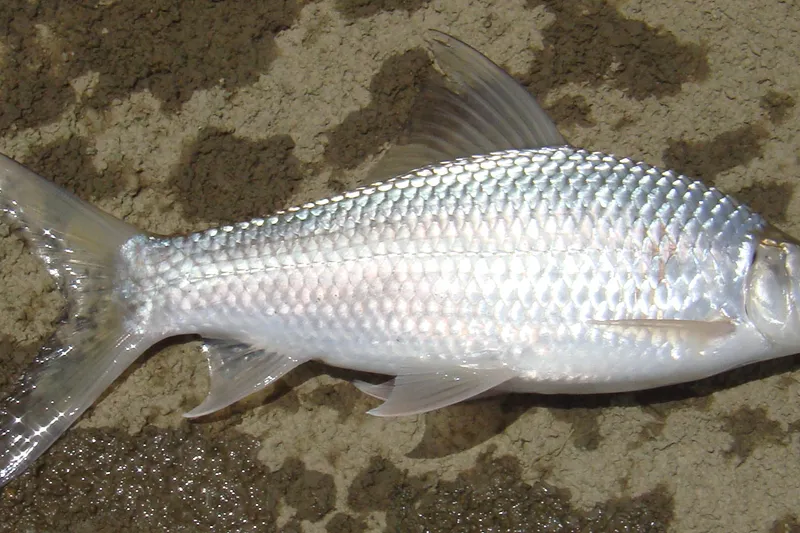
Mrigal
The third of the three big farmed carps, with a slim, silvery body and a bottom-feeding habit. Mrigal is a staple of Pakistan's carp ponds, though its natural range is uncertain.
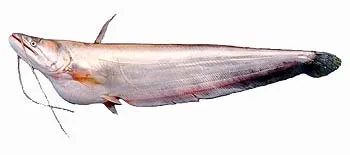
Mullee (Wallago)
A big, fish-eating catfish of large rivers and lakes, with a flat head and a long, silvery body. Mullee occurs in the Indus and other Pakistani rivers, and is listed as Vulnerable.
Narrow-barred Spanish Mackerel (Kingfish, Surmai)
A fast, streamlined predator that Pakistanis know as surmai or kingfish. It grows to over 2 m, is a highly valued catch across the Indian Ocean and is listed as Near Threatened.
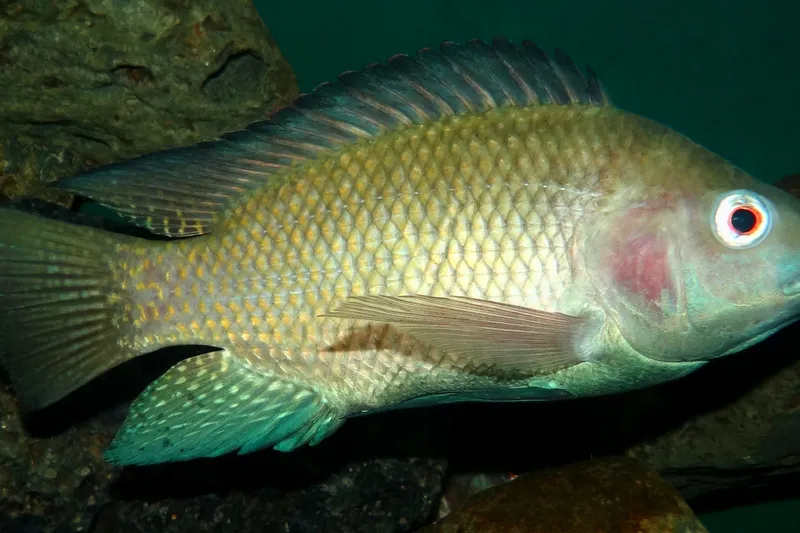
Nile Tilapia
A hardy African fish farmed worldwide and a newer addition to Pakistan's fish farms. It is highly invasive in places, though its effect in Pakistan has not been confirmed in the sources used.
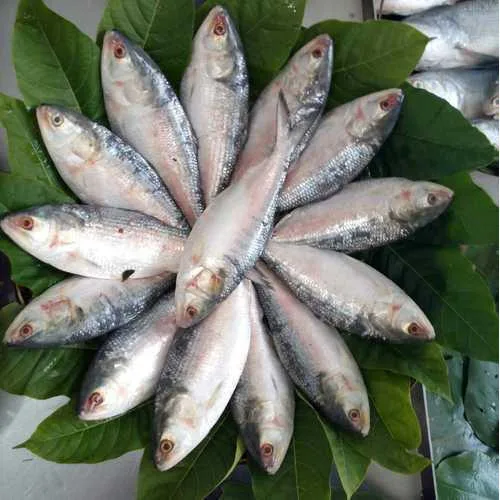
Palla (Hilsa)
Sindh's famous river fish, called palla or pallo. It lives at sea and swims up the Indus to spawn. Catches have fallen sharply, and barrages block the route upstream.
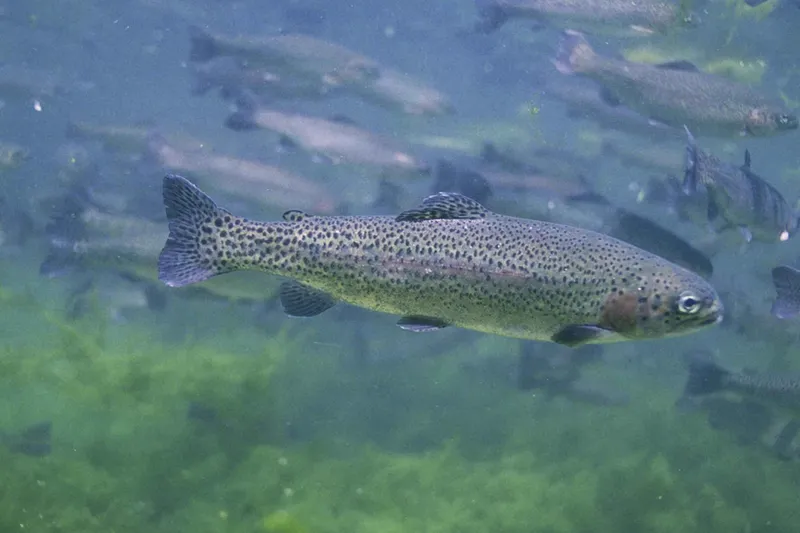
Rainbow Trout
A pink-striped trout from the Pacific coast of North America and Kamchatka, farmed in Pakistan's cold northern streams. It is the second trout in Gilgit-Baltistan after the brown trout.
Rohu
A large, deep-bodied carp of South Asian rivers and the most farmed fish in Pakistan's traditional carp ponds. Rohu is a common food fish, and Wikipedia also calls it a prized game fish.
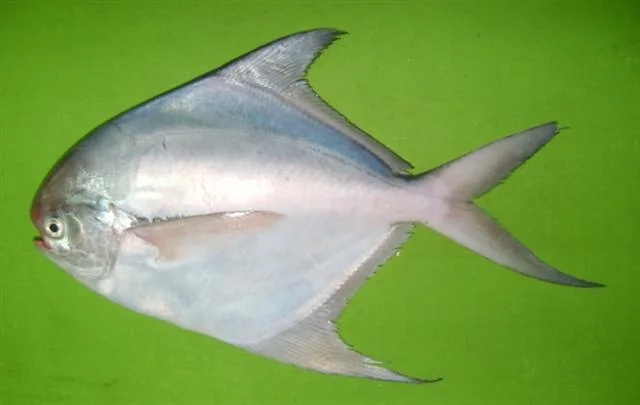
Silver Pomfret
A silvery, diamond-shaped butterfish prized across South Asia for its soft, buttery flesh. A specimen collected in Pakistani waters is photographed on Commons; larger fish are now scarce.
Singhara Catfish
A river catfish known as singhara, popular with anglers for its hard fight. It can reach 150 cm, though 40 cm is more usual.
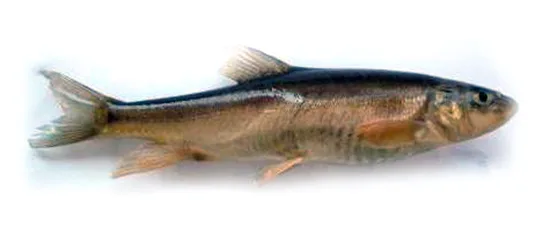
Snow Trout
Snow trout are native fish of cold, fast mountain rivers in the Himalaya and Karakoram. They are not true trout but carp relatives. Several species occur in Pakistan, and the Indus-basin species S. plagiostomus is Vulnerable.
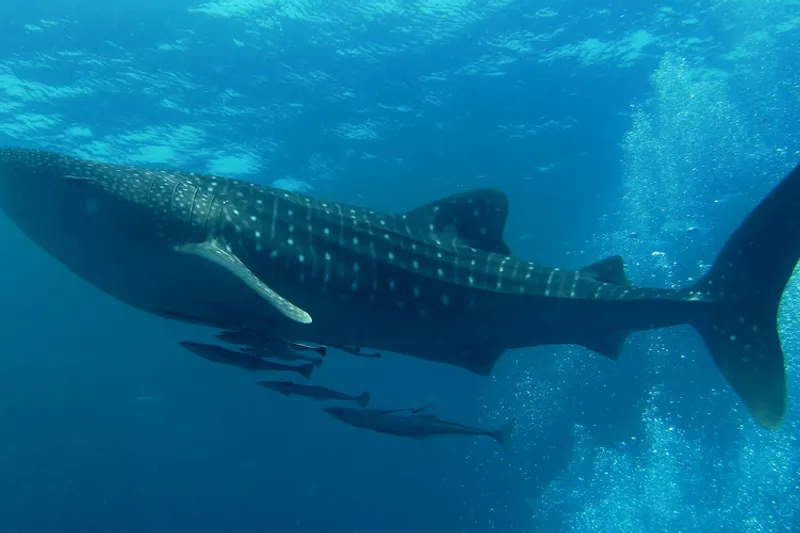
Whale Shark
The world's largest fish, a gentle plankton-feeder. Pakistan's records are of rare, large individuals off Karachi, including a 40-foot female found floating in February 2012; the IUCN lists the species as Endangered.
Yellowfin Tuna
A fast, bright-finned tuna of tropical open water. Karachi Fish Harbour lists it among the most demanded tunas, and Pakistan's tuna catch is gillnetted by small boats and exported frozen.


Sources and last checked
Last checked Confidence medium7 sources7 still to check
- Last checked
- Method
- Desk research from published sources
- Confidence
- medium
- Checked by
- trek.pk research team
Researched from published sources; not yet checked on the ground by our team. Spot something out of date? Report a mistake.
Sources
- Golden mahseer · Wikipedia · checked
- Fishing industry in Pakistan · Wikipedia · checked
- Pakistan seafood exports rise 22% in last six months on strong Gulf, Asia demand · Arab News Pakistan · checked
- Pakistan's prized trout under threat as climate change, overfishing take toll · Dawn (Anadolu Agency), 10 June 2026 · checked
- Fisheries · Agriculture, Livestock & Dairy Development Dept, Gilgit-Baltistan · checked
- Trout fish recovery after disastrous flood damage in KP need years · Pakistan Observer (APP), 28 Sep 2022 · checked
- Thatta pallo fish faces threat of extinction (and related Dawn reports) · Dawn · checked
Still to be checked on the ground (7)
- Palla: historical and current share of the Indus catch (Dawn reports from 2009-2012 to be opened and checked against fisheries data)
- Karachi Fish Harbour opening year differs between sources (1958 or 1959)
- Coastline length differs between sources (1,050 or 1,120 km)
- Mahseer national-fish status is a Wikipedia-cited government source; Pakistan range not sourced
- Mangrove role as fish nursery stated generally; no Pakistan figure sourced
- Visitor access and hours at fish harbours not sourced; check locally
- No photos added yet


