

Photo: Ikshan Ganpathi, with thanks · CC BY-SA 4.0 · via Wikimedia Commons · temporary stand-in photo
Birds of Pakistan
Pakistan's national bird the chukar, colourful Himalayan pheasants, eagles and vultures, and millions of winter waterbirds on the Indus Flyway: key species, wetlands and birdwatching tips.
Key facts
- The chukar is Pakistan's national bird
- Himalayan monal and western tragopan live in the northern forests
- The Indus Flyway is a major migration route
- 19 Ramsar wetlands, including the Indus Delta
- More than 430 species recorded around the Margalla Hills
Overview
Pakistan is a rewarding country for birdwatchers. Published lists put the national total anywhere from about 670 to nearly 800 species, depending on the checklist and how it counts rarities. The reason is geography: Himalayan forests, high meadows, desert, farmland, lakes, river plains and a long sea coast all sit in one country, and the Indus valley is a major route for migrating birds.
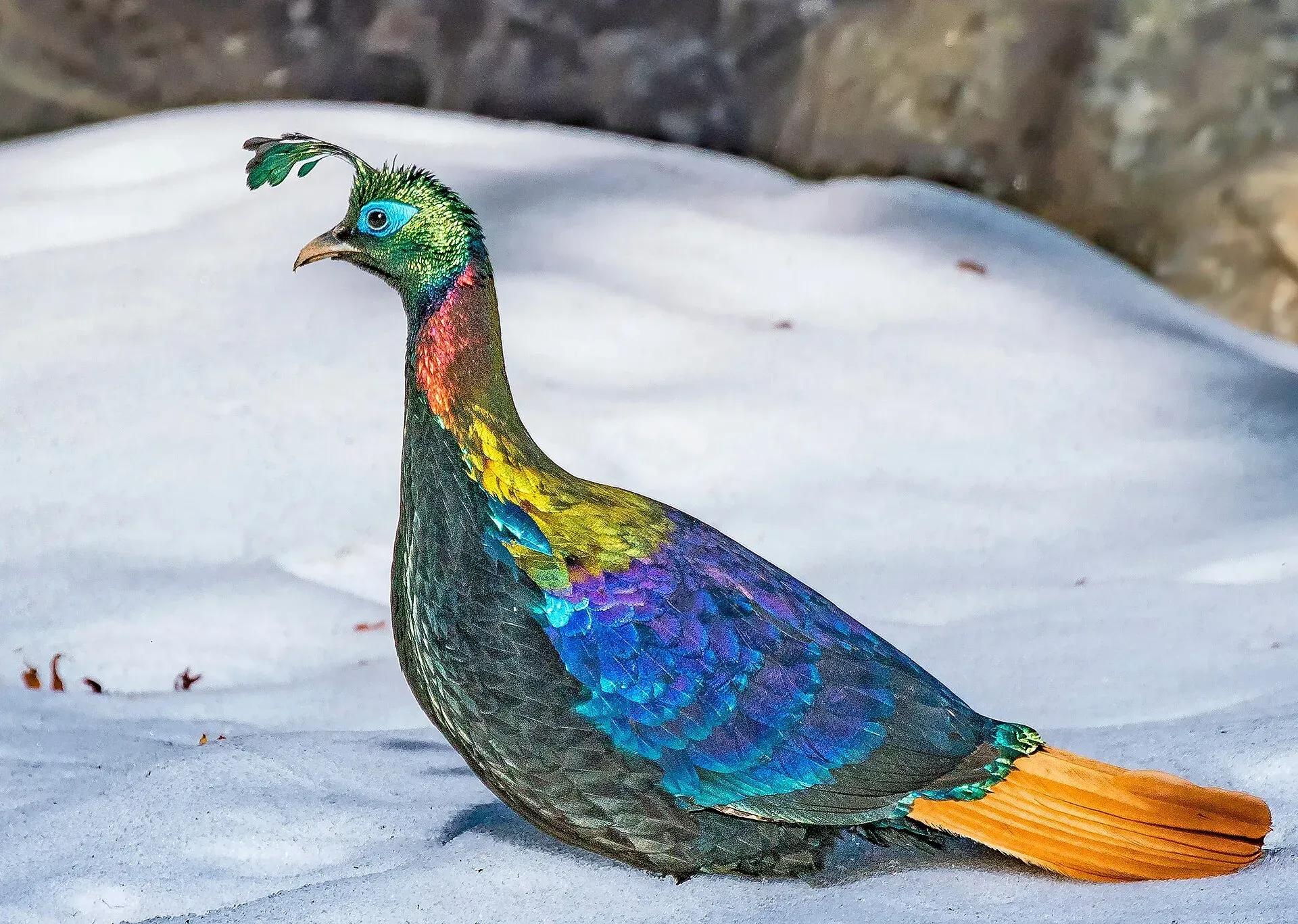
Photo: AJIT HOTA, with thanks · CC BY-SA 4.0 · via Wikimedia Commons · temporary stand-in photo
Resident birds of the mountains
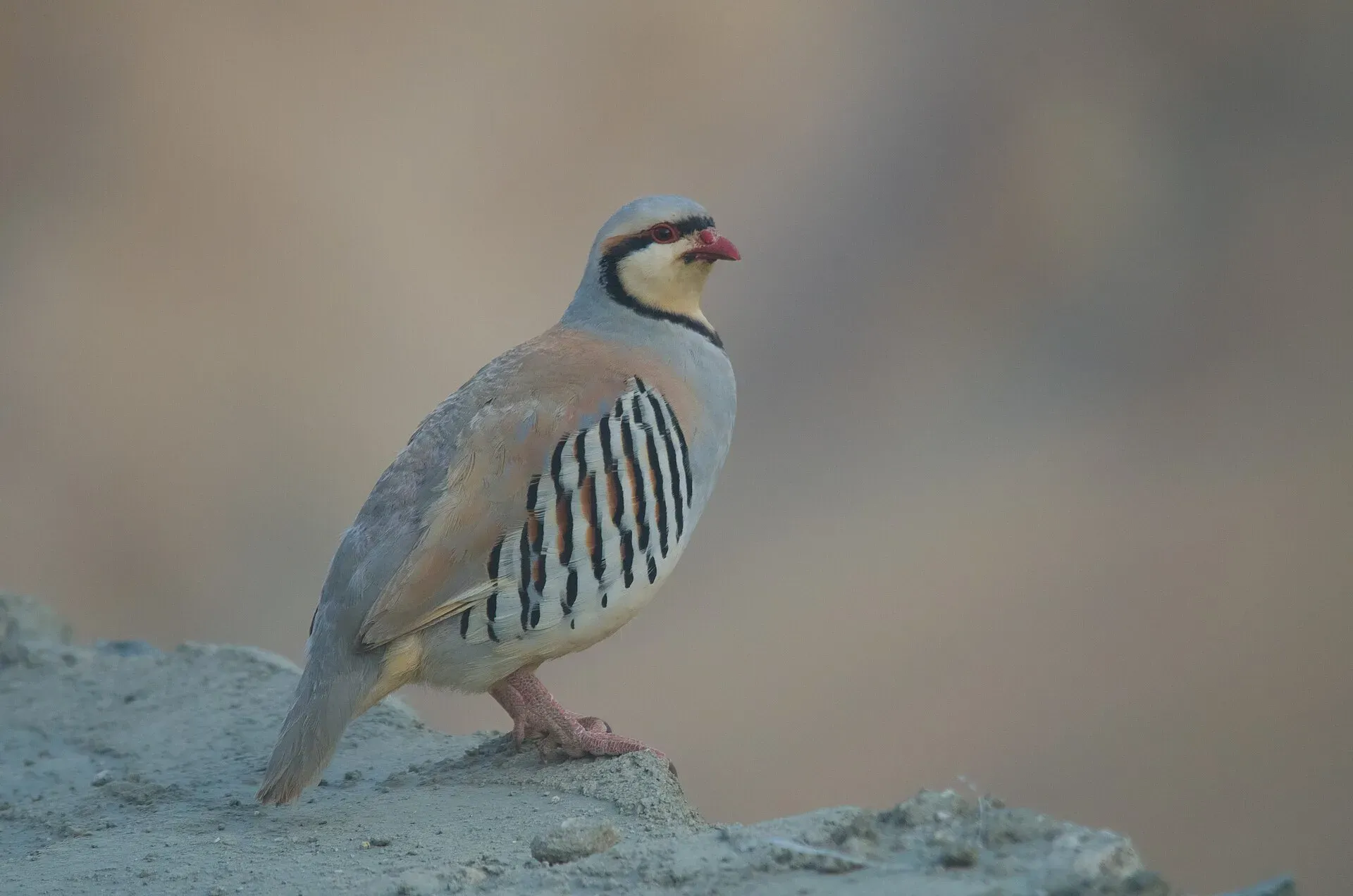
Chukar partridge. The chukar (Alectoris chukar) is Pakistan's national bird. It is a plump partridge about 32 to 35 cm long, with a white face edged by a black band, a grey breast, rusty-streaked flanks and a bright coral bill and legs. It likes rocky, open hillsides with grass and scrub. Its loud chuck-chuck-chukar call gives it its name and is one of the sounds of the hills. It is listed as Least Concern.
Himalayan monal. The male Himalayan monal (Lophophorus impejanus) has a long metallic green crest, coppery back and white rump. It lives in oak and conifer forest and open meadows between about 2,400 and 4,500 m and comes down to roughly 2,000 m in winter. In Pakistan it has been recorded in Khyber Pakhtunkhwa, Kaghan, the Palas valley and Azad Kashmir, and it is present in Central Karakoram National Park. It is listed as Least Concern.
Western tragopan. The western tragopan (Tragopan melanocephalus) is a shy forest pheasant listed as Vulnerable, with a world population estimated at under 5,000. In Pakistan it is known from Kohistan and the Kaghan valley, at about 1,750 to 3,600 m. It stays in dense forest undergrowth, so most visitors never see one. Visit only with a local guide, and keep a respectful distance.
Birds of prey. Golden eagles, lammergeiers and Himalayan snowcocks are among the birds recorded on the Deosai Plains, where more than 124 resident and migratory species have been listed. Vultures are present in Central Karakoram National Park.
Margalla Hills. More than 430 bird species have been recorded in and around the Margalla Hills, making the trails above Islamabad one of the easiest places to start birdwatching.
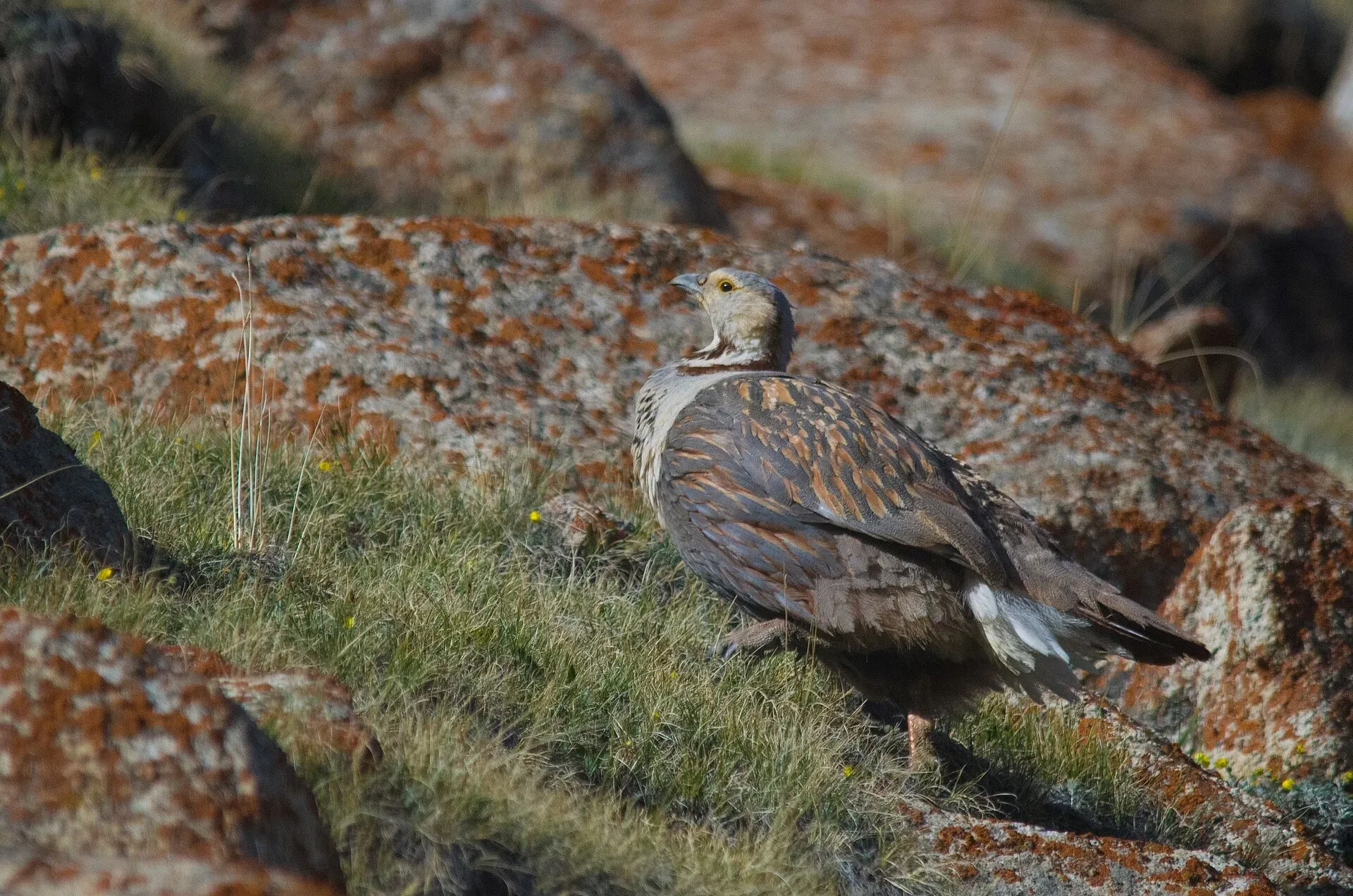
Photo: Ikshan Ganpathi, with thanks · CC BY-SA 4.0 · via Wikimedia Commons · temporary stand-in photo
The Indus Flyway
Every autumn and spring, huge numbers of waterbirds travel between Central and northern Asia and wintering places in South Asia. Many follow the Indus valley, a route often called the Indus Flyway. It forms part of the larger Central Asian Flyway, which covers at least 279 populations of 182 migratory waterbird species across 30 countries.
Pakistan's wetlands are important stopovers. The Central Asian Flyway article names Mangla Lake, Rawal Lake, the Naltar wetland complex and the Deosai plains in Pakistan. In Sindh, the Sindh Wildlife Department counted 545,258 migratory waterbirds across 30 major wetlands in the 2024-25 season (the surveys cover about 40 per cent of Sindh's wetland area, not the whole country), down 14.68 per cent from 639,122 the season before. The main sites included Keenjhar Lake, Haleji Lake, the Indus Delta, Jubho Lagoon, the Rann of Kutch Wildlife Sanctuary and Nareri Lagoon, where the biggest count was 155,068 birds. Species recorded include common teal, northern shoveler, Indian spot-billed duck, cotton pygmy goose, lesser flamingo and the great white pelican. The department puts the drop down to shrinking wetlands, water shortage, low rain and climate change.
Pakistan has 19 Ramsar wetlands of international importance, covering about 1.34 million hectares (Wikipedia, as of 2013; Arab News also reported 19 in April 2025). Among them are the Indus Delta, Haleji Lake, Chashma Barrage, Taunsa Barrage and Astola Island.
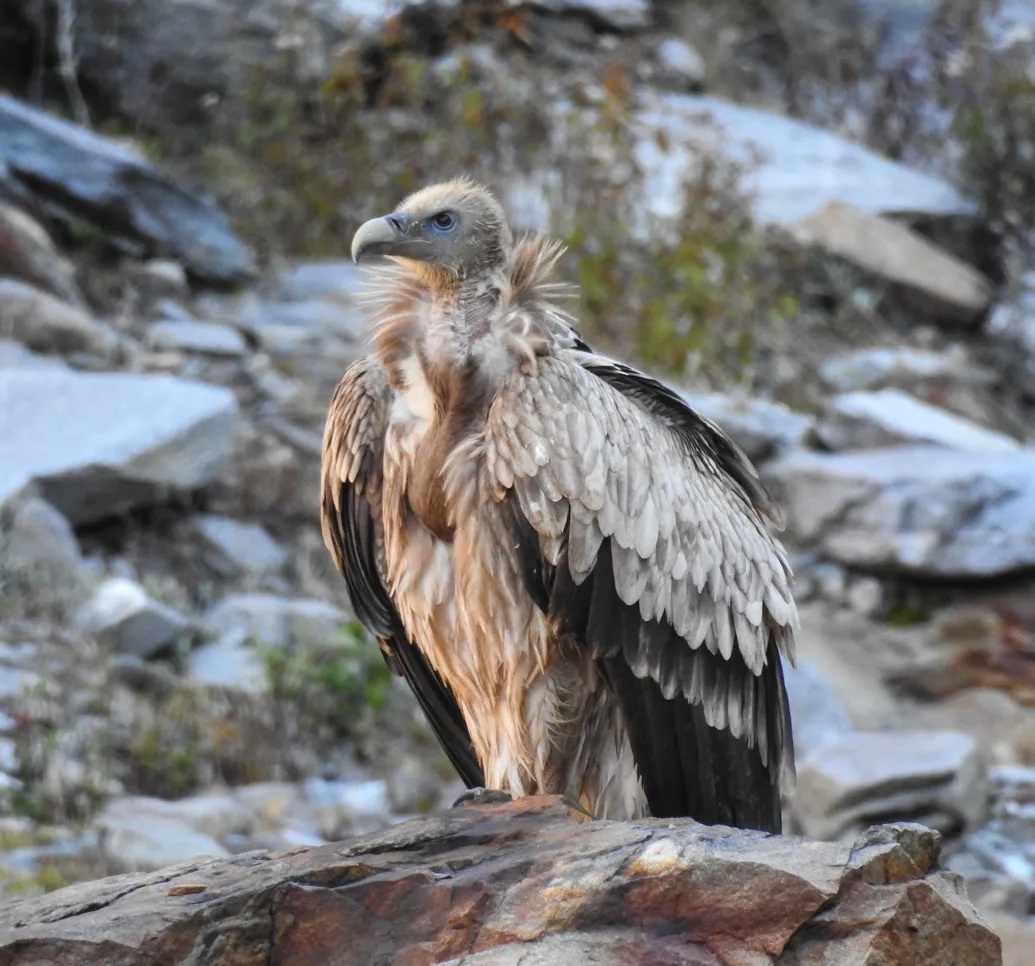
Photo: Sahana M, with thanks · CC BY-SA 4.0 · via Wikimedia Commons · temporary stand-in photo
Where and when to look
- Islamabad and the Margalla Hills: forest birds all year; go early morning.
- Kaghan, Palas and Kohistan forests: pheasants, with experienced local guides.
- Deosai Plains: birds of prey and mountain species in summer, when the park is accessible.
- Sindh wetlands (Keenjhar, Haleji, Indus Delta): migratory waterbirds in the cooler months; ask the Sindh Wildlife Department about timing.
Dates vary each year with weather and water levels, so check with the local wildlife department before travelling.
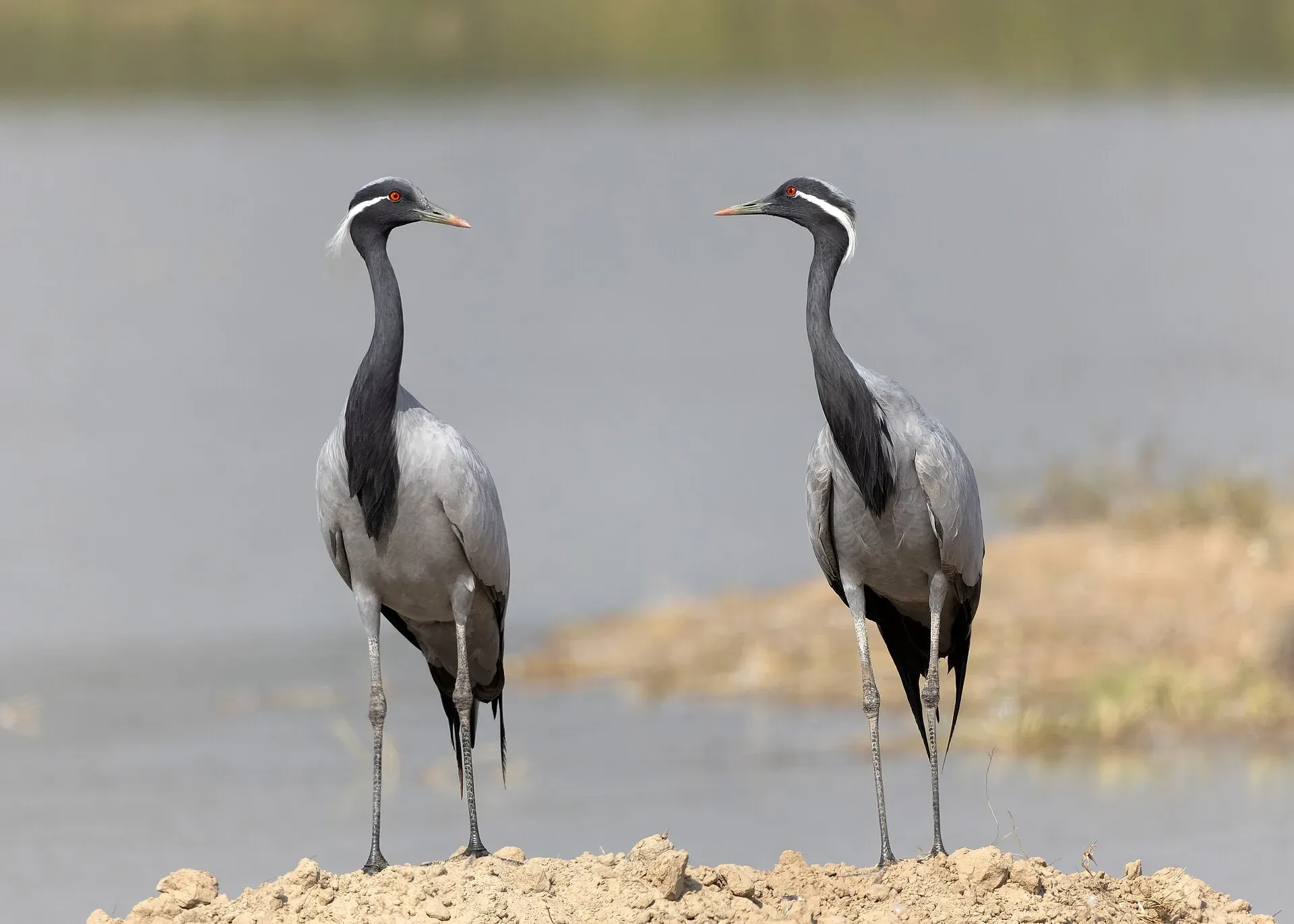
Photo: Tisha Mukherjee, with thanks · CC BY-SA 4.0 · via Wikimedia Commons · temporary stand-in photo
A starter checklist
Birdwatchers can look for these reliable and recognisable species: chukar, Himalayan monal, golden eagle, lammergeier, Himalayan snowcock, common teal, northern shoveler, lesser flamingo, great white pelican and cotton pygmy goose. The bird pages listed on this page have photos and notes on where to see many of them.
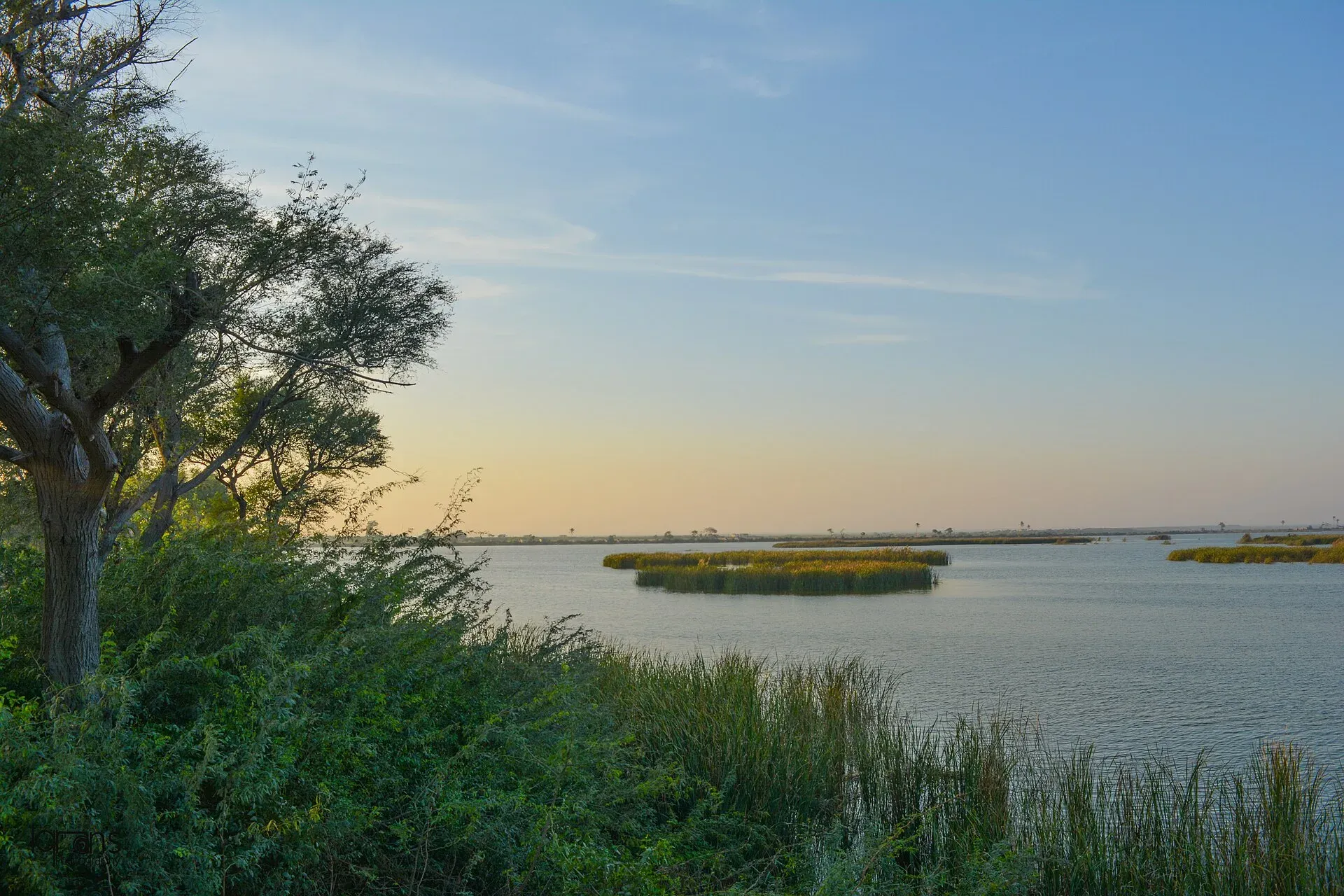
Photo: Iqran Rasheed, with thanks · CC BY-SA 4.0 · via Wikimedia Commons · temporary stand-in photo
Birdwatching tips and ethics
- Use binoculars and keep your distance. Never use calls or recordings to attract rare birds, and do not use flash.
- Keep away from nests and breeding areas, especially for forest pheasants.
- Avoid drones near flocks.
- Stay on paths, take your rubbish home, and keep dogs out of wetlands.
- Hire local guides. Their income gives communities a reason to protect birds.
- Never buy captive or taken wild birds.
For tour options, ask the park office or wildlife department for licensed local guides.
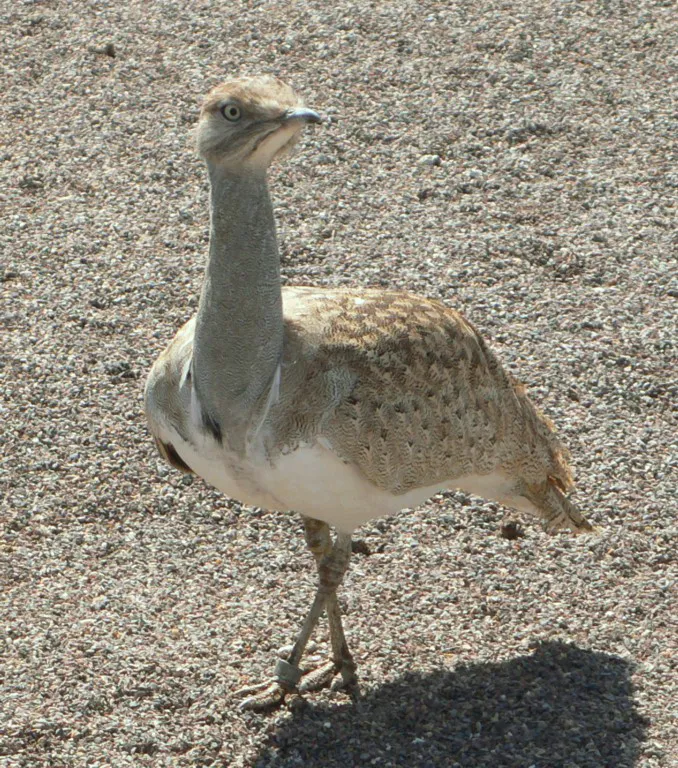
Photo: Jimfbleak, with thanks · CC BY-SA 3.0 · via Wikimedia Commons · temporary stand-in photo
Find a bird
50 birds
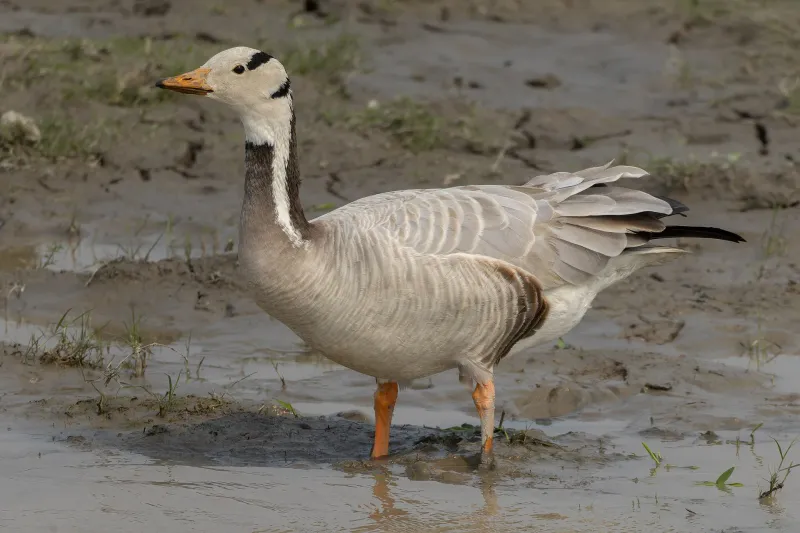
Bar-headed Goose
A pale grey goose with two black bars on its white head, famous for crossing the Himalaya. In Pakistan it is a winter visitor, mostly to Indus barrages and big lakes.
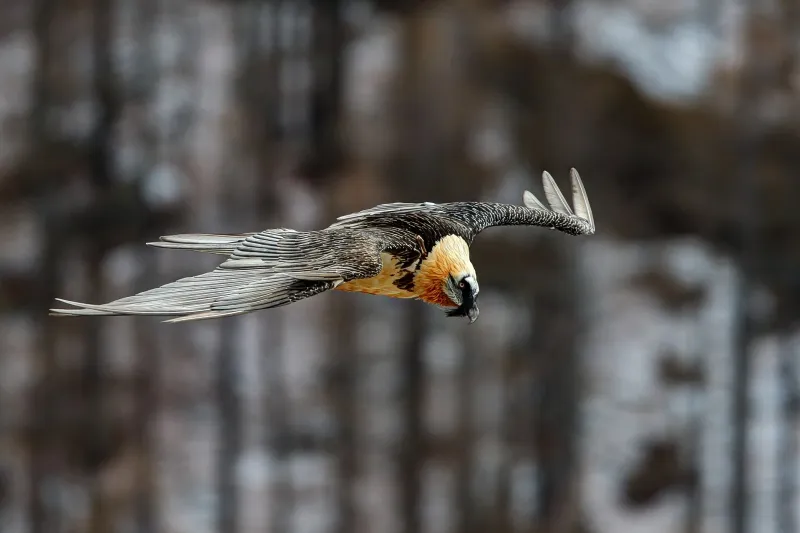
Bearded Vulture
Also called the lammergeier, this huge cliff-dwelling raptor eats bones. It is a rare sight over high valleys in the Karakoram, Hindu Kush and western Himalaya.
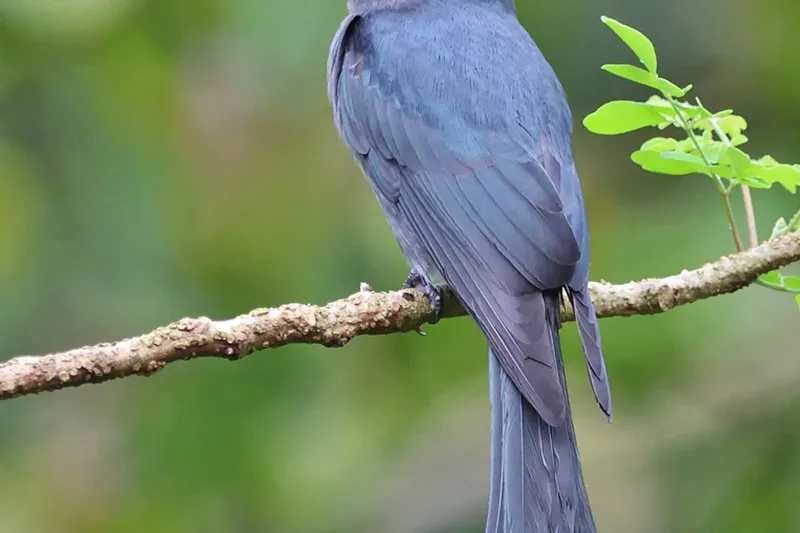
Black Drongo
A glossy black bird with a forked tail that perches on wires and fence posts in open farmland. It is fearless towards crows and birds of prey and common across Pakistan.
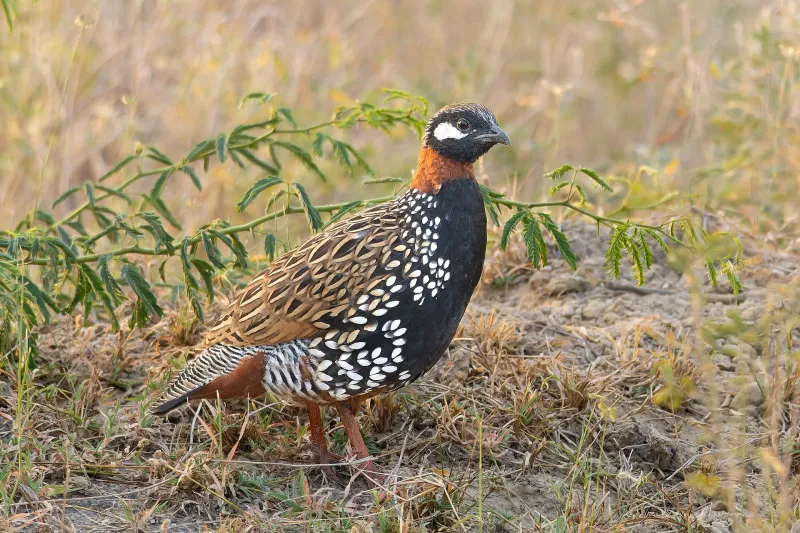
Black Francolin
A striking game bird of tall grass and scrub near water. The male is black with white cheek patches and a chestnut collar, and calls loudly at dawn and dusk.
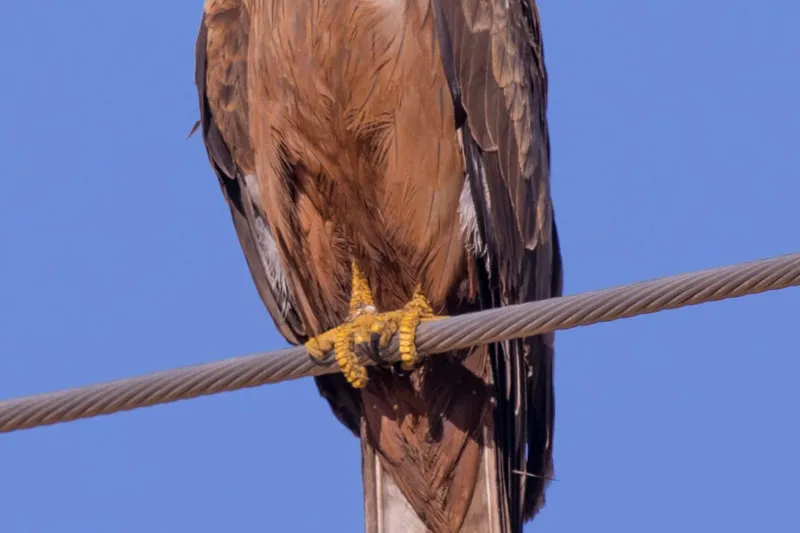
Black Kite
The black kite is Pakistan's most familiar bird of prey. It circles over towns, rubbish tips and rivers all year, with a shallow forked tail and a shrill, whinnying call.
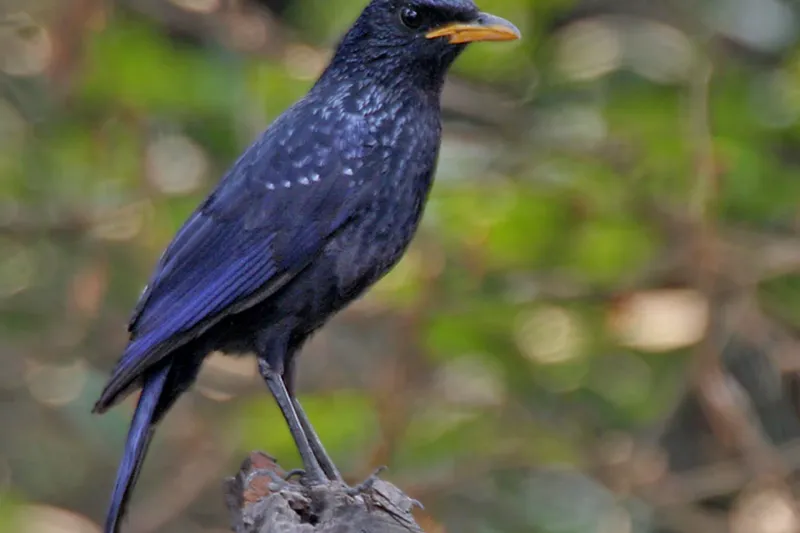
Blue Whistling Thrush
A large, dark blue thrush of rocky mountain streams, known for its loud, human-like whistle at dawn and dusk. In Pakistan it lives in the hill and mountain forests of the north.
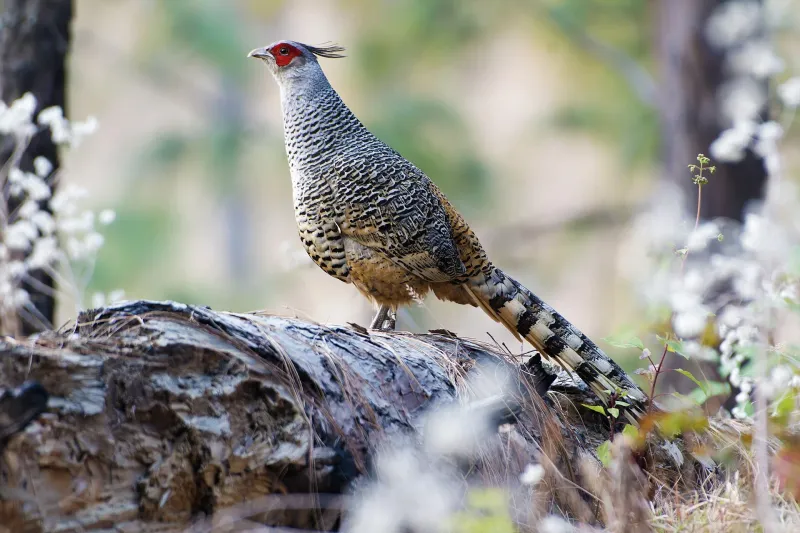
Cheer Pheasant
A plain grey-buff pheasant with a long crest and long tail, found on steep Himalayan slopes. In Pakistan it is known from the Hazara hills of Khyber Pakhtunkhwa.
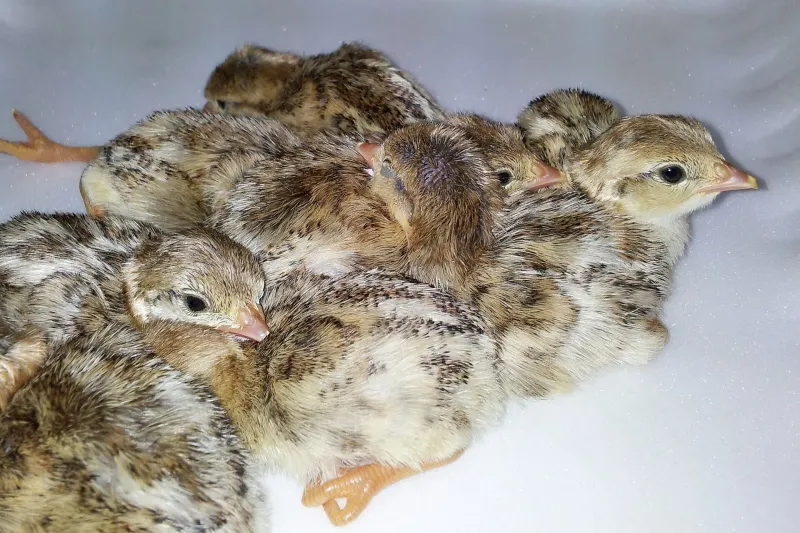
Chukar Partridge
Pakistan's national bird: a plump, red-legged partridge of rocky hillsides, easily told by its white face, black necklace and loud chuck-chuck-chukar call.
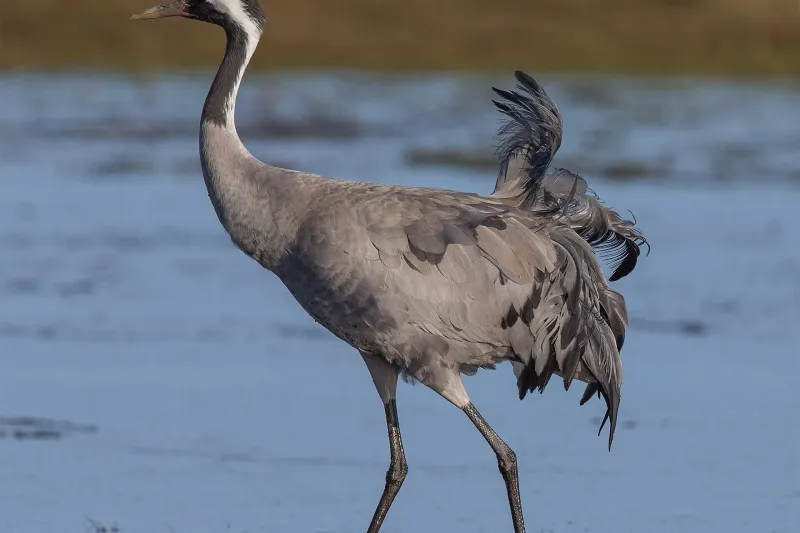
Common Crane
A tall grey crane with a red crown and a white stripe down the neck. It winters in northern South Asia, with small numbers passing through Balochistan.
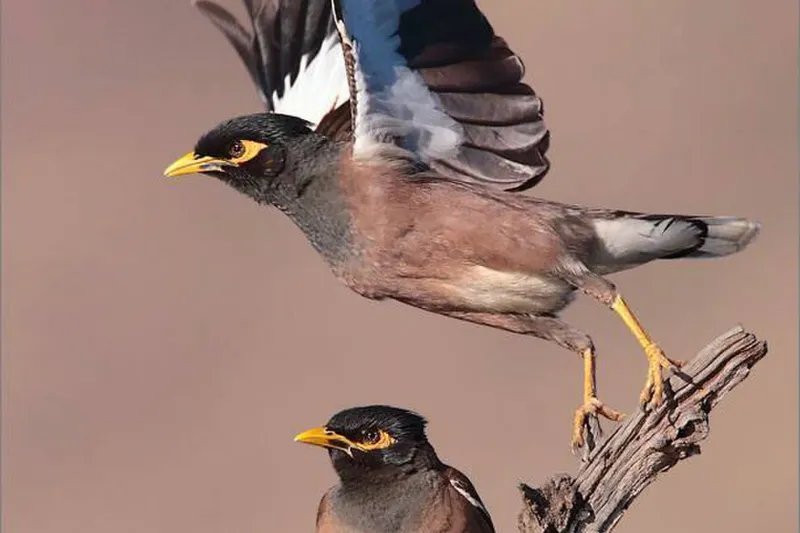
Common Myna
A bold brown starling with a yellow bill, yellow eye patch and white wing flashes. It is one of the most familiar birds in Pakistan's towns, fields and gardens.
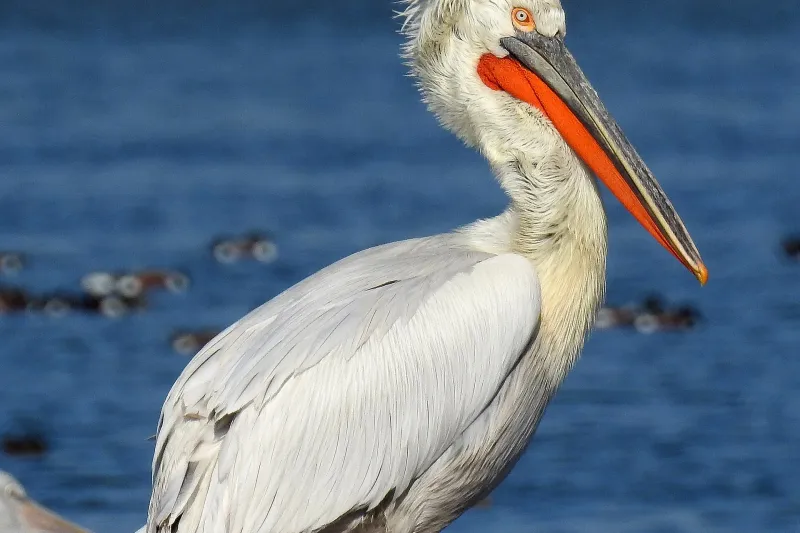
Dalmatian Pelican
The world's largest pelican, with a shaggy crest and grey legs. It is a Near Threatened winter visitor to wetlands on the Indus plain.
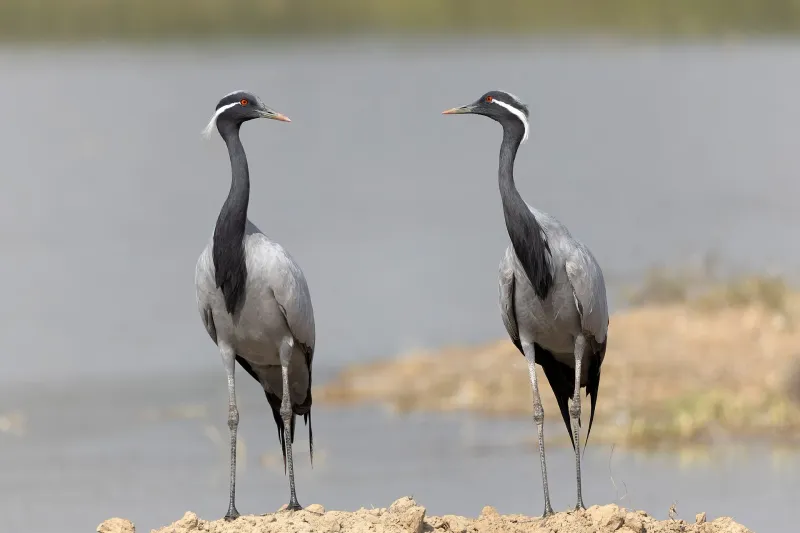
Demoiselle Crane
The smallest crane, grey with black neck plumes and white ear tufts. Huge flocks pass through Balochistan on the Indus Flyway each autumn and spring, but hunting is a serious problem.
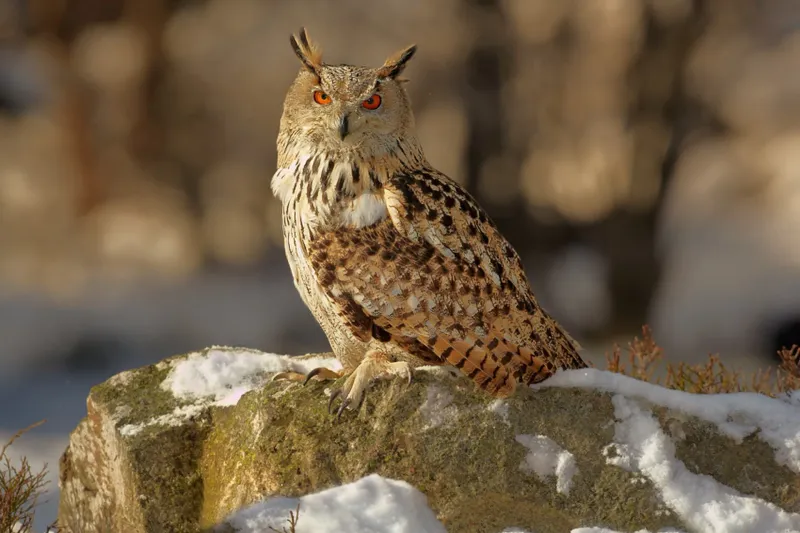
Eurasian Eagle-Owl
One of the largest owls in the world, with orange eyes and long ear tufts. In Pakistan the pale Himalayan form lives in rocky mountains, and it is rarely seen.
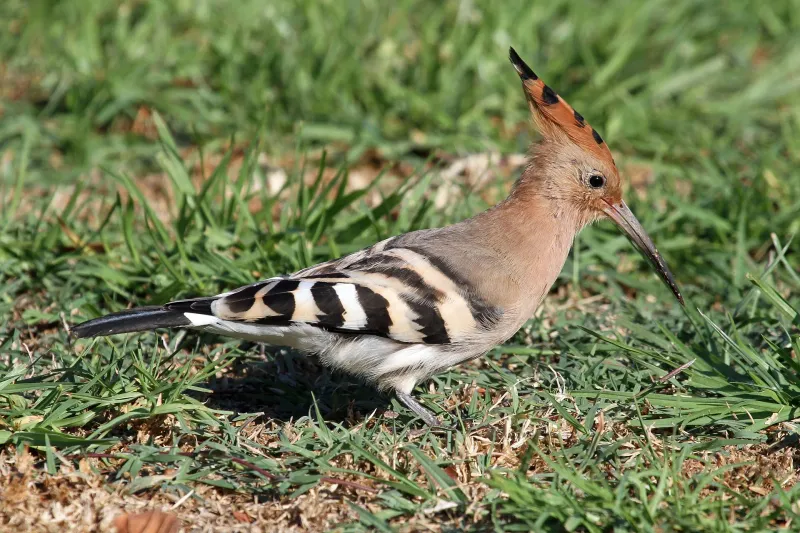
Eurasian Hoopoe
A cinnamon bird with a tall crest, black-and-white wings and a long curved bill. It is known in Urdu as hudhud and appears across Pakistan, with seasons that vary by region.
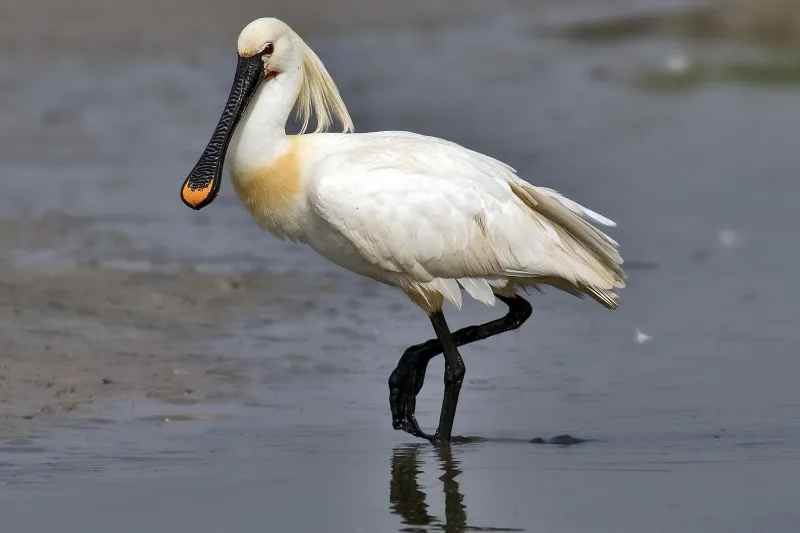
Eurasian Spoonbill
A white wading bird with a long, flat, spoon-tipped black bill. Some breed in southern Pakistan, and others winter on the Indus plains and coast.
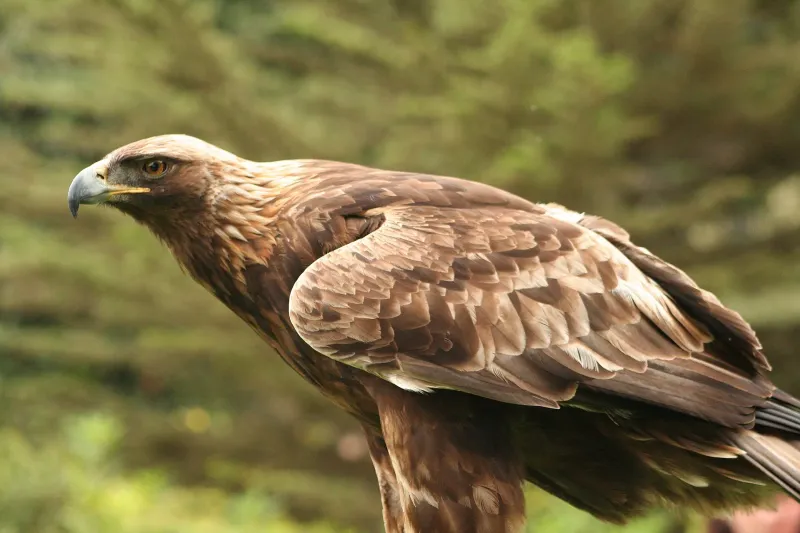
Golden Eagle
A powerful, dark eagle with a golden nape that soars over high valleys, meadows and passes in northern Pakistan, including Deosai, Khunjerab and Qurumber.
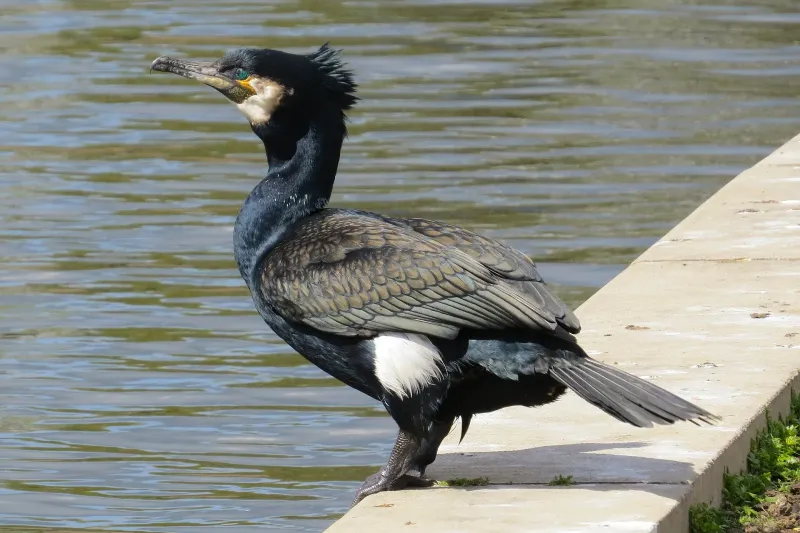
Great Cormorant
A big, black, hook-billed diving bird that perches with wings held out to dry. In Pakistan it is seen on lakes, reservoirs, rivers and the coast, mainly in winter.
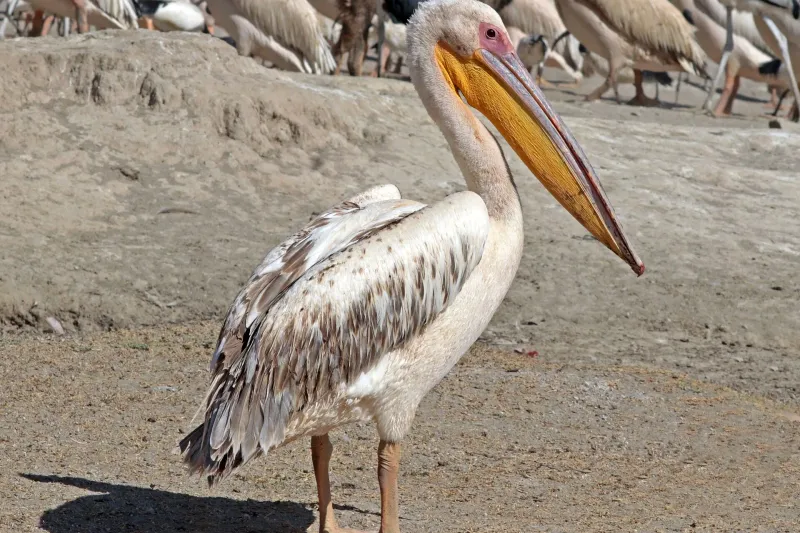
Great White Pelican
A large, pinkish-white pelican that fishes in teams. Many winter on lakes and wetlands in Sindh and other parts of Pakistan.
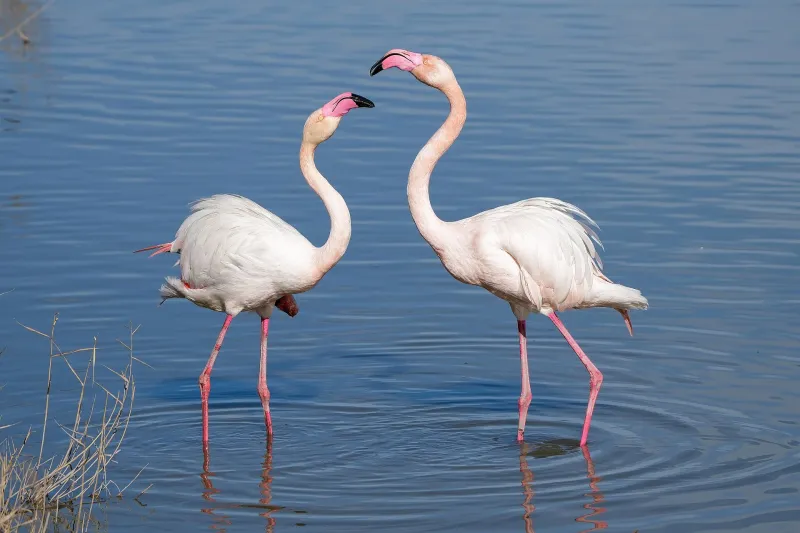
Greater Flamingo
A tall, pale-pink flamingo with a pink bill that has a black tip. In Pakistan it is seen on coastal flats and lagoons, mainly in the cooler months.
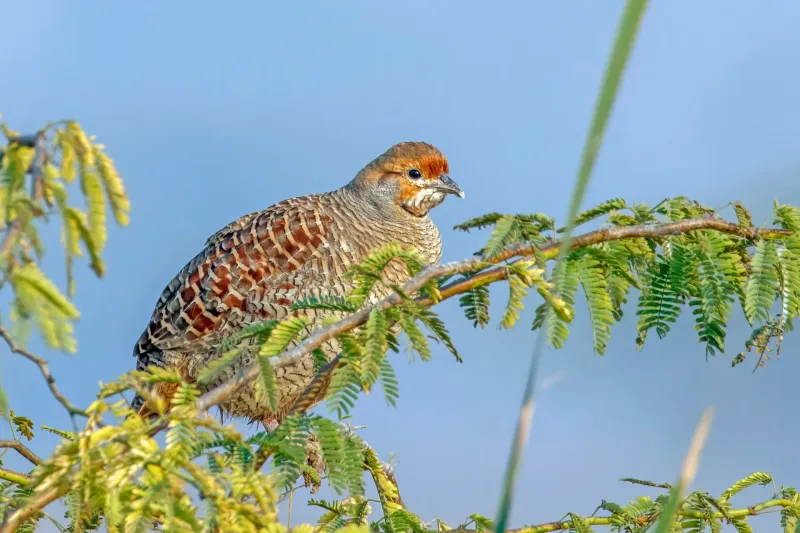
Grey Francolin
A common, ground-living partridge of dry plains and farmland. Its local name, teetar, imitates the loud ka-tee-tar call you hear at dawn.
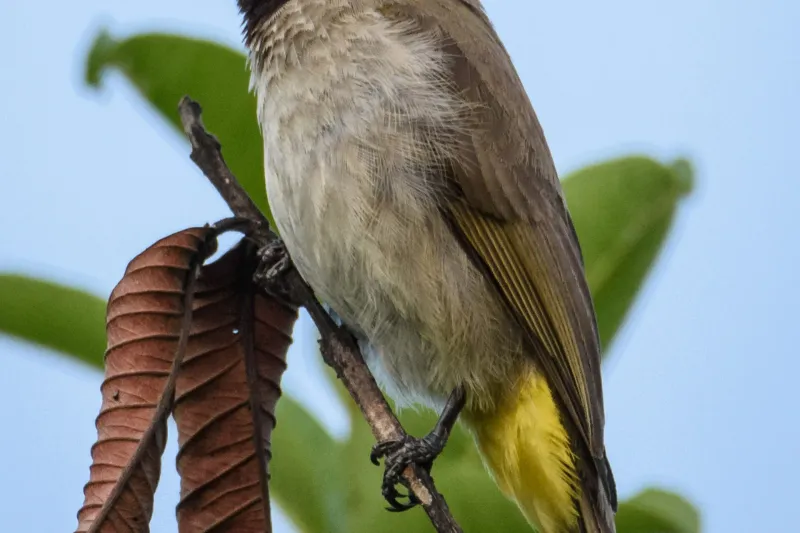
Himalayan Bulbul
A crested bulbul with a black head, white cheeks and a yellow patch under the tail. It is a resident of Pakistan's foothills, gardens and wooded valleys.
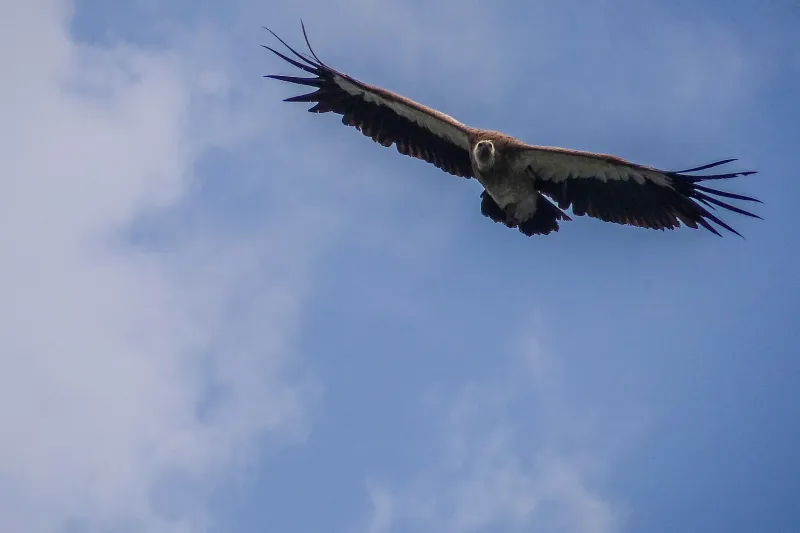
Himalayan Griffon
A huge pale vulture that glides over high mountain valleys. Chitral surveys found it nesting in cliffs, but food shortage and veterinary drugs threaten vultures.
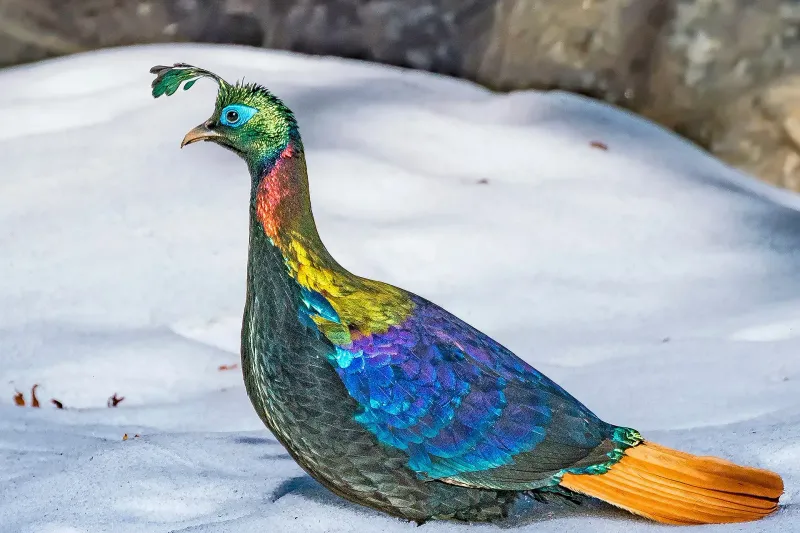
Himalayan Monal
The male Himalayan monal glows with a metallic green crest and a copper back. It lives in oak and conifer forest and alpine meadows in the northern mountains.
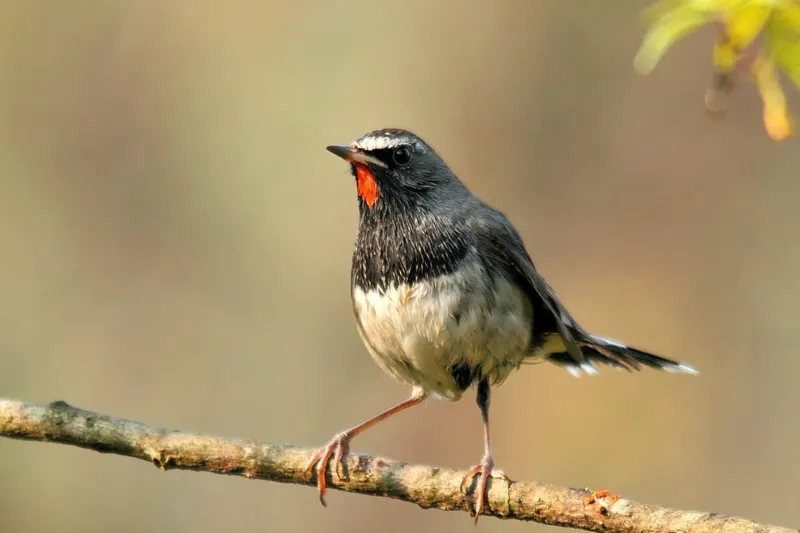
Himalayan Rubythroat
A shy, small songbird of high shrubby slopes. The male has a scarlet throat, black breast and white tail corners. In Pakistan it is a summer bird of the northern mountains.
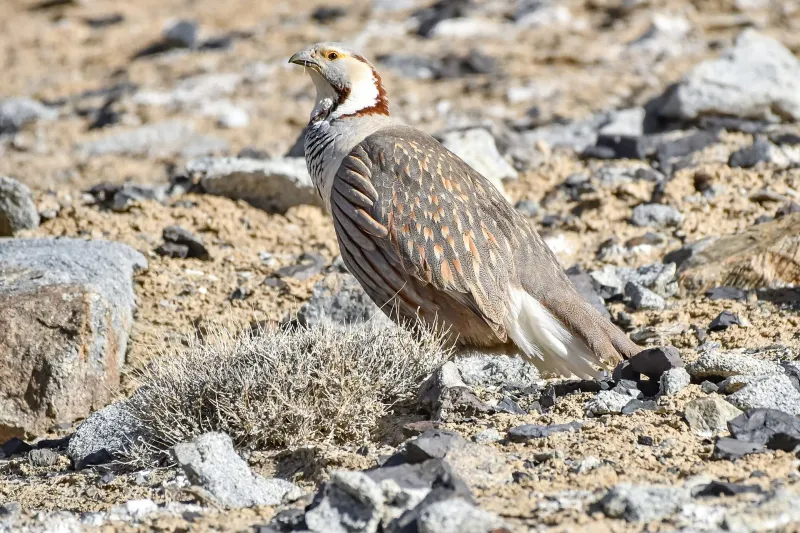
Himalayan Snowcock
A big grey mountain partridge that you may hear whistling from alpine slopes. It is one of the likeliest birds to see on treks in Gilgit-Baltistan and Chitral.
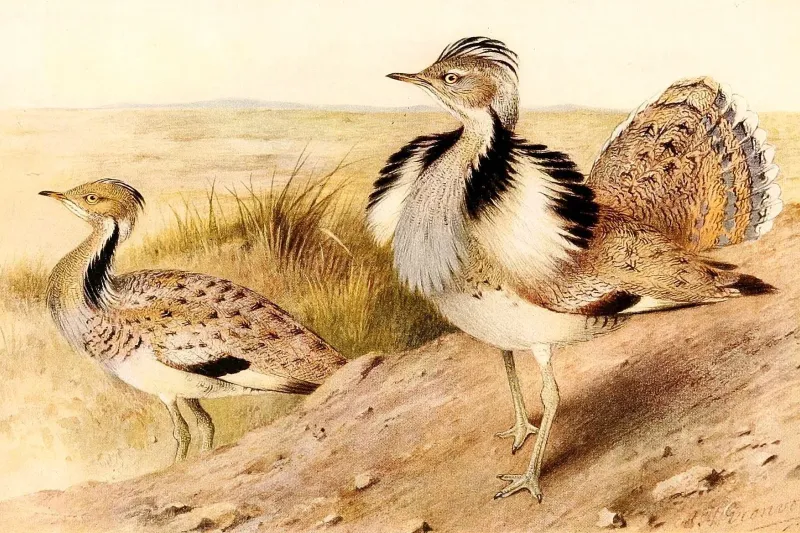
Houbara Bustard
The Asian houbara (MacQueen's bustard) is a pale desert bird that winters in Balochistan and other dry parts of Pakistan. It is Vulnerable, and hunting it is debated.
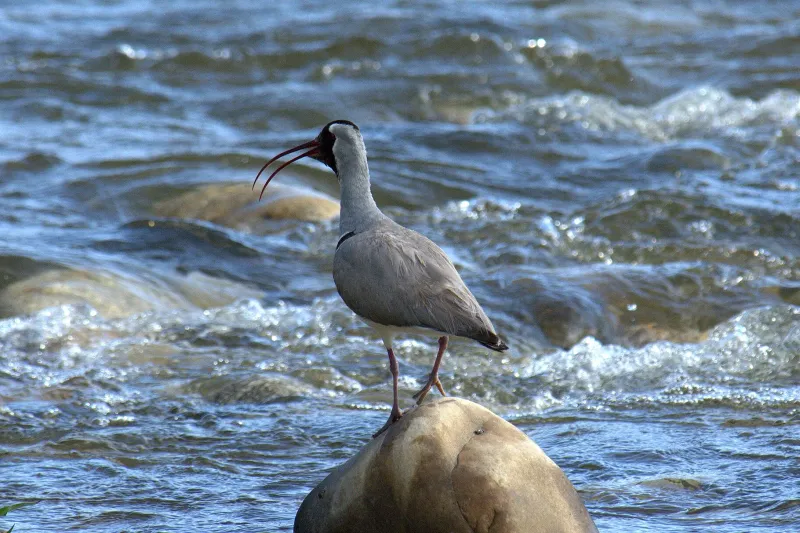
Ibisbill
A grey wader with a black face, a black breast band and a long, curved red bill, found on shingle-bed rivers of the Himalaya and neighbouring mountains.
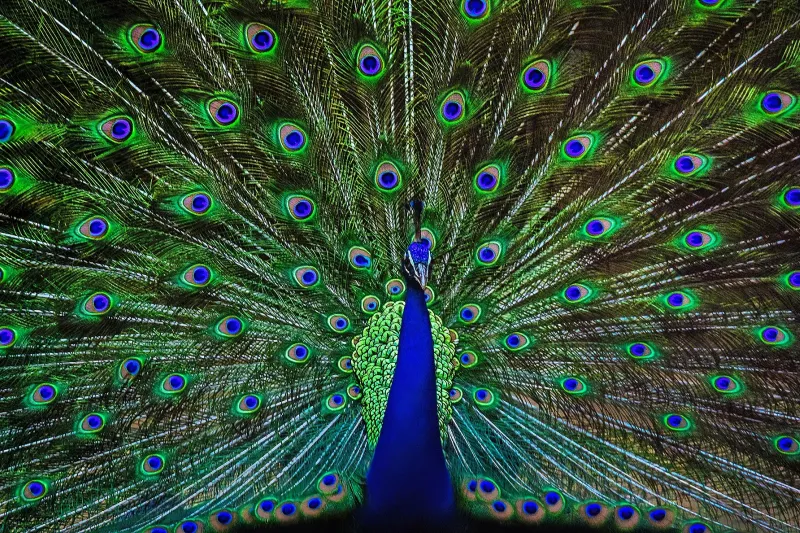
Indian Peafowl
The blue peacock is unmistakable. In Pakistan wild peafowl are most numerous in Tharparkar, Sindh, with a smaller group in north-east Punjab.
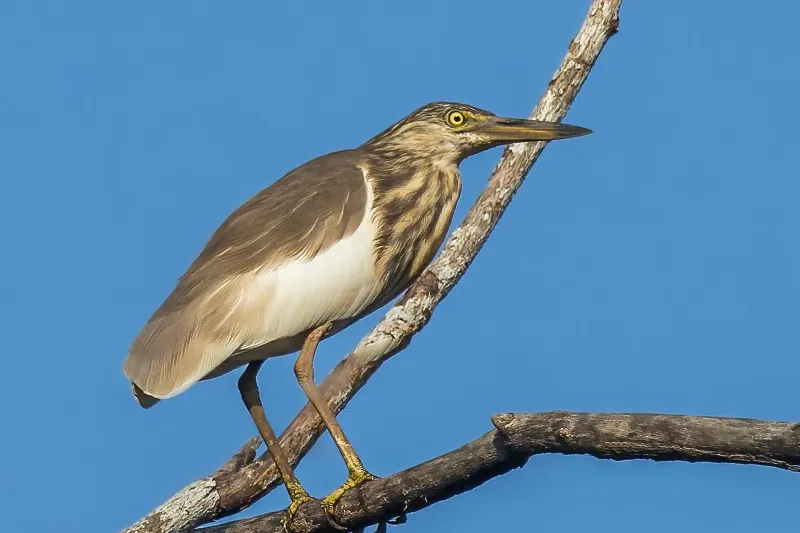
Indian Pond Heron
A small, stocky heron that looks dull brown while it stalks the edge of a pond, then flashes bright white wings in flight. It is common on Pakistan's wetlands, canals and paddies.
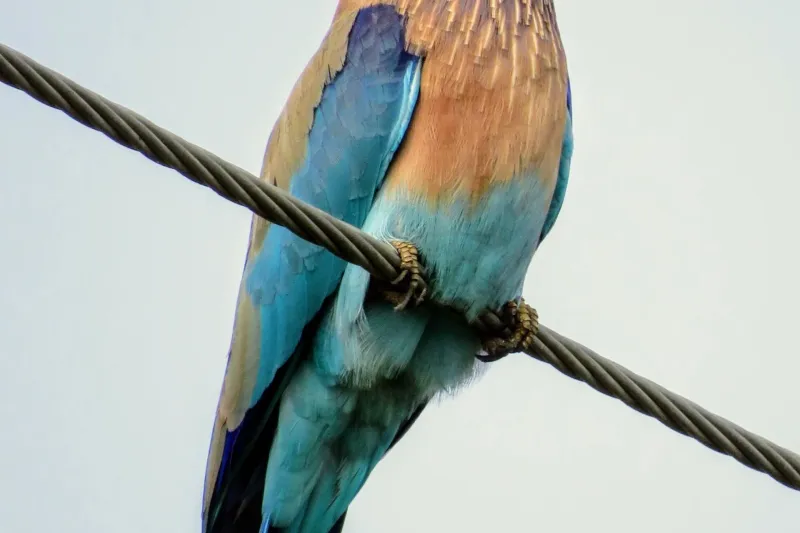
Indian Roller
A bulky bird with a pinkish-brown chest and flashing blue wings, often seen on wires and roadside trees. It has recently been moved to the Near Threatened category.
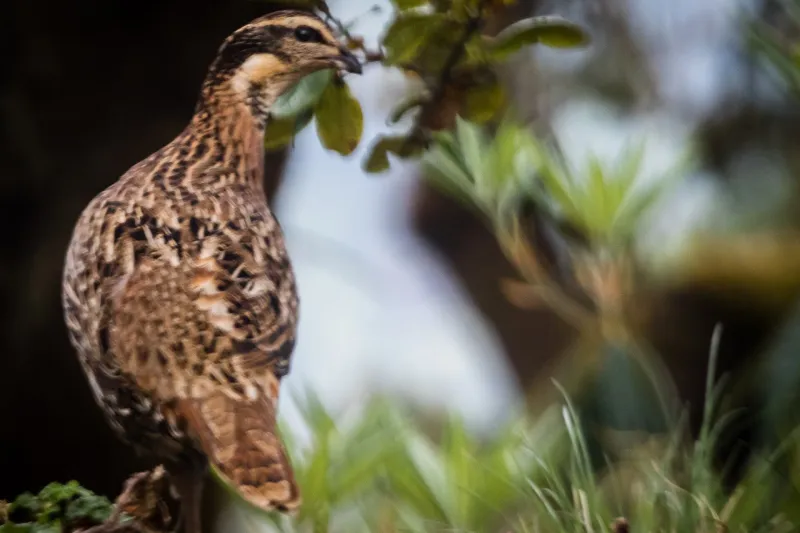
Koklass Pheasant
A secretive pheasant of high Himalayan forest, easier to hear than see: its loud pre-dawn chorus gives the bird its name. Recorded in the Kaghan valley.
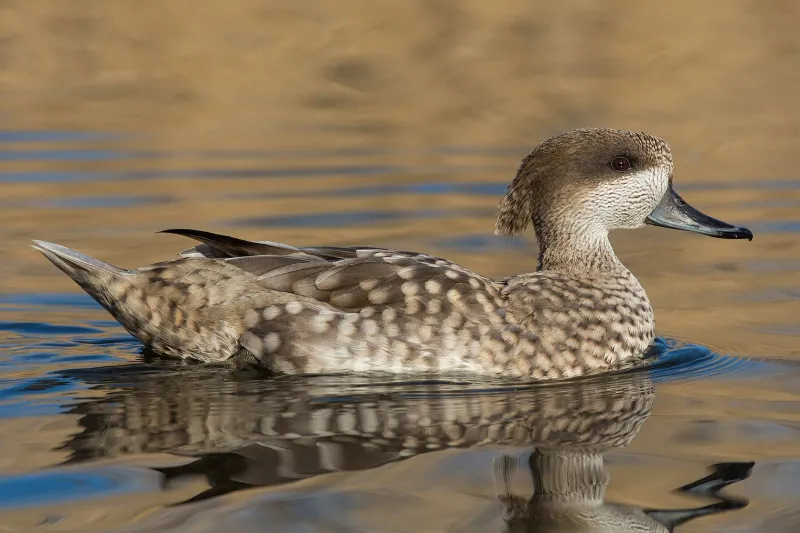
Marbled Teal
A pale, sandy-brown duck with a dark eye patch and a shaggy head. In Pakistan it is a rare breeder and wanderer, with Sindh's lakes the best-known breeding area.
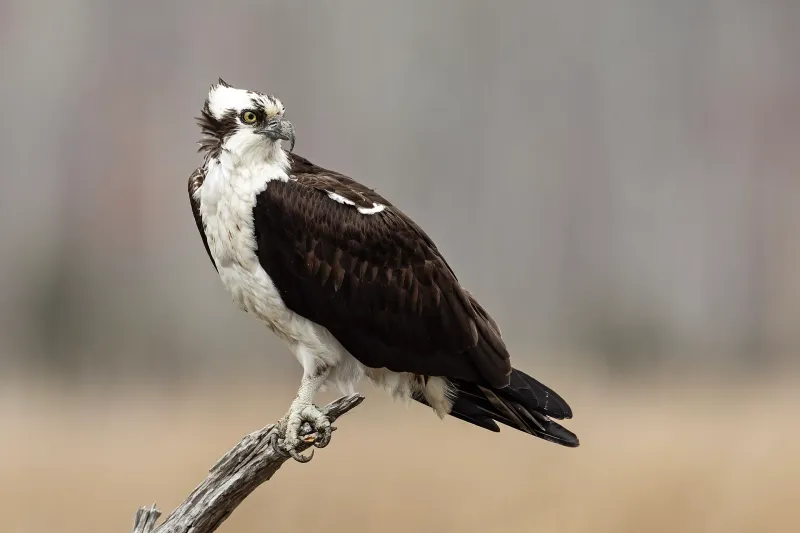
Osprey
A fish-eating hawk with a white head and a dark eye stripe. In Pakistan it is mainly a winter visitor to lakes, rivers and the Sindh coast.
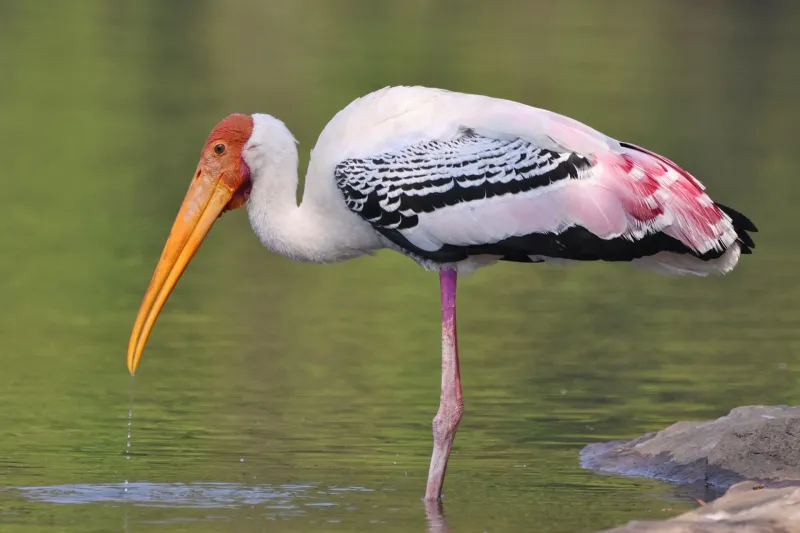
Painted Stork
A big wading bird with a heavy yellow bill and a pink-tipped, patterned back. It is rare in Pakistan, at the western edge of its range along the Indus.
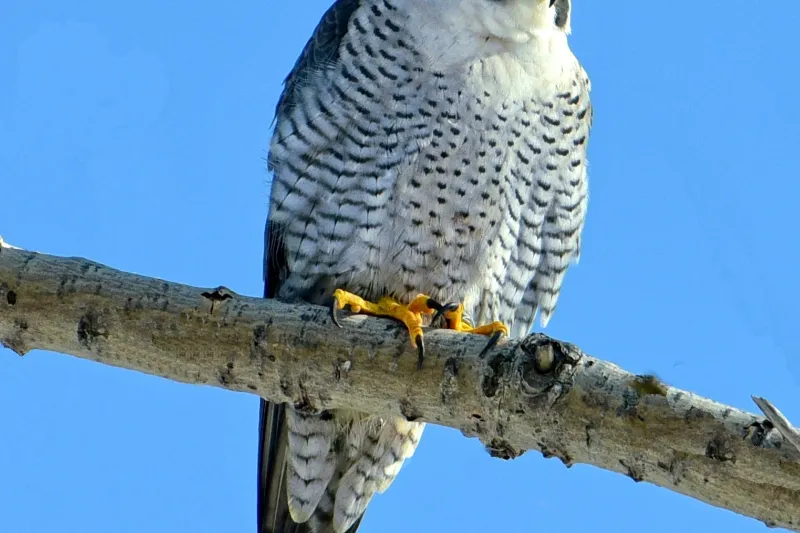
Peregrine Falcon
The peregrine is a fast bird-hunting falcon with a black head and moustache. Pakistan has resident hill birds and winter visitors, so it can be seen in several seasons.
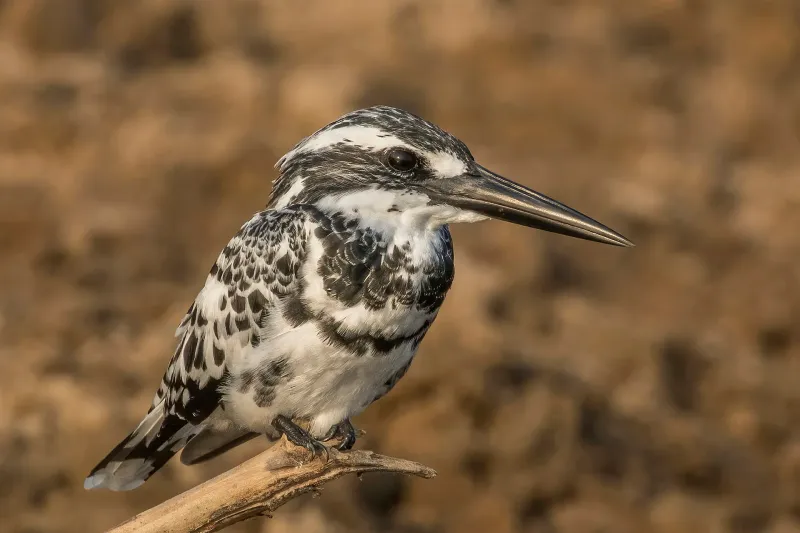
Pied Kingfisher
A black-and-white kingfisher that hovers above water before diving for fish. It is a widespread resident of Pakistan's rivers, canals and ponds.
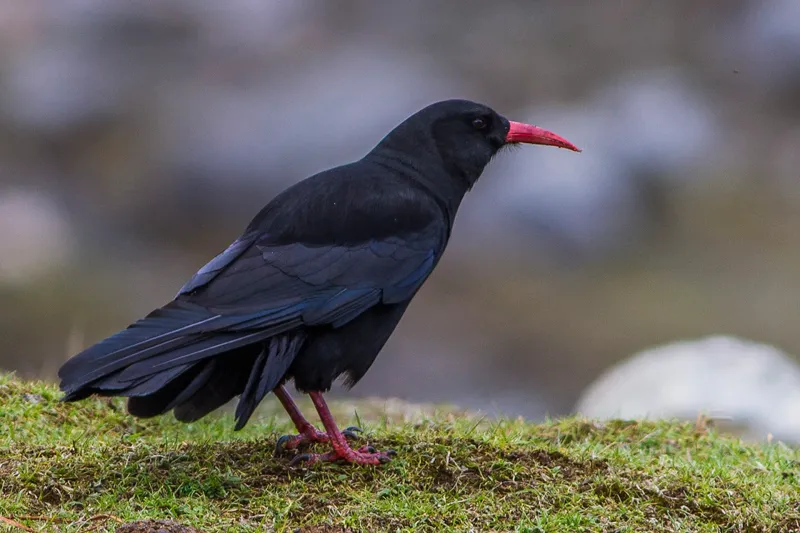
Red-billed Chough
A glossy black crow of high mountains with a curved red bill and red legs. In northern Pakistan it forages on high pastures in summer and comes down to valley villages in winter.
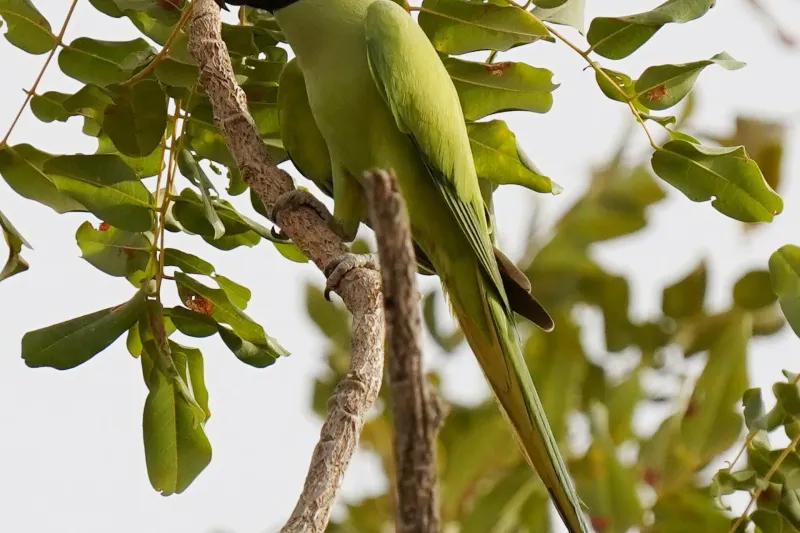
Rose-ringed Parakeet
A noisy green parakeet with a red bill and a long tail. It is common in Pakistani towns, orchards and fields, and is also the focus of a pet trade and a new licensing system in Punjab.
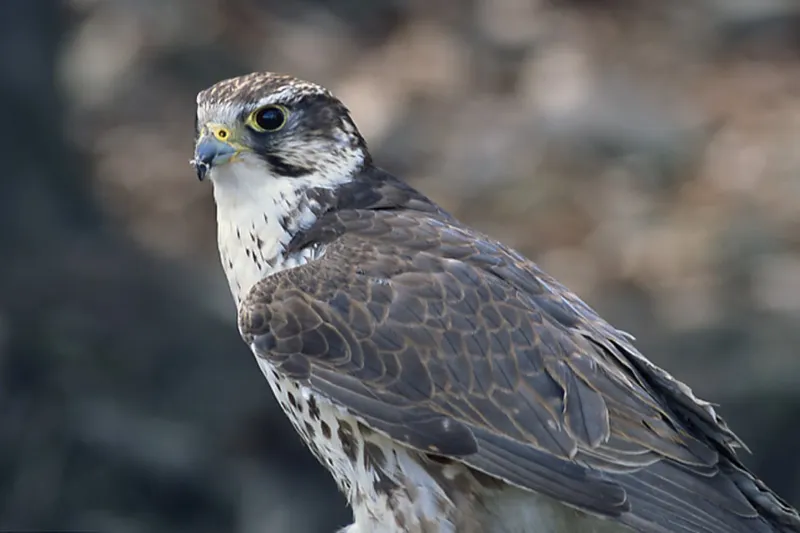
Saker Falcon
A large, brownish falcon of open steppe. It is listed as Endangered and is a scarce migrant through Pakistan, where illegal trapping is a serious threat.
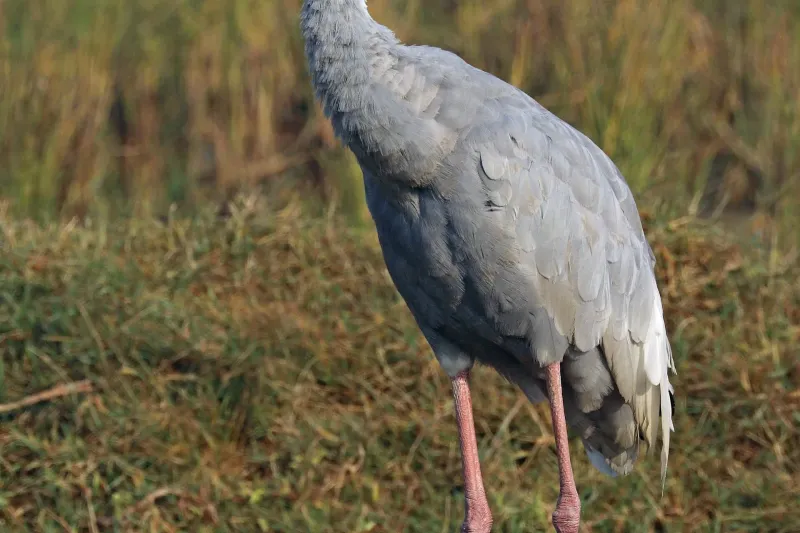
Sarus Crane
The world's tallest flying bird, with a bare red head. In Pakistan it was once found in Tharparkar, Sindh, and is now extremely rare, so a sighting would be news.
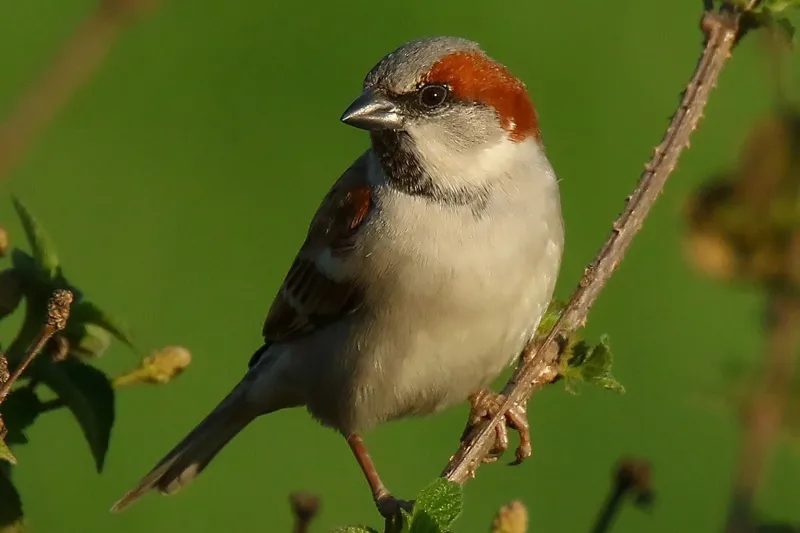
Sind Sparrow
A small, local sparrow of the Indus plains. The male has a chestnut stripe behind the eye. It lives in riverside thorn scrub and tall grass, mostly in Pakistan.
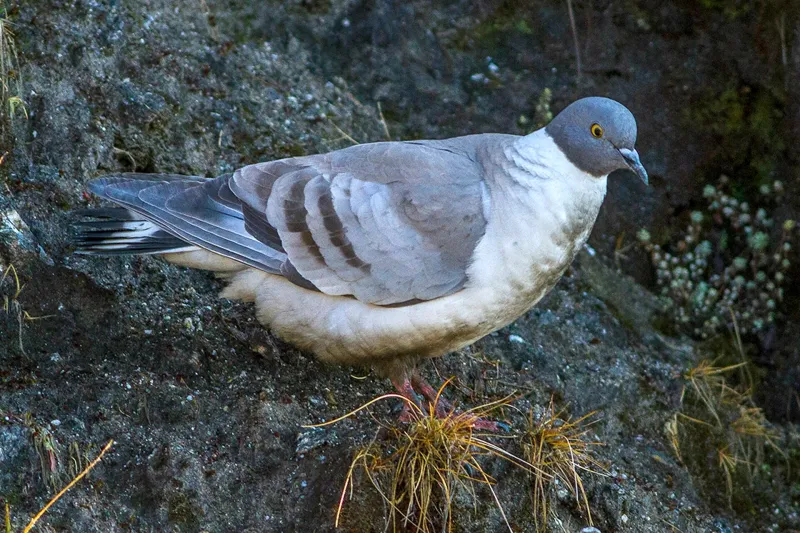
Snow Pigeon
A high-mountain pigeon with a black head, white neck collar and a white band across a dark tail. It lives on rocky slopes near the snow line in northern Pakistan.
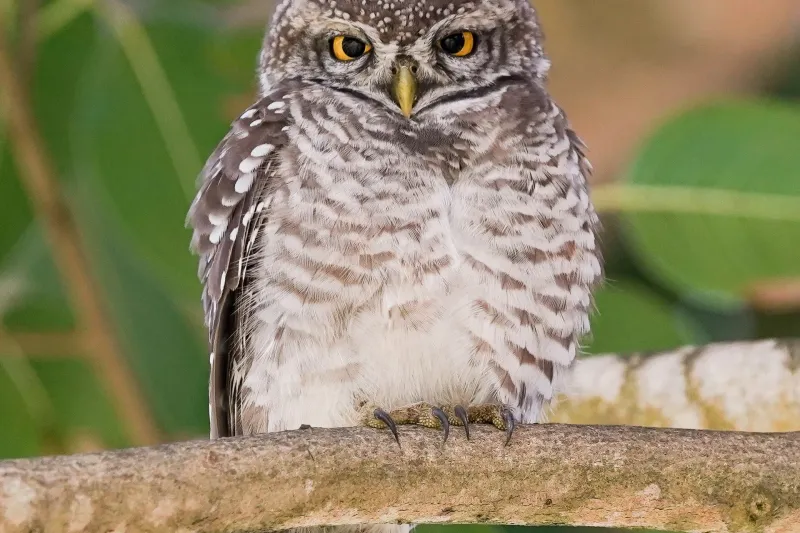
Spotted Owlet
A small, stocky owl with white-spotted grey-brown upperparts and yellow eyes. It lives in towns, farmland and old buildings across Pakistan, and is often seen by day.
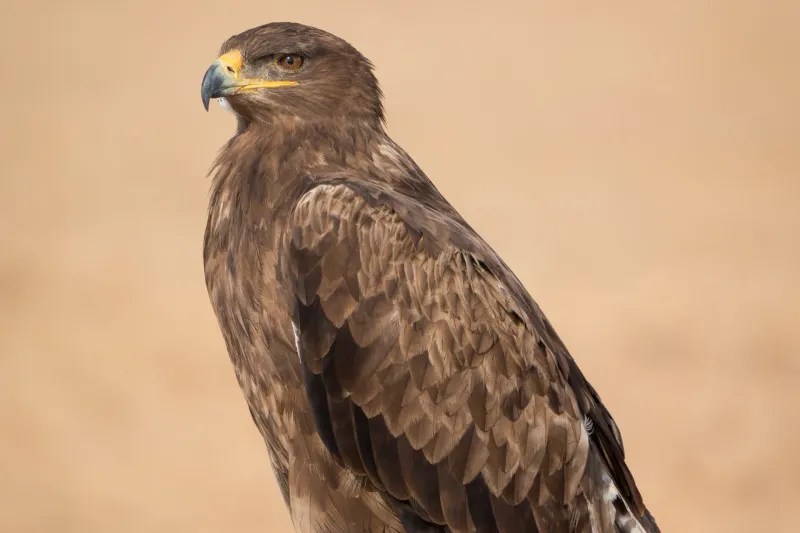
Steppe Eagle
A large, dark-brown eagle that breeds on the Central Asian steppe and winters in South Asia, including Pakistan. It is listed as Endangered by the IUCN.
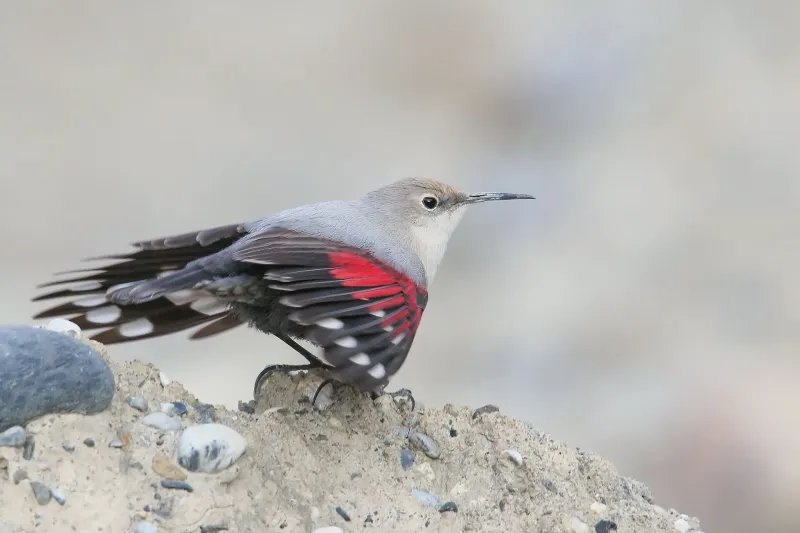
Wallcreeper
A grey mountain bird with crimson wings that flicker like a butterfly as it climbs cliffs. In Pakistan it lives high in the north in summer and comes lower in winter.
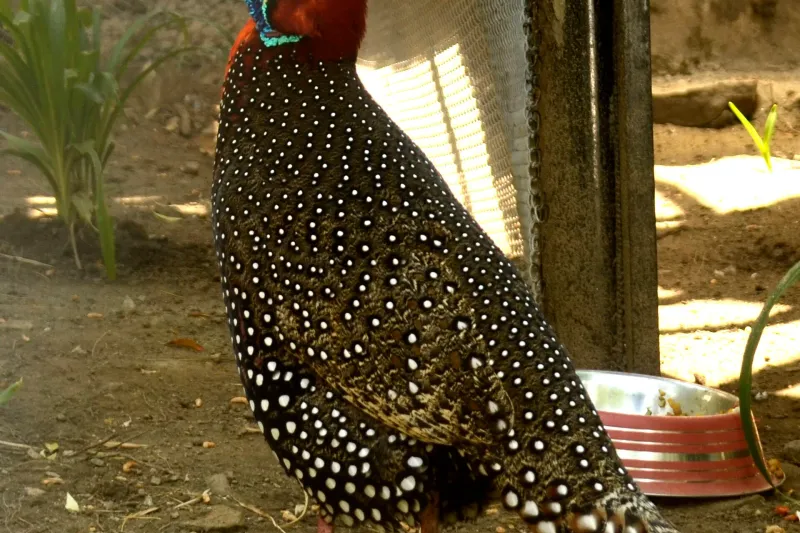
Western Tragopan
One of the rarest pheasants in the world. The male is dark with white spots, a blue throat and two blue horns. In Pakistan it lives in dense forest in Kohistan and the Kaghan valley.
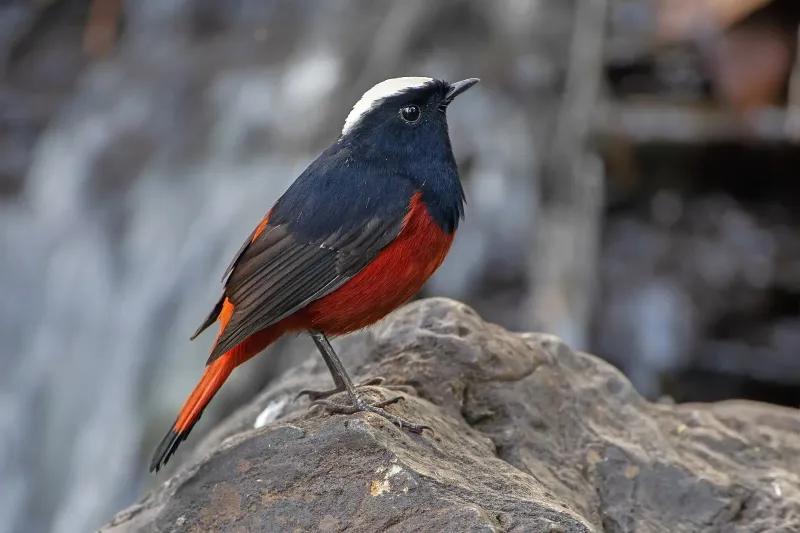
White-capped Redstart
A black and chestnut-red bird with a white cap that bobs on rocks in fast mountain streams. In Pakistan it breeds in the north and comes down to streams such as those of the Margalla Hills in winter.
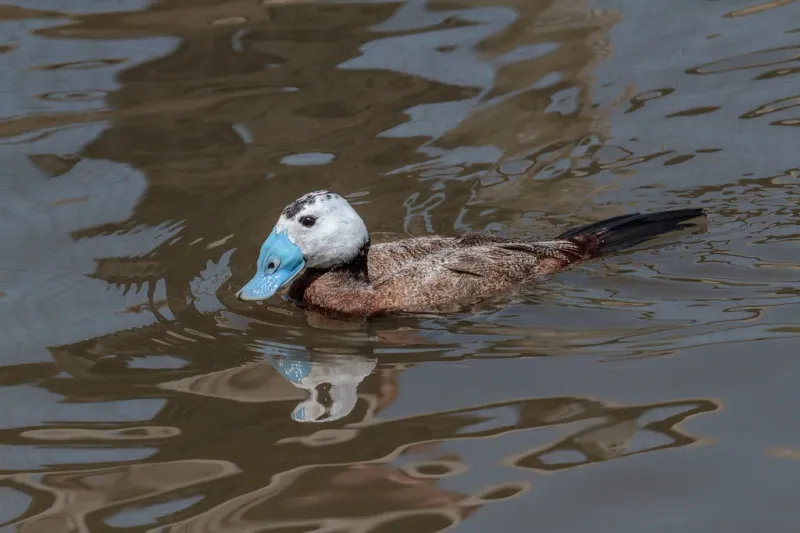
White-headed Duck
A diving stiff-tailed duck with a white head and blue bill in breeding males. Pakistan's wintering birds have fallen to a handful, mainly at the Uchhali wetlands in the Punjab.
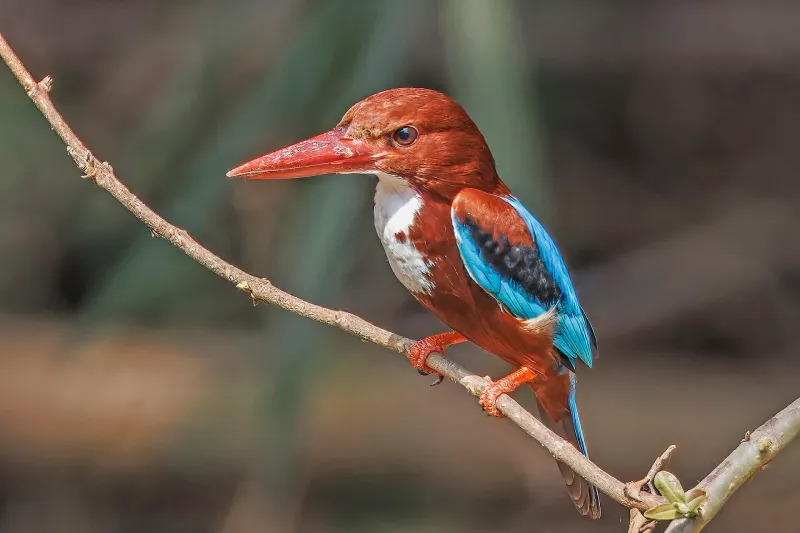
White-throated Kingfisher
A bright blue and chestnut kingfisher with a white throat and a red bill. It is common and often seen far from water, on wires and trees.
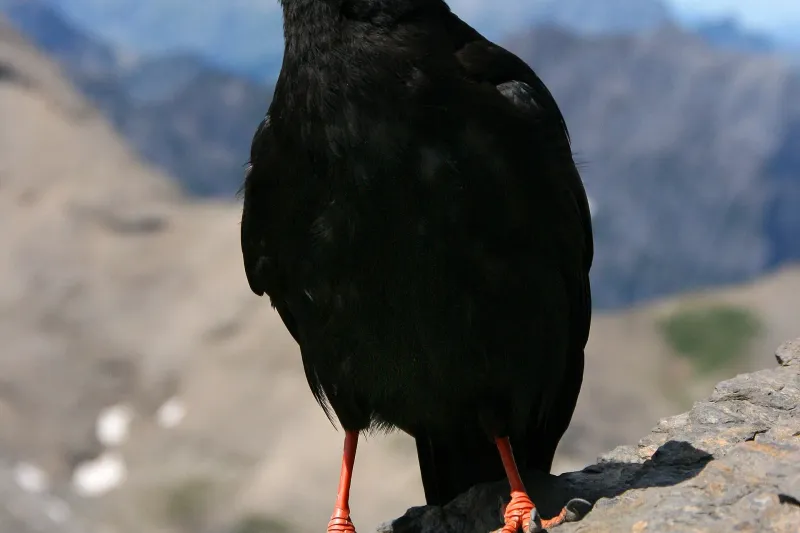
Yellow-billed Chough
A glossy black mountain crow with a short yellow bill, also called the Alpine chough. It may nest higher than any other bird and visits mountain villages and viewpoints in Pakistan.


Sources and last checked
Last checked Confidence medium13 sources3 still to check
- Last checked
- Method
- Desk research from published sources
- Confidence
- medium
- Checked by
- trek.pk research team
Researched from published sources; not yet checked on the ground by our team. Spot something out of date? Report a mistake.
Sources
- Chukar partridge · Wikipedia · checked
- National symbols of Pakistan · Wikipedia · checked
- Himalayan monal · Wikipedia · checked
- Western tragopan · Wikipedia · checked
- List of birds of Pakistan · Wikipedia · checked
- Wildlife of Pakistan · Wikipedia · checked
- Central Asian Flyway · Wikipedia · checked
- Sindh Wildlife Department reports nearly 15% drop in migratory birds amid drying wetlands · Arab News · checked
- Ramsar sites in Pakistan · Wikipedia · checked
- Deosai National Park · Wikipedia · checked
- Central Karakoram National Park · Wikipedia · checked
- Margalla Hills · Wikipedia · checked
- Ramsar sites in Pakistan · Wikipedia · checked
Still to be checked on the ground (3)
- Best months for each birding area are general guidance and should be confirmed locally
- Ramsar site count: 19 per Wikipedia (March 2013) and Arab News (April 2025); the official Ramsar Sites Information Service pages could not be reached
- Species checklist and species pages still to be added


