

Photo: Syedmuradali22, with thanks · CC BY-SA 4.0 · via Wikimedia Commons · temporary stand-in photo
Flora
From mangroves on the Indus Delta to deodar forests, ancient juniper woods and wildflower plateaus: Pakistan's main plant zones, national tree and flower, and how to enjoy them responsibly.
Key facts
- National tree: deodar; national flower: jasmine
- Indus Delta mangroves, a Ramsar wetland since 2002
- Ziarat has the largest juniper forest in Pakistan
- Deosai and other high meadows bloom in summer
- Forest covers only about 4.7 per cent of the land
Overview
Plants change with height and rainfall, so Pakistan's flora changes quickly as you travel. Mangroves grow at sea level, thorny scrub covers the dry plains, and pine, deodar and juniper forests climb the mountains toward alpine meadows. Forest is thin overall: recent national and World Bank figures put forest at only about 4.7 per cent of the land area. That makes the forests that remain well worth seeing and protecting.
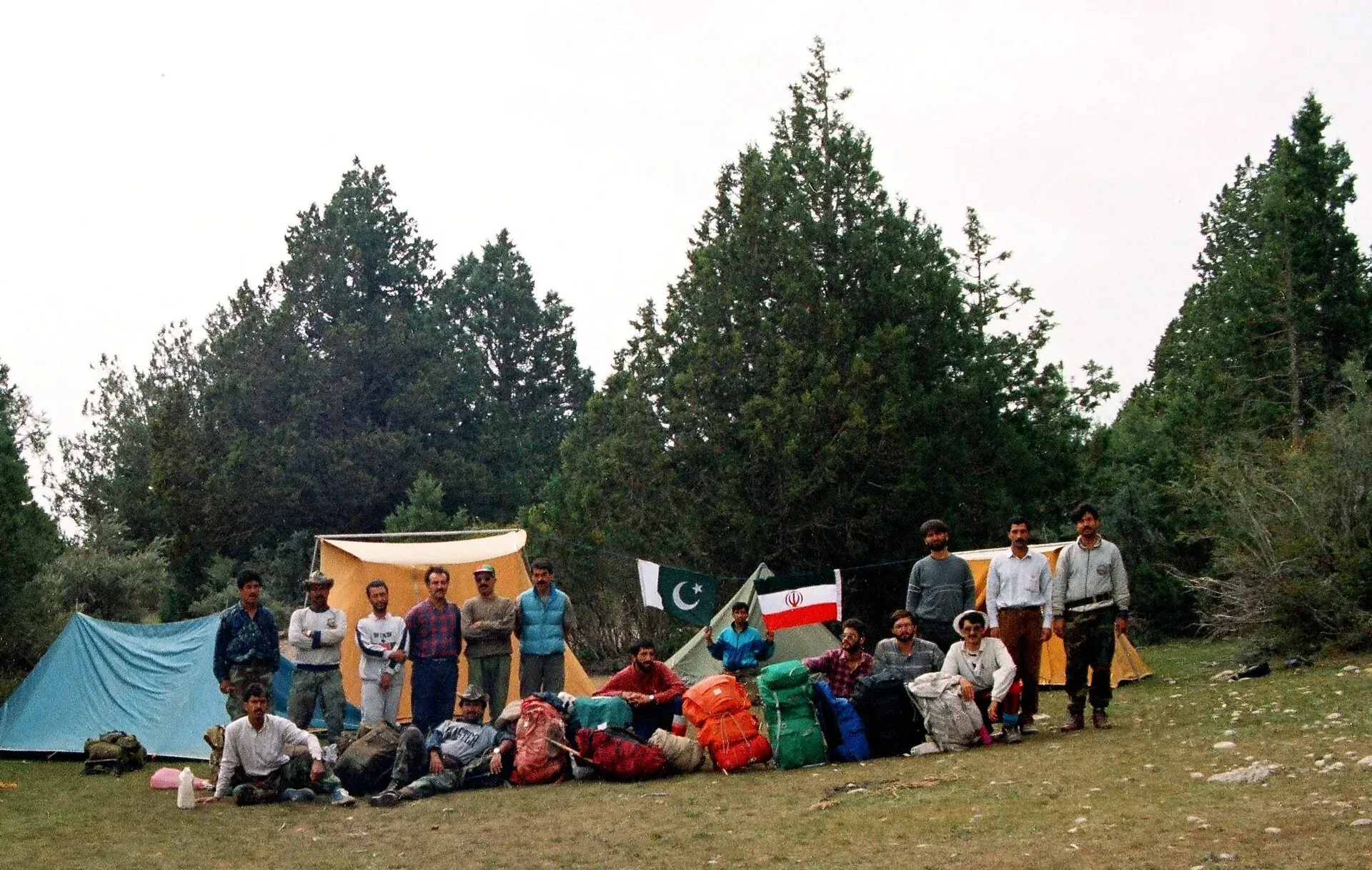
Photo: Simon KB, with thanks · CC BY-SA 4.0 · via Wikimedia Commons · temporary stand-in photo
National symbols
- National tree: the deodar or Himalayan cedar (Cedrus deodara), a tall evergreen of the western Himalaya and Hindu Kush.
- National flower: common jasmine (Jasminum officinale), loved for its white, sweet-scented blooms.
The main plant zones
Coastal mangroves. The Indus Delta is the largest saltwater wetland in Pakistan. Its mangroves are mainly grey mangrove (Avicennia marina), which makes up about 99 per cent of the trees. Only four mangrove species remain in the delta, down from eight, and in 2007 these were described as the largest mangrove forests in a desert climate. Less fresh water now reaches the sea, so the forest depends on careful management. The delta is a Ramsar wetland, designated on 5 November 2002.
Riverine woods and plains. Along the Indus and its tributaries, belts of riverside forest and broadleaf trees stand among farmland. Further from the rivers, desert and scrubland dominate, especially in Sindh, Cholistan and Balochistan.
Lower hills. In the lower northern highlands, the chir pine is the common conifer. Subtropical dry and moist broadleaf woods grow on the lower slopes. The Margalla Hills near Islamabad are a good, easy place to see this zone.
Mid-mountain forests. Between roughly 1,000 and 4,000 m, conifer forests are found across the northern and north-western highlands. Blue pine and deodar grow at intermediate heights, and deodar forests also grow in parts of northern Balochistan and Khyber Pakhtunkhwa. You can see these forests on the roads to Swat, Kaghan, Naran and Galyat.
High juniper woods. In Balochistan, near Ziarat, grows the largest juniper forest in Pakistan. Pashtun juniper (Juniperus seravschanica) is the main tree, in belts between about 2,000 and 3,000 m. The forest, about 110,000 hectares, was made a biosphere reserve in 2013. Local sources describe some trees as thousands of years old. These are slow growers, so they should never be cut or damaged for firewood or souvenirs.
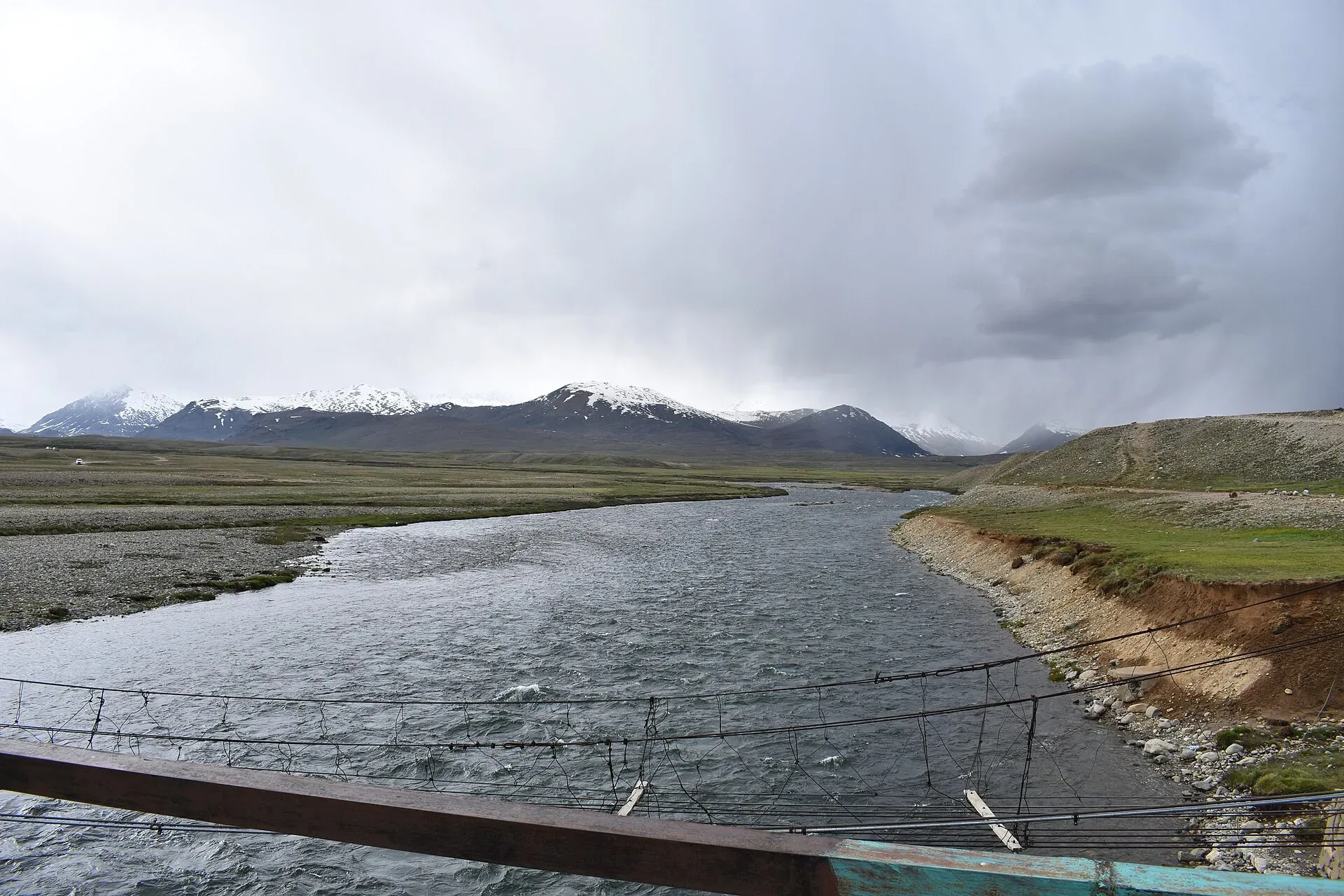
Alpine meadows. Above the tree line grass, sedge and wildflowers cover high plateaus and slopes. At the Deosai Plains, which sit at an average height of about 4,114 m, spring brings wildflowers and butterflies. In the northern valleys the same flower-rich meadows, called marg or maidan, are summer grazing grounds for village herds. Fairy Meadows, Shandur and the Naltar Valley are among the better known.
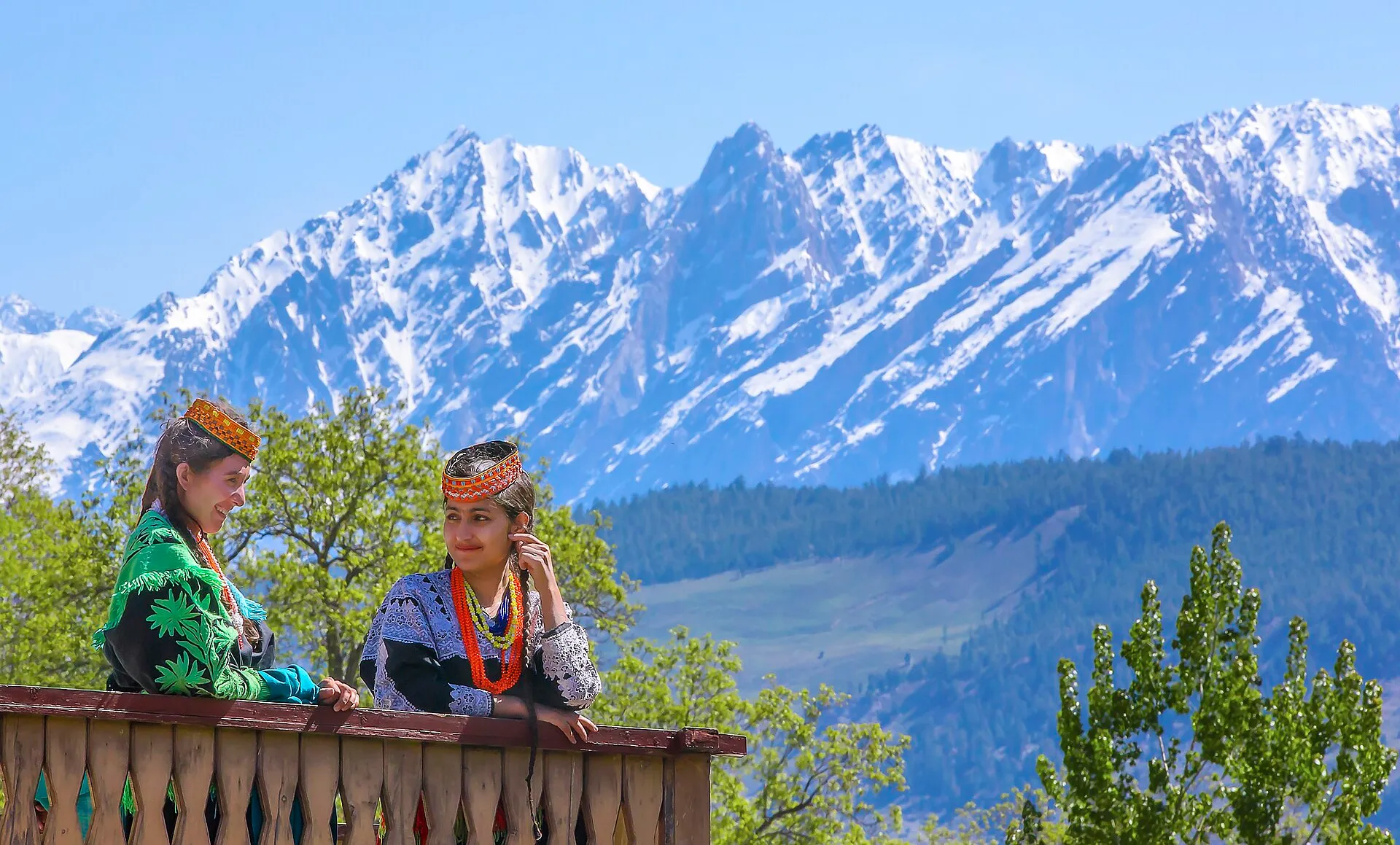
Photo: Tahsin A Shah, with thanks · CC BY-SA 4.0 · via Wikimedia Commons · temporary stand-in photo
Orchards and blossom
Villages in the northern valleys grow apricot, cherry and apple. Apricot and cherry blossom in Hunza and Skardu appears in April in many years. The high valleys around Quetta and Ziarat are known for apple and apricot orchards.
Reforestation
By 2017 the province of Khyber Pakhtunkhwa carried out the Billion Tree Tsunami, a restoration programme linked to the Bonn Challenge led by the International Union for Conservation of Nature (IUCN). The government and press reported that it reached its one billion tree target in 2017, ahead of schedule, mostly through protected natural regrowth (60 per cent) and planted trees (40 per cent). In August 2019 Dawn quoted the provincial forest minister as saying the programme added 1,208 million trees at a cost of Rs14 billion, and raised the province's forest cover by 6.3 per cent. Figures vary between reports, and survival rates need independent monitoring.
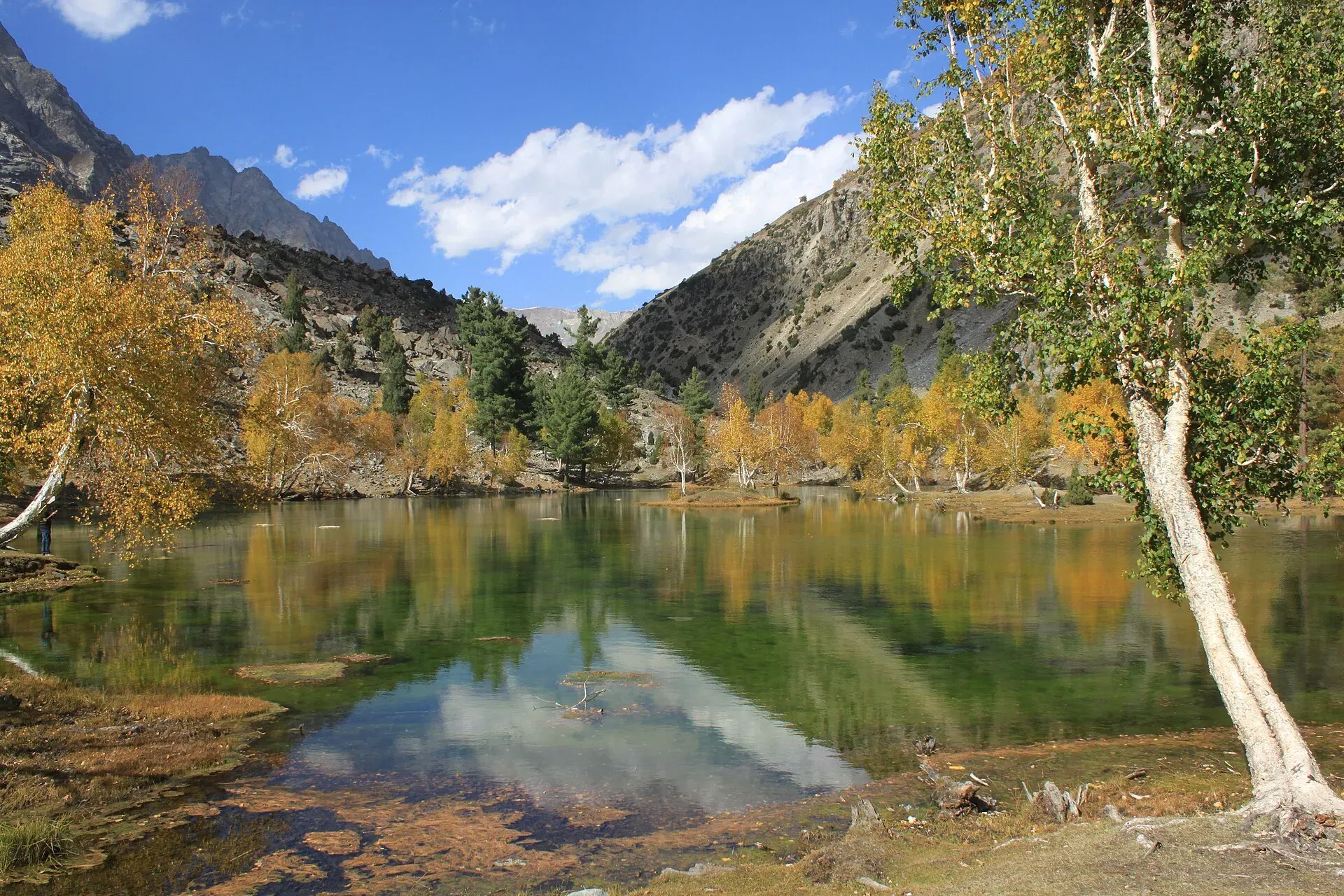
Photo: Tipuabdul, with thanks · CC BY-SA 3.0 · via Wikimedia Commons · temporary stand-in photo
What to see and do
- Walk the Margalla trails in Islamabad for chir pine and mixed hill woods (best October to April).
- Drive to Kaghan, Swat or Galyat for deodar, blue pine and fir forests in the summer.
- Plan a visit to Ziarat for the juniper forest in spring or autumn.
- Time a trip to Deosai or Fairy Meadows for summer meadow flowers; Deosai is accessible only in summer.
- Join a boat trip in the Indus Delta with a local operator to see the mangroves.
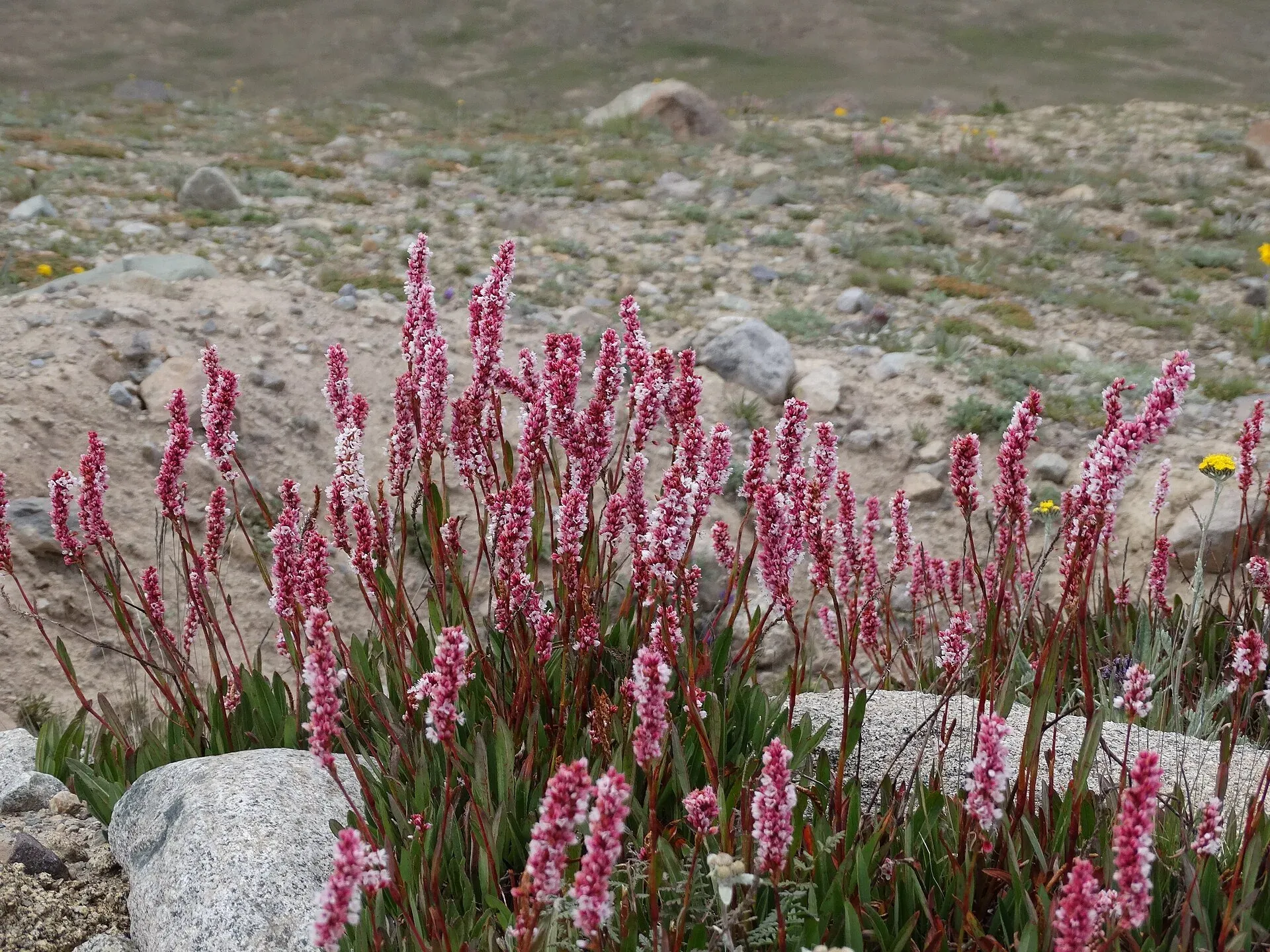
Photo: Akbar Khan Niazi, with thanks · CC BY-SA 3.0 · via Wikimedia Commons · temporary stand-in photo
Responsible viewing
- Stay on paths in meadows and never pick wildflowers or dig plants.
- Do not buy herbs, cut flowers or wood collected from protected areas.
- Never light fires near forests; use a stove.
- Take all rubbish out with you.
Sources and last checked
Last checked Confidence medium9 sources2 still to check
- Last checked
- Method
- Desk research from published sources
- Confidence
- medium
- Checked by
- trek.pk research team
Researched from published sources; not yet checked on the ground by our team. Spot something out of date? Report a mistake.
Sources
- Flora of Pakistan · Wikipedia · checked
- National symbols of Pakistan · Wikipedia · checked
- Indus River Delta · Wikipedia · checked
- Ziarat Juniper Forest · Wikipedia · checked
- Deosai National Park · Wikipedia · checked
- Pakistan loses 11,000 hectares of forest area every year (Economic Survey 2026) · ProPakistani · checked
- Pakistan forest area (% of land), World Bank data · Statistics of the World · checked
- Pakistan's Billion Tree Tsunami surpasses Bonn challenge commitment · Gulf News · checked
- KP govt achieves planting billion trees in 3 years · Dawn · checked
Still to be checked on the ground (2)
- Age of Ziarat juniper trees: Wikipedia says the oldest are 5,000 to 7,000 years old, other sources differ, so the page gives no figure
- Meadow names (marg, maidan) and the list of well-known meadows are general knowledge


