

Photo: Fassifarooq, with thanks · CC BY-SA 4.0 · via Wikimedia Commons · temporary stand-in photo
Best Things to Do
Twenty of the best things to do in Pakistan: Karakoram Highway and K2, Hunza and Fairy Meadows, Kalash festivals, UNESCO sites, the Salt Range and the Makran coast, with practical notes.
Key facts
- Karakoram Highway and Khunjerab Pass
- Baltoro Glacier and K2 views at Concordia
- Fairy Meadows and Nanga Parbat
- Six UNESCO World Heritage Sites
- Khewra Salt Mine, Hingol and the Margalla Hills
Overview
Pakistan is a country of big mountains, ancient cities and warm people. This list picks twenty experiences that suit different travellers, from first visits to return trips. It covers the north in summer, the heritage cities and sites in the cooler months, and the coast and desert in winter. Use it as a starting point and read the linked guides before you go.
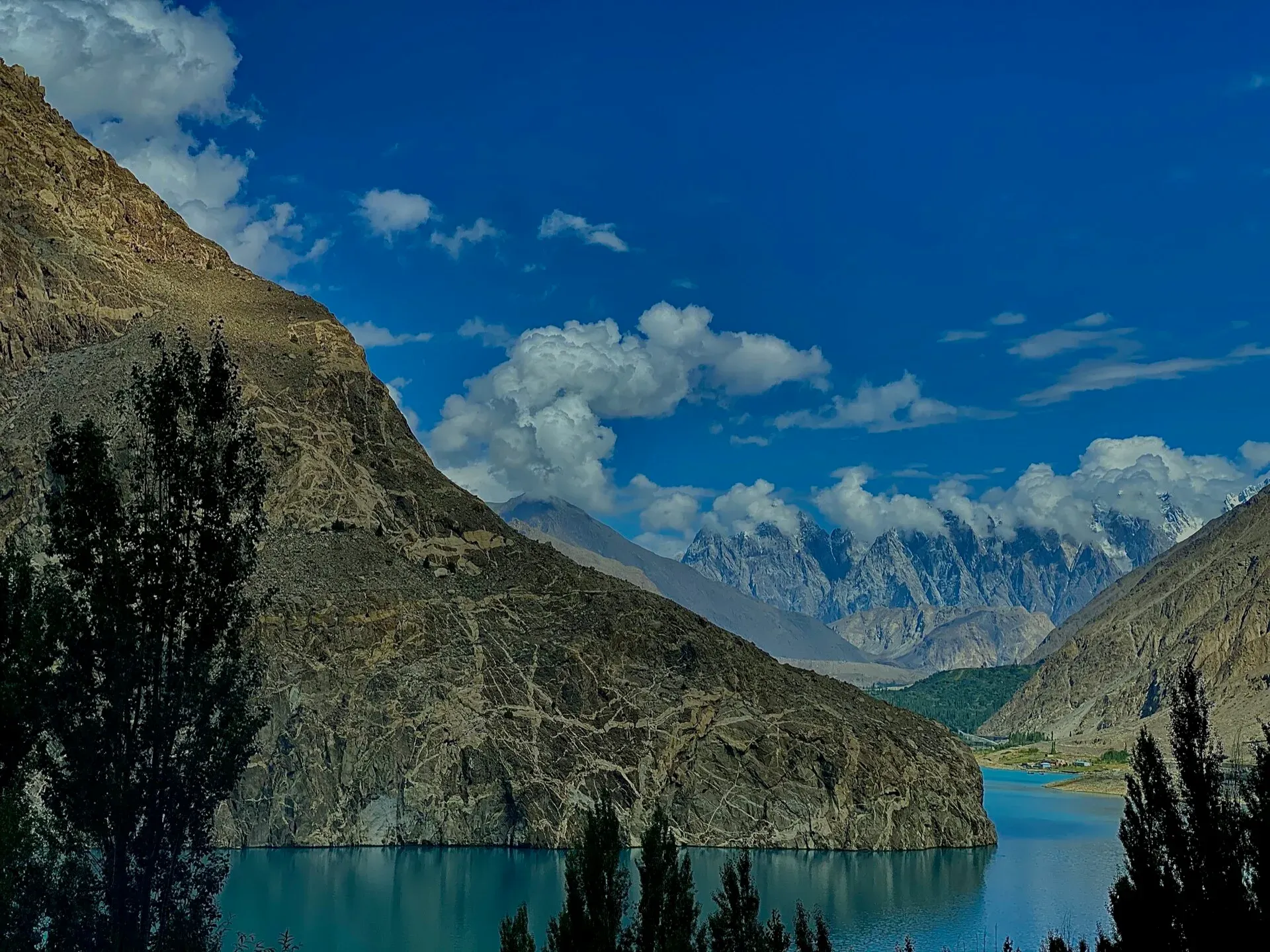
Photo: Amalooloo, with thanks · CC BY-SA 4.0 · via Wikimedia Commons · temporary stand-in photo
The mountains and valleys
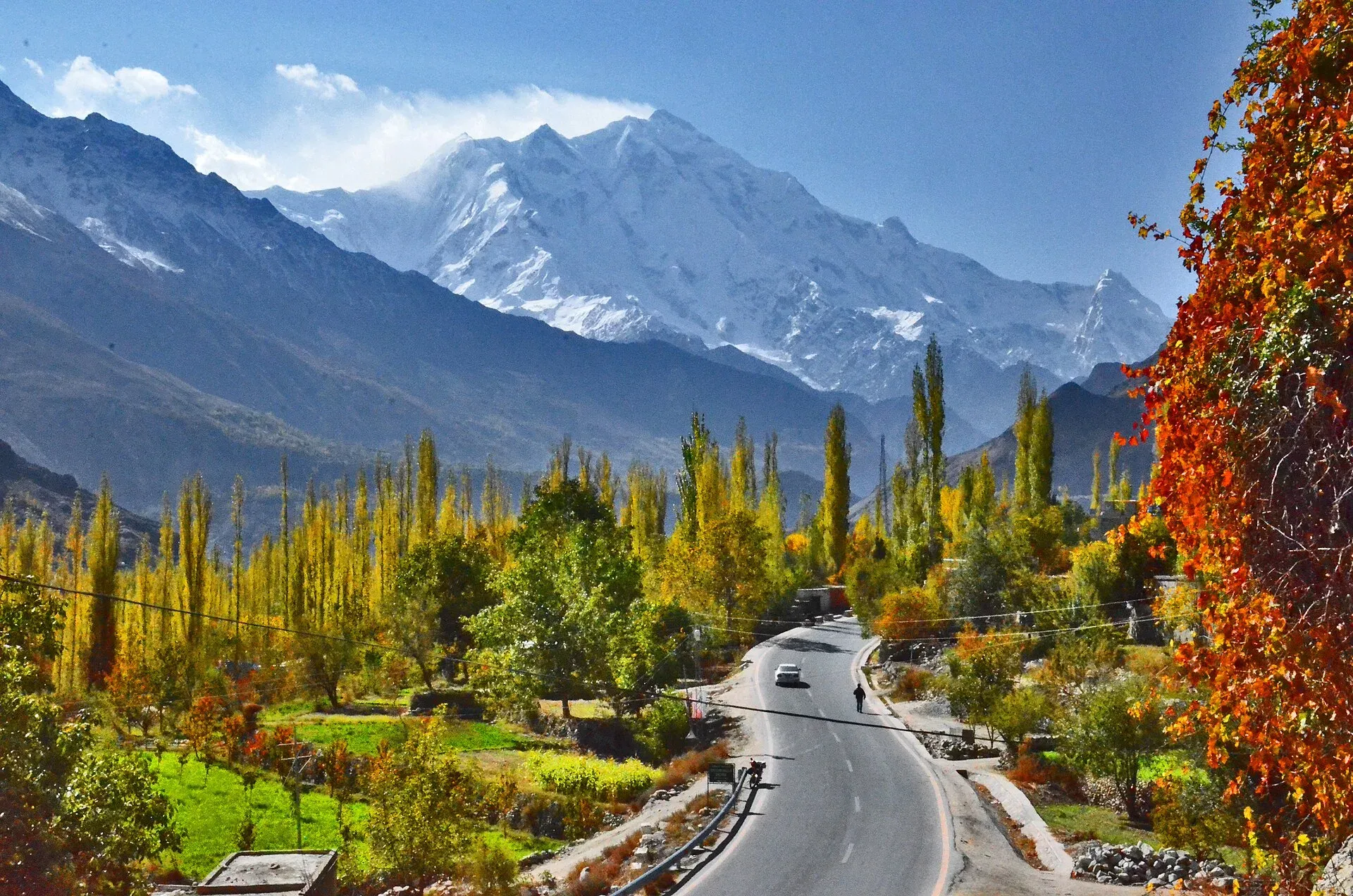
1. Drive the Karakoram Highway. The highway runs from Hasan Abdal through Abbottabad, Besham, Chilas, Gilgit and the Hunza valley to the Khunjerab Pass, where it continues into China. Building ran from 1962 to 1979, and the road opened to the public in 1986. It reaches about 4,700 m near the pass (Wikipedia gives 4,714 m for the highway and 4,693 m for the pass). Check road and weather status first.
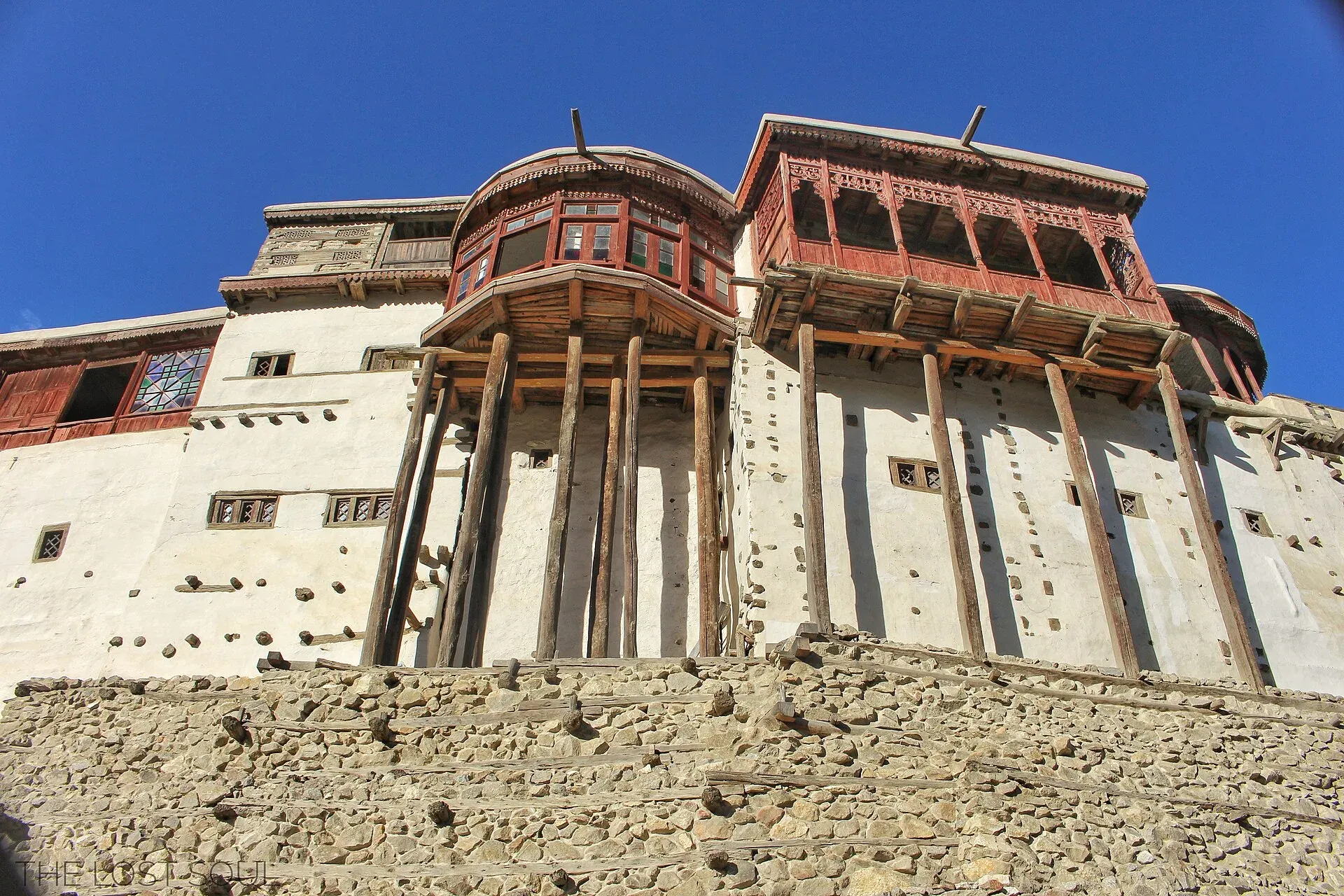
2. Stay in the Hunza Valley. Hunza sits at around 2,400 m on the valley floor. Baltit Fort, home of the Mirs, is said to be about 800 years old, and Altit Fort lies lower down the valley. In April the apricot and cherry trees flower in many years. Attabad Lake formed after a landslide on 4 January 2010 and is a famous turquoise stop on the highway.
3. Trek towards K2 on the Baltoro Glacier. The route up the Baltoro Glacier leads to Concordia, where K2 (8,611 m), Gasherbrum I and II and Broad Peak are within sight. It is a demanding multi-week trek with permits and a licensed operator.
4. Visit Fairy Meadows. This high meadow at about 3,300 m sits in front of Nanga Parbat (8,126 m). The approach is a jeepable track of about 15 km from Raikot Bridge on the Karakoram Highway, driven by local drivers, then a walk of about 5 km that takes three to four hours.
5. Cross the Deosai Plains. The plateau lies at an average of about 4,114 m, and Dawn reported in December 2025 that the park is open to tourists from June to November. It protects the Himalayan brown bear, with spring and summer wildflowers and butterflies. Sheosar Lake is a favourite stop.
6. Explore Skardu and Shigar. Skardu is the gateway for Baltoro, Deosai and Shigar. The Shigar valley is one of the places named in published lists as a source of aquamarine and topaz. Fort and village walks suit slower travel.
7. Meet the Kalash. The Kalash valleys of Bumburet, Rumbur and Birir lie in Chitral at about 1,900 to 2,200 m. The 2023 census counted 7,466 people who speak Kalasha as their mother tongue. Festivals include Chilam Joshi in spring (May), Uchau in autumn and Chawmos in mid-winter (about 7 to 22 December). Ask permission before photographing people, dress modestly and respect ritual areas.
8. Watch the Shandur Polo Festival. Teams from Gilgit-Baltistan and Chitral play freestyle polo on a ground at about 3,700 m, described as the highest polo ground in the world. Wikipedia gives 7 to 9 July as the usual dates, but confirm them each year.
9. See the Swat Valley. Swat was a major centre of Gandhara Buddhism, and Kushan-era stupas and statues remain. In the upper valley, the Ushu and Gabral rivers meet at Kalam to form the Swat River.
10. Follow the Neelum Valley. In Azad Kashmir, the valley is about 144 km long and lies between about 1,200 and 2,300 m, with Athmuqam and Sharda among its main places. Check access and security with local authorities first.
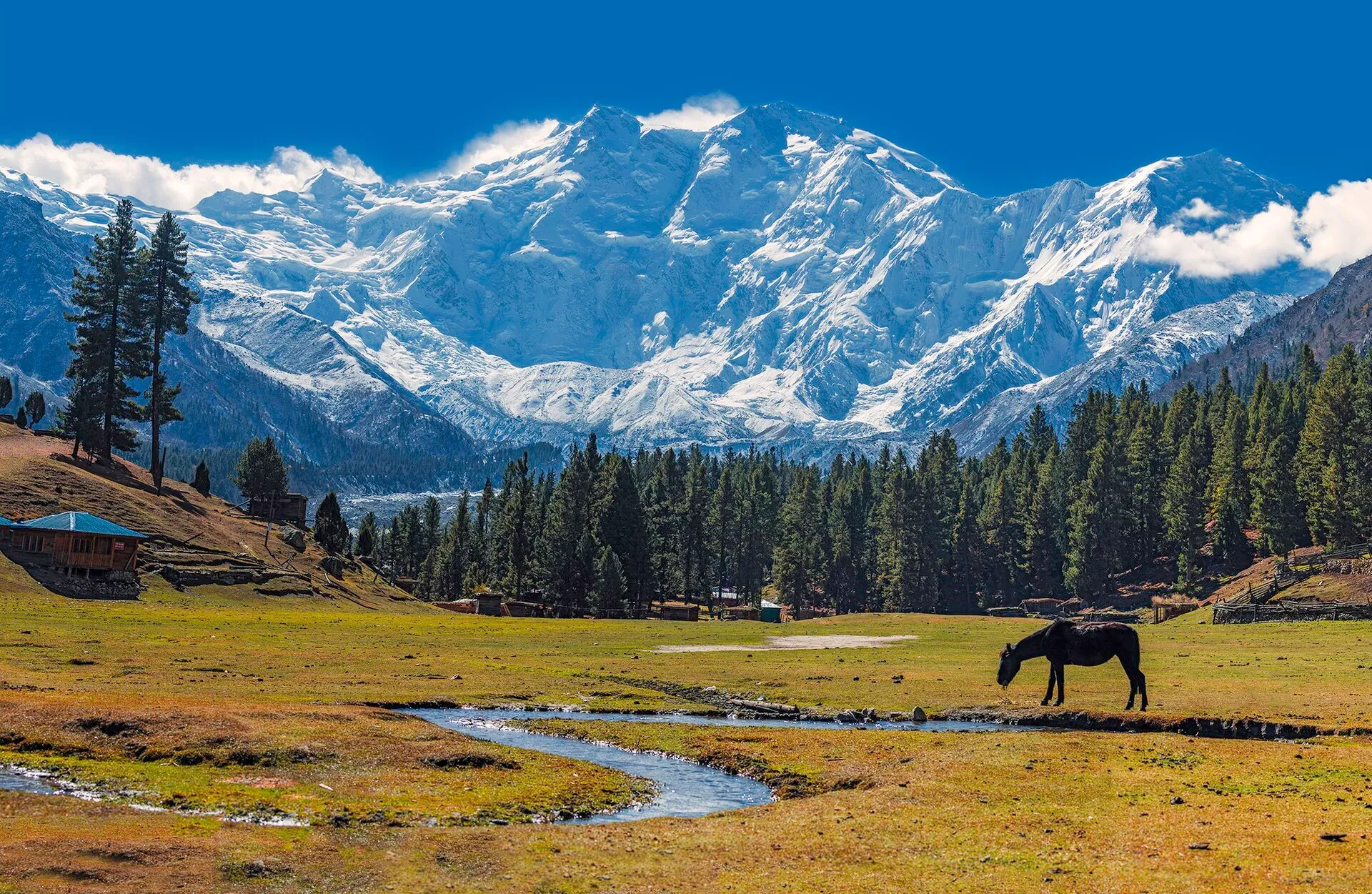
Photo: Imrankhakwani, with thanks · CC BY-SA 4.0 · via Wikimedia Commons · temporary stand-in photo
Heritage and culture
Pakistan has six UNESCO World Heritage Sites:
11. Lahore Fort and Shalimar Gardens (inscribed 1981), the Mughal heart of the city.
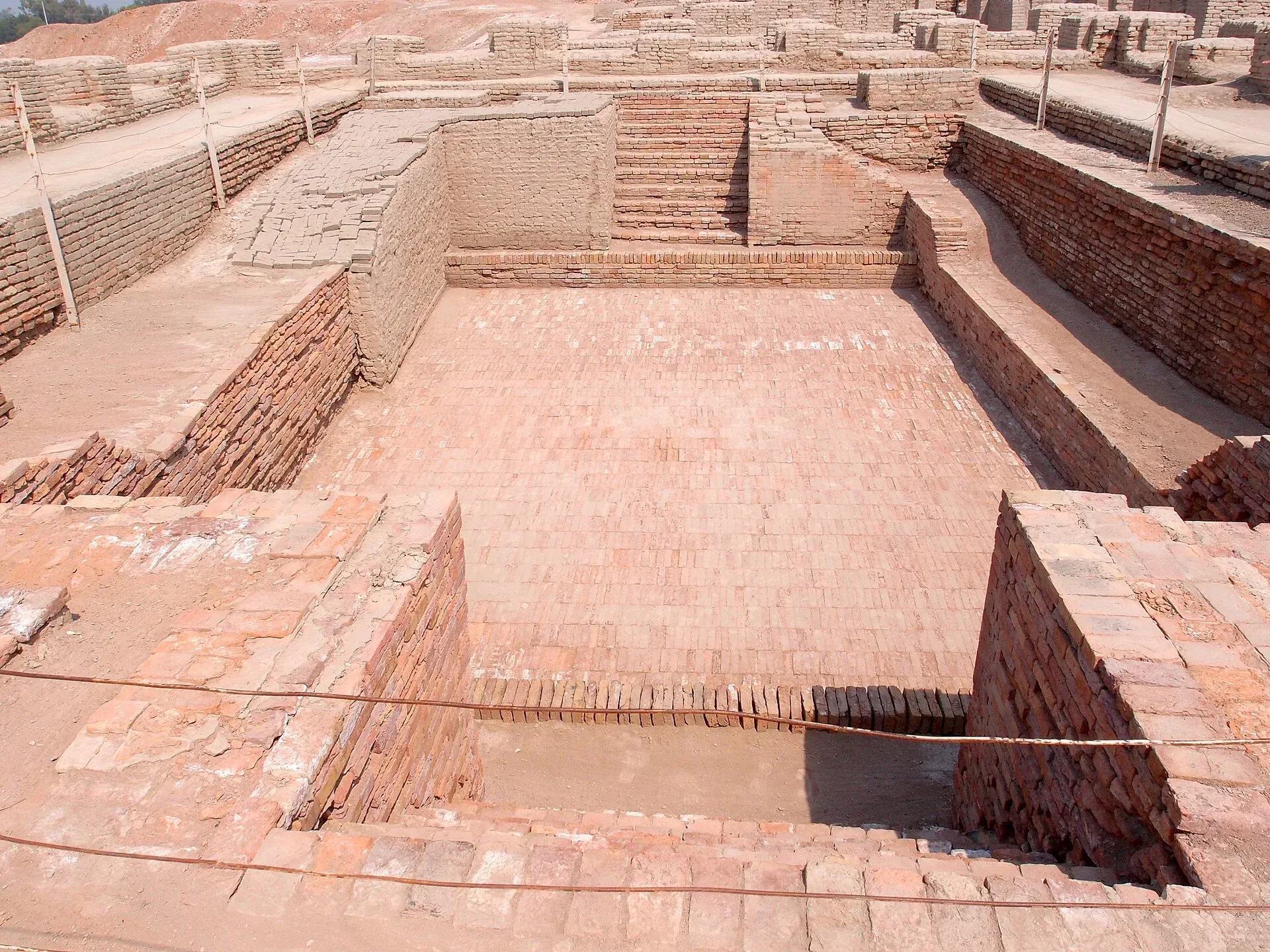
12. Mohenjo-daro (1980), the ruins of one of the great cities of the Indus Valley civilisation.
13. Taxila (1980), an ancient crossroads and centre of learning with Buddhist monasteries.
14. Takht-i-Bahi and Sahr-i-Bahlol (1980), Buddhist ruins on a hill near Mardan.
15. Makli Necropolis at Thatta (1981), a vast cemetery of tombs from Sindh's past.
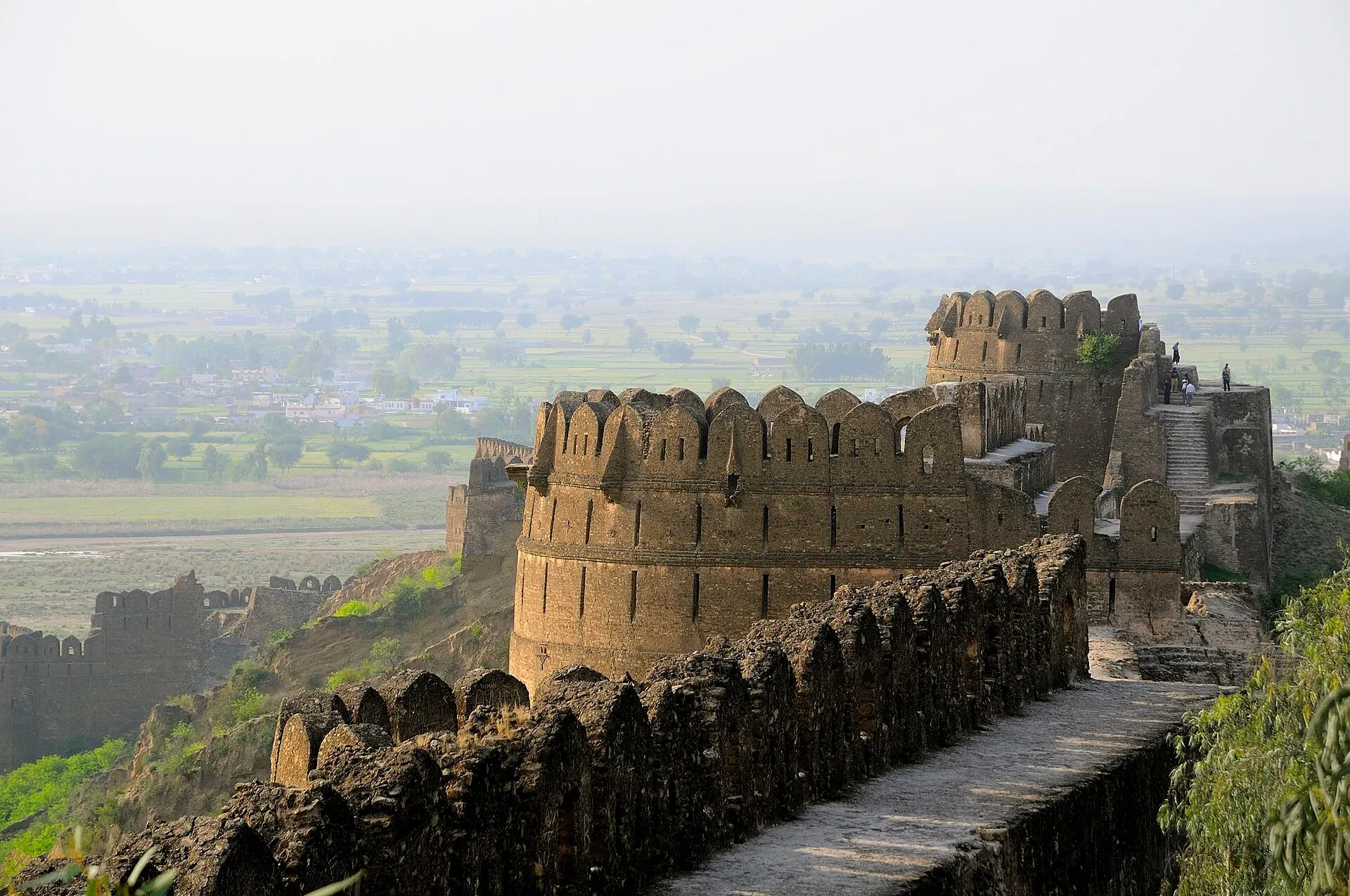
16. Rohtas Fort (1997), a huge fort near Jhelum.
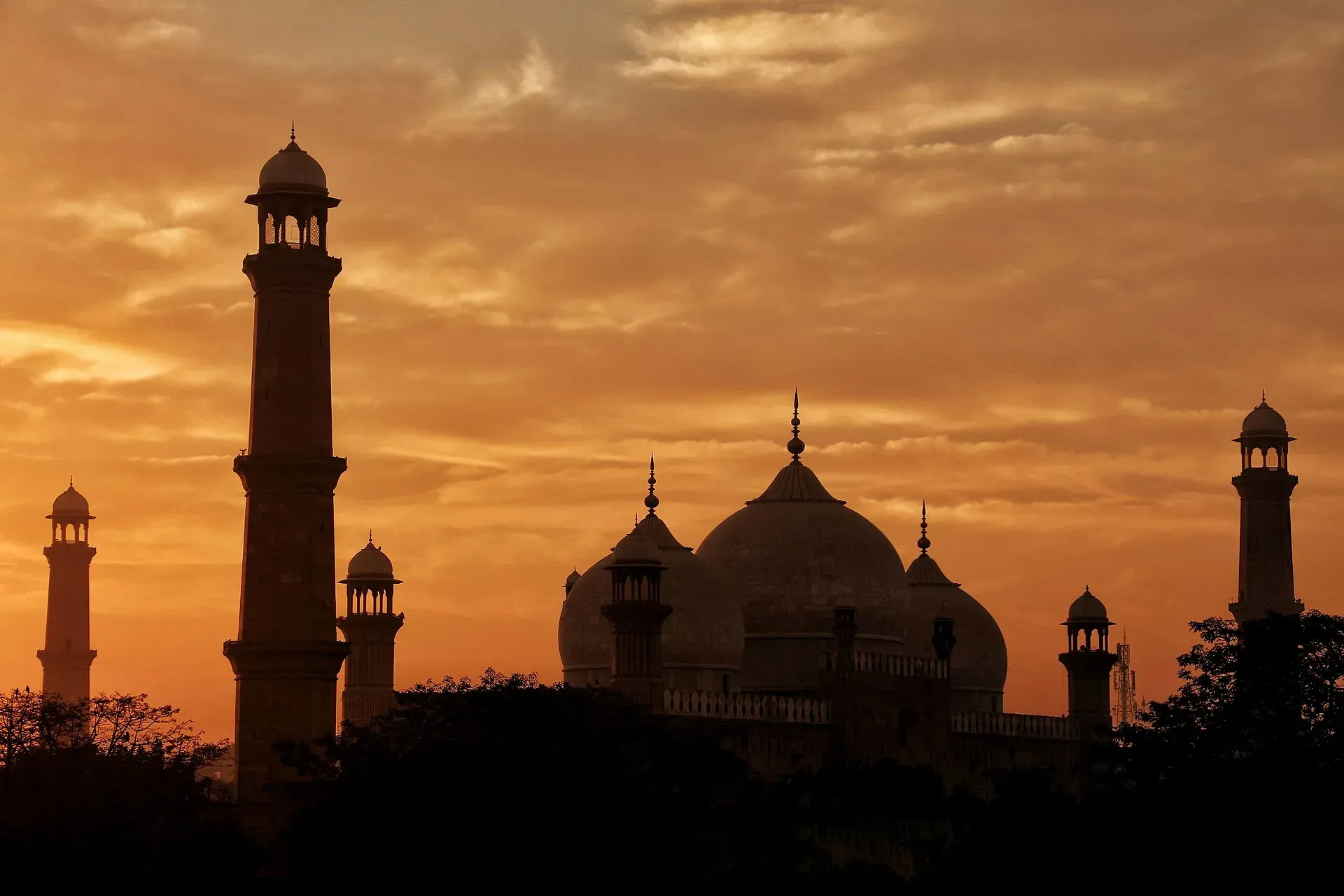
Photo: Fassifarooq, with thanks · CC BY-SA 4.0 · via Wikimedia Commons · temporary stand-in photo
Nature, desert and coast
17. Go underground at the Khewra Salt Mine. In the Salt Range, about 160 km from Islamabad and Lahore, a small train takes visitors into tunnels. The mine is described as the second largest salt mine in the world, with nineteen levels and about 40 km of tunnels, and sees up to 250,000 visitors a year. Look for the mosque made of salt bricks. Ask the mine office about tickets and opening times.
18. Drive the Makran Coastal Highway to Hingol. Opened in 2004, it links Karachi with Hingol National Park, the largest in Pakistan, with the Balochistan Sphinx, the Princess of Hope rock pinnacle and the beach at Kund Malir. Travel in the cooler months and check security and conditions.
19. Walk among junipers at Ziarat. The Ziarat forest, a biosphere reserve since 2013, is the largest juniper forest in Pakistan, growing at 2,000 to 3,000 m. Visit in spring or autumn.
20. Hike the Margalla Hills. Islamabad's green backdrop reaches 1,604 m at Tilla Charouni, with leopards, more than 430 bird species and a network of walking trails. It is ideal for a half-day outing.
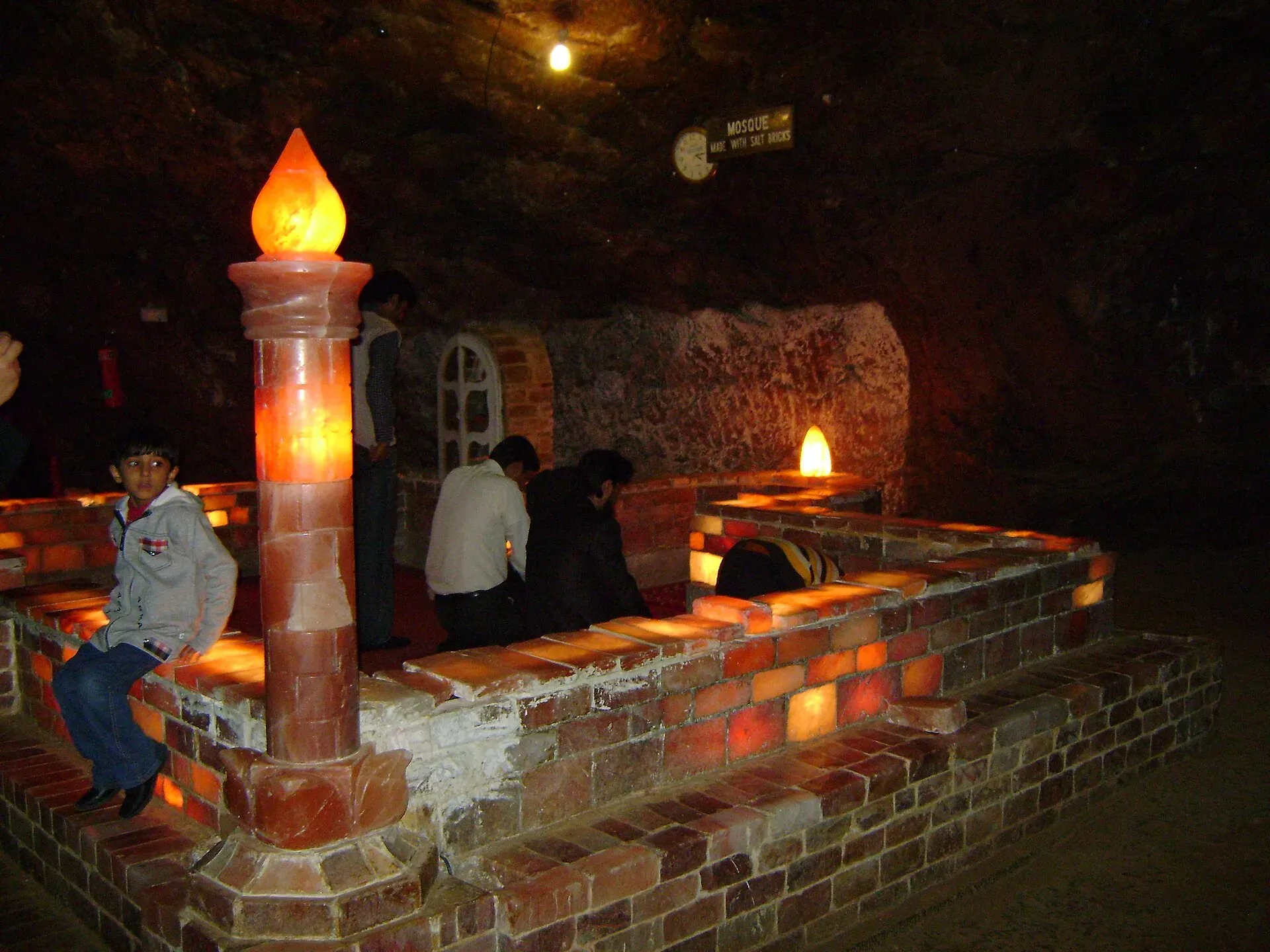
Photo: Mr. Shamayel Afzal Khan, with thanks · CC BY-SA 4.0 · via Wikimedia Commons · temporary stand-in photo
Planning tips
- Combine nearby places into one trip, for example Lahore, Taxila and Rohtas or Hunza, Skardu and Deosai.
- Start northern trips in June for roads and passes; heritage trips suit October to March.
- Entry fees and permits change. Where charges apply, current fees will be added soon.
- Hire licensed local guides and stay in local guesthouses.
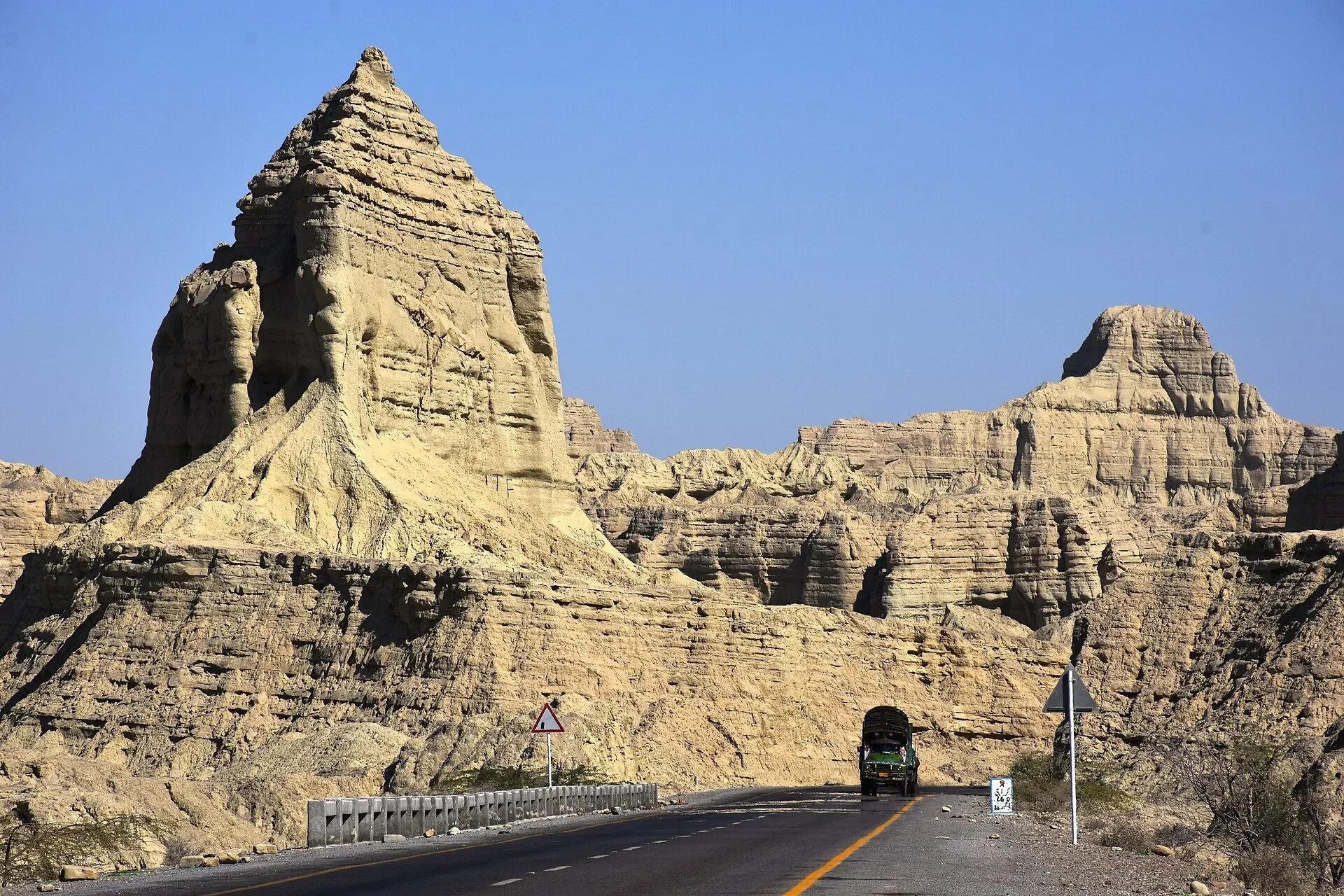
Photo: Asad.aman83, with thanks · CC BY-SA 4.0 · via Wikimedia Commons · temporary stand-in photo
More photos
Sources and last checked
Last checked Confidence medium17 sources5 still to check
- Last checked
- Method
- Desk research from published sources
- Confidence
- medium
- Checked by
- trek.pk research team
Researched from published sources; not yet checked on the ground by our team. Spot something out of date? Report a mistake.
Sources
- Karakoram Highway · Wikipedia · checked
- Hunza Valley · Wikipedia · checked
- Central Karakoram National Park · Wikipedia · checked
- Fairy Meadows · Wikipedia · checked
- Nanga Parbat · Wikipedia · checked
- Deosai National Park · Wikipedia · checked
- Gemstones of Pakistan · Wikipedia · checked
- Kalash people · Wikipedia · checked
- Shandur Polo Festival · Wikipedia · checked
- Swat Valley · Wikipedia · checked
- Neelum District · Wikipedia · checked
- List of World Heritage Sites in Pakistan · Wikipedia · checked
- Khewra Salt Mine · Wikipedia · checked
- Hingol National Park · Wikipedia · checked
- Ziarat Juniper Forest · Wikipedia · checked
- Margalla Hills · Wikipedia · checked
- Gilgit-Baltistan bans seasonal hotels in Deosai (18 December 2025) · Dawn · checked
Still to be checked on the ground (5)
- Khunjerab road height: Wikipedia gives 4,714 m for the highway (citing Concordia Expeditions and Lonely Planet) and 4,693 m for the pass (no citation); stated in the text as about 4,700 m
- Festival dates (Shandur 7-9 July, Chawmos about 7-22 December) change; confirm each year (an Express Tribune headline cited on Wikipedia reports the 2025 Shandur final on 23 June 2025)
- Entry fees, permits and opening times not confirmed
- Karakoram Highway section opening dates and Neelum access change; check road status
- One-line descriptions of the six World Heritage sites are general knowledge and should be checked against UNESCO (the six sites and their years match Wikipedia's list)


