

Why Pakistan suits birders
Published lists put the national total anywhere from about 670 to nearly 800 species, depending on the checklist and how it counts rarities. The reason is geography. Himalayan forests, high meadows, desert, farmland, lakes, river plains and a long sea coast sit in one country, and the Indus valley is a major route for migrating birds. This article is a planning guide for seasons and places. Our article on the birds of Pakistan has the species detail.
Winter: wetlands on the Indus flyway
Every autumn and spring, huge numbers of waterbirds travel between Central and northern Asia and wintering grounds in South Asia. Many follow the Indus valley, a route often called the Indus Flyway, part of the larger Central Asian Flyway. Pakistan has 19 Ramsar wetlands of international importance, covering about 1.34 million hectares.
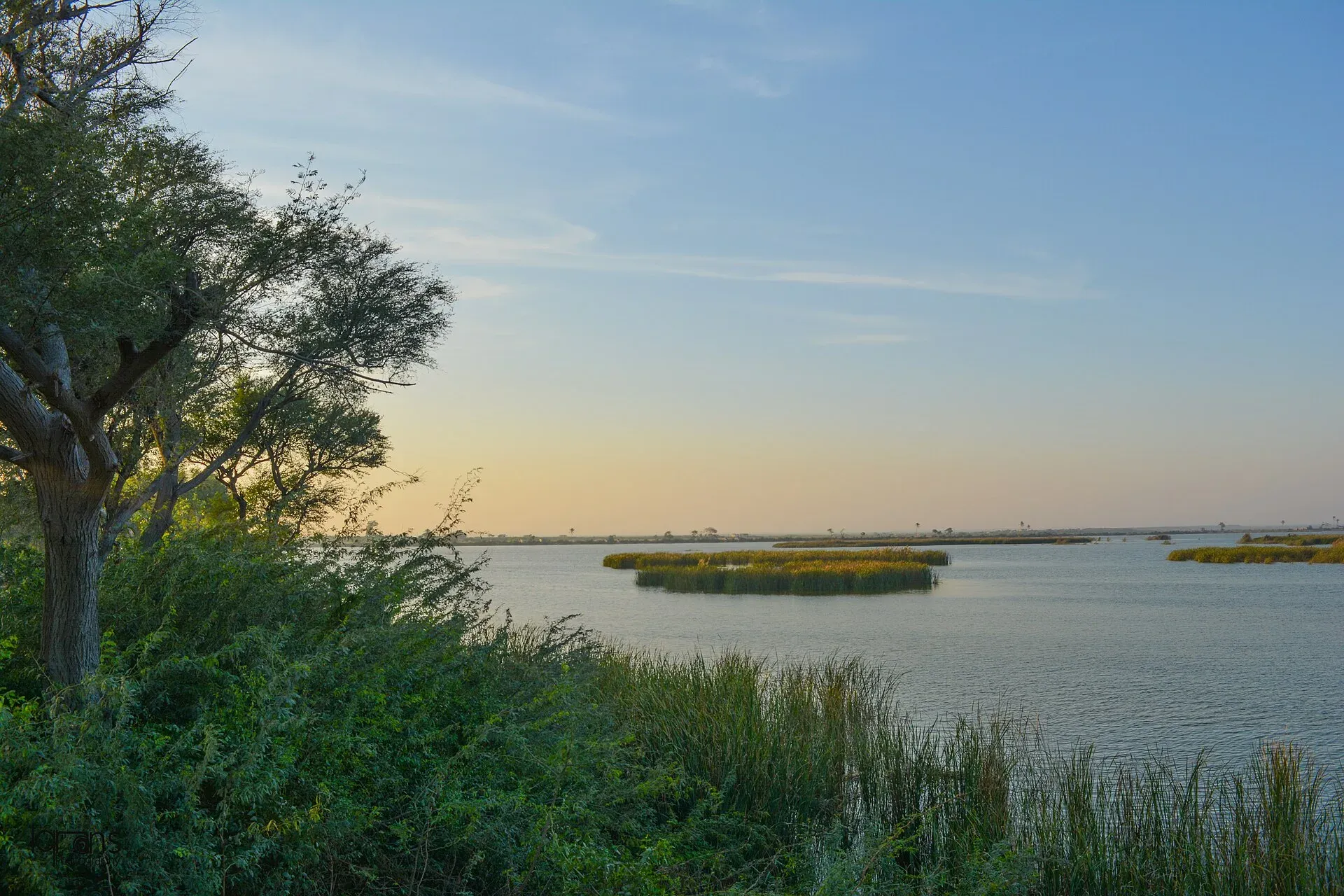
Photo: Iqran Rasheed, with thanks · CC BY-SA 4.0 · via Wikimedia Commons · temporary stand-in photo
In Sindh, the Sindh Wildlife Department counted 545,258 migratory waterbirds across 30 major wetlands in the 2024-25 season, down 14.68 per cent from 639,122 the season before. The largest count, 155,068 birds, was at Nareri Lagoon in Badin, and the Rann of Kutch Wildlife Sanctuary was the worst hit. Officials pointed to fewer water bodies, low rain, water scarcity and climate change, so numbers are not guaranteed.
- Haleji Lake (Sindh). About 90 km by road from central Karachi, Haleji was a saline lagoon until the 1930s and became a freshwater reservoir for Karachi, with its feeder canal from the Indus completed in 1943. It was designated a Ramsar site in 1976. It is a wintering site for waterfowl, so go between November and February. Species recorded there include cotton teal, Indian spot-billed duck, purple moorhen and pheasant-tailed jacana. Water supply varies, so ask locally about water levels before you go.
- Keenjhar Lake (Sindh). A day trip from Karachi and a named wintering site for migratory waterbirds. Ask locally about access and water quality, and do not swim.
- Manchar Lake (Sindh). A large Sindh wetland on the Indus flyway. We have not confirmed current bird numbers or boat arrangements, so ask locally. Winter is the usual time for waterbirds.
- Indus Dolphin Reserve (Sindh). Between Guddu and Sukkur Barrages, a river stretch protected for the Indus river dolphin, which is Endangered; sightings are never guaranteed.
- Chashma Barrage (Punjab). A Ramsar barrage lake in Mianwali District used by wintering waterfowl, so winter is the time to go. We have not confirmed which species or crane passage dates to expect, so check recent eBird records.
- Taunsa Barrage (Punjab). A Ramsar barrage and wildlife sanctuary in Dera Ghazi Khan District that Wikipedia describes as a critical wintering place for ducks, geese and swans, with some cranes and shorebirds staging there. It also has Indus river dolphins.
Spring and summer: mountains
- Margalla Hills, Islamabad. More than 430 bird species have been recorded in and around the hills, and the trails above the city are among the easiest places to start. Go early in the morning.
- Deosai Plains. The park is only accessible in summer. Golden eagle, lammergeier and Himalayan snowcock are among more than 124 resident and migratory species listed.
- Kaghan, Palas and Kohistan forests. The Himalayan monal, whose male has a metallic green crest and coppery back, has been recorded in Kaghan and the Palas valley. The western tragopan is a shy forest pheasant listed as Vulnerable, with a world population estimated at under 5,000 and five known populations in Kohistan and the Kaghan valley. Most visitors never see a tragopan, so go only with an experienced local guide.
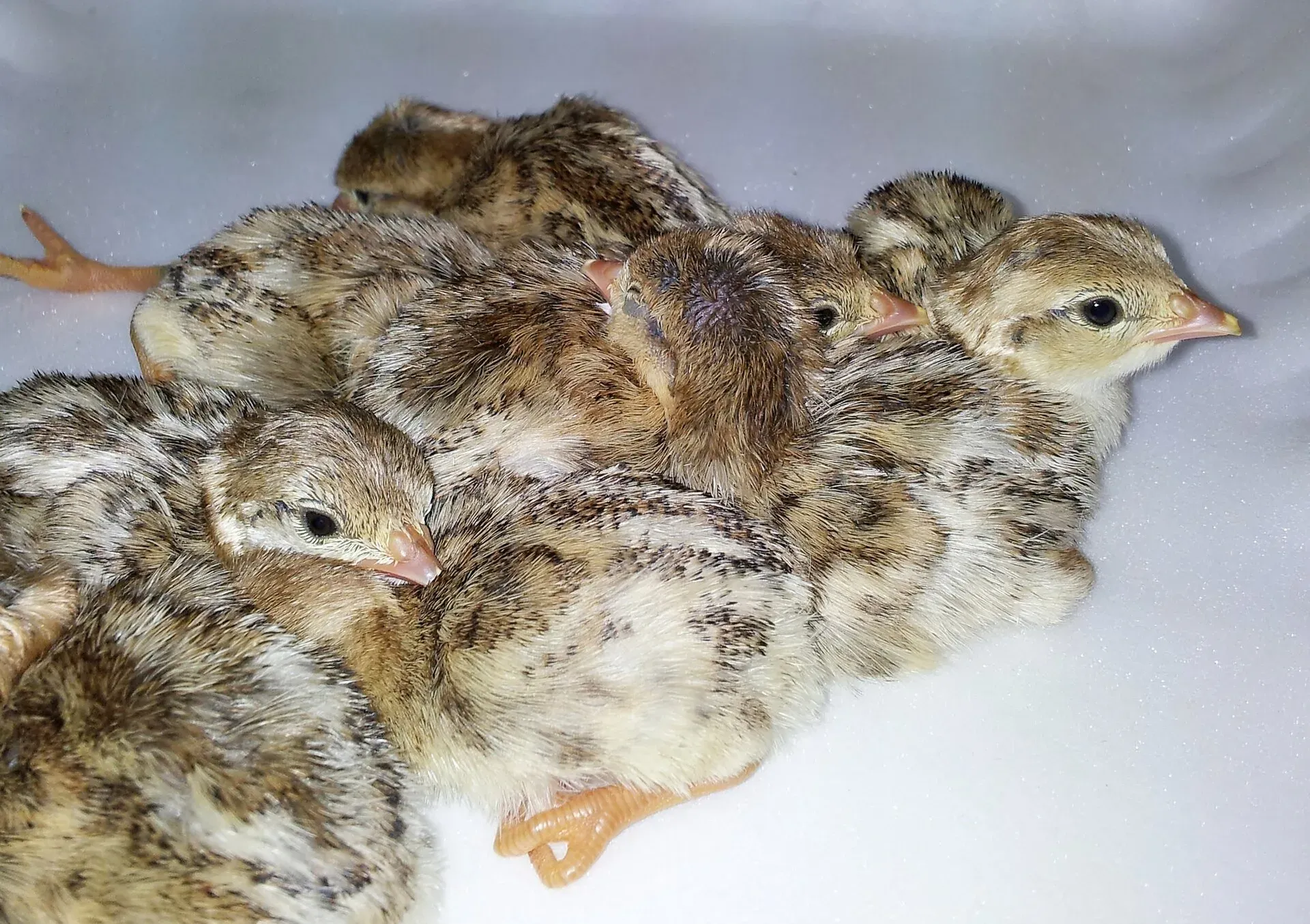
- Chukar partridge. Pakistan's national bird lives on rocky, open hillsides across the north. Its loud chuck-chuck-chukar call is one of the sounds of the hills.
A simple calendar
- November to February: the Sindh and southern Punjab wetlands.
- March and April: spring passage and forest birds in Margalla and the Galyat.
- May to August: high meadows and plateaus such as Deosai; forest pheasants with a guide.
- September to October: autumn passage on the Indus flyway.
What to bring
- Binoculars and a field guide or an offline bird app
- A hat, sun cream and water; wetlands have little shade
- Warm layers for early starts and winter evenings
- A notebook or app for lists, and a camera with a long lens if you have one
- Boots with grip for muddy banks
Ethics and permissions
- Keep your distance and stay on marked paths.
- Do not use calls or recorded sounds to attract rare birds, and do not use flash near nests or roosts.
- Do not feed or chase birds, and keep dogs and drones away. Ask the wildlife department before flying a drone.
- Hunting, trapping and fishing without permission are not allowed in wildlife sanctuaries.
- Take every piece of litter with you.
- Ask the Sindh Wildlife Department or the Punjab Wildlife & Parks Department about entry arrangements. A fee may apply. Current fees will be added soon.
Hiring a guide
Local guides know where birds gather and which paths are open. For the forests of Kaghan and Kohistan, a local guide is strongly advisable. Ask your hosts or a licensed operator, and agree on what is included before you go.
Before you go: travel advice
Ask the district administration or local police about current conditions before you go. For foreign visitors: the UK FCDO page for Pakistan (updated 27 October 2026, checked 17 November 2026) advises against all but essential travel to Sindh north of and including Nawabshah, and to Dera Ghazi Khan. Taunsa Barrage Wildlife Sanctuary is in Dera Ghazi Khan District, and part of the Chashma reservoir lies across the river in Khyber Pakhtunkhwa, so check the live page for both. It advises against all travel on the Karakoram Highway between Mansehra and Chilas, to Balochistan, to Swat, Kohat and Upper and Lower Dir, and on the N-45 up to the edge of Chitral city. Haleji, Keenjhar and the Indus Delta lie south of the Nawabshah line, and the Margalla Hills and Gilgit-Baltistan are not named. Kaghan is not named in our summary of the advice, but check the live page.


