

Photo: CR Guru PK, with thanks · CC BY-SA 4.0 · via Wikimedia Commons · temporary stand-in photo

Taxila Museum
A site museum near Taxila with one of Pakistan's finest collections of Gandharan Buddhist sculpture, coins and everyday objects from the ancient cities and stupas of the valley.
Overview
Taxila Museum stands by the Bhir Mound in Taxila, in Rawalpindi district. It is the site museum for the ancient cities and Buddhist monasteries of the Taxila valley, which is a UNESCO World Heritage Site. Wikipedia describes its Gandharan collection as one of the most significant and comprehensive collections of stone Buddhist sculpture in Pakistan. Most of the objects were found in the valley itself, mostly in the excavations led by Sir John Marshall, which began in 1917 and ran to 1934.
Plan your visit
- Nearest town
- Taxila
- Opening hours
- Official site (checked 16 Nov 2026): Saturday to Thursday, 9 am to 4 pm; winter 9 am to 4 pm, summer 8:30 am to 5 pm; closed the first Monday of each month and on Islamic holidays. Confirm before you go.
- Entry fee
- Rs 20 (adults), Rs 10 (children up to 12), Rs 500 (foreigners). Source: Taxila Museum website, checked 16 November 2026.
- Getting there
Taxila is on the Grand Trunk Road about 30 km west of Islamabad (OSRM gives about 32 km and 28 minutes to the museum; allow about an hour in traffic). The museum is at Shahpur Road, near the Bhir Mound. More
Best months
Oct – Apr
- Taxila Museum
- Related places nearby: Dharmarajika Stupa, Jaulian, Bhamala Stupa, Mankiala Stupa, Pharwala Fort, Rawalpindi, Islamabad
What to see and do
The museum's official website lists galleries for Gandhara art, household objects, tools and weapons, jewellery, and stucco sculptures. It says about 7,000 objects are on display and about 30,000 more are in reserve. Wikipedia gives a smaller figure for the display (about 4,000), so the count varies with the source.
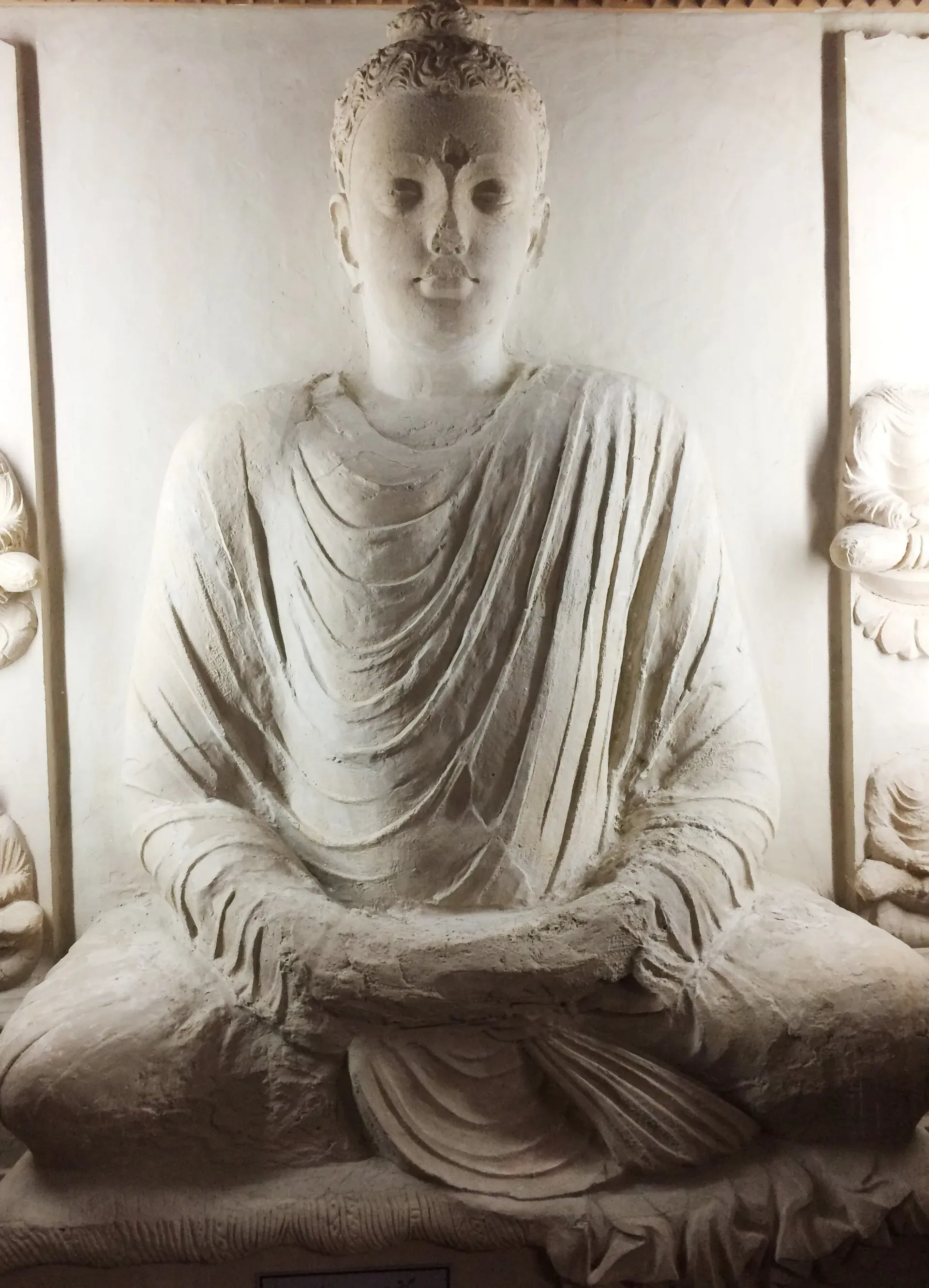
- Gandharan sculpture. Stone and stucco figures of the Buddha, bodhisattvas and scenes from the Buddha's life, dating from roughly the 1st to the 7th century CE. A 4th-century meditating Buddha is the piece most often photographed.
- Stucco heads and reliefs from the valley's Buddhist stupas and monasteries.
- Coins. The museum holds most of the coins found in the Taxila excavations, from the Indo-Greeks to the late Kushans. Some are published in Marshall's excavation reports.
- Everyday objects. Pottery, iron tools, weapons and jewellery from the three successive cities of ancient Taxila (Bhir Mound, Sirkap and Sirsukh). The objects are in stone, stucco, terracotta, silver, gold, iron and semiprecious stones, most dating from about 600 BCE to 500 CE, with Buddhist, Hindu and Jain material.
- Where the finds come from. Wikipedia says the collection draws on three ancient cities, more than two dozen Buddhist stupas and monasteries and Greek temples in the area. Other Gandharan pieces came from elsewhere in Gandhara, from donations such as the Ram Das collection, and from items seized by police and customs.
History
Building work began in 1918 with a foundation stone laid by Lord Chelmsford, then Viceroy of India. The museum was completed in 1928 and opened by Sir Muhammad Habibullah. Marshall, Director General of the Archaeological Survey of India, was due to retire in 1928 and could not finish his original plan. The Government of Pakistan added a northern gallery in 1998.
When to visit
Autumn to spring is best. Summers in the Taxila plain are hot, so go early and combine the museum with the outdoor sites.
Where to stay and eat
Most visitors stay in Islamabad or Rawalpindi and make Taxila a day trip. See Taxila for the town and its sites.
Good to know
- Hours (official site, checked 16 November 2026): the header says Saturday to Thursday, 9 am to 4 pm. The footer says winter 9 am to 4 pm and summer 8:30 am to 5 pm. The site also says the museum is closed on the first Monday of each month and on Islamic holidays. The details do not match exactly, so confirm before you go.
- Tickets (official site, checked 16 November 2026): Rs 20 for adults, Rs 10 for children (up to 12 years) and Rs 500 for foreigners.
- Photography and accessibility: not stated on the website. Ask at the entrance.
- Nearby: Dharmarajika, Jaulian, Bhamala and Mankiala stupas, and Pharwala Fort, are within reach by car. Go to the museum first for context, then visit the sites.
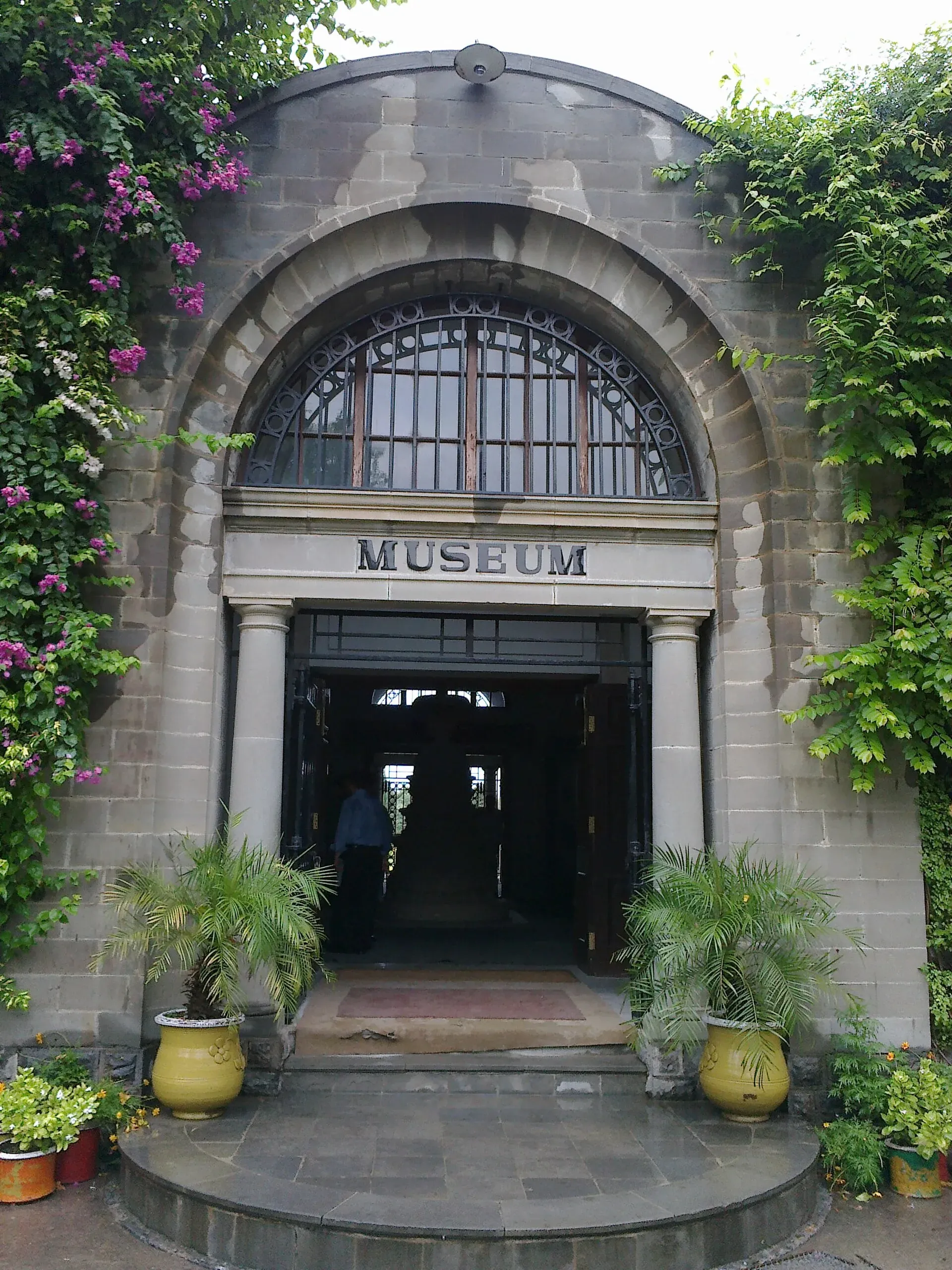
Photo: Khalid Mahmood, with thanks · CC BY-SA 3.0 · via Wikimedia Commons · temporary stand-in photo

Highlights
- Major Gandharan sculpture collection
- About 7,000 objects on display (official site)
- Finds from Bhir Mound, Sirkap and the valley's stupas
- Meditating Buddha of the 4th century
- Opened in 1928
Getting there
Taxila is on the Grand Trunk Road about 30 km west of Islamabad (OSRM gives about 32 km and 28 minutes to the museum; allow about an hour in traffic). The museum is at Shahpur Road, near the Bhir Mound. Taxila also has a railway station. From Islamabad or Rawalpindi, take a taxi, ride-hailing car or bus to Taxila, then a local rickshaw to the museum.
Tips
- Visit the museum before the outdoor sites for context.
- Check the hours: the official site shows two different schedules.
- Bring water and sun protection if you plan to see the stupas the same day.
Sources and last checked
Last checked Confidence medium4 sources3 still to check
- Last checked
- Method
- Desk research from published sources
- Confidence
- medium
- Checked by
- trek.pk research team
Researched from published sources; not yet checked on the ground by our team. Spot something out of date? Report a mistake.
Sources
- Taxila Museum (official website) · Government of the Punjab · checked
- Taxila Museum · Wikipedia · checked
- Pakistan Tourism Guide 2021 (museums list) · Trade Development Authority of Pakistan (TDAP) · checked
- OSRM driving routes (Islamabad to Taxila Museum) · OSRM · checked
Still to be checked on the ground (3)
- Opening days: the official site header says Saturday to Thursday, 9 am to 4 pm, while its footer says every day except the first Monday of each month and Islamic holidays, with seasonal hours (re-read on 17 Nov 2026; still contradictory)
- Ticket prices (official site, re-read 17 Nov 2026: Rs 20 adults, Rs 10 children, Rs 500 foreigners; confirm at the desk)
- Photography rules and accessibility (not stated on the official site or Wikipedia)
Nearby and related

Dharmarajika Stupa
The largest stupa in the Taxila region, linked by tradition to Emperor Ashoka and later rebuilt under the Kushans. Part of the Taxila World Heritage Site, inscribed in 1980.

Jaulian
A 2nd-century Buddhist monastery on a hilltop at Taxila, with stupas, chapels and stucco carvings. Part of the Taxila World Heritage Site, inscribed in 1980.

Bhamala Stupa
A Buddhist monastery complex beside the Haro River near Khanpur Dam, Haripur, with a rare cross-shaped stupa. It joined UNESCO's tentative list in 2026.

Mankiala Stupa
A large ruined Buddhist stupa at Tope Mankiala near Rawalpindi, linked to the Kushan emperor Kanishka and a Jataka tale of a prince feeding tiger cubs. Not on the UNESCO lists.

Pharwala Fort
A ruined Gakhar fort above the Soan River, about 35 to 40 km from Rawalpindi. Added to Pakistan's UNESCO tentative list in 2026. Access is rough and the site is still fragile.

Rawalpindi
Islamabad's older twin city: a busy bazaar and cantonment, the north's main rail and bus hub, and an easy base for Taxila and Murree.

Islamabad
Pakistan's green, planned capital at the foot of the Margalla Hills: Faisal Mosque, hillside trails, cafes and the gateway to the north.