

Why Lahore for a weekend
Lahore is Punjab's capital and Pakistan's second-largest city, and it packs more Mughal history, street food and green space into a small area than anywhere else in the country. Most of what a visitor wants is within a few kilometres of the Walled City, so two nights are enough for a good first look. The UK government's Pakistan page (updated 27 October 2026) does not name Lahore in its areas of advice, though Dera Ghazi Khan and the border strip are listed separately and the Wagah crossing is closed to travellers. Read the live page before you book.
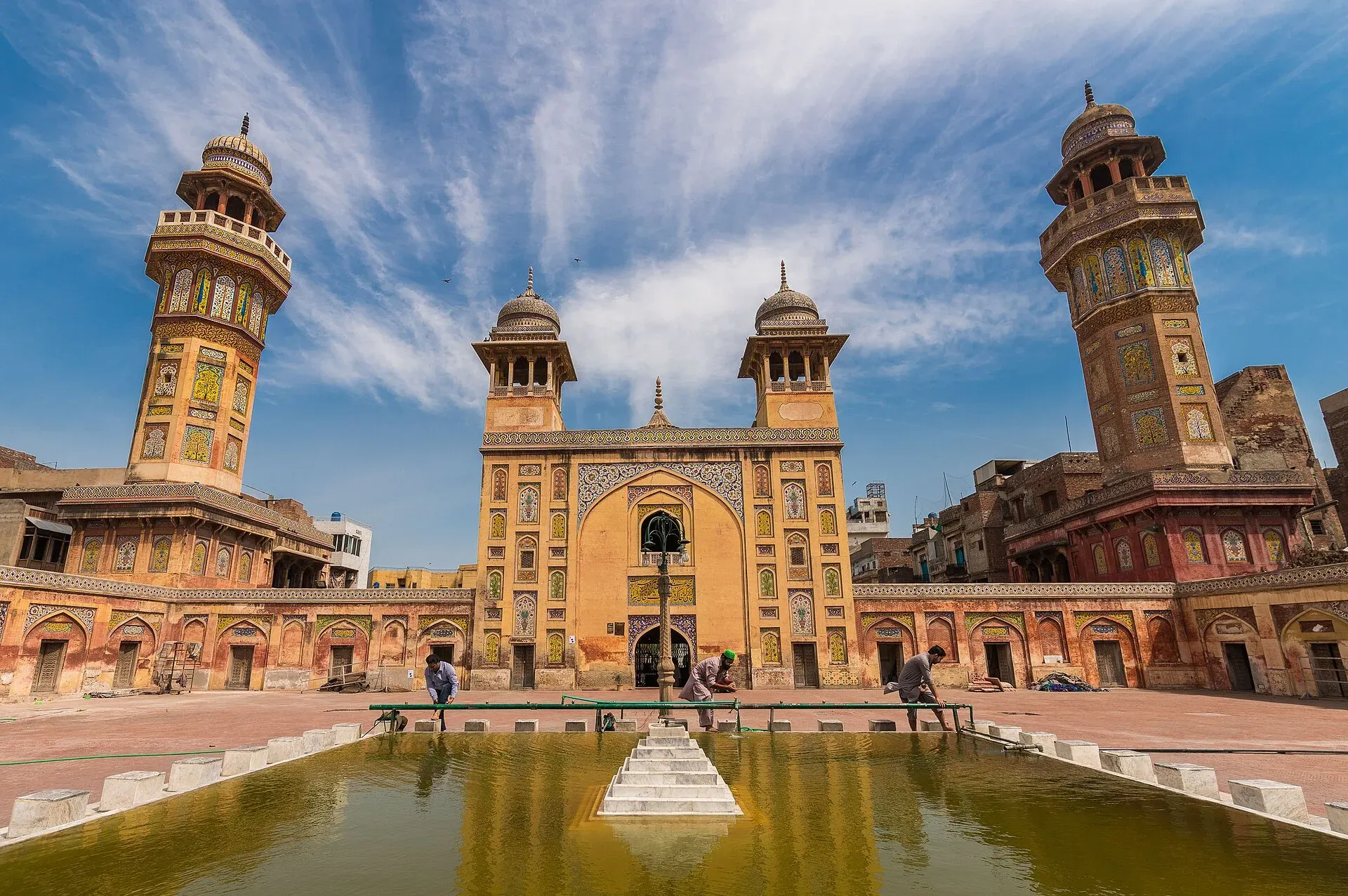
Photo: Moiz Ismaili, with thanks · CC BY-SA 4.0 · via Wikimedia Commons · temporary stand-in photo
How to plan the two days
Lahore is hot from May to August, and the best months are October to March. In summer, do the outdoor sights at first light and eat late. The Walled City is best on foot, with a driver or ride-hailing app to move between districts. Dress modestly, carry a scarf for mosques and shrines, and bring socks if the marble is hot underfoot.
Day one: the Walled City
Morning: Wazir Khan Mosque and the Royal Road. Start inside the old city, near Delhi Gate. Wazir Khan Mosque was built between 1634 and 1641 and is covered in tile mosaic and painted plaster. Restoration has been under way since 2004, led by the Aga Khan Trust for Culture with the Government of Punjab, and the Royal Road between the mosque and Delhi Gate was restored between 2012 and 2015. Dress modestly and remove your shoes. It is a working mosque, so be quiet at prayer times.
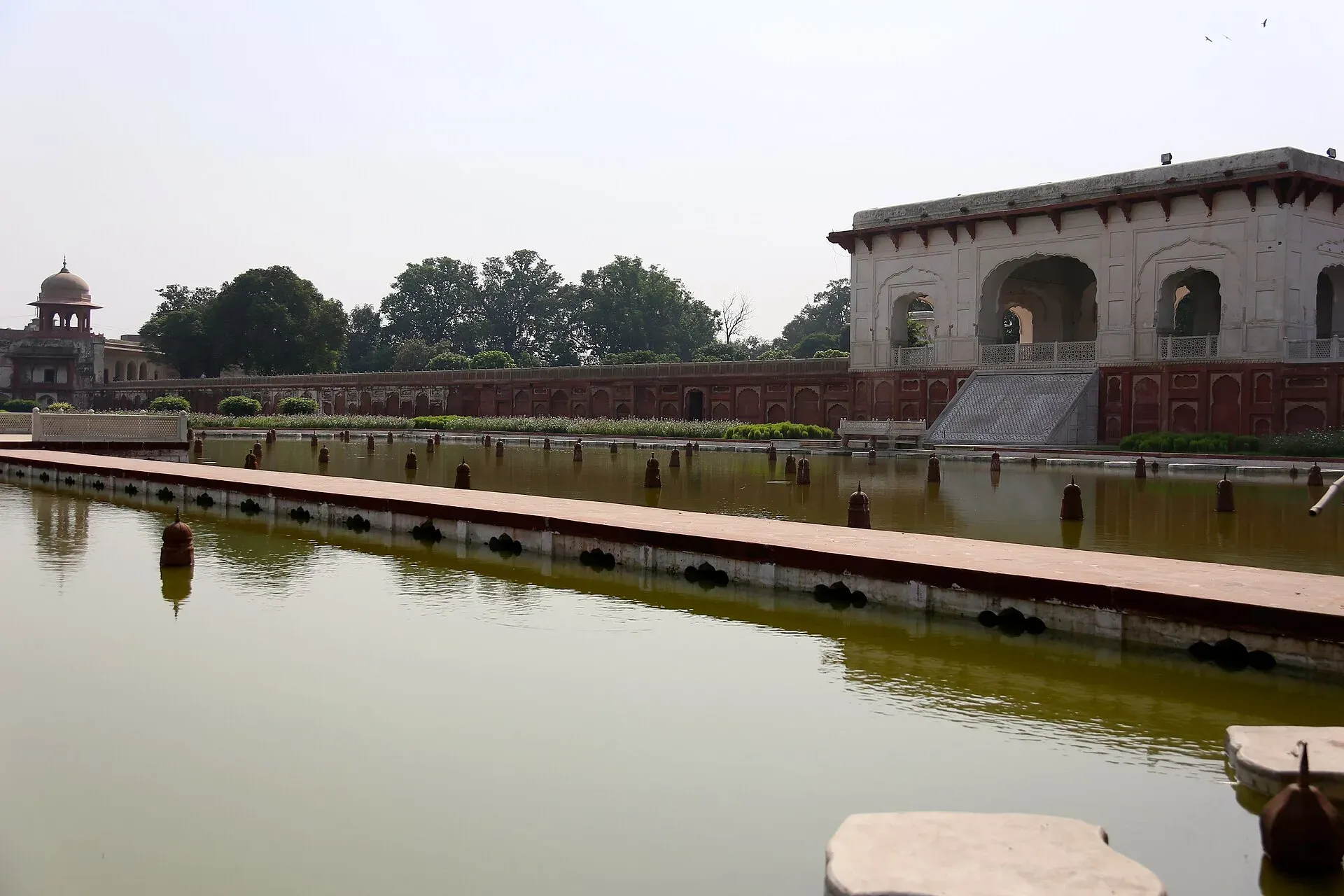
Photo: Aun Muhammad, with thanks · CC BY-SA 4.0 · via Wikimedia Commons · temporary stand-in photo
Late morning: Lahore Fort. The citadel at the northern edge of the Walled City covers more than 20 hectares and holds 21 notable monuments. UNESCO inscribed it in 1981 together with the Shalimar Gardens. Look for the Alamgiri Gate, the Diwan-i-Aam hall, the Sheesh Mahal (Palace of Mirrors) and the long tiled Picture Wall, begun under Jahangir. The Walled City of Lahore Authority announced night opening from 7 pm to 11 pm (Express Tribune, 16 October 2026). The fort's official website lists daytime opening from 8 am to half an hour before sunset. A ticket applies; current fees will be added soon.
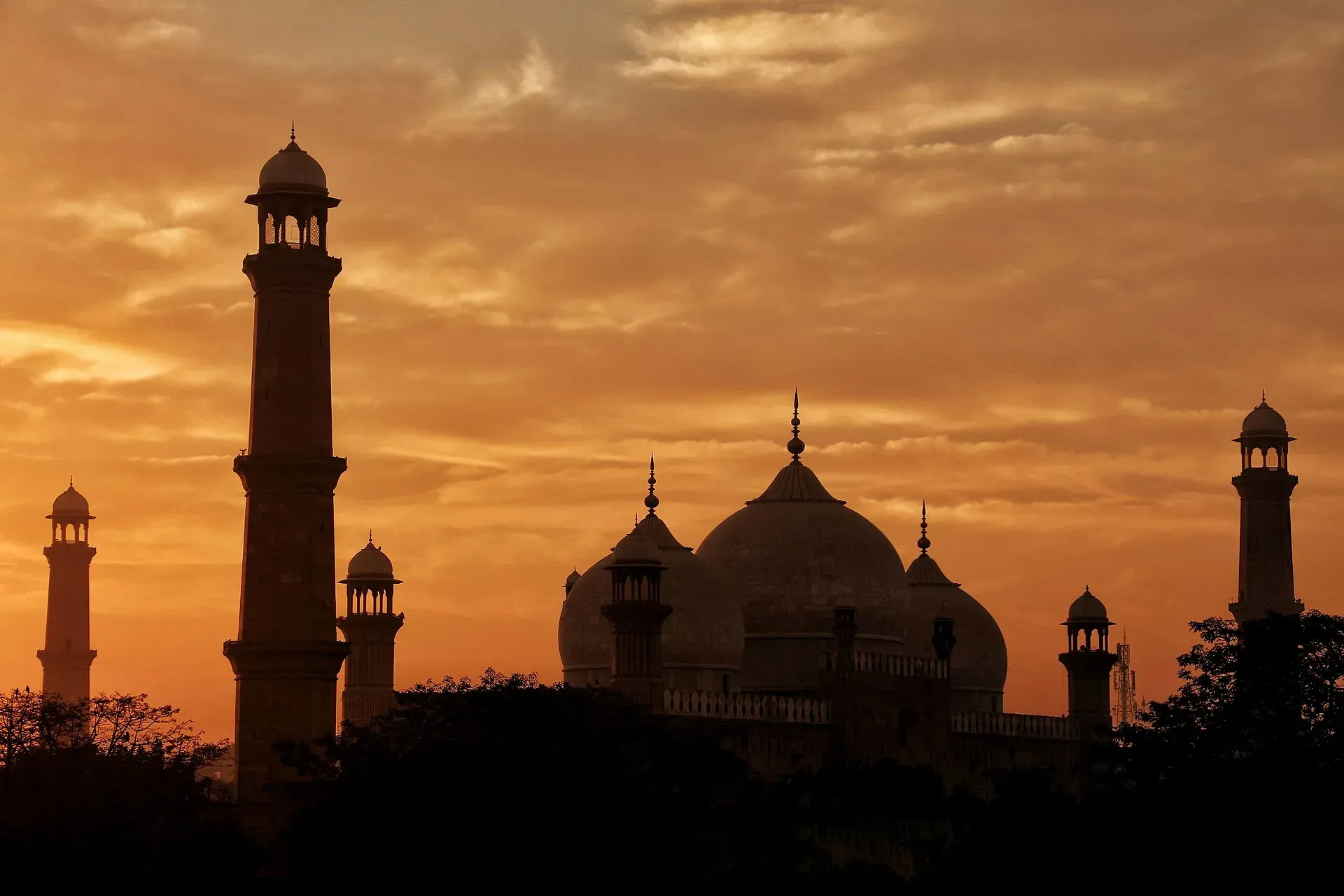
Midday: Badshahi Mosque. It faces the fort across Hazuri Bagh. Aurangzeb commissioned it in 1671, and it opened in about 1673 to 1674. It is one of the best-known landmarks in Pakistan, with red sandstone walls and white marble domes. It has been on Pakistan's UNESCO tentative list since 1993, which means it is proposed for World Heritage status but not inscribed.
Evening: Fort Road Food Street. The Punjab government opened this planned food street in January 2012, beside the Walled City. Eat a little, watch the mosque and fort lit up, and go home early or stay late. Your hotel may suggest quieter options.
Day two: gardens, museum and the old food lanes
Early morning: breakfast in Gawalmandi. The old food neighbourhood is known for halwa puri, with chickpeas and potato curry, and in winter for nihari and paye. Go before about 10 am, because the best pots can sell out. Choose busy counters, drink only sealed water and eat hot food.
Morning: Lahore Museum. On The Mall, in a red-brick Indo-Saracenic building from 1894. The museum's own website says it is the oldest and largest in Pakistan, with about 60,000 objects, and lists 13 galleries. The best-known object is the Fasting Buddha from Gandhara. According to the museum's official site, admission is Rs 50 for adults, Rs 20 for students and children and Rs 1,000 for foreigners. Opening hours are shown as Saturday to Thursday, 9 am to 4 pm in winter and to 5 pm in summer, closed on Fridays and the first Monday of each month. Confirm before you go.
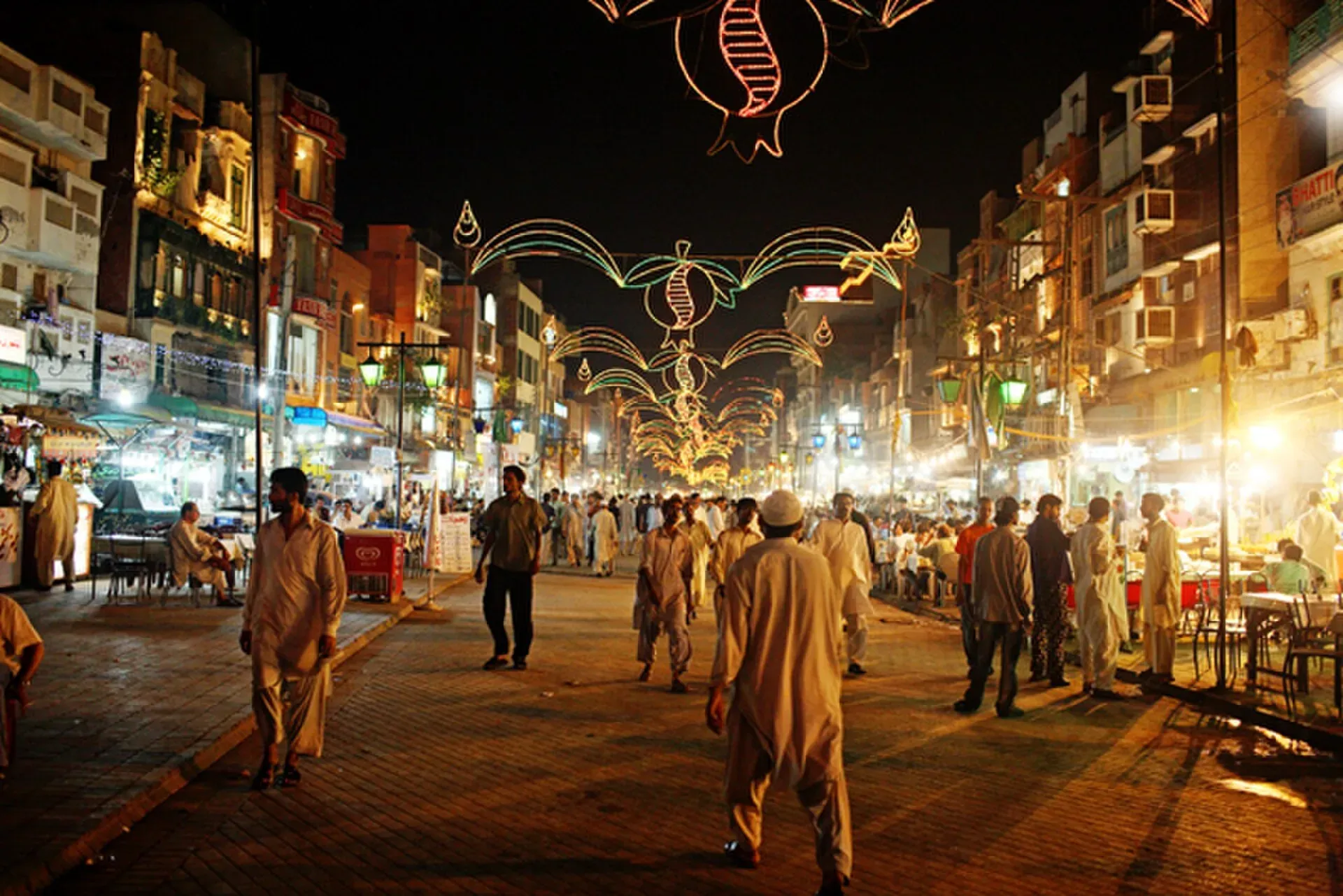
Photo: Kamran Ali, with thanks · CC BY-SA 3.0 · via Wikimedia Commons · temporary stand-in photo
Afternoon: Shalimar Gardens. A Mughal terraced garden begun in 1641, with 414 fountains on three levels, built for Shah Jahan on the Grand Trunk Road. It is about 658 m long and 258 m wide, and it is noticeably cooler than the streets. UNESCO inscribed it with Lahore Fort in 1981. The walls and waterworks need repair, so expect some dry fountains. It is also part of the night opening announcement for 7 pm to 11 pm.
Evening: Data Darbar or Wagah. Data Darbar is the shrine of Ali al-Hujwiri, known as Data Ganj Bakhsh, a Sufi saint of the 11th century, and it is the largest Sufi shrine in South Asia. Security is tight and it is a place of worship, so dress modestly and ask before taking photos. The Wagah flag-lowering ceremony takes place daily before sunset. The UK government's advice says the crossing is closed but visitors can still attend the daily ceremony. Check current status first.
What to eat
- Breakfast: halwa puri, nihari, paye.
- Lunch and dinner: karahi, tikka, and chargha, a whole chicken marinated in spiced yogurt, steamed and fried.
- Snacks: samosa, chaat, gol gappay.
- Sweet and cool: jalebi, falooda, kulfi and lassi.
Where to stay
The Walled City has some heritage guesthouses. Gulberg and Model Town have the most mid-range and upscale hotels, with cafes and malls. Book through the hotel's own website or a trusted platform.
Practical notes
- Getting around: use ride-hailing apps or agree rickshaw fares first.
- Money: carry some cash. Cards are accepted at larger hotels and malls but not at street stalls.
- Fees: monument tickets apply; amounts not confirmed here except the Lahore Museum.
- Photography: ask before photographing people, and do not photograph military or government sites.
- Water: sealed bottled water only.
A quick checklist
- Choose cooler months or start at dawn.
- Carry a scarf, socks and a small bag for shoes.
- Start day one in the Walled City while it is quiet.
- Keep the evening for food.
- Check museum and monument hours the day before.
- Re-read the UK or home-country advice before you fly.


