

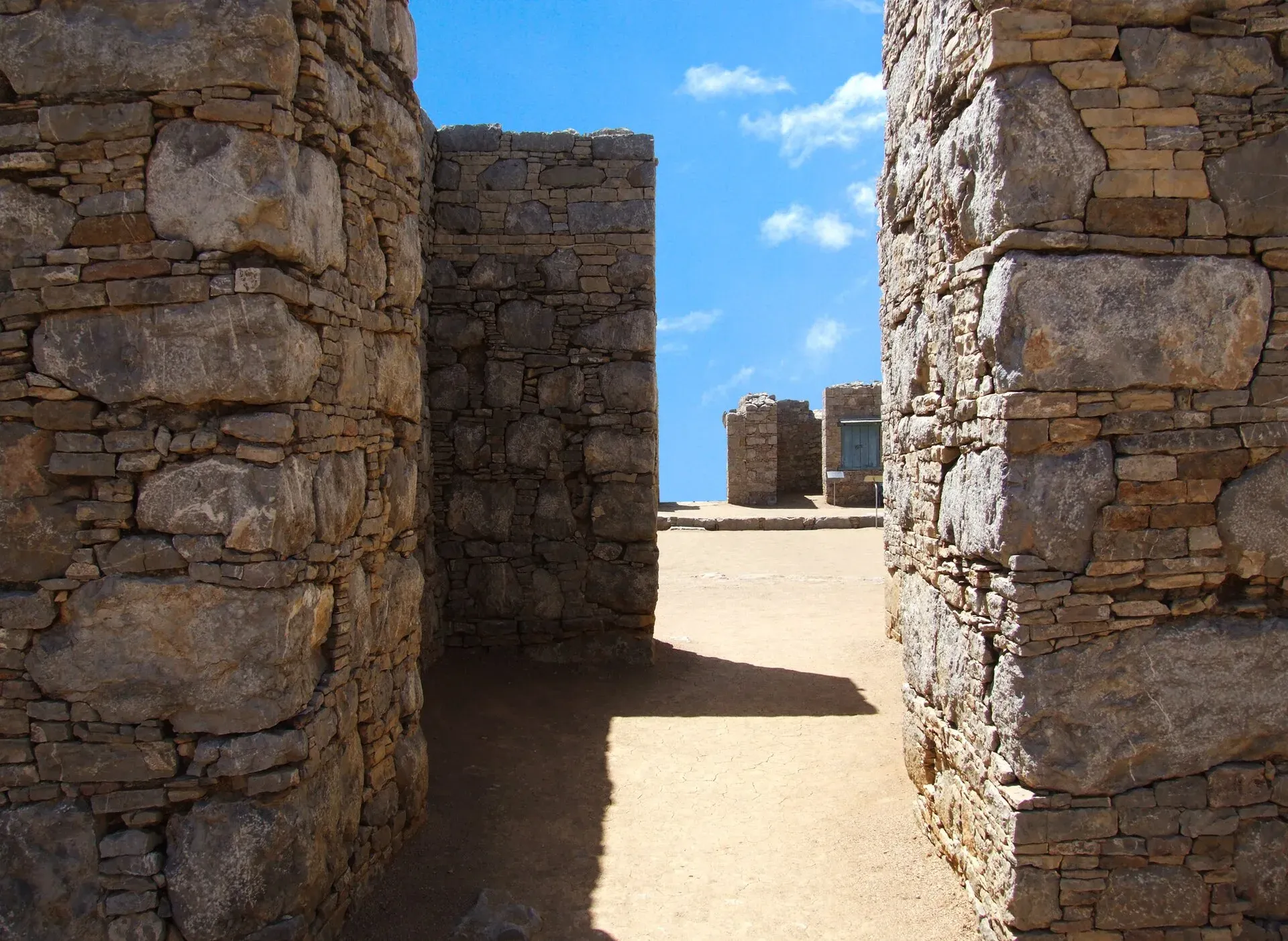
Photo: Amjad Sheikh, with thanks · CC BY-SA 3.0 · via Wikimedia Commons · temporary stand-in photo

Gandhara Buddhist Trail
A themed journey through the Buddhist stupas and monasteries of Gandhara: Taxila, Bhamala and Mankiala are open day trips from Islamabad; the great Khyber Pakhtunkhwa sites are currently advised against.
Customise this route Change the dates, stops and how you travel in the Road Trip Planner.
The story
Gandhara was the name of a kingdom and later a region around the Peshawar valley, Swat and Taxila. It sat where roads from Central Asia, Persia and the Indian plains met, and a long line of rulers passed through it. The Achaemenids set up a Gandhara satrapy in 518 BCE. Alexander the Great took Taxila in 326 BCE, when its king, Taxiles, surrendered without a fight. Gandhara joined the Maurya Empire in 321 BCE, and Buddhist texts say that Ashoka served as governor at Taxila before he became emperor.
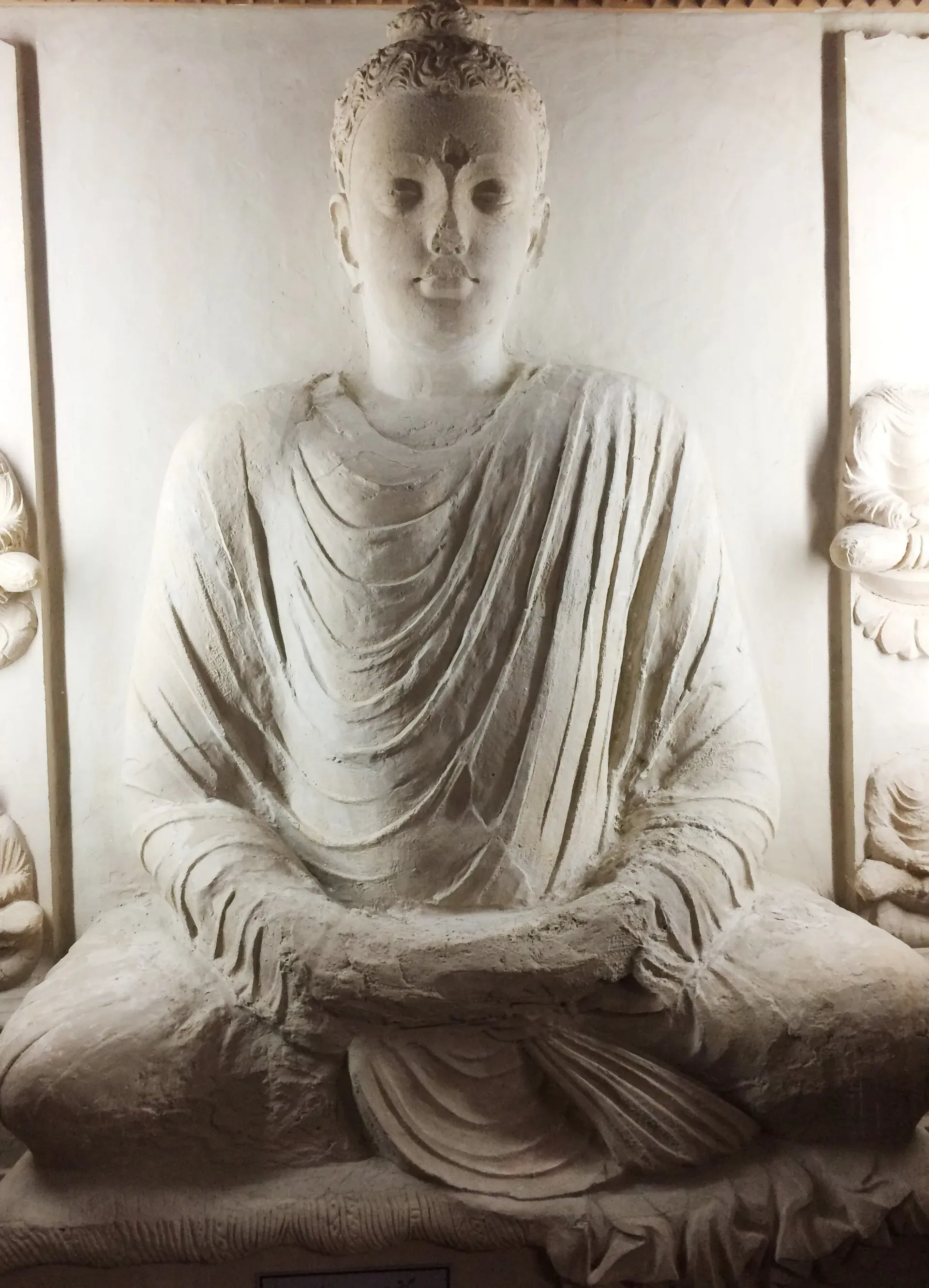
Photo: CR Guru PK, with thanks · CC BY-SA 4.0 · via Wikimedia Commons · temporary stand-in photo

Buddhism grew strong here under the Indo-Greeks and above all under the Kushans. Kanishka's reign, beginning around 127 CE, is described as the high point of Gandharan culture. Monasteries and stupas filled the hills around Taxila, in Swat and in Buner. Then the Alchon Huns swept through in the 460s CE and destroyed Buddhist monasteries and stupas at Taxila. When the Chinese monk Xuanzang came in 630 CE he found Taxila desolate and half ruined, and reported that Buddhism was in decline.
Timeline
- 518 BCE: Achaemenid Gandhara satrapy set up, capital at Pushkalavati (Charsadda).
- 326 BCE: Alexander takes Taxila; King Taxiles surrenders.
- 321 BCE: Gandhara becomes part of the Maurya Empire.
- 2nd century BCE: Sirkap city founded at Taxila, attributed to Greco-Bactrian kings.
- Early 1st century CE: Takht-i-Bahi monastery founded, in use until the 7th century.
- About 127 CE: Kanishka's reign begins; Gandharan culture at its height.
- 460s CE: Alchon Huns destroy monasteries and stupas at Taxila.
- 630 CE: Xuanzang visits and finds Taxila half ruined.
- 1980: UNESCO lists Taxila and Takht-i-Bahi as World Heritage Sites.
What you will see
Taxila (open to visit). The World Heritage area covers several sites within about 40 km of Islamabad. Start at Taxila Museum for the carved Buddhas and the story of the sites. Then see Sirkap, a planned city of the 2nd century BCE; the Dharmarajika Stupa, the biggest stupa in the area; and the hilltop monastery at Jaulian, with its stupas and stucco carvings.
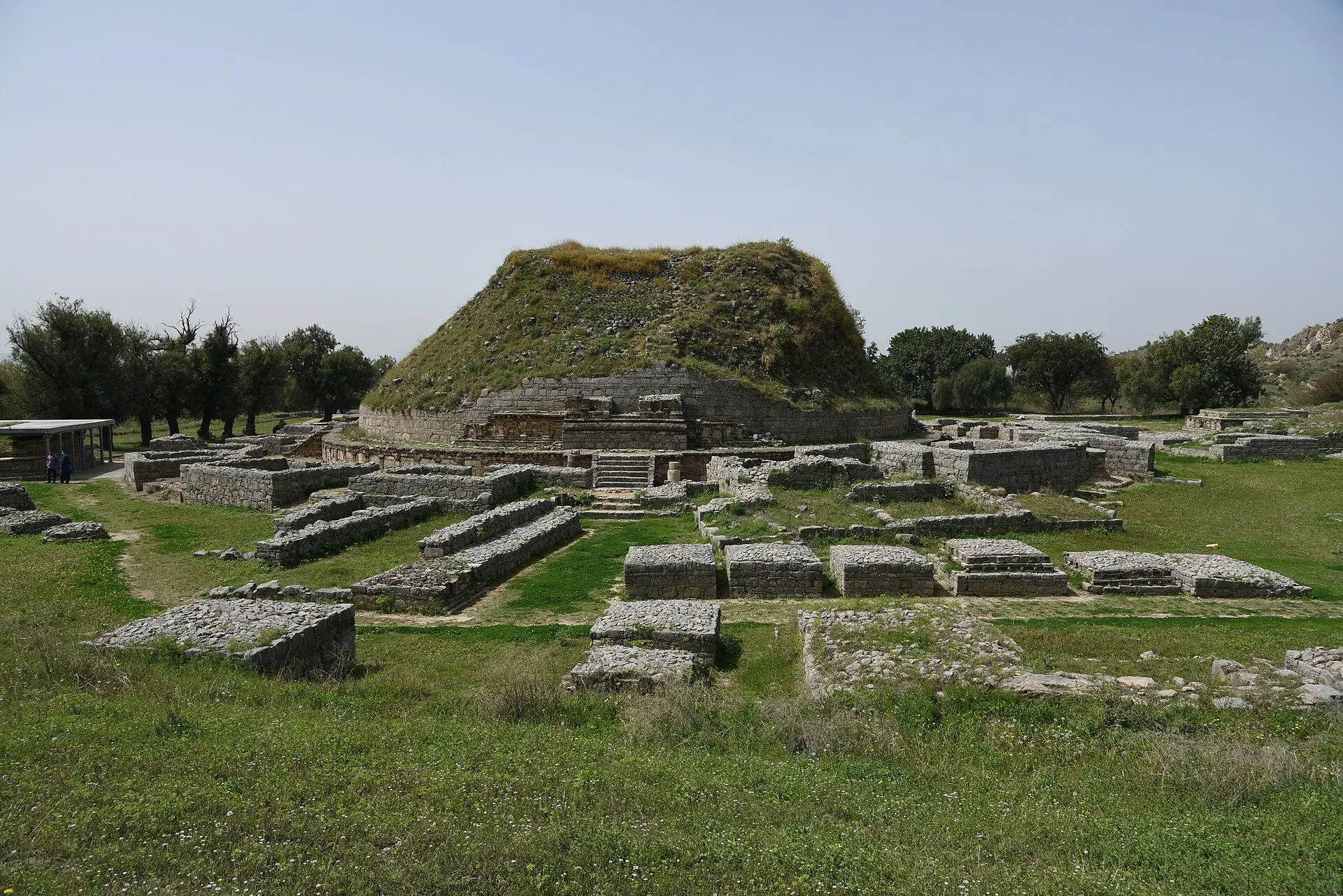
Photo: Mhtoori, with thanks · CC BY-SA 4.0 · via Wikimedia Commons · temporary stand-in photo

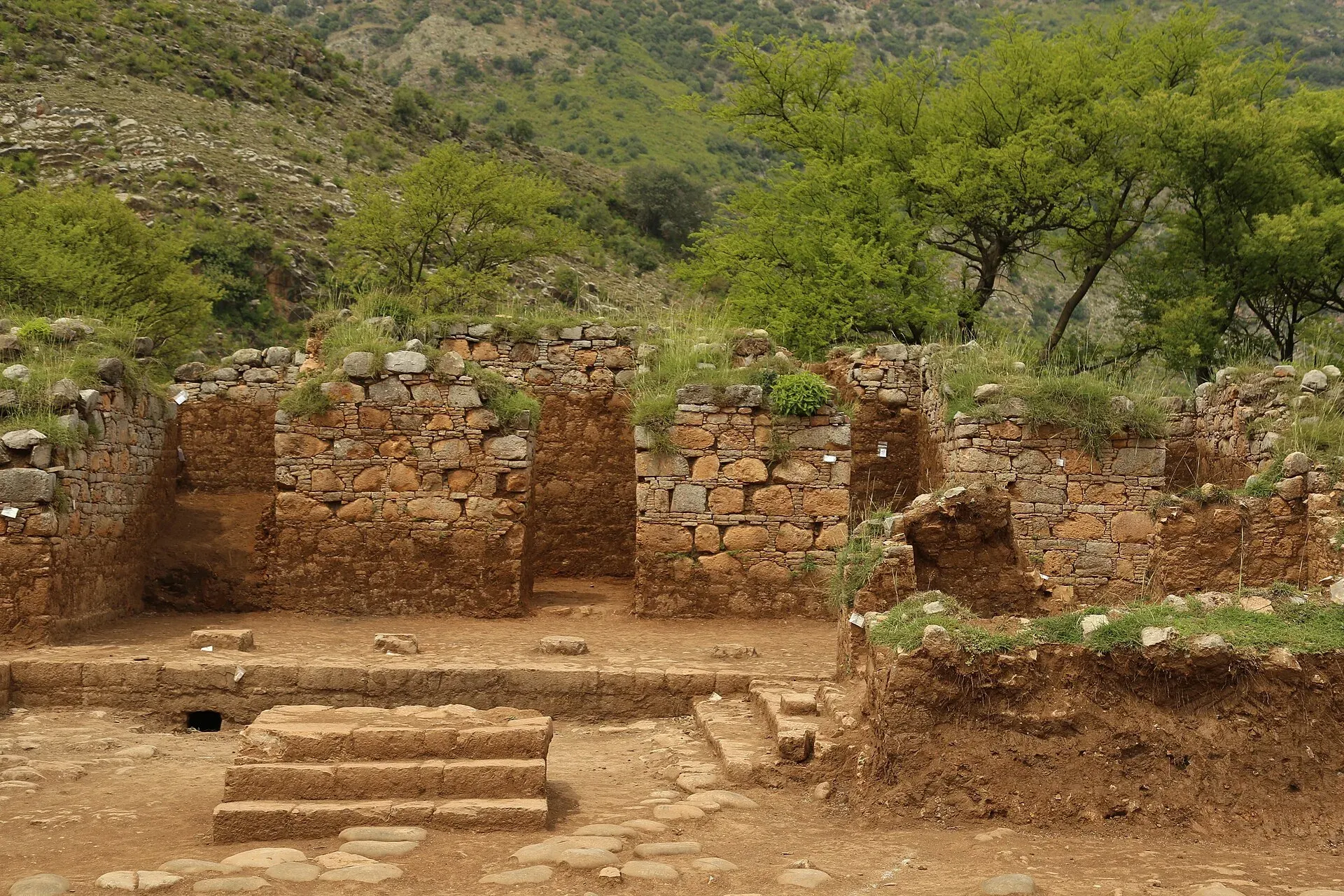
Photo: Ibrahimzauq, with thanks · CC BY-SA 4.0 · via Wikimedia Commons · temporary stand-in photo

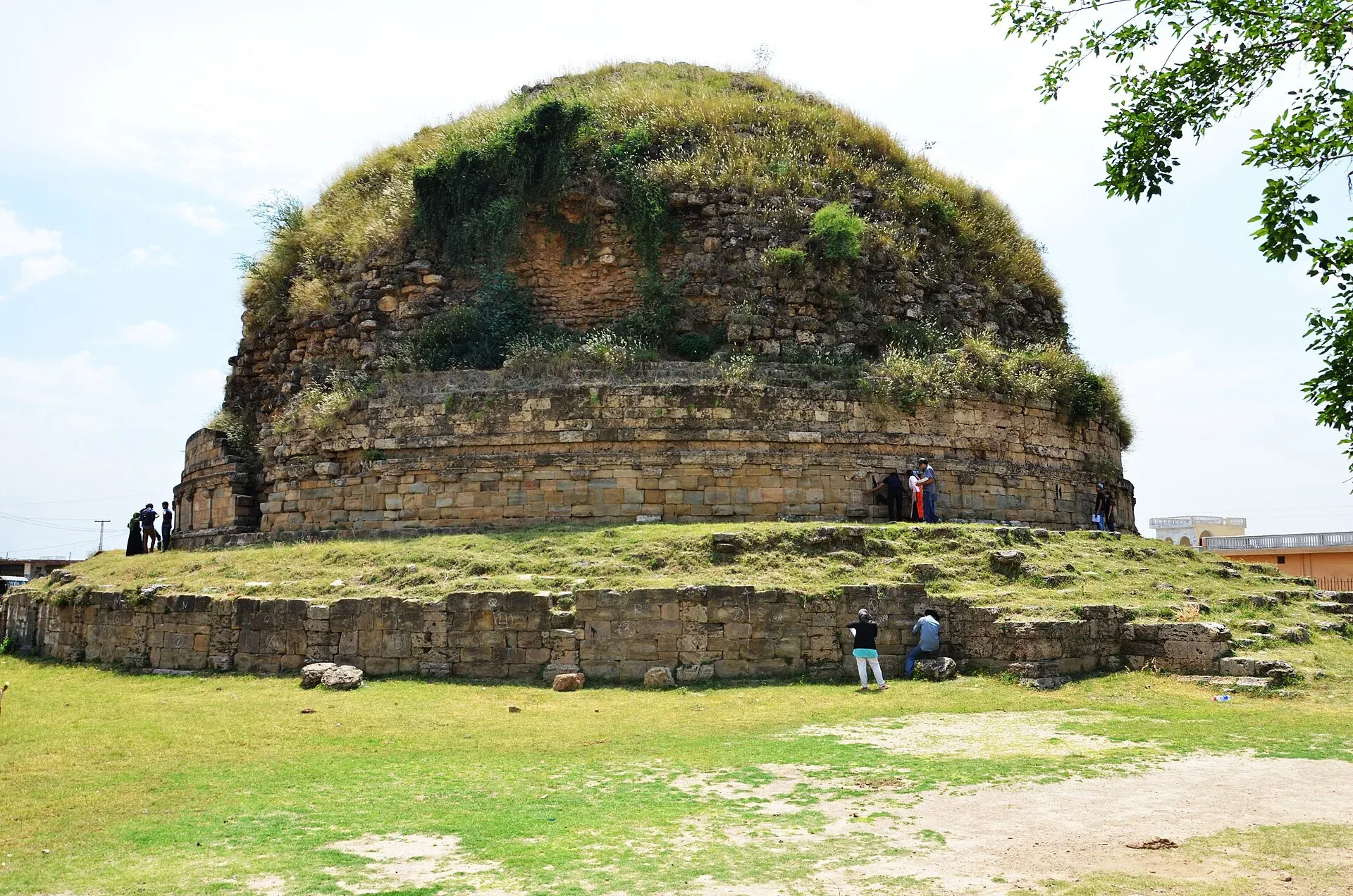
Photo: MaraimSM, with thanks · CC BY-SA 3.0 · via Wikimedia Commons · temporary stand-in photo

Bhamala and Mankiala (open to visit). Bhamala, beside the Haro River in Haripur, has a rare cross-shaped stupa and joined UNESCO's tentative list in 2026. Mankiala (Tope Mankiala), near Rawalpindi, has a large stupa linked by tradition to Kanishka.
Khyber Pakhtunkhwa sites (currently advised against). The famous hilltop monastery of Takht-i-Bahi near Mardan, Ranigat in Buner, the stupa and museum at Saidu Sharif in Swat and the Peshawar Museum's Gandharan collection are the heart of the story. We list them here for history and for the day you can go again. See the safety section before you plan any of them.
Gilgit-Baltistan outliers. At the far end of the Buddhist world, the Kargah Buddha near Gilgit is carved into a cliff, and a Buddha is carved on a boulder at Manthal near Skardu. Both are usually reached by air.
A day at Taxila
Taxila is less than 50 km from both Islamabad and Rawalpindi, so a day trip is practical (Wikivoyage). Buses and vans run from Rawalpindi roughly hourly, and Taxila Cantonment Junction is near the museum, though few trains stop there. The sites are spread over 20 to 25 square kilometres, mostly within about 2 km of the museum. By vehicle most can be seen in a couple of hours; on foot it would take one very long day, and the heat makes walking tiring. Taxis, auto rickshaws and tangas (horse carriages) wait near the museum.
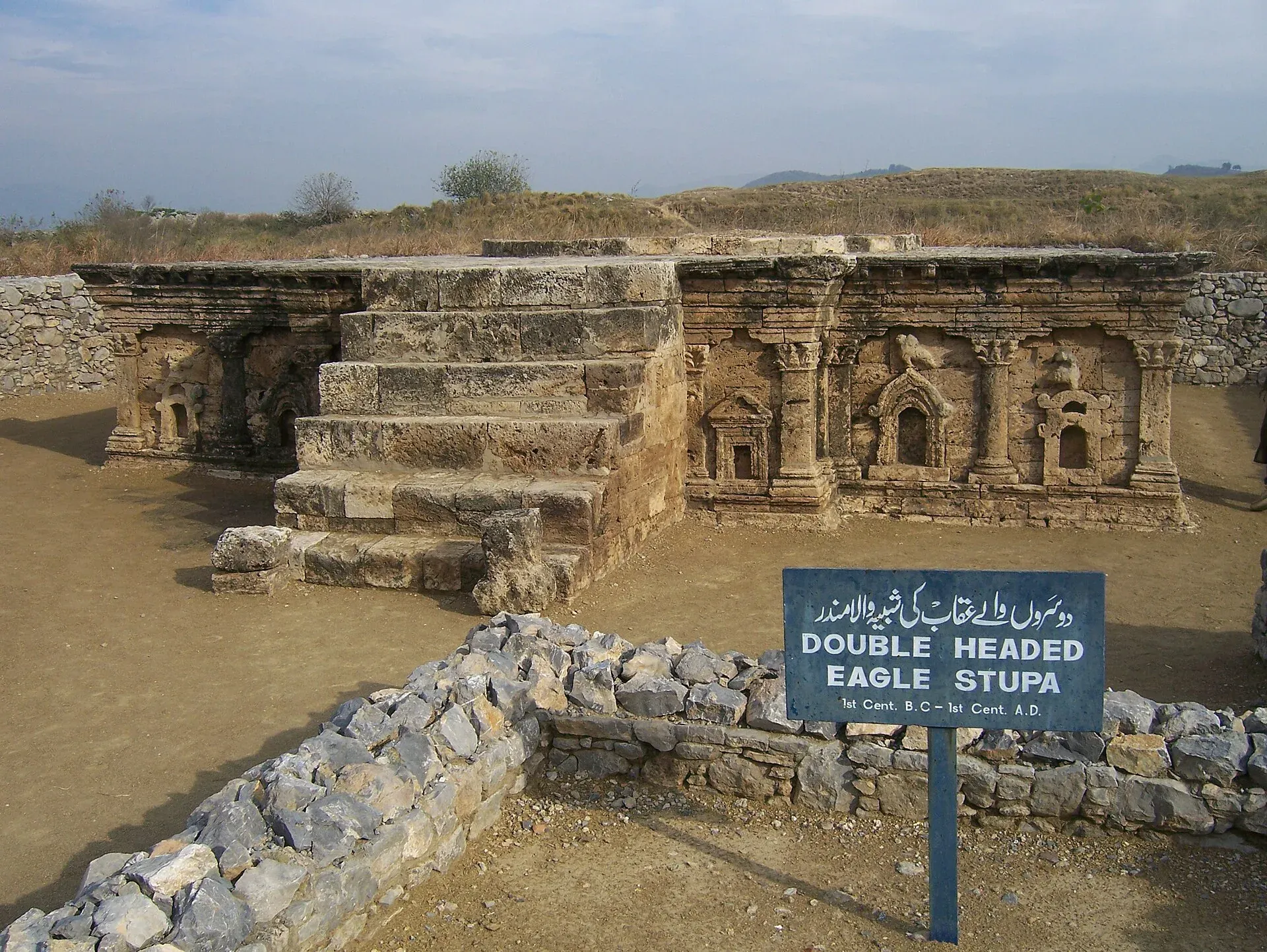
Photo: Dawoodmajoka, with thanks · Public domain (CC0) · via Wikimedia Commons · temporary stand-in photo

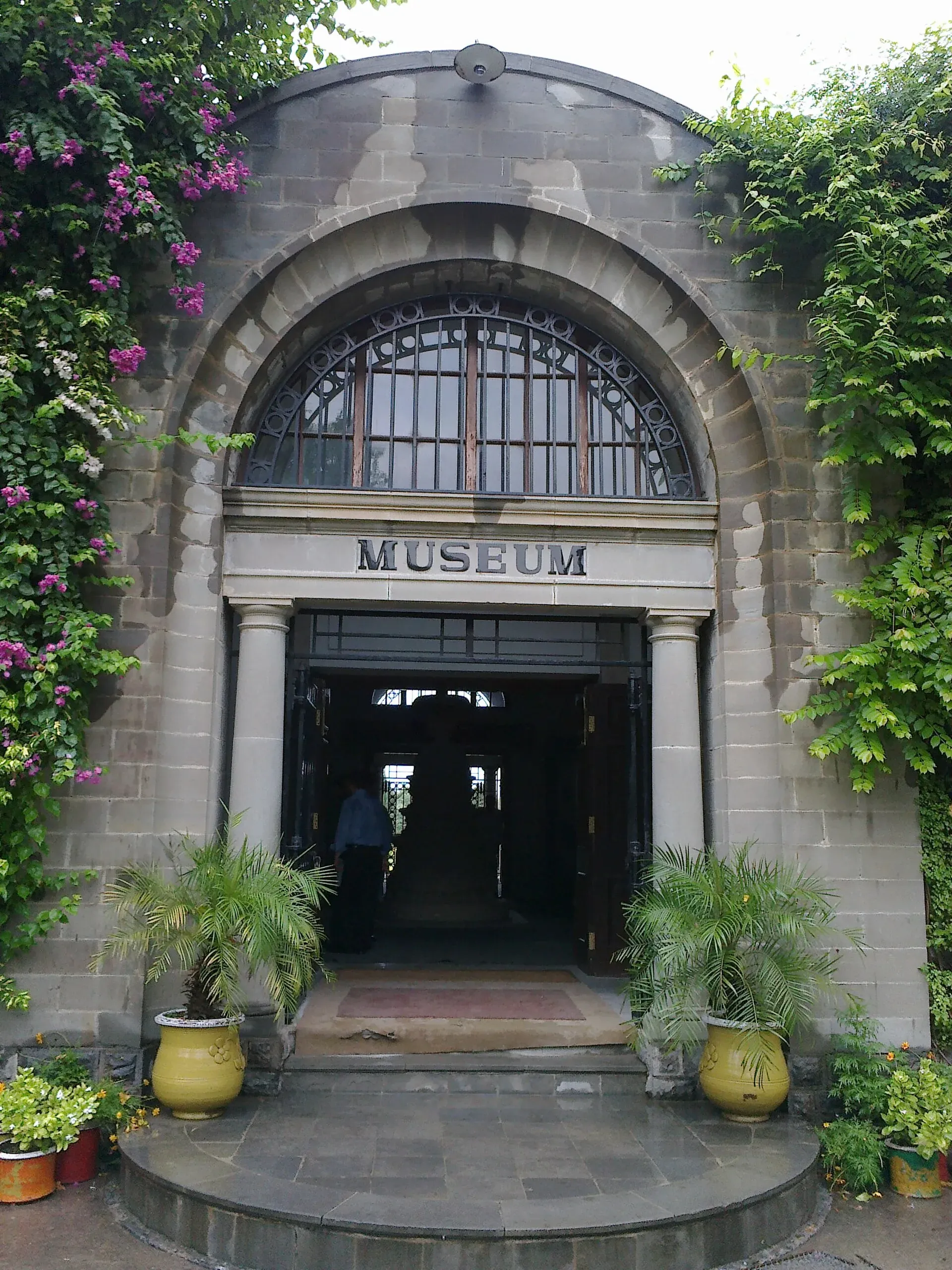
Photo: Khalid Mahmood, with thanks · CC BY-SA 3.0 · via Wikimedia Commons · temporary stand-in photo

Wikivoyage suggests starting and ending at Taxila Museum, and gives this order based on proximity and age: Bhir Mound, the oldest city; Mohra Moradu; Sirkap, the second city, of the Greco-Bactrian era; the Dharmarajika Stupa, about 2.5 km from the museum; Sirsukh, the third city, of the Kushan era; and Jaulian, about 7 km away. Jaulian lies in Khyber Pakhtunkhwa, so it may need a separate ticket. Giri, Kalawan, Jandial and Lalchak are further options. Restaurants cluster on Khanpur Road near the station and museum, and roadside dhabas near the sites serve street food such as kebabs and fish.
Etiquette at Buddhist sites
These ruins are archaeological sites, and many Buddhist visitors treat them as holy. Do not climb on stupas or sit on carvings. Do not touch stucco or remove loose stones, however small. Walk on marked paths, keep voices low and dress modestly: covered shoulders and knees are a sensible rule at every site in Pakistan. Ask the site staff before flying a drone or using a tripod, as the Department of Archaeology controls both.
Who can visit and registration
There is no known special pilgrim registration scheme for Buddhist visitors. Visit rules are those of the Department of Archaeology and Museums and the Punjab or KP authorities, and apply to everyone. Entry fees apply at Taxila Museum and some sites. There is no known official page with 2026 opening hours or fees for Taxila; blogs give conflicting hours and say the museum and the three Taxila sites (Dharmarajika, Sirkap, Mohra Moradu) are ticketed separately. Current fees will be added soon. The KP Department of Archaeology and Museums ran a free-entry fortnight from 1 to 14 August 2025 at Takht-i-Bahi, Ranigat, Butkara and other sites (The Express Tribune, 11 August 2025), which shows they were open then; there is no known 2026 notice either way. Check the visa rules for your nationality with the nearest Pakistani mission before you travel.
When to go
October to April is the comfortable season on the plains, and the ruins are quiet in the winter weeks. Summer afternoons are hot and exposed, as the sites have little shade. The Gilgit-Baltistan sites are best from April to October.
Events
We have not confirmed any annual Gandhara festival. Check with the Department of Archaeology and Museums for special openings. Taxila Museum and the sites are quietest on weekday mornings, so plan your first day then if you can.
Highlights
- Taxila World Heritage ruins and museum, 33 km from Islamabad
- Cross-shaped stupa at Bhamala beside the Haro River
- Takht-i-Bahi and Swat sites, shown for history (advised against)
- Kargah Buddha and Manthal Buddha rock in Gilgit-Baltistan
Stops
- Taxila MuseumStart here; Gandharan sculpture. Distance from Islamabad.
- Sirkap2nd-century BCE planned city; next to the museum area
- Dharmarajika StupaLargest stupa at Taxila
- Jaulian monasteryHilltop monastery with stucco carvings
- Bhamala StupaCross-shaped stupa near Khanpur Dam, Haripur
- Mankiala StupaLarge ruined stupa near Rawalpindi
- Ranigat, BunerAdvised against by the UK FCDO; shown for reference
- Takht-i-Bahi, MardanAll but essential travel advised against; shown for reference
- Peshawar MuseumAll travel advised against, including Peshawar city
- Butkara and Swat Museum, Saidu SharifAll travel advised against in Swat
km: distance from the start along the route.
Numbers follow the stops in order. The map shows the 9 stops that have a trek.pk page, not the road itself.
Day by day
Day 1 · Taxila: museum, Sirkap, Dharmarajika and Jaulian
Drive 33 km from Islamabad to Taxila Museum (about 30 minutes). Spend the morning there and at Sirkap. After lunch drive 7 km to the Dharmarajika Stupa, then 12 km to Jaulian, which is best in the late afternoon light. Return to Islamabad, 39 km from Jaulian.
Day 2 · Bhamala and Mankiala
Go 52 km to Bhamala, beside the Haro River and Khanpur Dam, and see the cross-shaped stupa. Drive 77 km back past Islamabad to Mankiala, then return to Islamabad, 37 km. Both sites are quiet and have few facilities, so bring food and water.
Day 3 · Optional: Gilgit-Baltistan by air
Fly to Gilgit and visit the Kargah Buddha (10 km from Gilgit, about 20 minutes by OSRM), or to Skardu for the Manthal Buddha rock (4 km from Skardu). Check flight schedules with the airline first. The Khyber Pakhtunkhwa sites are not part of this plan while the FCDO advises against travel.
Road conditions
- Islamabad to Taxila and Bhamala: paved main roads and the motorway; busy near Taxila town.
- Last km to Bhamala, Jaulian and Mankiala: small paved lanes; a car is fine in dry weather.
- Times: OSRM drive times are optimistic and exclude stops, traffic and checkpoints. Add 30 to 50 per cent.
- Rain: monsoon rain (July and August) can make the lanes slick.
Fuel and services
Fill the tank in Islamabad or Taxila. Taxila has small restaurants and shops; the sites themselves have few facilities. Toilets are basic.
Where to stay, eat and fuel up
Places to stay
- Avari Towers KarachiCall Avari Towers KarachiMap of Avari Towers Karachi in Google Maps
- Pearl Continental Hotel, LahoreCall Pearl Continental Hotel, LahoreMap of Pearl Continental Hotel, Lahore in Google Maps
- Avari Hotel LahoreCall Avari Hotel LahoreMap of Avari Hotel Lahore in Google Maps
- Serena HotelCall Serena HotelMap of Serena Hotel in Google Maps
- Islamabad Marriott HotelCall Islamabad Marriott HotelMap of Islamabad Marriott Hotel in Google Maps
- Mövenpick KarachiCall Mövenpick KarachiMap of Mövenpick Karachi in Google Maps
Places to eat
- The Monal IslamabadCall The Monal IslamabadMap of The Monal Islamabad in Google Maps
- Tehzeeb Bakers Blue AreaCall Tehzeeb Bakers Blue AreaMap of Tehzeeb Bakers Blue Area in Google Maps
- TKR 3Call TKR 3Map of TKR 3 in Google Maps
- Port Grand - KarachiCall Port Grand - KarachiMap of Port Grand - Karachi in Google Maps
- Kolachi RestaurantCall Kolachi RestaurantMap of Kolachi Restaurant in Google Maps
- Savour FoodsCall Savour FoodsMap of Savour Foods in Google Maps
Essential services fuel stations, mechanics, banks, pharmacies and hospitals and clinics
Fuel
- PSO Petrol Pump (Stadium Service Station)Call PSO Petrol Pump (Stadium Service Station)Map of PSO Petrol Pump (Stadium Service Station) in Google Maps
- Attock Petrol PumpMap of Attock Petrol Pump in Google Maps
- PSO Petrol PumpMap of PSO Petrol Pump in Google Maps
- PSO Petrol PumpMap of PSO Petrol Pump in Google Maps
- Total Parco LA TownCall Total Parco LA TownMap of Total Parco LA Town in Google Maps
- PSO-Al-Rafay Filling Station - Petrol Pump Thokar Niaz BaigCall PSO-Al-Rafay Filling Station - Petrol Pump Thokar Niaz BaigMap of PSO-Al-Rafay Filling Station - Petrol Pump Thokar Niaz Baig in Google Maps
Mechanics and tyre shops
- Mohammed Bilal tyre centreMap of Mohammed Bilal tyre centre in Google Maps
- Changan City SalesCall Changan City SalesMap of Changan City Sales in Google Maps
- Toyota Airport MotorsCall Toyota Airport MotorsMap of Toyota Airport Motors in Google Maps
- Honda GatewayCall Honda GatewayMap of Honda Gateway in Google Maps
- Saif Traders - Best Tyre Shop in LahoreCall Saif Traders - Best Tyre Shop in LahoreMap of Saif Traders - Best Tyre Shop in Lahore in Google Maps
- Mini MotorsCall Mini MotorsMap of Mini Motors in Google Maps
Banks and money exchange
- State Bank of PakistanCall State Bank of PakistanMap of State Bank of Pakistan in Google Maps
Pharmacies
- Al Jadeed Super MarketCall Al Jadeed Super MarketMap of Al Jadeed Super Market in Google Maps
- Imtiaz Mega - Ramzan Mall - islamabadCall Imtiaz Mega - Ramzan Mall - islamabadMap of Imtiaz Mega - Ramzan Mall - islamabad in Google Maps
- Imtiaz Supermarket - Awami Markaz - KHICall Imtiaz Supermarket - Awami Markaz - KHIMap of Imtiaz Supermarket - Awami Markaz - KHI in Google Maps
- Imtiaz Mega - Kings Mall - GujranwalaCall Imtiaz Mega - Kings Mall - GujranwalaMap of Imtiaz Mega - Kings Mall - Gujranwala in Google Maps
- Hydri Super MarketCall Hydri Super MarketMap of Hydri Super Market in Google Maps
- Raja Market Garden Town LahoreCall Raja Market Garden Town LahoreMap of Raja Market Garden Town Lahore in Google Maps
Hospitals and clinics
- Hashmanis Hospital NumaishCall Hashmanis Hospital NumaishMap of Hashmanis Hospital Numaish in Google Maps
- Holistic CareCall Holistic CareMap of Holistic Care in Google Maps
- Lahore Care HospitalCall Lahore Care HospitalMap of Lahore Care Hospital in Google Maps
- Shifa International Hospitals LimitedCall Shifa International Hospitals LimitedMap of Shifa International Hospitals Limited in Google Maps
- Amanat Eye Hospital RawalpindiCall Amanat Eye Hospital RawalpindiMap of Amanat Eye Hospital Rawalpindi in Google Maps
- Maryam Memorial Hospital (MMH)Call Maryam Memorial Hospital (MMH)Map of Maryam Memorial Hospital (MMH) in Google Maps
Listings come from Google Maps data and are unverified: phone numbers, opening months and prices may have changed. Report a problem · Own one of these? Claim it
Safety
- Government advice (UK FCDO, updated 27 October 2026, checked 16 November 2026): the FCDO advises against all travel to Peshawar (including the city), Swat, Buner, Charsadda, Kohat, Khyber, Lower Dir and Upper Dir and other named KP districts. It advises against all but essential travel to Malakand, Mardan, Nowshera, Shangla and Swabi. It also advises against all travel on the Karakoram Highway between Mansehra and Chilas, and on the N45 highway north of the Mardan ring road to the edge of Chitral City. Emergency measures and Governor's Rule were introduced in Khyber Pakhtunkhwa on 11 October 2026, with reports of road closures and internet disruption.
- By stop: Taxila (Punjab), Mankiala (Punjab) and Bhamala (Haripur, KP) are not named in the advice. Ranigat (Buner), the Swat sites and Peshawar fall under "all travel". Takht-i-Bahi and Sahr-i-Bahlol (Mardan) fall under "all but essential travel". We do not offer a day plan for these.
- Ask the district administration or local police about current conditions before you go. Gilgit-Baltistan: For foreign visitors: the UK FCDO page does not cover Gilgit-Baltistan generally, but it advises against the KKH between Mansehra and Chilas. Fly rather than drive; check current flight and security information.
- Insurance: the FCDO notes that travel insurance can be invalid if you travel against its advice.
- Always: ask your hotel or a licensed operator about the day's conditions, and keep your passport or CNIC for checkpoints.
Tips
- Start with Taxila Museum so the ruins make sense.
- Carry water and a sun hat; most sites have little shade.
- Do not climb on stupas or touch carvings.
- Check the safety section: most Khyber Pakhtunkhwa stops are advised against by the UK FCDO.
More photos
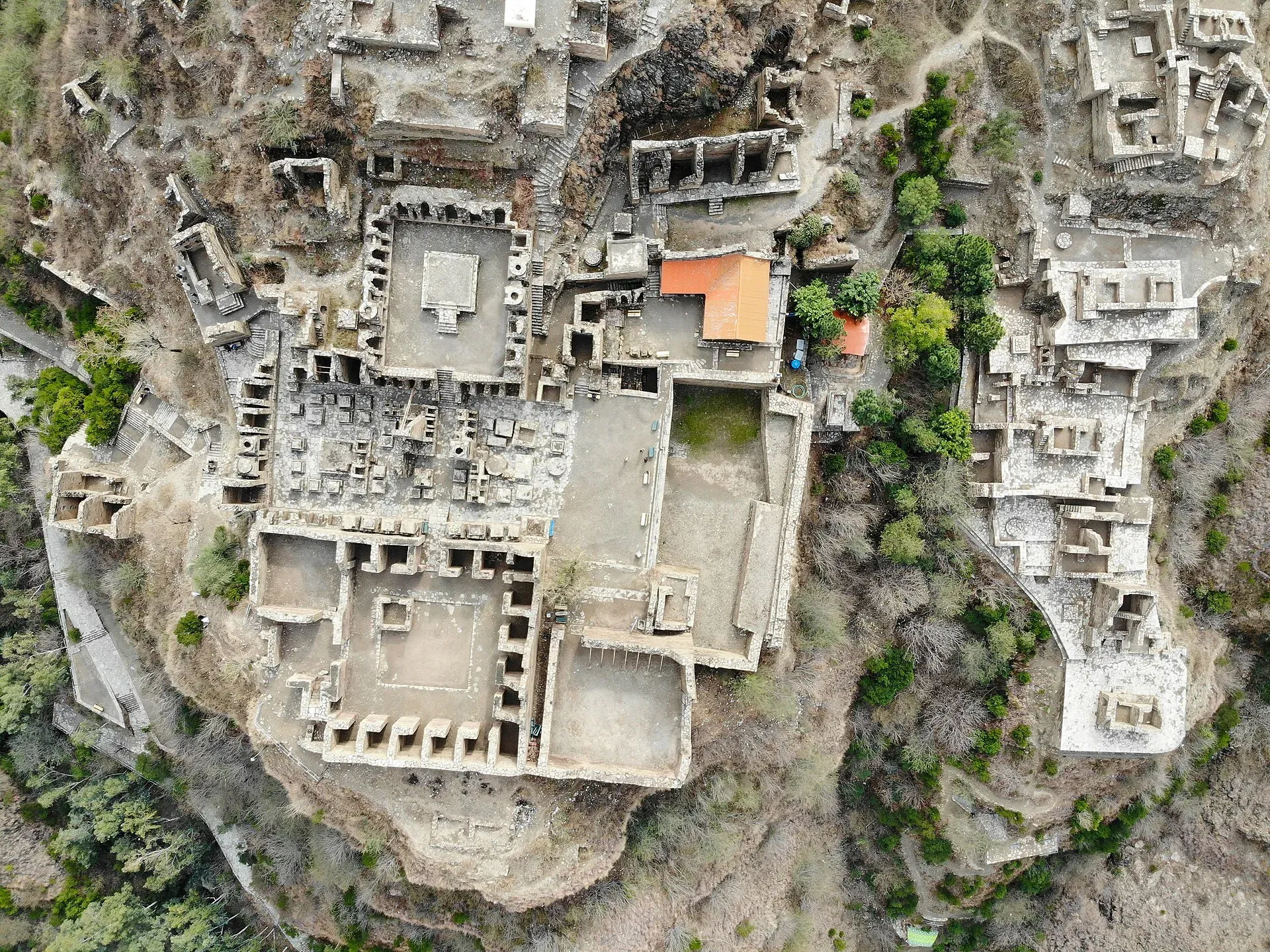
Photo: Muzamil Hassain Toori, with thanks · CC BY-SA 4.0 · via Wikimedia Commons · temporary stand-in photo

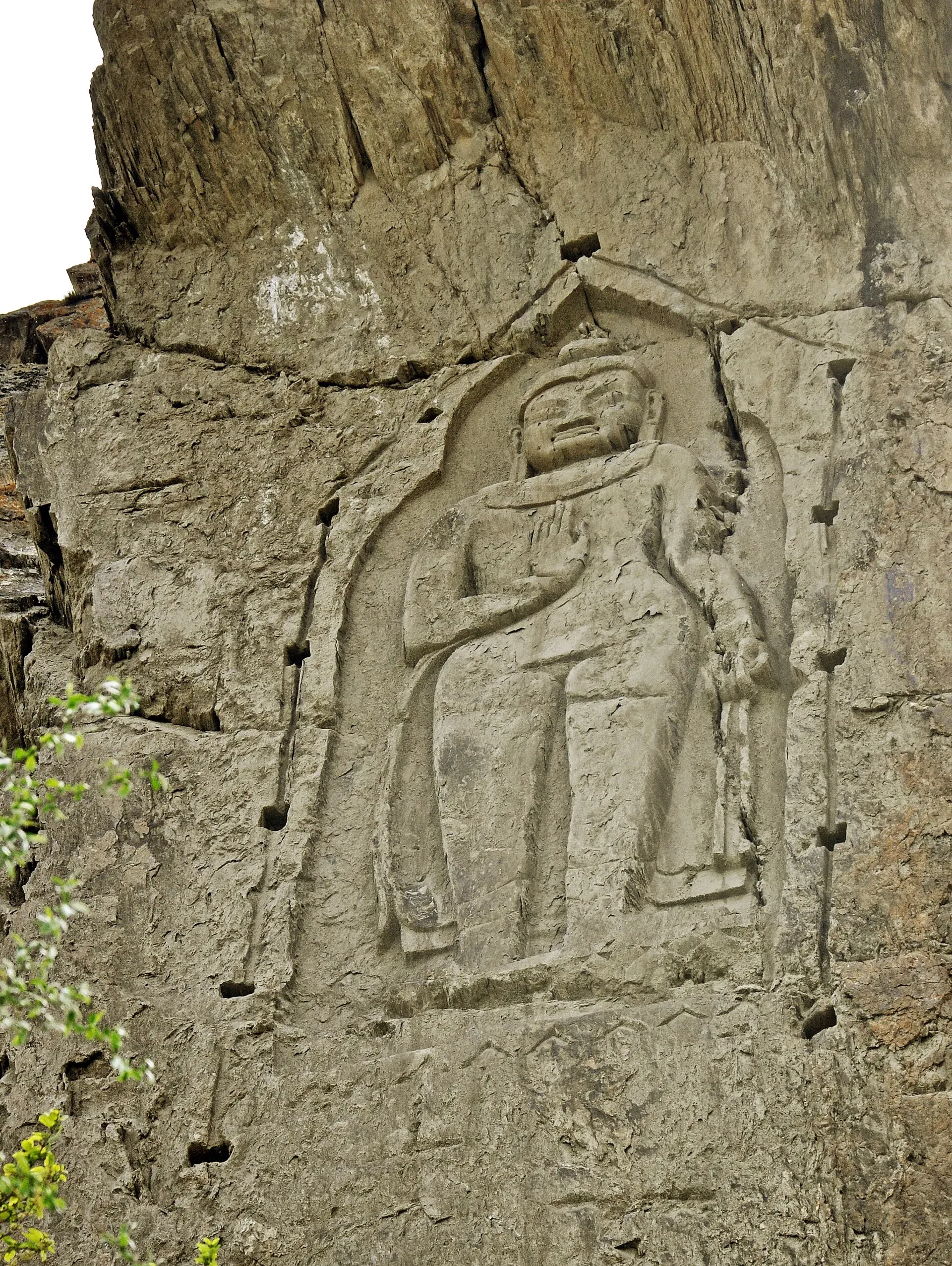
Photo: Furqanlw, with thanks · CC BY-SA 4.0 · via Wikimedia Commons · temporary stand-in photo

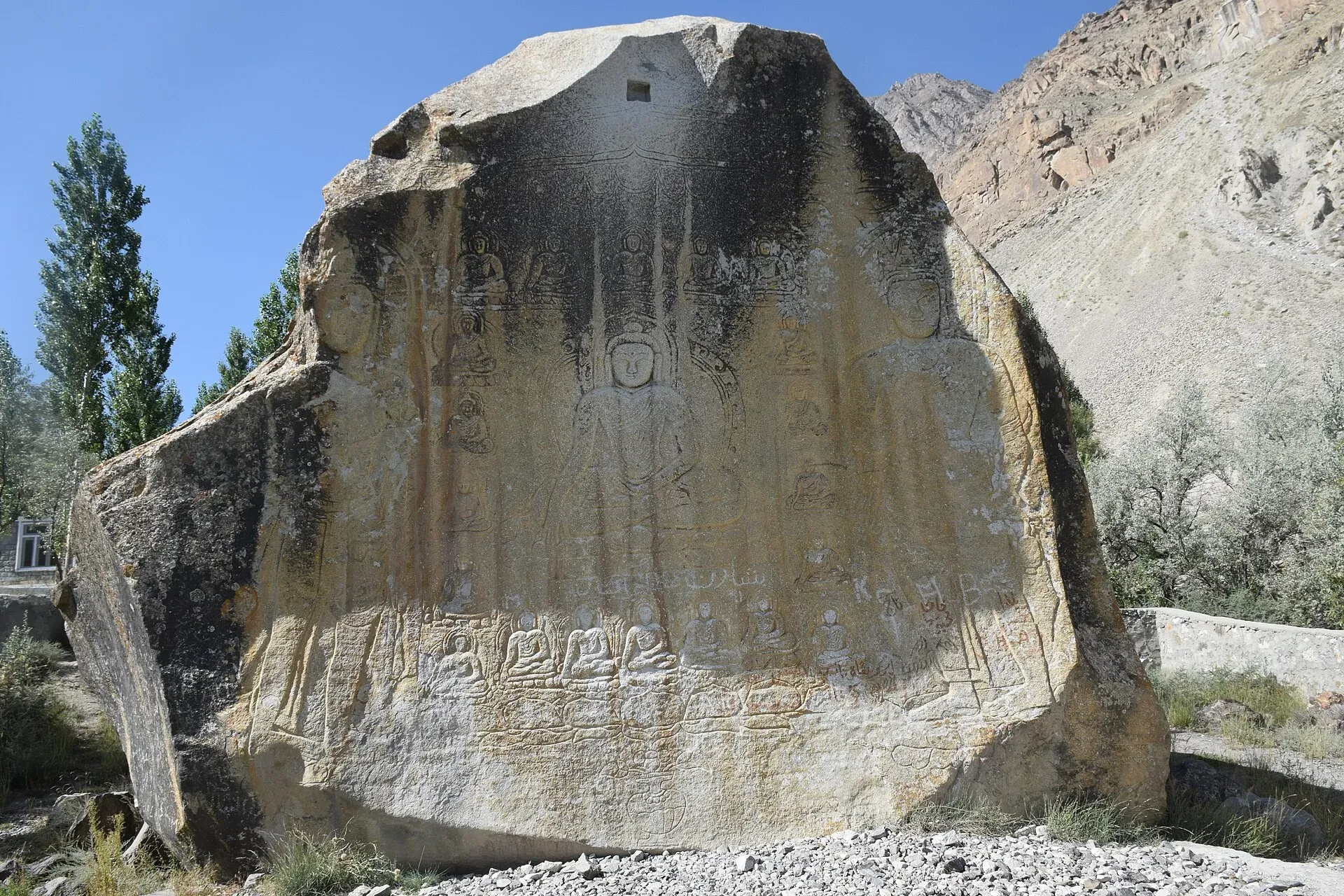
Photo: گمنام سپاهى, with thanks · CC BY-SA 4.0 · via Wikimedia Commons · temporary stand-in photo

Sources and last checked
Last checked Confidence medium14 sources5 still to check
- Last checked
- Method
- Desk research from published sources
- Confidence
- medium
- Checked by
- trek.pk research team
Researched from published sources; not yet checked on the ground by our team. Spot something out of date? Report a mistake.
Sources
- Pakistan travel advice: Warnings and insurance (updated 27 October 2026) · UK Foreign, Commonwealth & Development Office (FCDO) · checked
- OSRM driving route service: distances and times measured 16 November 2026 (drive times are optimistic and exclude stops) · OSRM / OpenStreetMap contributors · checked
- Gandhara (Wikipedia) · Wikipedia · checked
- Taxila (Wikipedia) · Wikipedia · checked
- Takht-i-Bahi (Wikipedia) · Wikipedia · checked
- Dharmarajika Stupa (Wikipedia) · Wikipedia · checked
- Jaulian (Wikipedia) · Wikipedia · checked
- Bhamala Stupa (Wikipedia) · Wikipedia · checked
- Manikyala Stupa (Wikipedia) · Wikipedia · checked
- Ranigat (Wikipedia) · Wikipedia · checked
- Kargah Buddha (Wikipedia) · Wikipedia · checked
- Manthal Buddha Rock (Wikipedia) · Wikipedia · checked
- A child's journey through Gandhara lights up the past (11 August 2025) · The Express Tribune · checked
- Taxila (getting there, site order, food) · Wikivoyage · checked
Still to be checked on the ground (5)
- Current opening hours and fees at Taxila Museum and the Taxila sites (no official page found; blog hours differ)
- Whether Bhamala and Mankiala are open and signposted (Wikipedia lists Bhamala as a tourist site; a 2020 Tribune item suggests signage was lacking; nothing current found)
- Gilgit and Skardu flight schedules (no dated 2026 schedule found; check PIA)
- Security situation and any change to the FCDO advice for Khyber Pakhtunkhwa
- Whether the KP sites (Takht-i-Bahi, Ranigat, Swat, Peshawar) are open to visitors now (open in August 2025 per Tribune; no 2026 notice found)
Nearby and related

Dharmarajika Stupa
The largest stupa in the Taxila region, linked by tradition to Emperor Ashoka and later rebuilt under the Kushans. Part of the Taxila World Heritage Site, inscribed in 1980.

Jaulian
A 2nd-century Buddhist monastery on a hilltop at Taxila, with stupas, chapels and stucco carvings. Part of the Taxila World Heritage Site, inscribed in 1980.

Bhamala Stupa
A Buddhist monastery complex beside the Haro River near Khanpur Dam, Haripur, with a rare cross-shaped stupa. It joined UNESCO's tentative list in 2026.

Mankiala Stupa
A large ruined Buddhist stupa at Tope Mankiala near Rawalpindi, linked to the Kushan emperor Kanishka and a Jataka tale of a prince feeding tiger cubs. Not on the UNESCO lists.

Takht-i-Bahi and Sahr-i-Bahlol
A hilltop Buddhist monastery near Mardan, founded in the early 1st century CE, with the ruins of a small walled town at Sahr-i-Bahlol. UNESCO World Heritage Site since 1980.

Ranigat
A large Buddhist monastic complex on a rocky hill at Nogram, Buner, built in the 2nd century CE. It is reached by about 500 steps and has long been studied by Japanese archaeologists.

Saidu Sharif
The administrative town of Swat, joined to the bazaar city of Mingora, with the ancient Butkara stupa, the Swat Museum of Gandhara art, a Sufi shrine and the road into the Swat valley.

Kargah Buddha
A standing Buddha about 15 m tall, carved into a cliff in Kargah Nala west of Gilgit, probably from the 7th century.

Manthal Buddha Rock
A granite boulder carved with a Buddha in relief, probably from the 8th century, at Manthal village near Skardu.

Rawalpindi
Islamabad's older twin city: a busy bazaar and cantonment, the north's main rail and bus hub, and an easy base for Taxila and Murree.

Peshawar
Khyber Pakhtunkhwa's capital and one of South Asia's oldest living cities: the Gandhara museum, Qissa Khwani Bazaar, mosques and a strong food culture.