

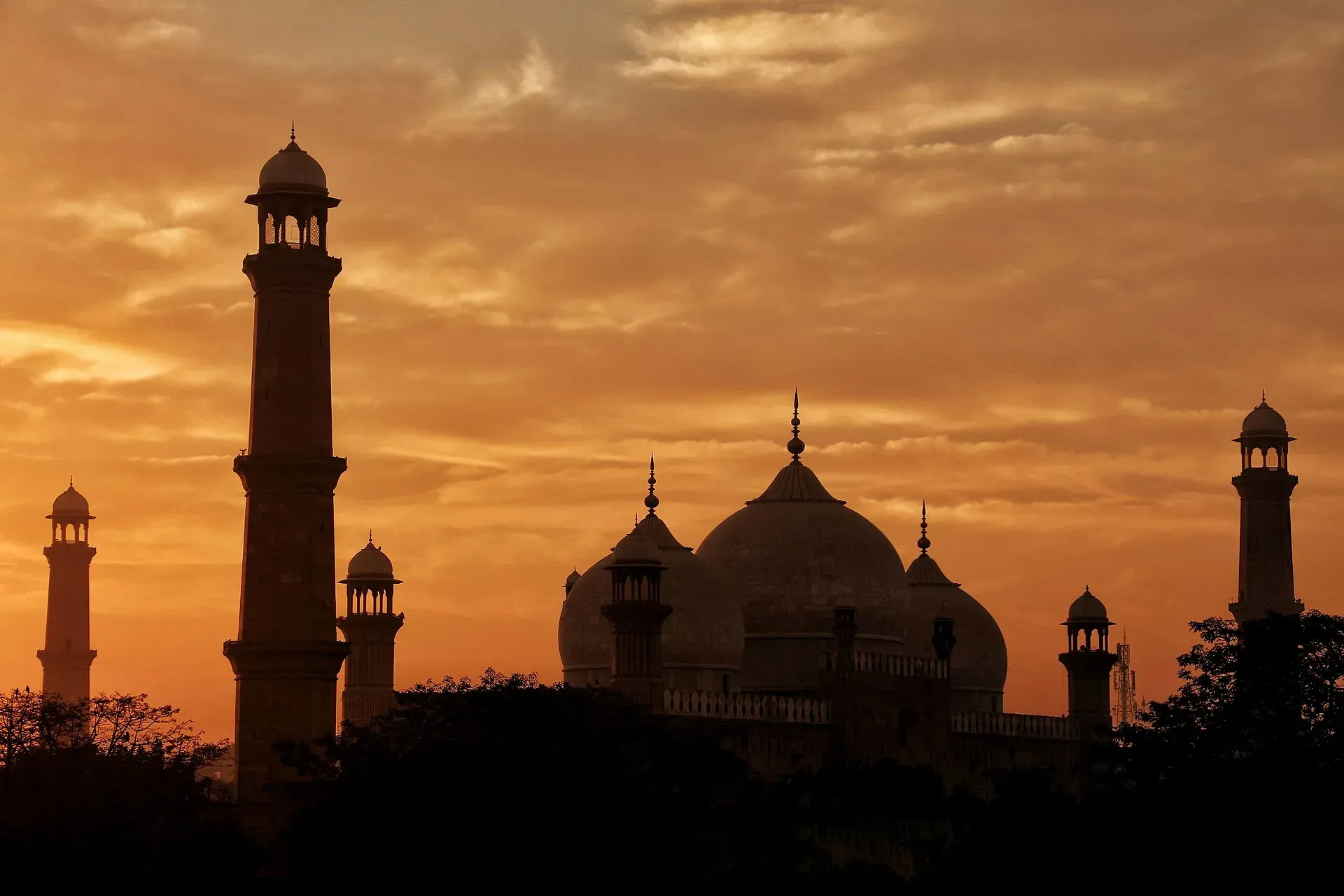
Two weeks lets you add southern Punjab's shrines to the north. The trip runs Lahore, Multan, Uch Sharif and Bahawalpur, then Islamabad and Taxila, then Skardu and Hunza. All the heritage is in plains that are best from October to March, and the mountains are best from May to October. That makes April and October the sweet spots, with September to October safest overall.
Best season: late September to mid-October, or April to early May. In the cold months Hunza and Skardu roads close at times and Deosai is shut. In midsummer Multan and Bahawalpur are very hot.
Shape of the trip: Lahore (2 nights), Multan (2), Bahawalpur (1), Lahore or Islamabad (1 to 2), Skardu (3), Hunza (2).
Driving distances and times below were measured with the OSRM routing service on 16 November 2026. They assume clear roads and no stops, so they are optimistic. In the mountains, add at least half again and plan for checkposts, road works and landslide delays.
Safety advice to read before you book
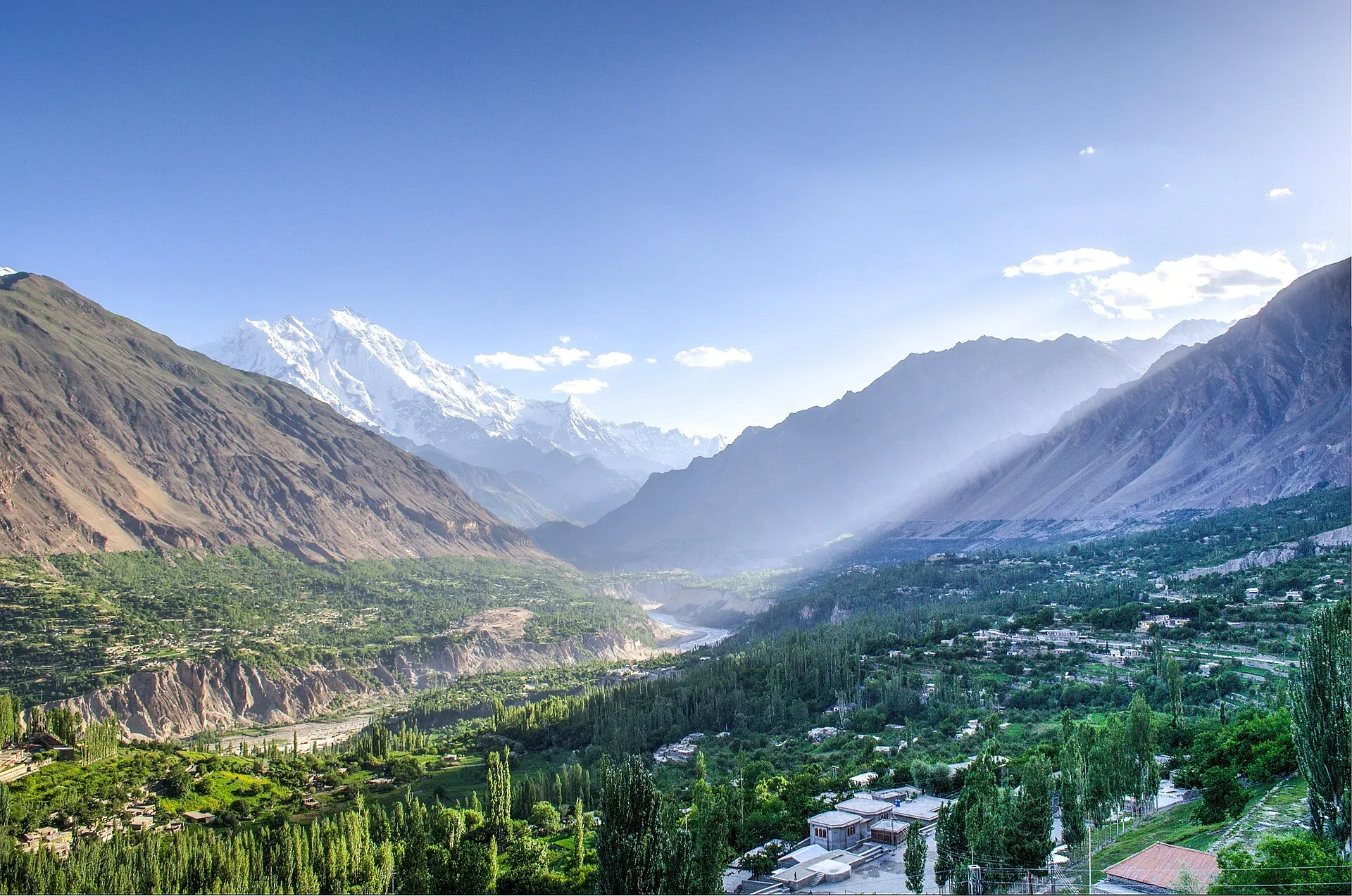
Photo: FaizanAhmad, with thanks · CC BY-SA 3.0 · via Wikimedia Commons · temporary stand-in photo
Ask the district administration or local police about current conditions before you go. For foreign visitors: the UK FCDO advice, updated 27 October 2026 and still current on 17 November 2026, advises against all travel on the Karakoram Highway between Mansehra and Chilas. It also advises against all travel to Peshawar, Swat and Balochistan, and against all but essential travel to parts of Sindh north of and including Nawabshah, to Azad Jammu and Kashmir and to Dera Ghazi Khan. It did not name Islamabad, Lahore, Multan, Karachi, Skardu or Hunza on that page. This itinerary stays out of the named areas and flies over the Mansehra to Chilas section instead of driving it. Other governments publish their own advice, so read yours and check again a week before you fly. Advice can change at short notice.
Days 1 and 2: Lahore
See the Lahore Fort, Badshahi Mosque, the Walled City and the Shalimar Gardens. Day 2 can include the Wagah evening ceremony, about 33 km from the fort; the format can change or be closed at short notice.
Day 3: Lahore to Multan
Multan is 336 km from Lahore, about 3 hours 50 minutes by OSRM. Trains also run on the main line between the two cities. Plan five hours or more by road. In the afternoon visit the Tomb of Shah Rukn-e-Alam, the octagonal brick tomb with blue tilework on the edge of Multan Fort, and the old city bazaars.
Day 4: Uch Sharif and Bahawalpur
Uch Sharif is 134 km (about 1 hour 30 minutes) from Multan. The group of tiled Sufi tombs and mosque is on the UNESCO tentative list. Continue to Bahawalpur, 75 km further on (about 1 hour 10 minutes). If you have time, the Nawabi palaces and museum are in town. Derawar Fort in the Cholistan Desert is 96 km from Bahawalpur, about 1 hour 35 minutes; it is a full-day trip and needs local advice, so only add it if you have a spare day.
Day 5: Back to Lahore
Bahawalpur to Lahore is 404 km, 4 hours 40 minutes by OSRM, or you can take the train from Bahawalpur or Multan to Lahore or Rawalpindi on the main line. Check Pakistan Railways before you go; services change.
Day 6: Lahore to Islamabad and Taxila
Lahore to Islamabad is 291 km by motorway (about 3 hours 50 minutes by OSRM). Taxila is 32 km from Islamabad, about 30 minutes, and Jaulian is a further 12 km. If you arrive early, visit the Dharmarajika Stupa and the Jaulian monastery; otherwise keep them for the morning of Day 7 and fly on Day 7 afternoon only if a flight is listed.
Day 7: Fly to Skardu
The flight takes about 1 hour 10 minutes. Airlines have flown the route in 2026 but there is no known official timetable. Reconfirm and keep a spare day. After arrival, rest and walk beside the Indus.
Day 8: Shigar and Kachura
Shigar Fort is 40 km (about 35 minutes) from Skardu. Return via Upper Kachura Lake (19 km from Skardu, about 25 minutes) or Satpara Lake (20 km, about 20 minutes).
Day 9: Deosai or Khaplu
Deosai Plains is about 66 km from Skardu (1 hour 10 minutes by OSRM, but much slower on the rough track); it is open roughly June to September and a local report from August 2026 described a washed-out section on the Sadpara route that we have not confirmed. Khaplu is 123 km (about 2 hours) for Khaplu Palace. Choose one.
Day 10: Skardu to Hunza
Skardu to Gilgit is 200 km (OSRM 2 hours 20 minutes, often five hours or more on the narrow Indus road). Gilgit to Karimabad is another 100 km, about 1 hour 20 minutes. Start at dawn.
Days 11 and 12: Hunza
On Day 11 see Baltit Fort and Altit Fort (5 km apart) and walk the old lanes. On Day 12 drive to Attabad Lake (31 km from Karimabad, about 25 minutes) and Passu (49 km, about 35 minutes). Khunjerab Pass beyond Sost depends on border and checkpost rules; confirm tourist access with the Gilgit-Baltistan authorities and Sost customs before you plan to go.
Day 13: Gilgit and flight out
Drive to Gilgit (100 km, about 1 hour 20 minutes) and fly to Islamabad if the weather allows. Gilgit flights are less certain than Skardu ones, and there is no known current schedule. Do not drive the Karakoram Highway from Chilas to Mansehra; the FCDO advises against all travel there.
Day 14: Buffer
Keep one day for failed flights. If everything ran on time, use it for the Margalla Hills or Faisal Mosque in Islamabad. Book international departure for Day 15 or later if you can.
If a pass, road or flight closes
- Flights to Skardu or Gilgit are cancelled: they depend on cloud. Rebook for the next day and move the Islamabad days to fill the gap. Do not switch to the Karakoram Highway between Mansehra and Chilas, which the FCDO advises against.
- Deosai is shut by snow or washed out: swap it for Satpara Lake and Upper Kachura Lake, or for Khaplu Palace, which is a full day out and back.
- Khunjerab or the road above Passu is closed: stop at Attabad Lake and Passu and spend the time in Karimabad and Altit.
- The mountains are closed altogether: stay in the plains. The Salt Range and the old hill roads above Murree are the nearest changes of scene, and Taxila can stretch to two days.
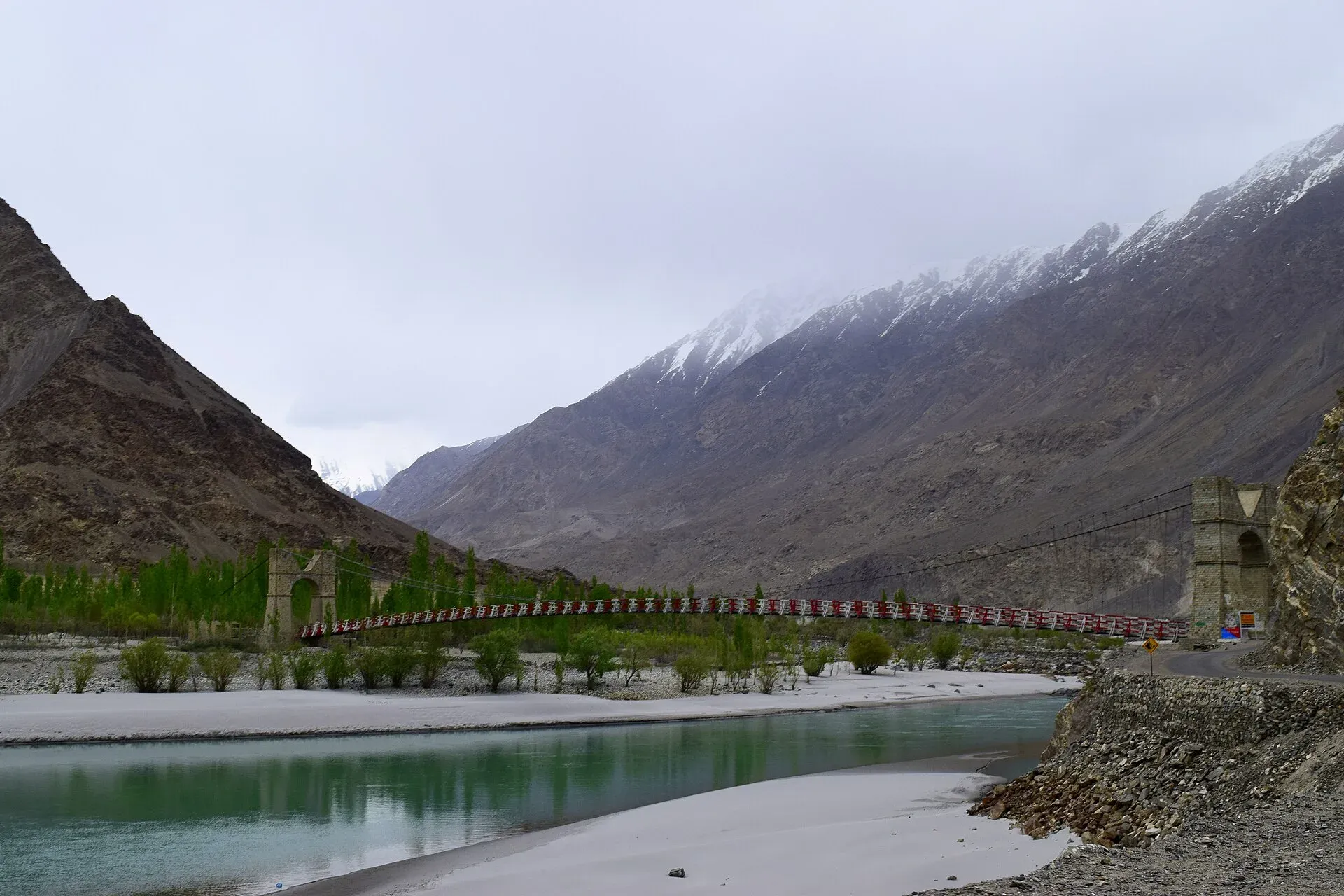
Photo: Rizwan Saeed, with thanks · CC BY-SA 4.0 · via Wikimedia Commons · temporary stand-in photo
Why this plan works
It splits the trip by climate and by road risk. Southern Punjab is flat, easy motorway driving with long distances but little weather risk. The mountains use flights where the road would be hardest. Ask for homestays and local guides in Hunza and Skardu; current fees for forts and parks will be added soon.


