

Itineraries

Pakistan in 21 Days: North, Heritage and the South

Three weeks across Pakistan: Lahore, Multan and Uch Sharif, Taxila, Skardu and Hunza, then Karachi and Thatta. Flights, measured drive times, best season and safety notes.

By trek.pk team · 15 min read · Updated

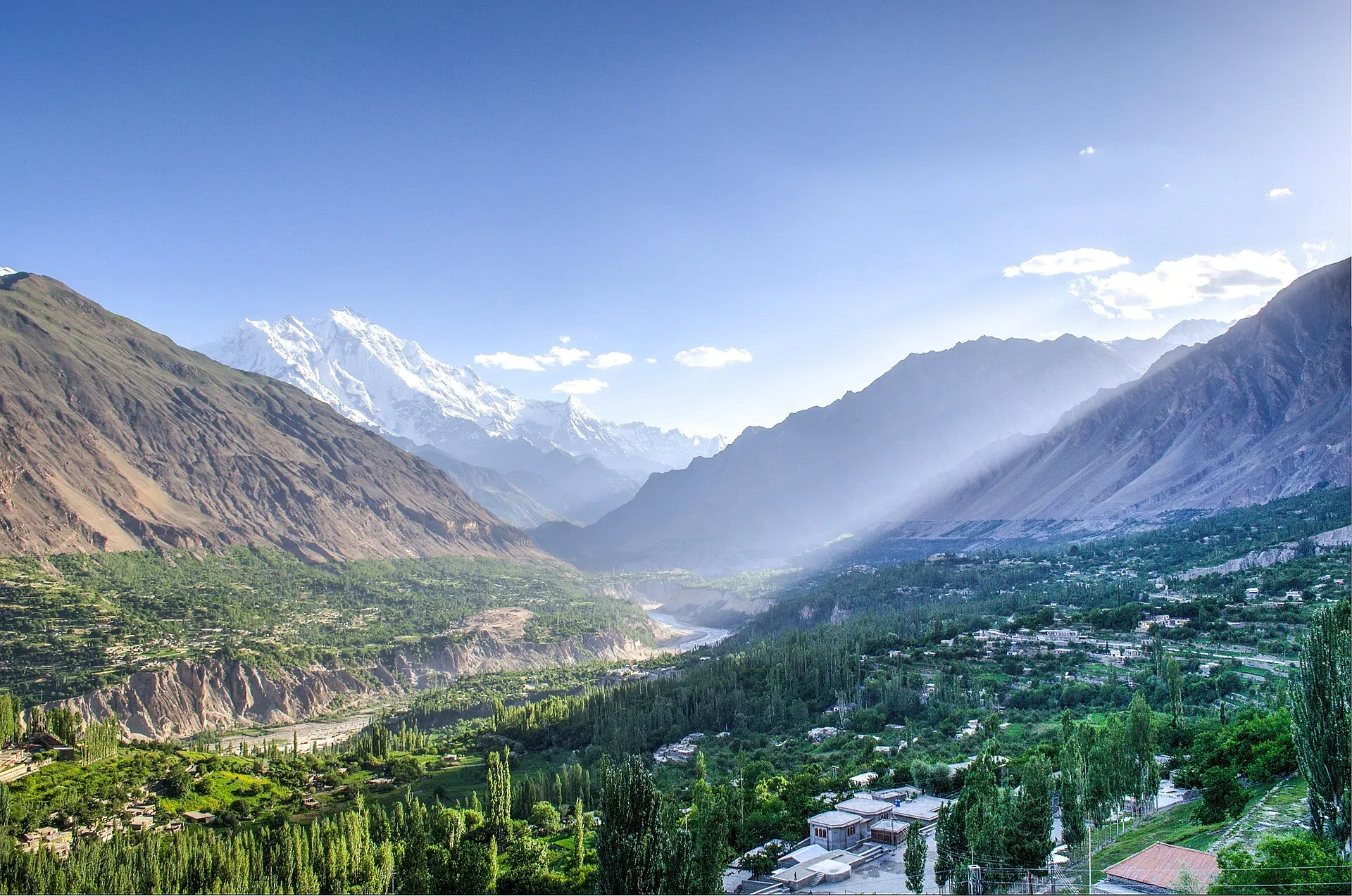
Wide view over the Hunza valley with terraced fields and snow peaks (open photo 1 of 4 full screen)

Photo: FaizanAhmad, with thanks · CC BY-SA 3.0 · via Wikimedia Commons · temporary stand-in photo

Three weeks covers the north, the heritage towns of Punjab and the Sindh coast around Karachi. You cross the country by flight and motorway so you spend your time on the places rather than the road. It is a lot of ground, so every block has slack.

Best season: October to early November, when the north is clear and the south is cooling. September is also good for the north. Mid-November onward the high roads close; a winter version, from December to February, would drop Skardu and Hunza and add more of Punjab and Sindh.

Shape of the trip: Lahore (2), Multan and Bahawalpur (3), Islamabad (2), Skardu (3), Hunza (4), Karachi and Thatta (4), buffer (3).

Driving distances and times below were measured with the OSRM routing service on 16 November 2026. They assume clear roads and no stops, so they are optimistic. In the mountains, add at least half again and plan for checkposts, road works and landslide delays.

Safety advice to read before you book
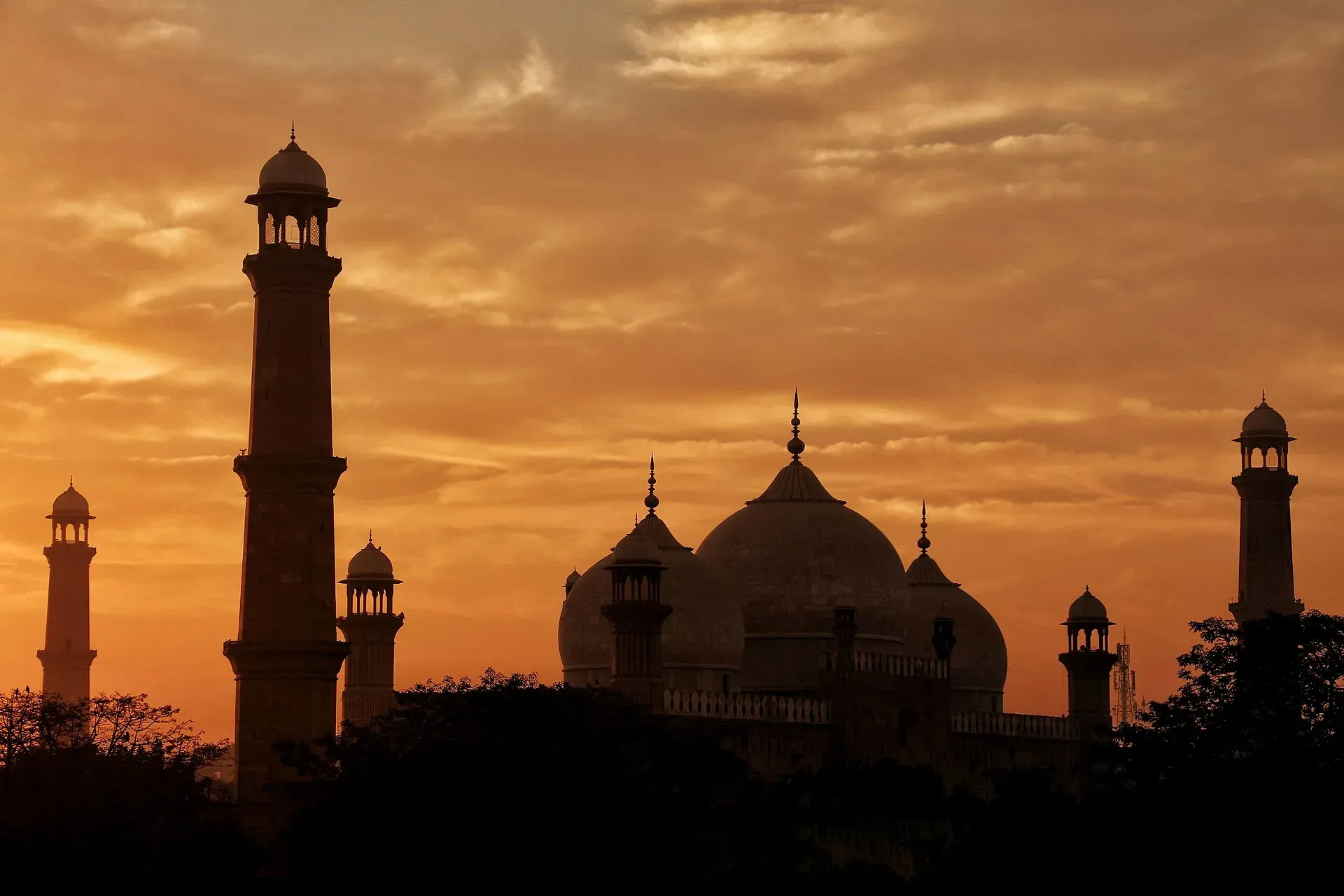
Badshahi Mosque, Lahore (open photo 2 of 4 full screen)
The Badshahi Mosque in Lahore, one of the first sights for many visitors who arrive by air.

Photo: Fassifarooq, with thanks · CC BY-SA 4.0 · via Wikimedia Commons · temporary stand-in photo

Ask the district administration or local police about current conditions before you go. For foreign visitors: the UK FCDO advice, updated 27 October 2026 and checked on 16 November 2026, advises against all travel on the Karakoram Highway between Mansehra and Chilas. It also advises against all travel to Peshawar, Swat and Balochistan, and against all but essential travel to parts of Sindh north of and including Nawabshah, to Azad Jammu and Kashmir and to Dera Ghazi Khan. It did not name Islamabad, Lahore, Multan, Karachi, Skardu or Hunza on that page. This itinerary stays out of the named areas and flies over the Mansehra to Chilas section instead of driving it. Other governments publish their own advice, so read yours and check again a week before you fly. Advice can change at short notice. For this route note also that the advice covers the Sindh north of Nawabshah, so this plan keeps to Karachi and Thatta in the south.

Days 1 and 2: Lahore

Lahore Fort, Badshahi Mosque, Walled City, Shalimar Gardens and the Wagah ceremony (about 33 km from the fort).

Day 3: Lahore to Multan

336 km, about 3 hours 50 minutes by OSRM, so allow five by road. Visit the Tomb of Shah Rukn-e-Alam and the old bazaars.

Day 4: Uch Sharif and Bahawalpur

Multan to Uch Sharif is 134 km (about 1 hour 30 minutes). Then Uch to Bahawalpur is 75 km (about 1 hour 10 minutes). You can stay in Bahawalpur.

Day 5: Derawar Fort or rest

Bahawalpur to Derawar Fort is 96 km (about 1 hour 35 minutes). Take a local guide and a vehicle suited to desert tracks. This is optional; if the weather is hot or the day is full, rest instead.

Day 6: Back to Lahore

Bahawalpur to Lahore is 404 km (about 4 hours 40 minutes by OSRM) or take the train. Continue to Islamabad the next day.

Day 7: Lahore to Islamabad

291 km by the M-2 motorway (about 3 hours 50 minutes by OSRM).

Day 8: Taxila and Islamabad

Taxila is 32 km away (about 30 minutes). Visit the Dharmarajika Stupa and the Jaulian monastery, 12 km on. Return to the Margalla Hills or Faisal Mosque for the evening.

Day 9: Fly to Skardu

About 1 hour 10 minutes in the air. There are no known official timetable and sources disagree, so book directly and reconfirm.

Day 10: Shigar and Kachura

Shigar Fort is 40 km (about 35 minutes) from Skardu. Upper Kachura Lake is 19 km (about 25 minutes) and Satpara Lake 20 km (about 20 minutes).

Day 11: Deosai or Khaplu

Deosai Plains, about 66 km from Skardu, is open roughly June to September. A local report from August 2026 described a washed-out section on the Sadpara route that we have not confirmed. Khaplu Palace is 123 km (about 2 hours) away and works as a replacement.

Day 12: Skardu to Hunza

Skardu to Gilgit is 200 km (OSRM 2 hours 20 minutes, but allow five hours or more). Gilgit to Karimabad is another 100 km (about 1 hour 20 minutes). Start at dawn.

Days 13 to 15: Hunza

Day 13: Baltit Fort and Altit Fort (5 km apart), the Sacred Rock of Hunza near Ganish. Day 14: Attabad Lake (31 km, about 25 minutes) and Passu (49 km, about 35 minutes). Day 15 is a rest or walk day, or a trip to Sost (88 km) if the Khunjerab rules allow tourists. Dawn reported in April 2025 that the pass is now open year-round for trade and travel, but the report does not say whether foreign tourists may go up to the pass, so confirm access with the Gilgit-Baltistan authorities and customs at Sost first.
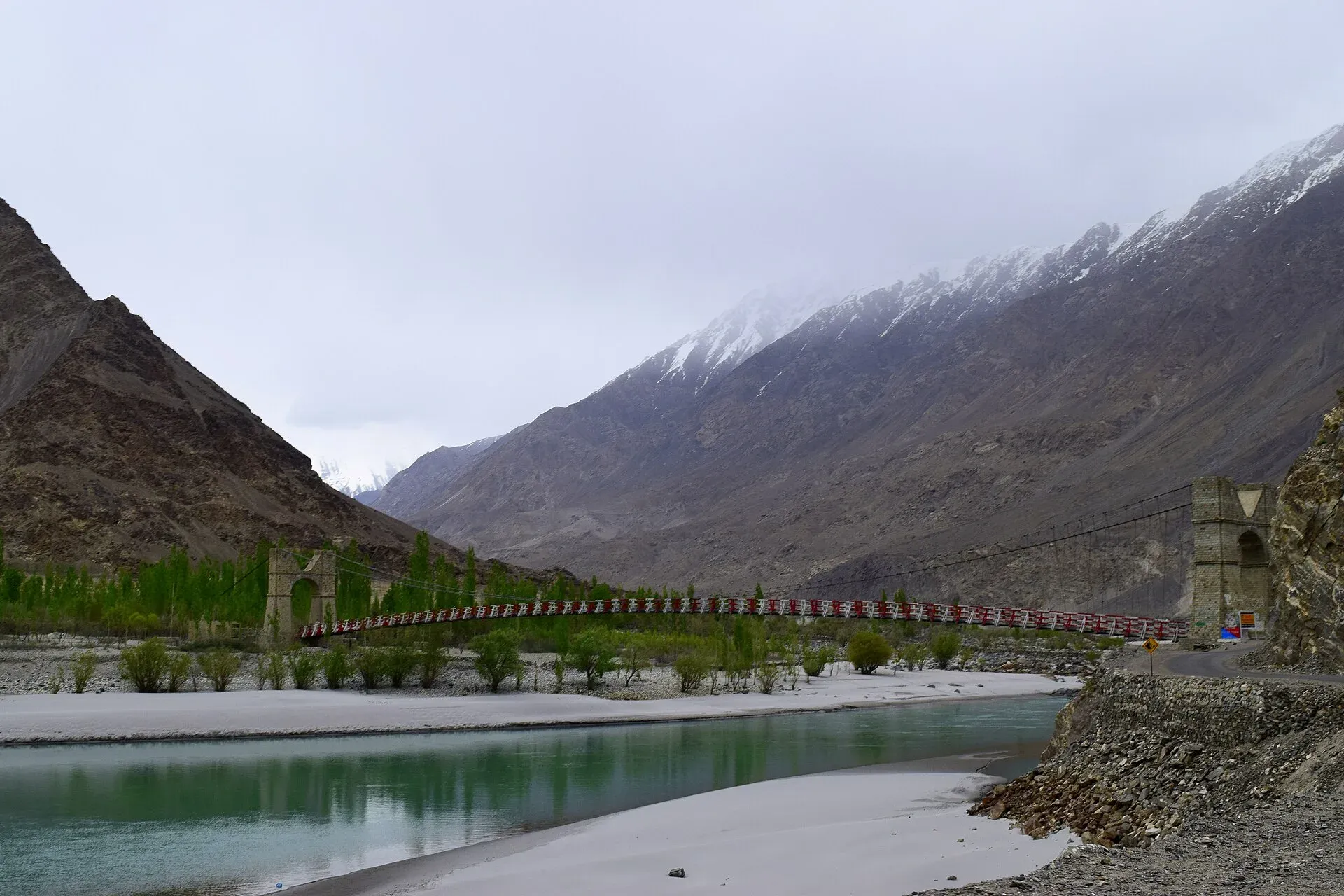
Green river with a red suspension bridge and snowy mountains (open photo 3 of 4 full screen)
A suspension bridge over the river in the Shigar area near Skardu (the file is titled "Shigar, Skardu").

Photo: Rizwan Saeed, with thanks · CC BY-SA 4.0 · via Wikimedia Commons · temporary stand-in photo

Day 16: Gilgit and flight to Islamabad

Drive to Gilgit (100 km, 1 hour 20 minutes) and fly. Gilgit flights are less certain than the Skardu route and there is no known current schedule. Do not return by road through Mansehra to Chilas.

Day 17: Buffer in Islamabad

A real slack day. If your flight from Gilgit was cancelled, it is here that you recover.

Days 18 to 20: Karachi and Thatta

Fly to Karachi on Day 18. Several domestic airlines serve the route; check the current timetable on the airline sites. On Day 19 see the colonial buildings, museums and the sea. On Day 20 go to Thatta and the Makli Necropolis: 104 km, about 1 hour 40 minutes by OSRM. The Shah Jahan Mosque has tiled domes.

Day 21: Departure

Keep the last day for departure from Karachi. Allow time for traffic to the airport.

If a pass, road or flight closes

  • Flights to Skardu or Gilgit are cancelled: they depend on cloud. Rebook for the next day and move the Islamabad days to fill the gap. Do not switch to the Karakoram Highway between Mansehra and Chilas, which the FCDO advises against.
  • Deosai is shut by snow or washed out: swap it for Satpara Lake and Upper Kachura Lake, or for Khaplu Palace, which is a full day out and back.
  • Khunjerab or the road above Passu is closed: stop at Attabad Lake and Passu and spend the time in Karimabad and Altit.
  • The mountains are closed altogether: stay in the plains. The Salt Range and the old hill roads above Murree are the nearest changes of scene, and Taxila can stretch to two days.
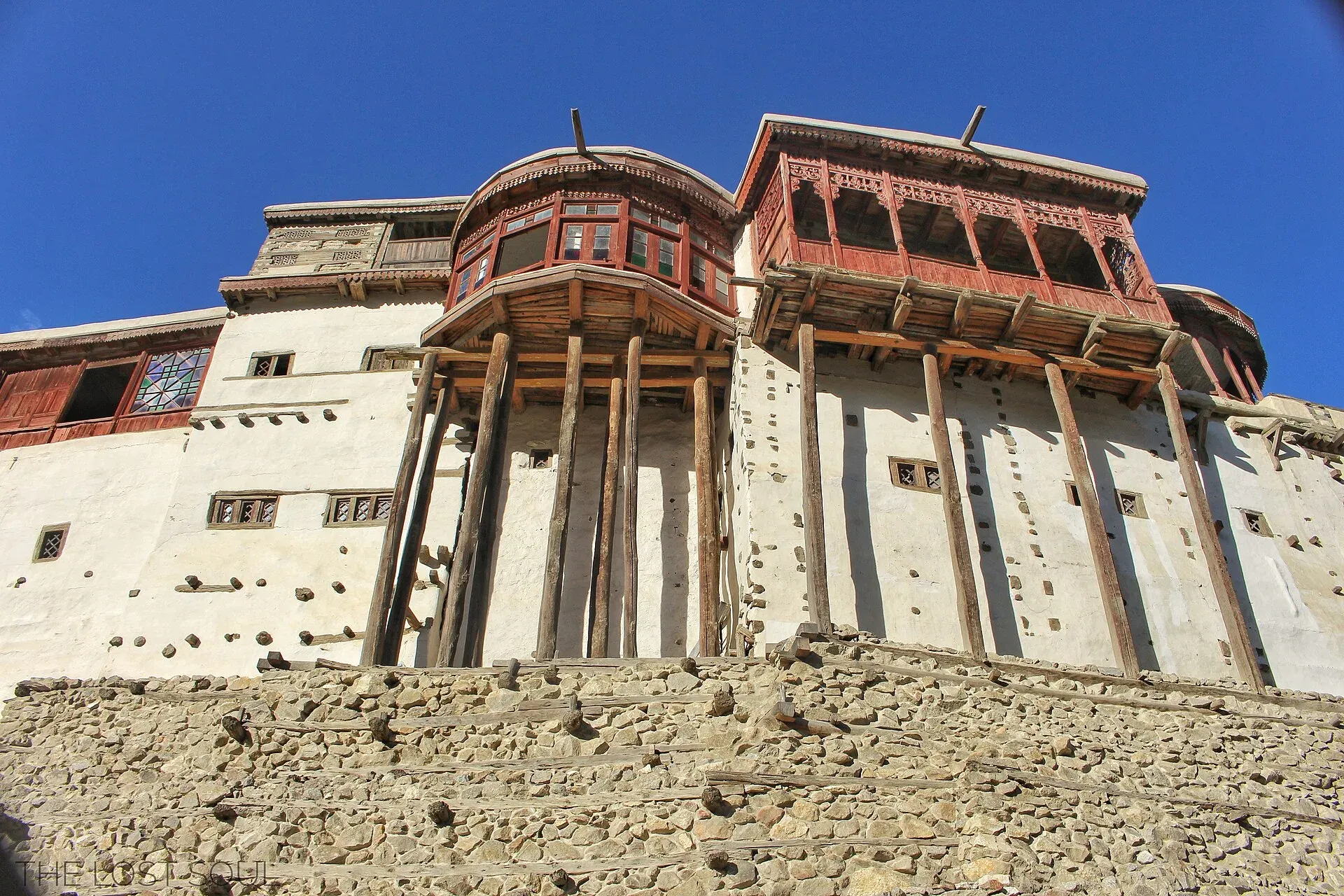
Baltit Fort on a hillside above Karimabad in Hunza (open photo 4 of 4 full screen)
Baltit Fort above Karimabad, the centre of the trail.

Photo: Fassifarooq, with thanks · CC BY-SA 4.0 · via Wikimedia Commons · temporary stand-in photo

Why this plan works

It puts the mountains in the months when roads are open, uses flights over the most difficult road, and ends in the warm south in November. Current fees for heritage sites will be added soon. Ask the staff on site for the current charge.

Photo 1 of 4

Wide view over the Hunza valley with terraced fields and snow peaks
Hunza valley in Gilgit-Baltistan, an area the UK page does not advise against in general.

Photo: FaizanAhmad, with thanks · CC BY-SA 3.0 · via Wikimedia Commons · temporary stand-in photo

Sources and last checked

Last checked Confidence medium6 sources5 still to check
Last checked
Method
Desk research from published sources
Confidence
medium
Checked by
trek.pk research team

Researched from published sources; not yet checked on the ground by our team. Spot something out of date? Report a mistake.

Sources

Still to be checked on the ground (5)

  • Flight availability for Gilgit, Skardu and Karachi legs (no official timetable found; flightsfrom.com blocked)
  • Real mountain driving times (OSRM figures are optimistic)
  • Whether foreign tourists can go up to Khunjerab now (the pass is open year-round for trade; tourist rules not stated)
  • Deosai track condition
  • Rail services on the plains

Related

Front of the Wazir Khan Mosque with its tiled facade and minarets under a blue sky.
PunjabCity

Lahore

Punjab's capital and Pakistan's cultural city: Mughal forts, mosques and gardens, a lively Walled City, and some of the best food in the country.

Best: Oct – Mar
Wide view of the red sandstone mosque with white marble domes across its courtyard
PunjabHeritage site

Badshahi Mosque

Lahore's great Mughal mosque, built for Emperor Aurangzeb in 1671-73 from red sandstone and marble. It faces Lahore Fort and has been on UNESCO's tentative list since 1993.

Best: Oct – Mar
Blue-tiled octagonal tomb with a large dome in Multan
PunjabCity

Multan

The City of Saints in southern Punjab: blue-tiled Sufi shrines, a crowded old city, blue pottery, sohan halwa and mangoes.

Best: Oct – Mar
Octagonal tomb of Shah Rukn-e-Alam in Multan
PunjabHeritage site

Tomb of Shah Rukn-e-Alam

An octagonal brick tomb from the early 1300s on the edge of Multan Fort, with blue tilework and a dome rising about 35 m. A working shrine and on UNESCO's tentative list.

Best: Oct – Mar
Domed tomb with blue tile decoration at Uch Sharif
PunjabHeritage site

Uch Sharif Monuments

A cluster of tiled Sufi tombs and a mosque in the old town of Uch Sharif near Bahawalpur, dating from the 13th to 15th centuries. The group is on UNESCO's tentative list (2004).

Best: Oct – Mar
An aerial view of Gulzar Mahal, a white domed building set in gardens within the city.
PunjabCity

Bahawalpur

Former capital of a princely state on the edge of the Cholistan Desert: Nawabi palaces, a museum, desert crafts, and a base for Lal Suhanra, Derawar Fort and Uch Sharif.

Best: Oct – Mar
Brick walls and round bastions of Derawar Fort on a sandy plain
PunjabHeritage site

Derawar Fort

A square mud-brick fort of 40 round bastions in the Cholistan Desert, south of Ahmedpur East. Dated to the 9th century, rebuilt in 1732, and on UNESCO's tentative list since 2016.

Best: Oct – Mar
Faisal Mosque in Islamabad
IslamabadCity

Islamabad

Pakistan's green, planned capital at the foot of the Margalla Hills: Faisal Mosque, hillside trails, cafes and the gateway to the north.

Best: Mar – Apr, Oct – Nov
The Dharmarajika Stupa and monastery ruins at Taxila
PunjabHeritage site

Dharmarajika Stupa

The largest stupa in the Taxila region, linked by tradition to Emperor Ashoka and later rebuilt under the Kushans. Part of the Taxila World Heritage Site, inscribed in 1980.

Best: Feb – Apr, Oct – Dec
Ruins of the Jaulian Buddhist monastery at Taxila
PunjabHeritage site

Jaulian

A 2nd-century Buddhist monastery on a hilltop at Taxila, with stupas, chapels and stucco carvings. Part of the Taxila World Heritage Site, inscribed in 1980.

Best: Feb – Apr, Oct – Dec
Shigar Fort palace on its boulder
Gilgit-BaltistanHeritage site

Shigar Fort (Fong-Khar)

A 17th-century palace of the Amacha rajas of Shigar, restored by the Aga Khan Cultural Service Pakistan in 1999-2004 and now a museum and heritage hotel.

Best: May – Oct
Upper Kachura Lake with mountains and blue water
Gilgit-BaltistanLake

Upper Kachura Lake

A clear lake about 70 m deep at around 2,500 m, near Shangrila, west of Skardu. Also called Foroq Tso, it freezes in winter. A short walk or drive from the road, it is popular for walks and trout fishing.

Best: May – Oct
The entrance of Khaplu Palace.
Gilgit-BaltistanHeritage site

Khaplu Palace (Yabgo Khar)

The 1840 palace of the Yabgo rajas of Khaplu, restored by the Aga Khan Trust for Culture (2005-2011) and now a museum and heritage hotel facing the Karakoram.

Best: May – Oct
Kargah Buddha rock carving near Gilgit
Gilgit-BaltistanCity

Gilgit

Gateway to Gilgit-Baltistan on the Karakoram Highway: a busy mountain town with the Kargah Buddha and the base for Hunza, Naltar and Skardu.

Best: Apr – Oct
Baltit Fort and the Hunza valley seen from the trail above
Gilgit-BaltistanValley

Hunza Valley

A long Karakoram valley on the Karakoram Highway, with Karimabad, Baltit and Altit forts, Ganish village and Attabad Lake, below Rakaposhi and Ultar Sar. About 100 km from Gilgit.

Best: May – Oct
Baltit Fort in Karimabad, Hunza, where hosts often welcome visitors with tea
Gilgit-BaltistanHeritage site

Baltit Fort

A restored fort and museum above Karimabad in Hunza, once the home of the Mirs of Hunza. Its core is centuries old and it has been on UNESCO's tentative list since 2004.

Best: Apr – Oct
Old stone fort on a cliff with a snow peak rising behind it, Altit, Hunza
Gilgit-BaltistanHeritage site

Altit Fort

An old fort above the Hunza River at Altit, restored by the Aga Khan Trust for Culture and open to visitors since 2007. Often described as the oldest monument in Gilgit-Baltistan.

Best: Apr – Oct
Turquoise Attabad Lake between steep brown mountains
Gilgit-BaltistanLake

Attabad Lake

A turquoise lake about 21 km long in Gojal, Hunza. It formed when a landslide blocked the Hunza River on 4 January 2010. The Karakoram Highway now passes it through five tunnels.

Best: May – Oct
Engraved boulders of the Sacred Rock of Hunza
Gilgit-BaltistanHeritage site

Sacred Rock of Hunza (Haldeikish)

A 180 m long outcrop of engraved boulders beside the Karakoram Highway near Ganish, with ibex carvings and inscriptions in several ancient scripts from Silk Road travellers.

Best: Apr – Oct
A colonial-era stone hall with arches and a tower in a garden.
SindhCity

Karachi

Pakistan's largest city and main port: colonial buildings, museums, beaches, busy bazaars and some of the country's best food.

Best: Nov – Feb
Decorated domes and arches inside a mosque
SindhCity

Thatta

Sindh's medieval capital, home to the UNESCO-listed Makli Necropolis and the tiled Shah Jahan Mosque, about 100 km from Karachi and Hyderabad.

Best: Nov – Feb
Lahore Fort seen from the Baradari, a Mughal royal complex
PunjabRoad trip

Lahore Heritage and Wagah

A two to three day city trip: Lahore Fort, the Badshahi Mosque and old city, the Shalimar Gardens, and the evening flag-lowering at Wagah, 33 km from the fort. Measured distances and current notes on the new Wagah arena.

2–3 days · 33 km
Brick walls and round bastions of Derawar Fort on a sandy plain
PunjabRoad trip

Cholistan and Derawar Fort

A 2-3 day road trip from Multan to Bahawalpur and on to Derawar Fort in the Cholistan Desert: 185 km one way. Derawar's 40 bastions are best seen in the cool season, around the February jeep rally.

2–3 days · 185 km
Satpara Lake surrounded by mountains under a dark sky
Gilgit-BaltistanRoad trip

Skardu, Shigar and Deosai

A 7-day road trip from Islamabad to Skardu, the Shigar valley and the high Deosai Plains, with day-by-day distances, road conditions and the summer-only Deosai season.

6–7 days · 717 km
Old stone fort on a cliff with a snow peak rising behind it, Altit, Hunza
Gilgit-BaltistanRoad trip

Hunza and Khunjerab (KKH)

A 7-8 day road trip from Islamabad up the Karakoram Highway to Hunza and on to Khunjerab Pass (4,693 m), with overnight stops at Besham, Chilas and Gilgit.

7–8 days · 862 km
A square sandstone tomb on the Makli ridge under a blue sky
SindhRoad trip

Karachi to Thatta: Makli and Keenjhar

A two-day, 257 km loop from Karachi on the N-5 to Thatta, the Makli Necropolis and the Shah Jahan Mosque, then Keenjhar Lake and back. Makli became a UNESCO World Heritage Site in 1981.

2 days · 257 km

Help us improve trek.pk

Share feedback